Gateway/Blog

Field notes from the job.

Plain-English writing about water damage, mold, the insurance process, and what we see across the St. Louis metro every week.

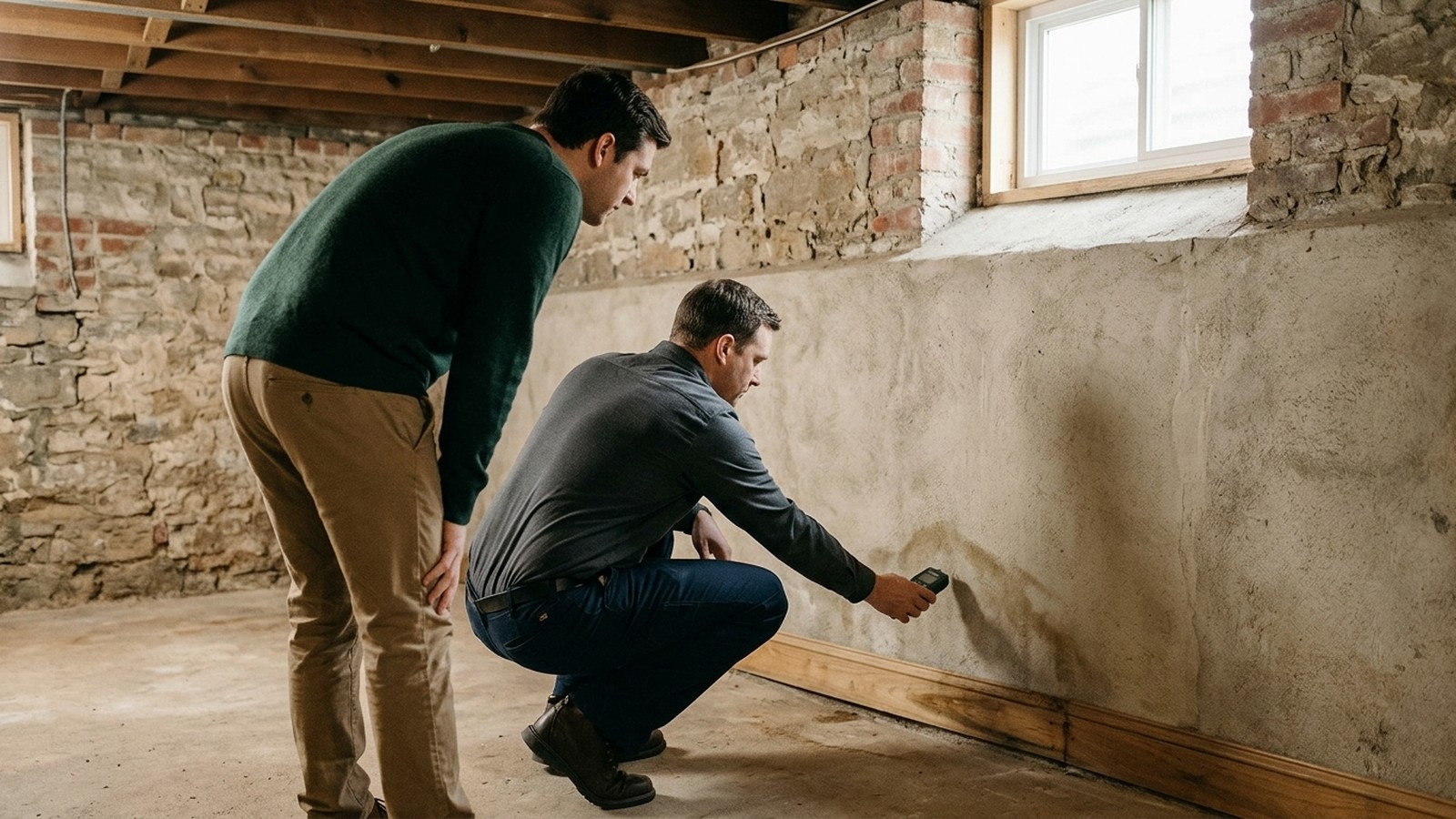
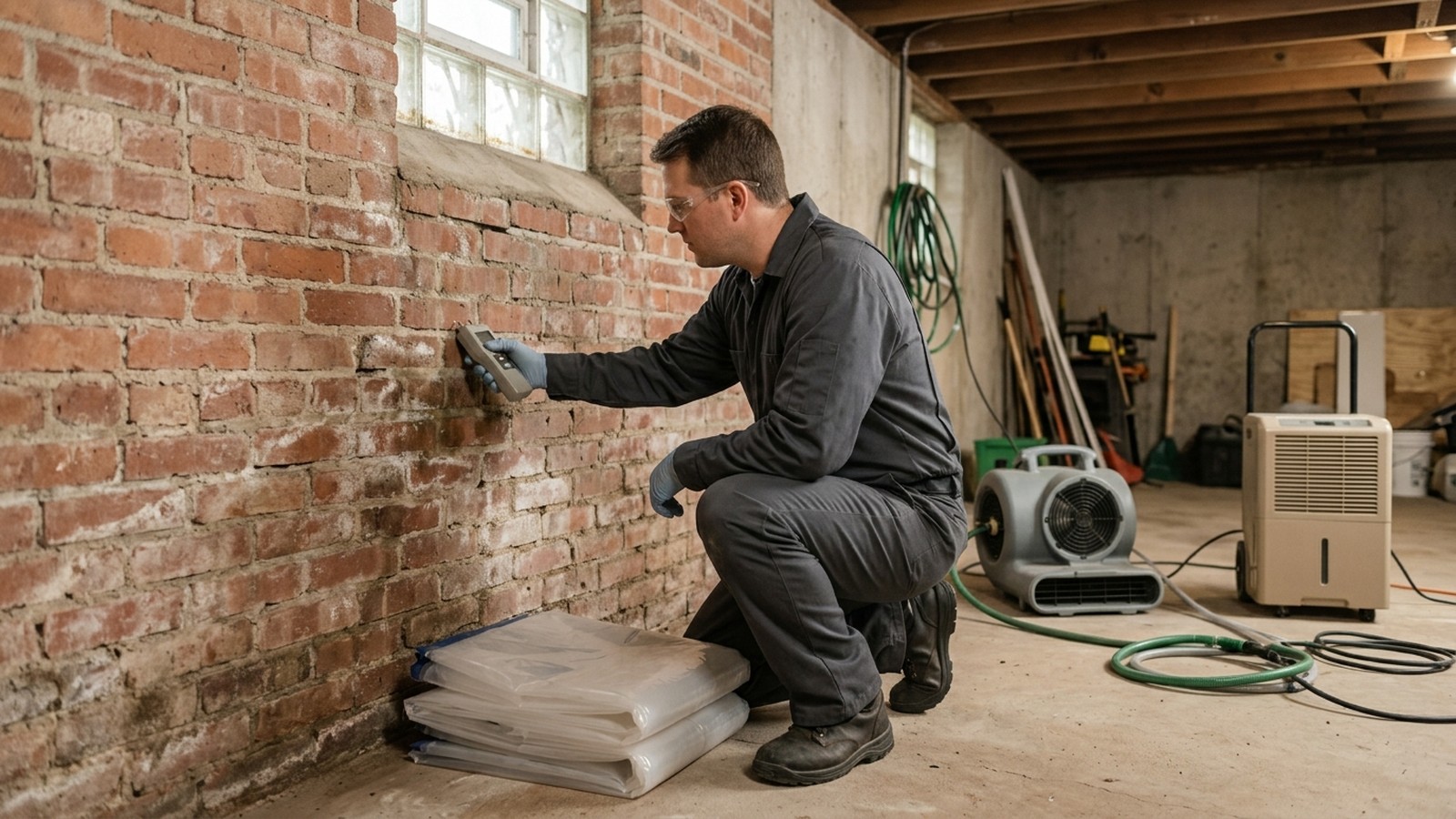
  • Technician in safety glasses checking a brick basement wall with a moisture meter, with an air mover and dehumidifier behind him.

    Mold Inspection vs. Mold Testing: Which One Do You Actually Need?

    If you can already see mold, you usually need an inspection to find the moisture causing it, not a test to confirm what your eyes have established. The EPA states it plainly: in most cases, if visible mold growth is present, sampling is unnecessary. That surprises people, because “mold test” is the phrase most homeowners…
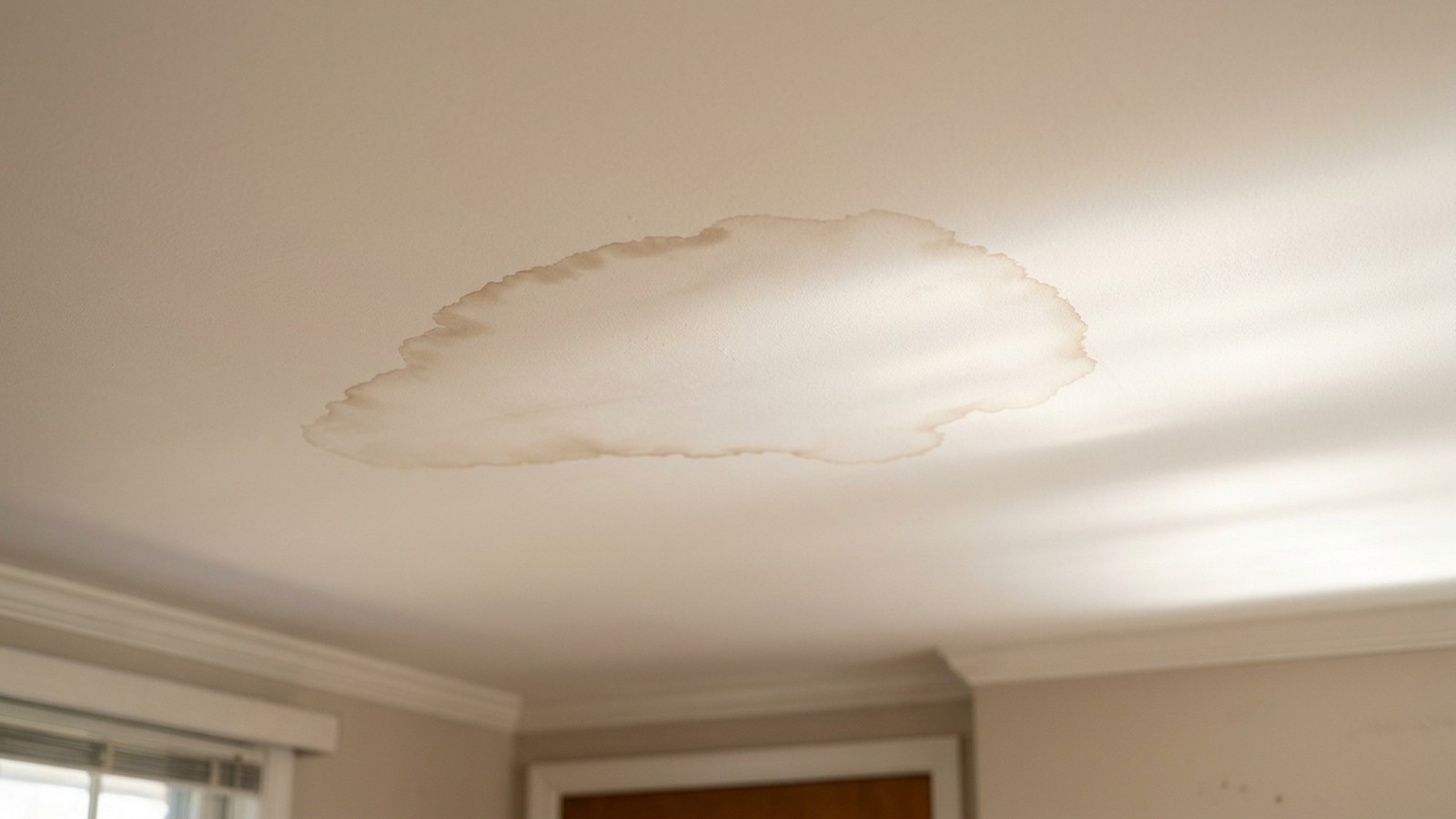
  • Brown-edged water stain spreading across a white living room ceiling.

    What a Brown Water Stain on Your Ceiling Actually Means

    A brown water stain on a ceiling means water has already passed through the assembly above it and carried dissolved minerals, dust and wood tannins to the surface. The stain is the residue left behind after the water evaporated, not the water itself. The useful question is not what the stain is. It is whether…

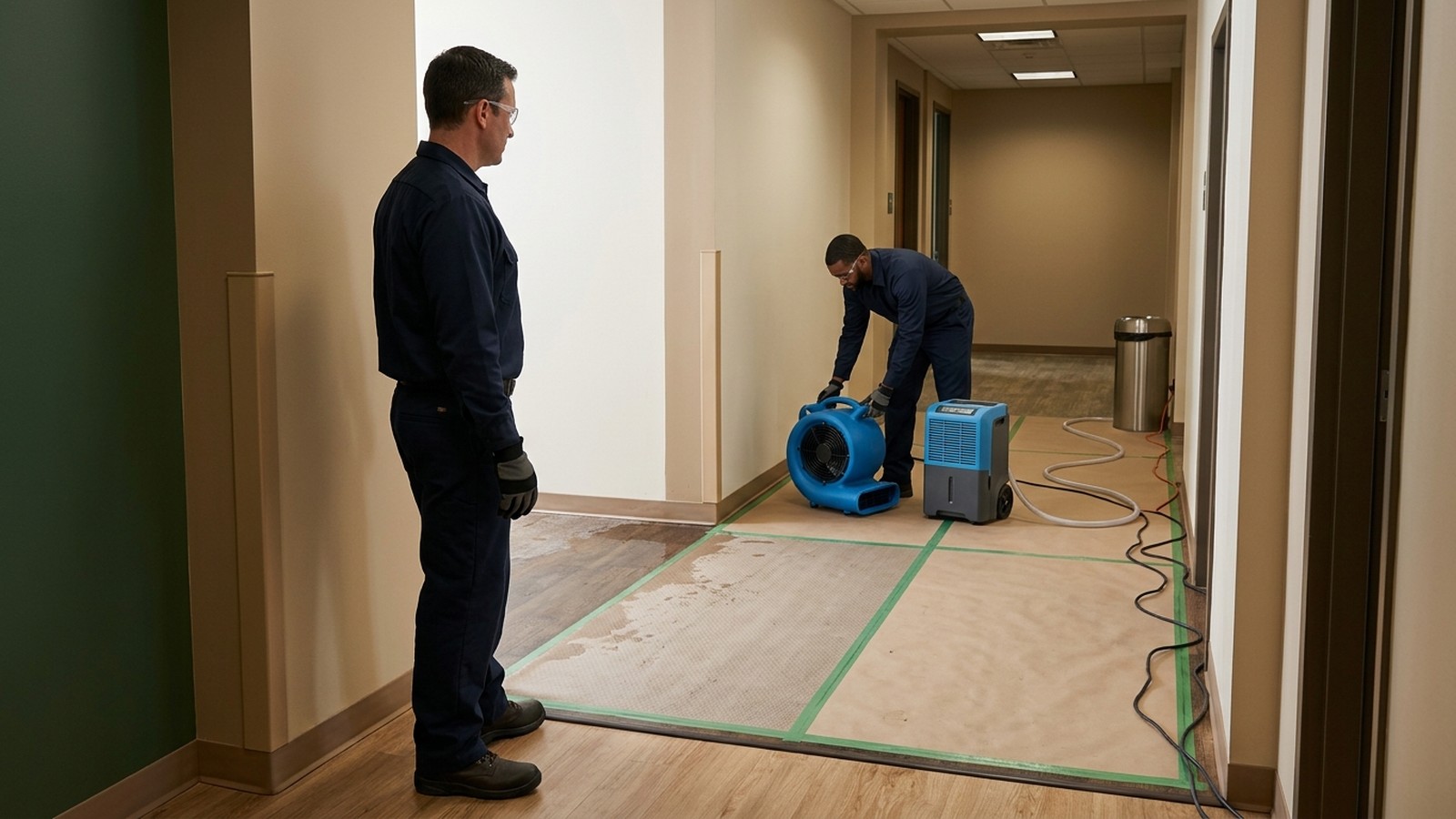
  • An organized commercial restoration response begins with site assessment, controlled access, extraction, and drying equipment staged in a water-damaged corridor.

    Commercial Water Damage: An Emergency Response Plan

    A commercial water damage emergency response plan should protect people, control the source only when safe, restrict access, document conditions, and guide drying and reopening. For owners, facility managers, and tenants in the St. Louis metro, the plan should assign responsibilities before an incident occurs and provide a practical checklist when water enters the building.…

  • A buyer and inspector examine modest moisture-related clues in an older home without treating one observation as proof of mold.

    7 Mold Warning Signs Before Buying a St. Louis Home

    Mold warning signs before buying a home in St. Louis include musty odors, unexplained stains, isolated fresh paint, basement or crawlspace moisture, persistent condensation, a history of roof or plumbing leaks, and damaged porous finishes or HVAC concerns. None of these observations proves that a house has a widespread mold problem. They do show where…

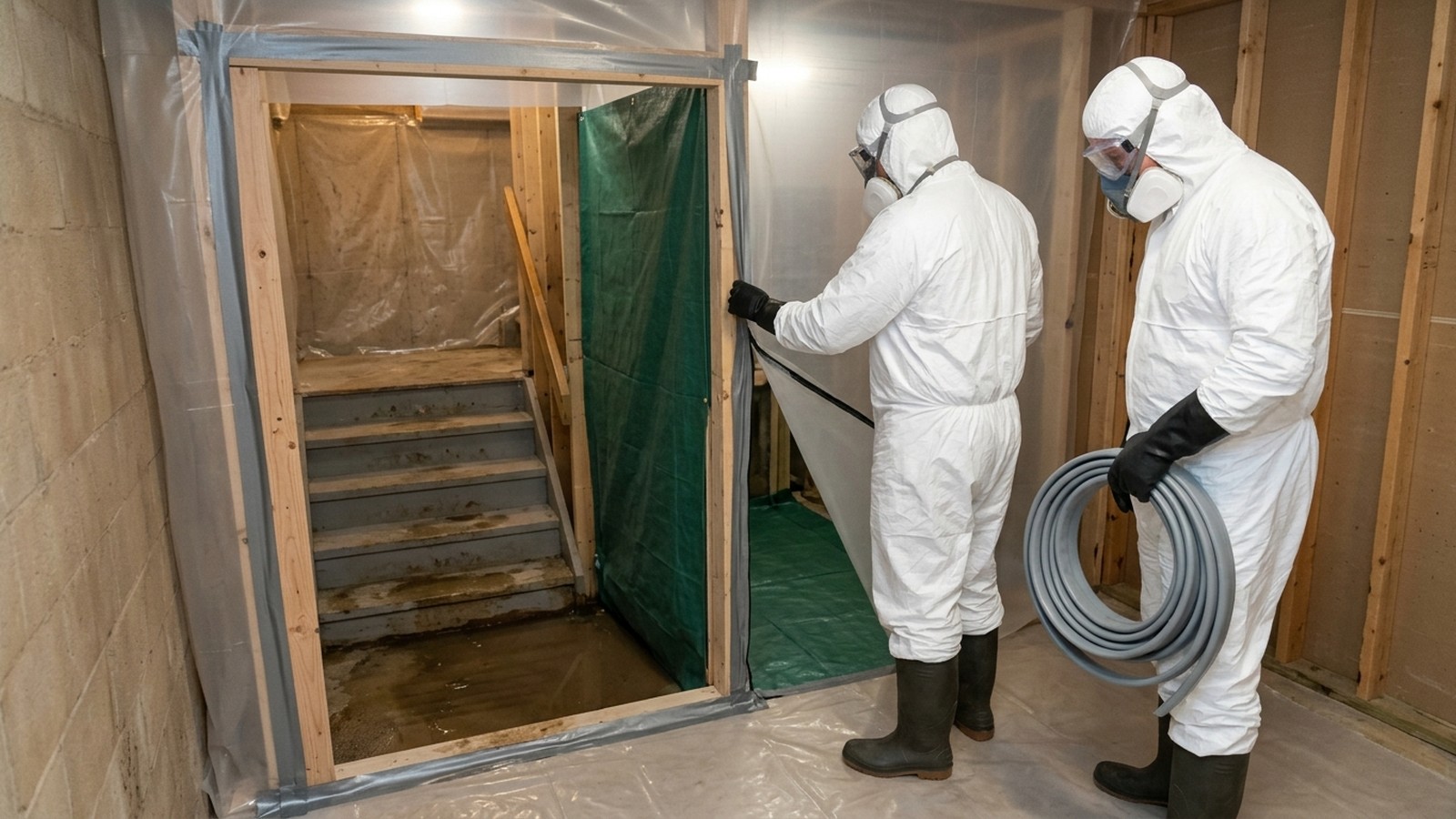
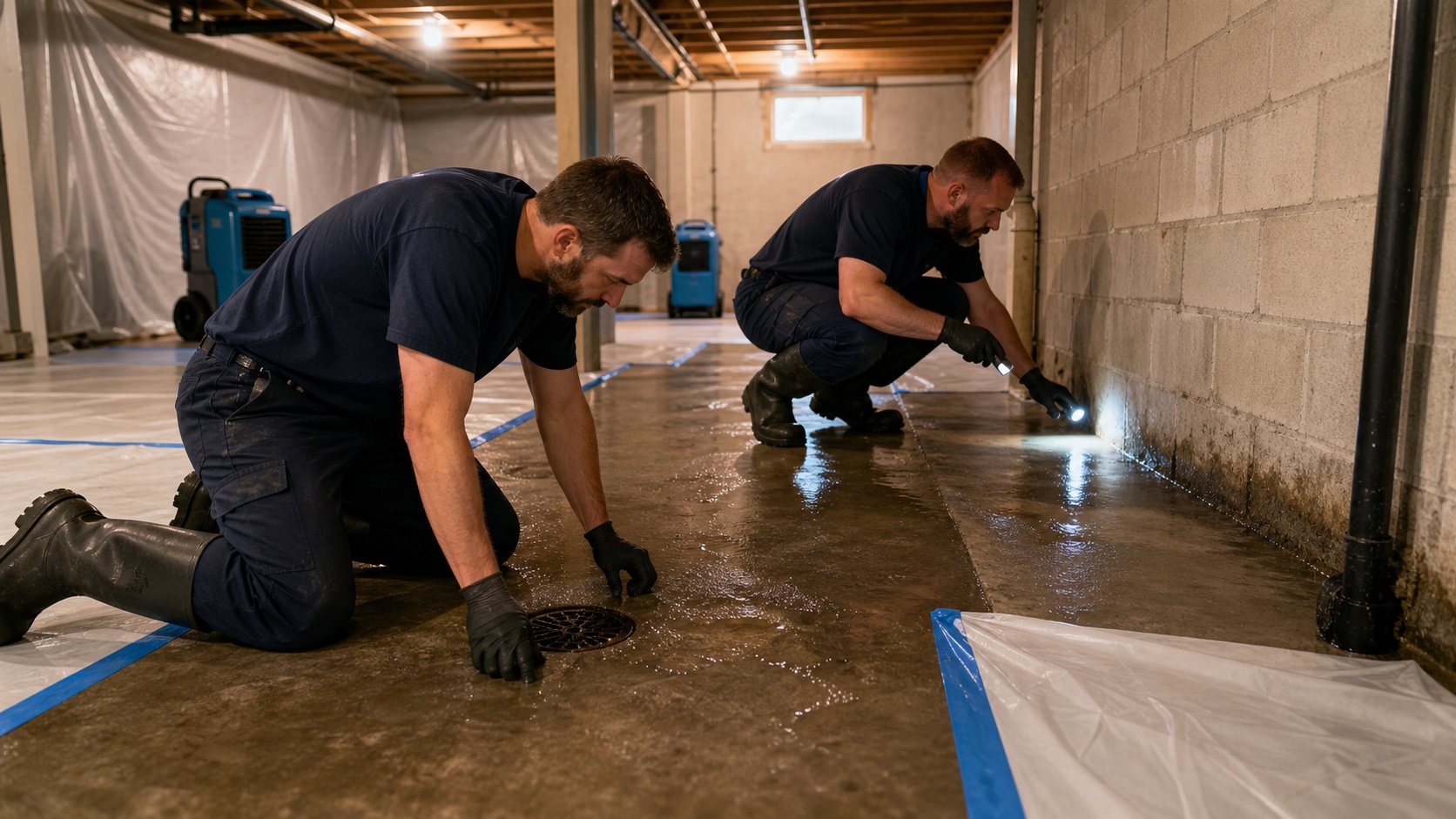
  • A restoration crew uses full protective equipment and controlled access before beginning sewer backup extraction and cleanup.

    Sewer Backup Cleanup: Safety Steps for St. Louis Homes

    Sewer backup cleanup safety should begin with isolation, electrical safety, documentation, and a clear plan for removing contaminated water and materials. Keep people and pets away from the affected area, avoid direct contact, and do not enter standing water when electrical hazards may be present. Before moving belongings, photograph visible conditions from a safe location.…

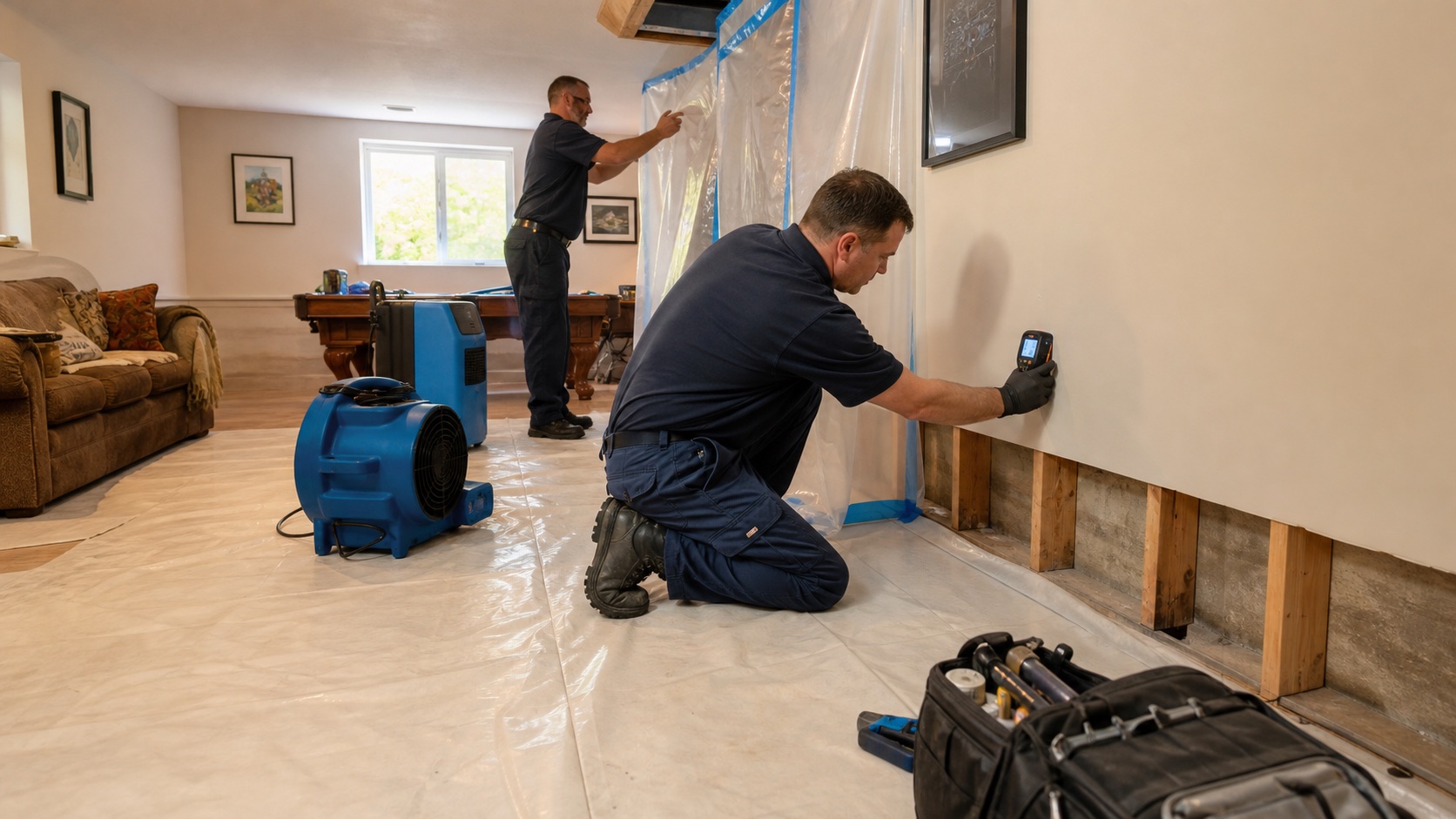
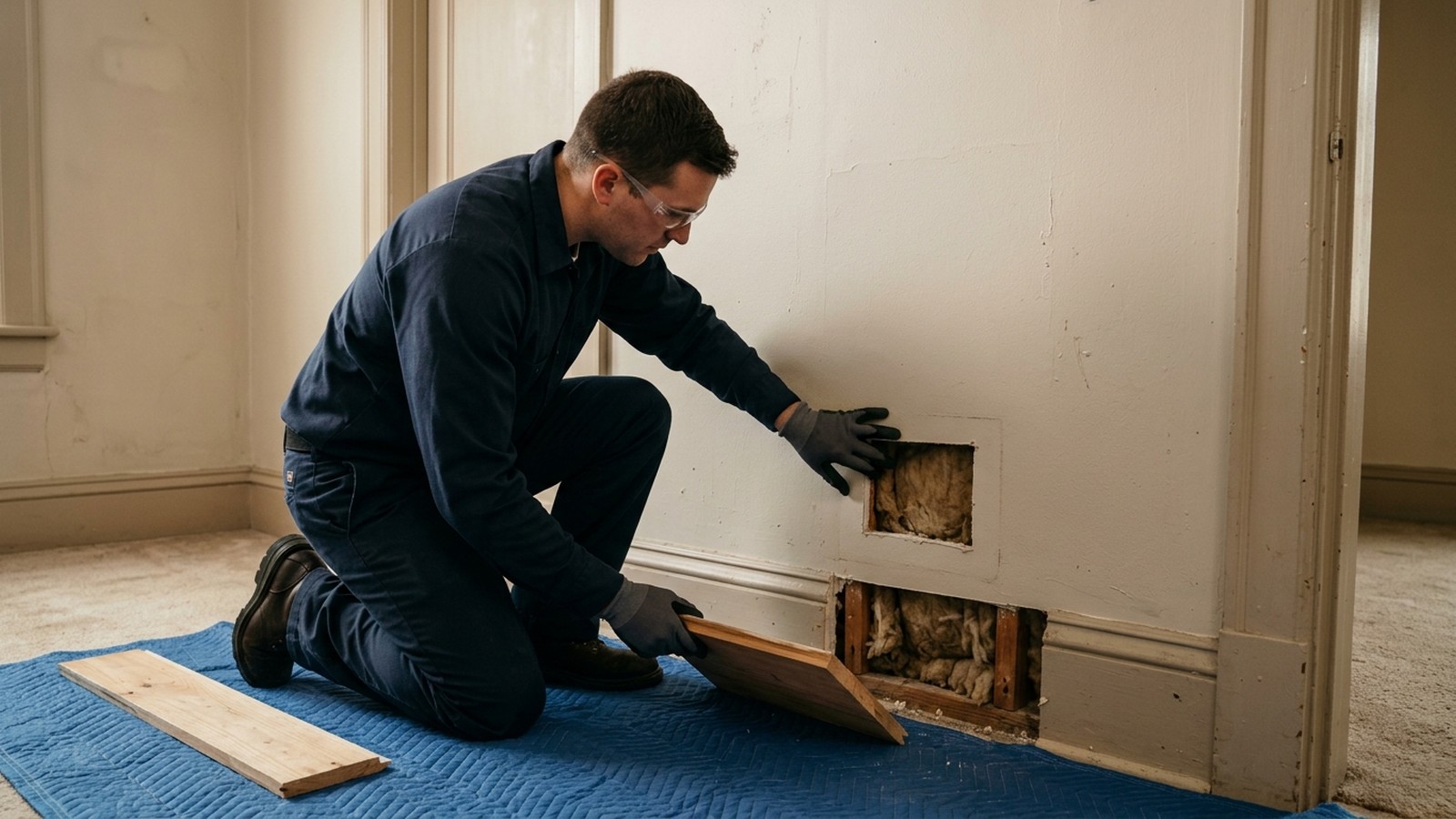
  • A technician evaluates material condition and hidden moisture before deciding whether damp drywall can be dried or selectively removed.

    Can Water-Damaged Drywall Be Saved or Must It Be Replaced?

    Can water-damaged drywall be saved? Yes, it can sometimes be saved when the water source is addressed, the panel remains firm and flat, the seams are intact, and the wall assembly can be dried completely. Removal becomes more likely when drywall is swollen, soft, crumbling, contaminated, mold-affected, or trapping moisture inside the wall. The decision…

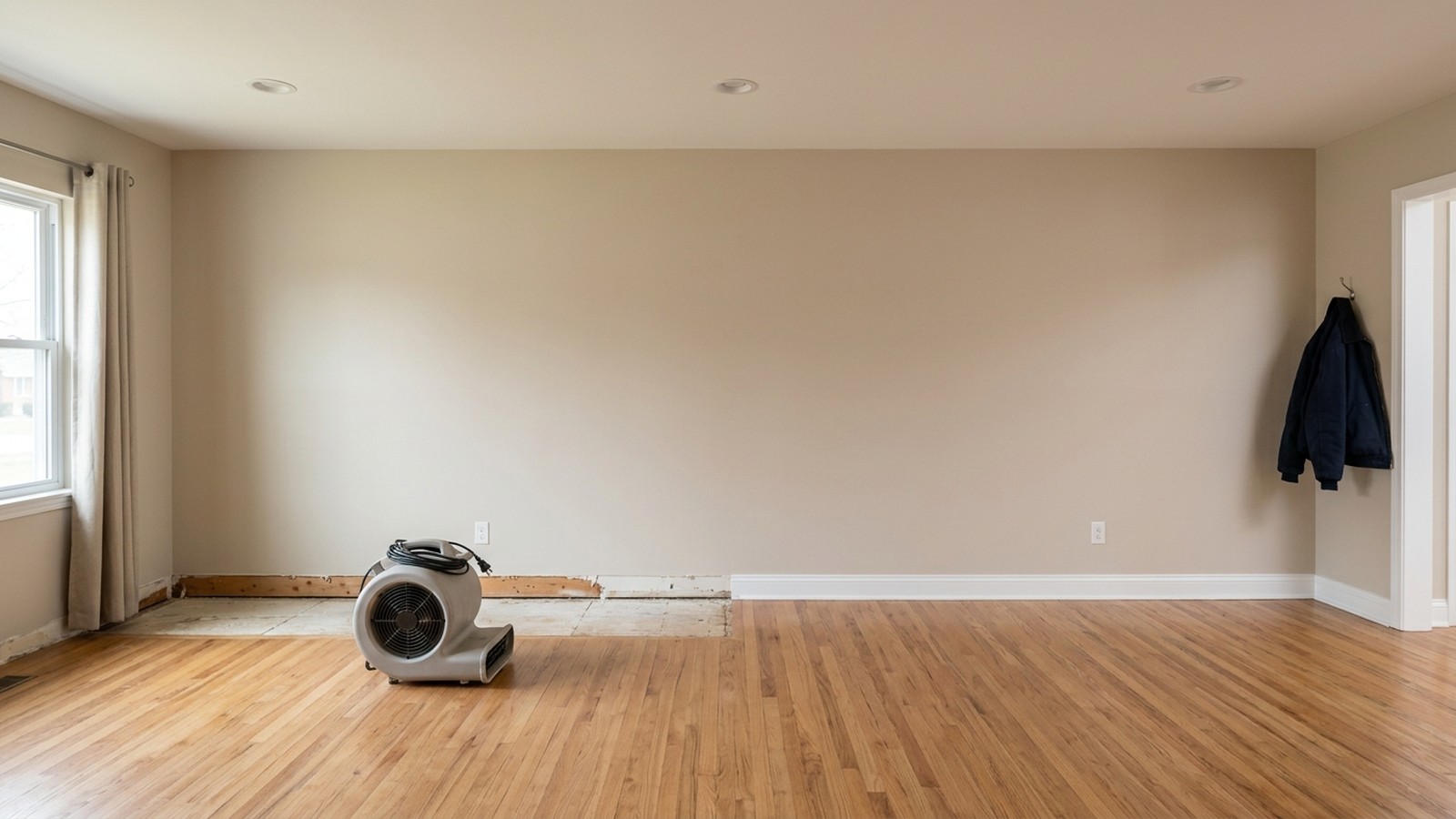
  • A continuous room view contrasts immediate extraction and drying with the repaired interior that follows verified mitigation.

    Water Mitigation vs. Restoration: What Comes First?

    Water mitigation vs restoration begins with mitigation because active water and moisture must be controlled before damaged areas can be reliably repaired. Mitigation focuses on limiting spread, removing standing water, managing moisture, and drying affected materials. Restoration addresses the work needed to return the property to a functional, finished condition, which may include cleaning, replacing…