
Assessing summer storm damage in St. Louis
Gateway Water & Mold provides moisture assessment, extraction and drying after storms. The scope depends on the actual loss, and insurance documentation should reflect observed conditions. See the guide for urgent steps for flat roof leaks after summer storms in Mascoutah. Gateway provides professional water damage restoration.
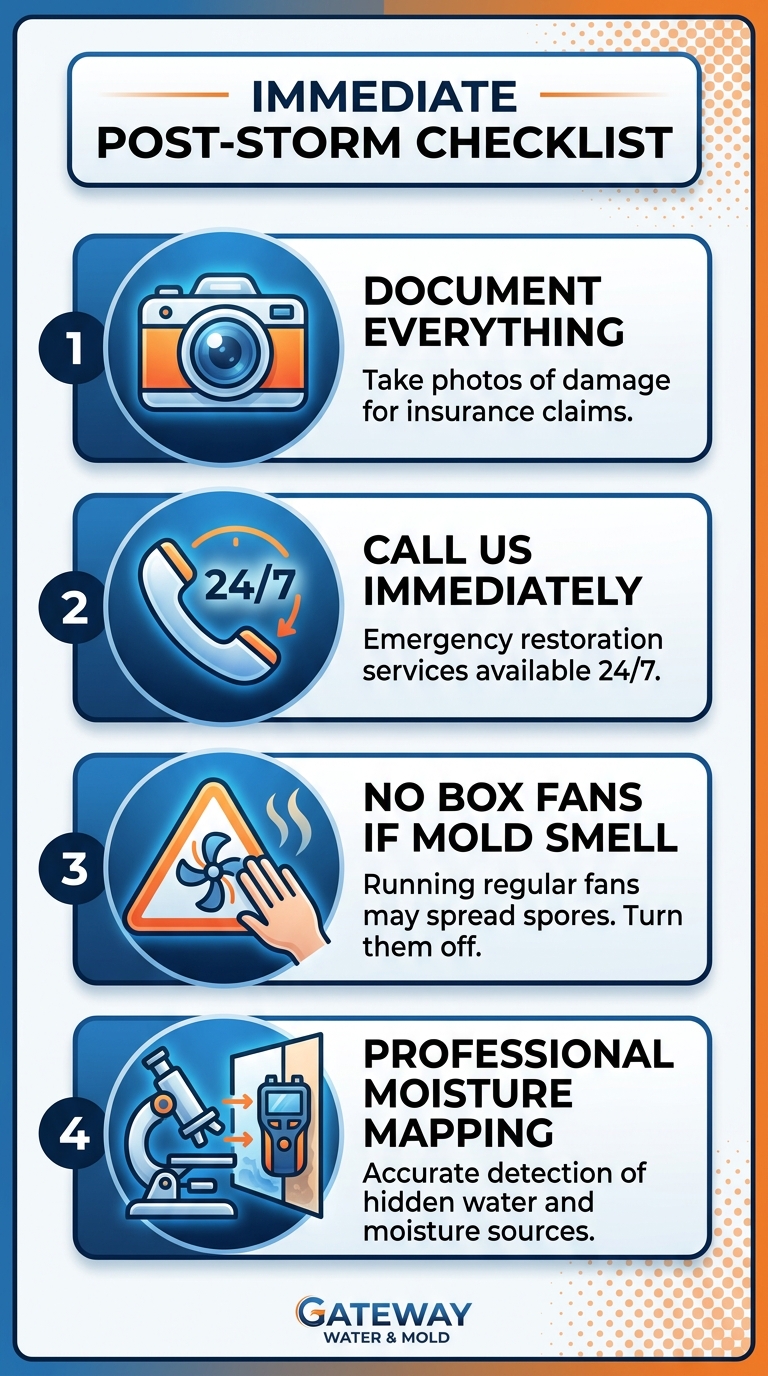
Immediate Checklist After a Storm
Arrange safe assessment after storm-related water entry. Document observations where safe and ask the insurer about reporting requirements. A fixed response window does not establish denial or mold growth. See the guide to St. Jacob older homes for related service information.
- Photograph visible damage only from a safe location and ask the insurer about documentation requirements. Do not delay necessary emergency action to gather evidence.
- Contact Gateway to discuss current dispatch availability and appropriate next steps for the observed damage.
- If mold or contamination is suspected, ask appropriately qualified professionals about safe equipment use and the cleanup plan. An odor alone does not establish contamination of the entire HVAC system.
- Keep people and pets away from electrical, structural or contamination hazards. Ask qualified professionals about safe access; thermal imaging or air sampling alone does not establish occupancy safety.
St. Louis Metro Summer Storm Patterns and Trends
Assess the actual storm damage and relevant property conditions. Consult current official weather and flood information where needed; no unverified local event-frequency trend or neighborhood vulnerability is established here.
Storm-related damage and assessment options
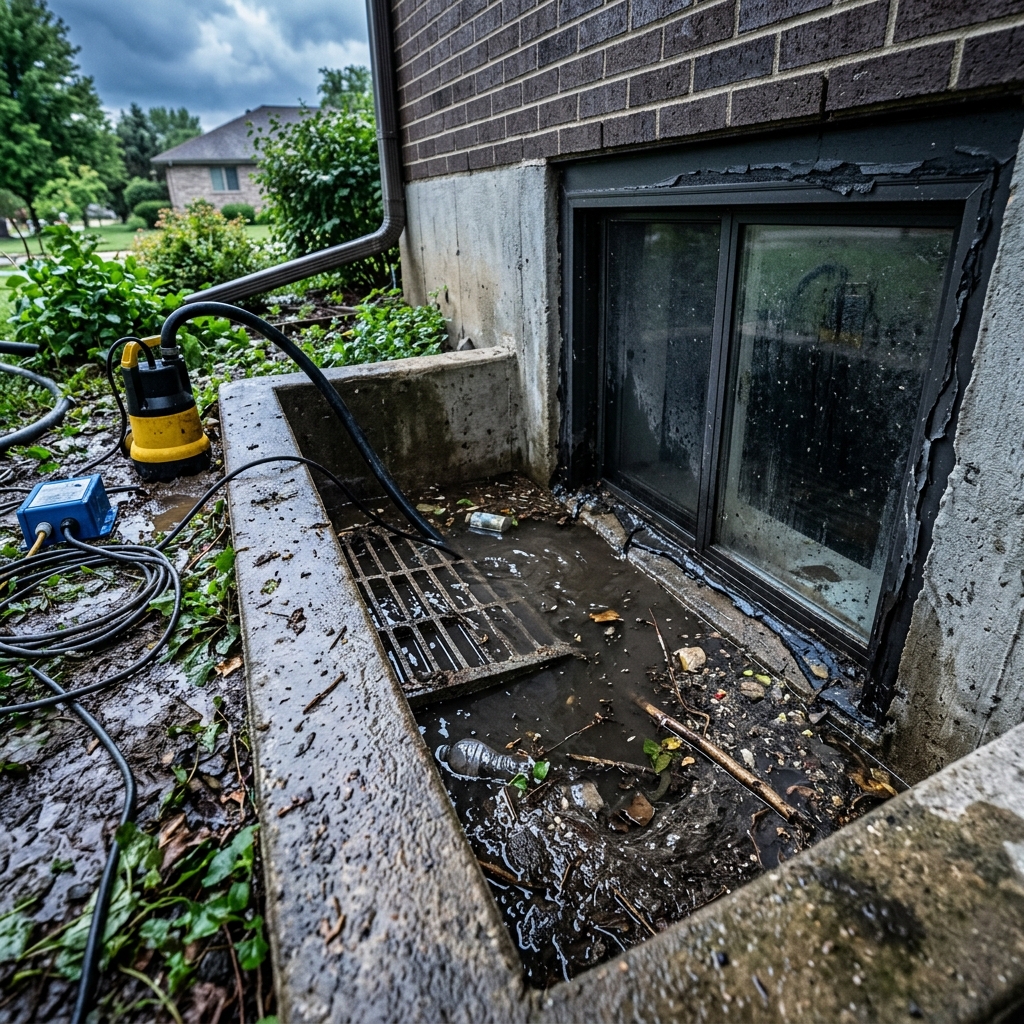
Basement window-well flooding: assess the entry point, drainage and affected materials. Have an appropriate qualified contractor advise on repairs or protective measures.
2. Crawl Space Moisture: Inspect leaks, drainage and condensation. Remediation and any antimicrobial use should follow the assessed scope and applicable product label. Arrange professional mold remediation where the assessment calls for it.
Suspected sewer-root intrusion: have a qualified sewer contractor investigate the actual pipe condition and suitable repair options. No repair method guarantees a permanent solution for every property.
Commercial flat-roof leaks: arrange assessment of the roof and affected interior materials. Discuss appropriate roof repair, contents protection and documentation with the responsible professionals.
June Location Guides in This Cluster
Explore these town-specific storm-damage guides:
Caseyville Basement Window Well Flooding; Mascoutah Commercial Flat Roof Leaks; St. Jacob Tree Root Sewer Backups. Assessment and restoration should follow actual property conditions; sampling, where appropriate, is performed independently.
How Insurance Companies View Storm-Related Water Damage and Mold Claims
Ask your insurer to review the actual storm loss under the policy and endorsements. Gateway can document observed conditions and the proposed work. No fixed documentation deadline, testing method or contractor file guarantees approval or a larger settlement.
Prevention Strategies for Next Season
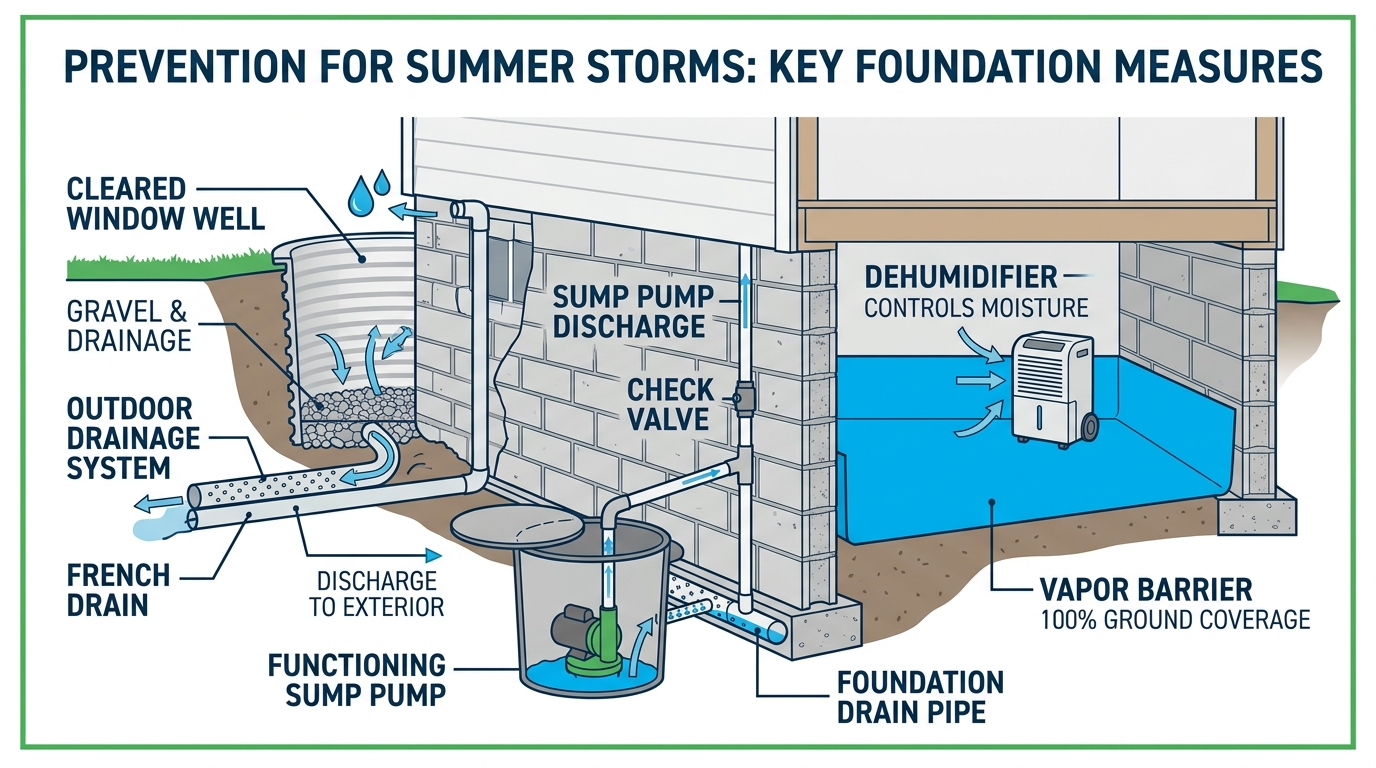
Prevention beats reaction. Top actions:
- Arrange safe window-well maintenance as needed and discuss professional sump pump maintenance for the actual system.
- Have a qualified contractor assess whether pump repairs, check valves or backup options are appropriate.
- Assess indoor humidity and discuss suitable moisture-control measures for the property.
- Have suspected foundation cracks and water entry assessed by an appropriate qualified contractor.
- Have a damp crawl space assessed before deciding whether encapsulation or another repair is appropriate.
Ask Gateway about an assessment of visible water-damage risks. No visit can guarantee that repeat insurance claims will be eliminated.
FAQs About Summer Storms, Water Damage, and Mold in the St. Louis Area
How long after a flood does mold start growing?
Arrange prompt drying and assessment after water entry. Elapsed time alone does not establish mold growth or a guaranteed reduction in remediation scope and cost.
Will my homeowners insurance cover mold from a storm?
Ask your insurer or agent about mold-related policy provisions, endorsements, limits and exclusions for the actual storm loss. No generic dollar range or covered-peril description guarantees coverage.
Can I clean up basement flooding myself?
For contaminated water, suspected mold or structural hazards, arrange appropriate professional assessment. The policy and applicable requirements determine insurance obligations; do not assume every loss has the same rule.
What is the difference between water damage restoration and mold remediation?
Water damage restoration addresses the assessed water loss and affected materials; see our water damage restoration services. Mold remediation addresses identified mold concerns. Gateway performs moisture assessment and remediation; independent professionals handle appropriate sampling and laboratory analysis. A storm does not automatically require both services.
Ready to Protect Your Home This Storm Season?
Contact Gateway to discuss storm-damage assessment, current dispatch availability and the applicable service area. Confirm any estimate or assessment charge directly; no universal certification, testing or insurer-trust claim is established here.