
Gateway provides basement flooding and sewage-damage response for St. Jacob properties. No verified local job count or universal tree-root and pipe-age failure pattern is presented here.
What to Do About St. Jacob IL Tree Root Sewer Backup
- Stop using affected plumbing and contact a qualified professional; use shutoffs only where access is safe.
- Keep out of sewage-contaminated water and arrange qualified cleanup.
- Photograph visible damage only from a safe location, without delaying urgent safety measures.
- Arrange qualified sewage-damage assessment promptly; no fixed mold-prevention deadline is established here.
- Check accessible basement areas only when safe; do not enter standing water or sewage.
- Ask a qualified plumber to investigate slow drains or gurgling and determine whether a camera inspection is appropriate.
Assessing Suspected Tree-Root Intrusion
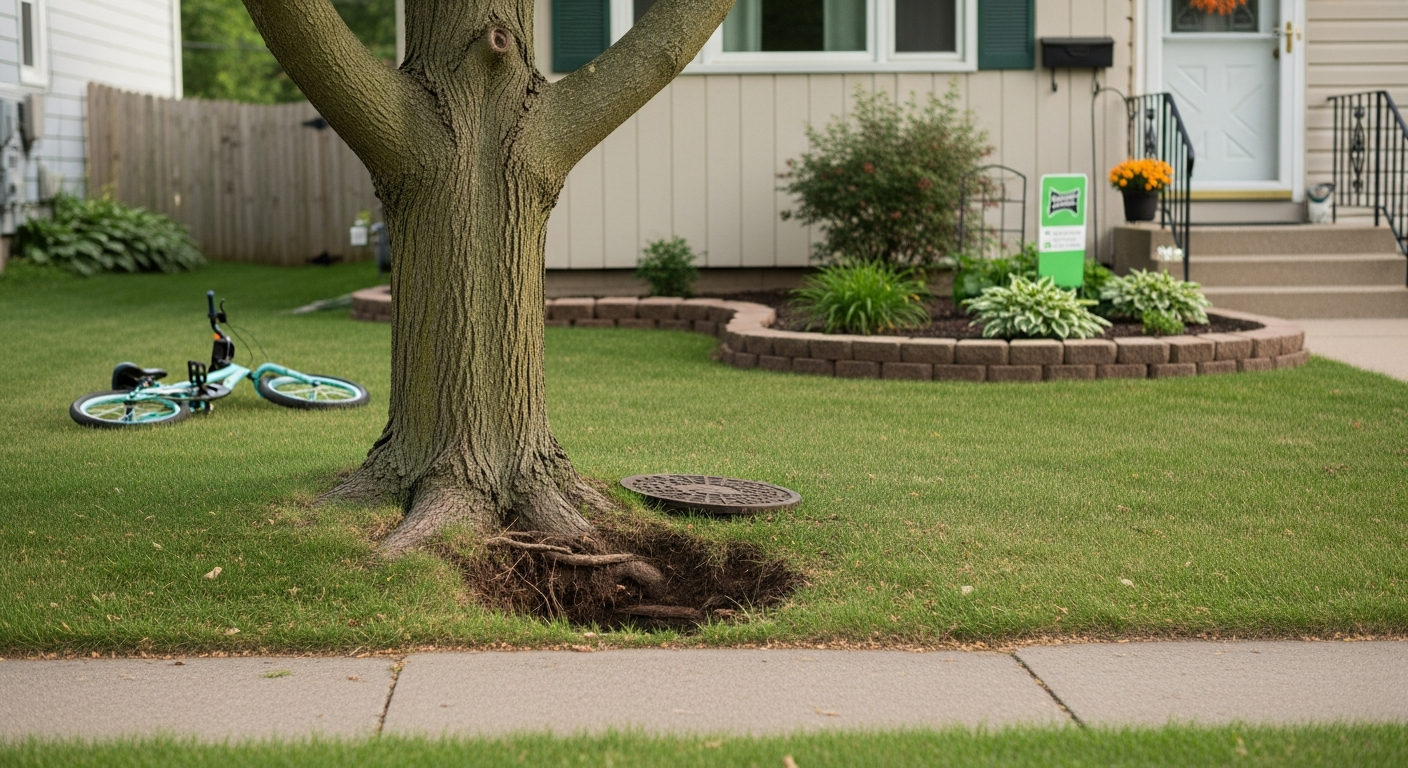
University of Illinois Extension may provide relevant tree guidance, but no universal local root extent or seasonal blockage rate is established here.
For professional water damage restoration and mold remediation services in St. Jacob, contact Gateway Water & Mold. Our local team provides St. Jacob water damage response. Their insurance claims assistance expertise helps homeowners navigate claims after severe weather like the patterns covered in the summer storm guide.
Have the actual sewer line inspected when a problem is suspected. Construction age alone does not identify pipe material or predict blockage timing.
Heavy rain can expose defects or blockages in a sewer system. Gateway’s St. Louis summer storm guide provides broader response context; have the actual pipe condition assessed by a qualified professional. Current weather information is available from the National Weather Service.
Summer Storm Drain Problems St Jacob Homeowners Face
Assess the actual site and sewer system. No verified local hourly rainfall frequency or uniform soil condition is presented here.
Neighborhood names do not establish pipe condition or comparative backup risk. Use actual inspection and drainage evidence.
A qualified plumber can investigate the actual cause of a backup. No verified Countryside or Meadowbrook incident series is presented here.
Older Homes Plumbing Issues Madison County Residents Should Watch
Confirm pipe material and condition through appropriate inspection and records. No universal age-based failure deadline is established here.
Slow drains, gurgling or sewage odors warrant qualified plumbing assessment. They do not identify tree roots or establish a street-specific pattern.
Review the actual pipe route and inspection findings. No documented regional Gateway case pattern or universal root encasement is established here.
How Gateway Water & Mold Handles Sewage Cleanup St Jacob IL

Contact Gateway about emergency water damage restoration after sewage intrusion. The actual hazards and affected materials determine the cleanup scope; no particular extraction system guarantees airborne containment.
Gateway performs moisture assessment and remediation. If sampling is needed, an independent inspector or industrial hygienist collects samples and an independent laboratory analyses them. Air sampling alone does not certify bacterial safety or establish requirements for sewage claims.
For a sewer backup, document the observed contamination and affected materials. Use suitable cleanup methods and product-label instructions; documentation does not guarantee an insurance outcome.
Arrange qualified assessment and cleanup of sewage-affected materials. Water damage restoration documentation does not guarantee complete remediation or claim acceptance. Contact Gateway about sewage cleanup and mold remediation assessment.
Frequently Asked Questions
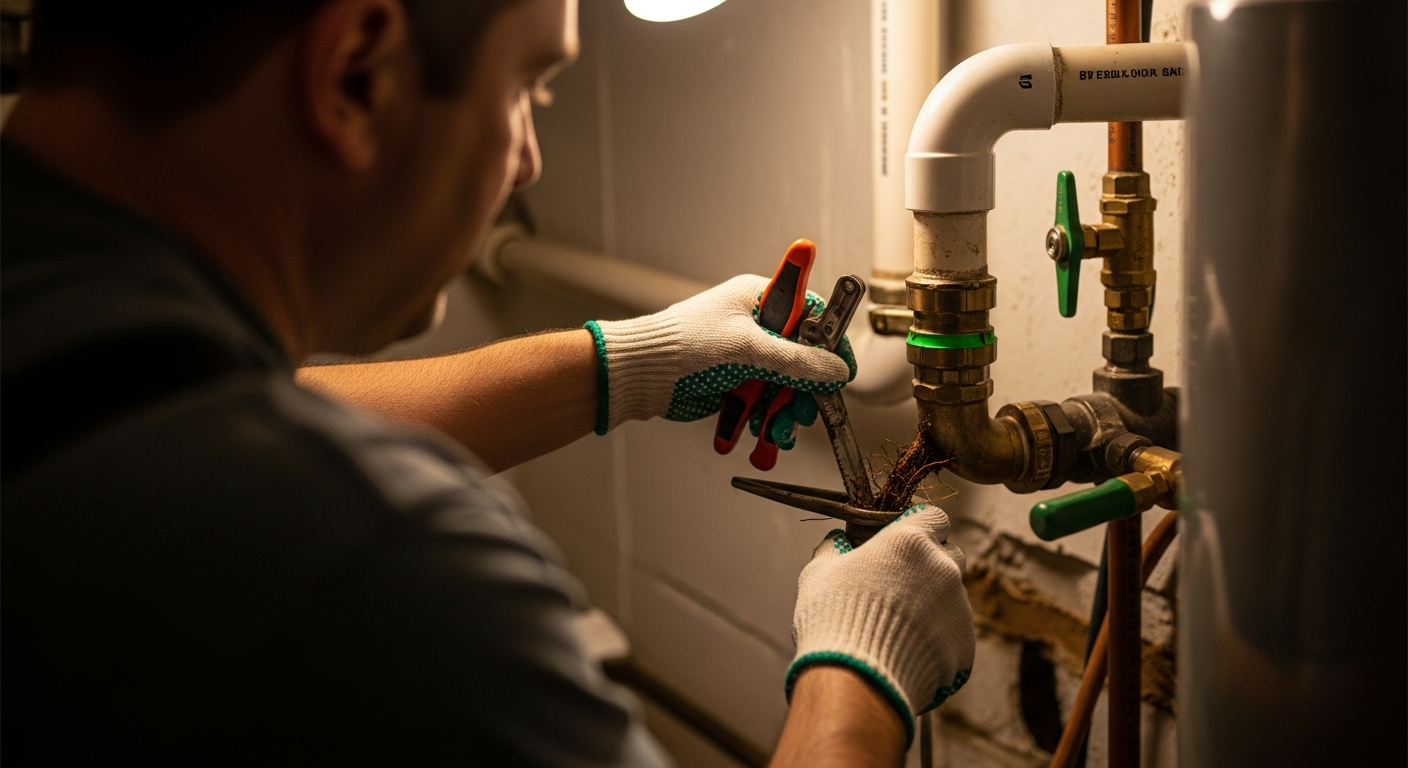
How quickly do tree roots grow into sewer pipes during Illinois summers?
A qualified plumber should assess root intrusion and the actual pipe condition. No fixed seasonal penetration or blockage timetable is established here.
What’s the average cost of sewage backup cleanup in Madison County?
Obtain an itemized quote for the actual sewage damage. Ask the insurer about applicable coverage and endorsements; no verified local average cost or guaranteed coverage is presented here.
Can I prevent tree root sewer backup without removing mature trees?
Ask a qualified plumber about maintenance and repair suitable for the actual line. Do not use an unverified chemical treatment or assume pipe replacement is required solely from age or nearby trees.
How do I know if my St. Jacob home has clay sewer pipes?
Confirm sewer lateral material through appropriate inspection and property records. No neighborhood-wide pipe inventory or universal visual identification rule is established here.
What should I do immediately after discovering sewage backup in my basement?
Keep out of sewage and do not enter standing water or touch wet electrical equipment to reach a breaker. Contact qualified professionals about electrical safety and cleanup; photograph damage only from a safe location.
Does homeowner insurance cover tree root damage to sewer lines?
Ask the insurer to review the actual cause, maintenance facts, policy and endorsements. Gateway documentation does not establish eligibility or guarantee a successful claim.
Sources (reviewed 2026-09-10): www.cdc.gov.