If you can already see mold, you usually need an inspection to find the moisture causing it, not a test to confirm what your eyes have established. The EPA states it plainly: in most cases, if visible mold growth is present, sampling is unnecessary.
That surprises people, because “mold test” is the phrase most homeowners reach for. This guide separates the two services, explains what each one can and cannot tell you, covers the handful of situations where sampling genuinely earns its cost, and shows why a lab number is a much weaker answer than most people expect.
What is the difference between a mold inspection and a mold test?
An inspection is a physical investigation of the building; a test is a laboratory analysis of a sample taken from it. The inspection answers where is the water coming from and how far has it gone. The test answers what was present at one spot at one moment. Only the first of those tells you what to fix.
| Mold inspection | Mold testing / sampling | |
|---|---|---|
| What it is | A visual and instrument-based survey of the building | Air, surface or bulk samples sent to a laboratory |
| What it produces | Moisture readings, thermal images, a map of affected areas, a scope of work | Counts and types of mold identified in the sample |
| Main question answered | Where is the moisture and how far has it travelled | What was in this sample at this moment |
| Finds hidden moisture | Yes: that is its purpose | No |
| Identifies the source | Yes | No |
| Tells you what to remediate | Yes | Not on its own |
| Compared against a legal limit | Not applicable | There is no limit to compare against |
| Typical use | Any suspected or visible mold problem | Clearance after remediation; hidden growth with no visible source; disputes |
The last two rows are the ones that change decisions, and they are worth spelling out.
Why does the EPA say mold testing is usually unnecessary?
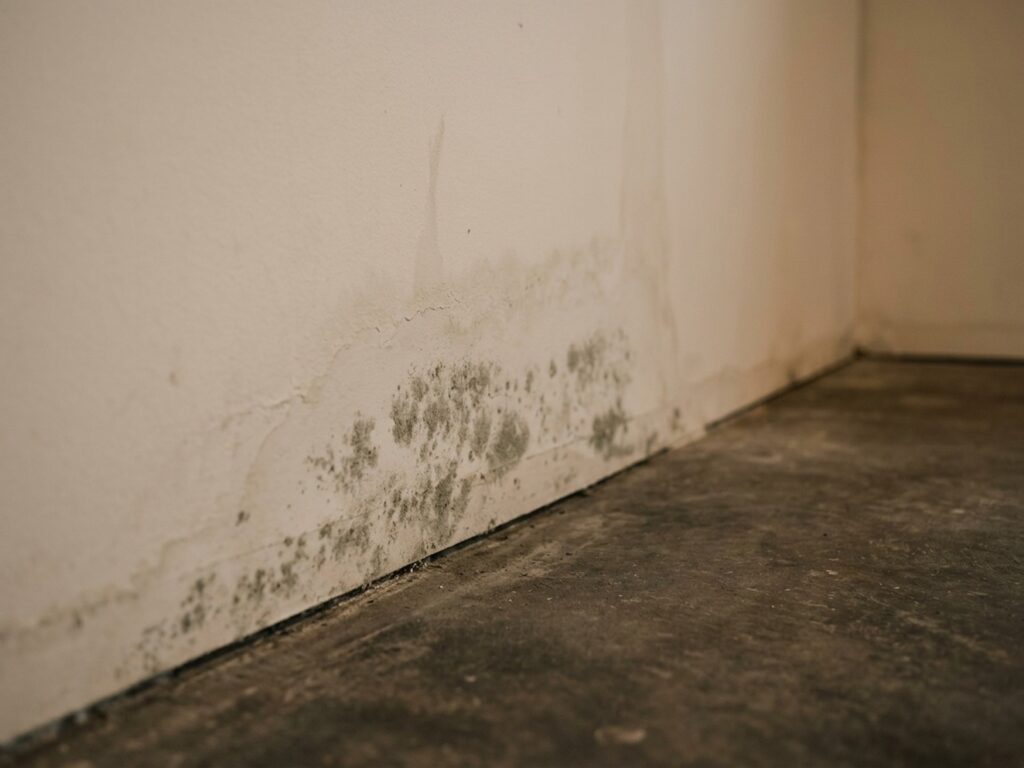
Because there is no standard to measure a result against, and because the remedy does not change based on the number. The EPA is direct about both points: no EPA or other federal limits have been set for mold or mold spores, so sampling cannot be used to check a building’s compliance with federal mold standards, and the agency’s guidance elsewhere confirms there are no federal regulations or standards regarding mold in residential settings.
That has a practical consequence. A lab report comes back with spore counts and genus names. There is no published threshold that makes a count “passing” or “failing,” so the interpretation falls back on comparison with an outdoor control sample and the judgment of whoever is reading it. Two competent professionals can read the same report differently.
Meanwhile the remedy is the same regardless of what the lab says. EPA’s guidance for homeowners is to fix the source of the water problem or leak to prevent mold growth and remove the growth. You do not remediate differently because a sample returned one genus rather than another.
There is one more thing a test cannot do, and it is the reason people are often disappointed by one: a mold test does not find the water. A sample taken in the middle of a basement tells you nothing about the failed flashing above the closet.
When is mold testing actually worth doing?
In four situations, all of which share a feature: something specific is in question that an inspection alone cannot settle.
- Post-remediation verification. The EPA notes that surface sampling may be useful to determine if an area has been adequately cleaned or remediated. This is the strongest case for sampling, and it is usually performed by a party independent of whoever did the remediation.
- A persistent odor with no visible growth. When the building smells of mold, the moisture investigation has come up short, and growth is suspected inside an assembly, air sampling can help direct where to open up.
- A transaction or a dispute. Real estate deals, landlord-tenant disagreements and insurance disputes sometimes need documentation from a third party rather than a contractor’s opinion.
- An occupant has been advised by a clinician to investigate the environment. Mold-related health questions belong with a doctor, not a restoration contractor. EPA’s overview of mold and health is the right starting reference, and any decision about an individual’s health is a medical one.
If you do sample, the qualification of whoever does it matters more than the lab. EPA recommends that sampling for mold should be conducted by professionals who have specific experience in designing mold sampling protocols, with analysis following methods recommended by recognized professional organizations.
What does a mold inspection actually include?
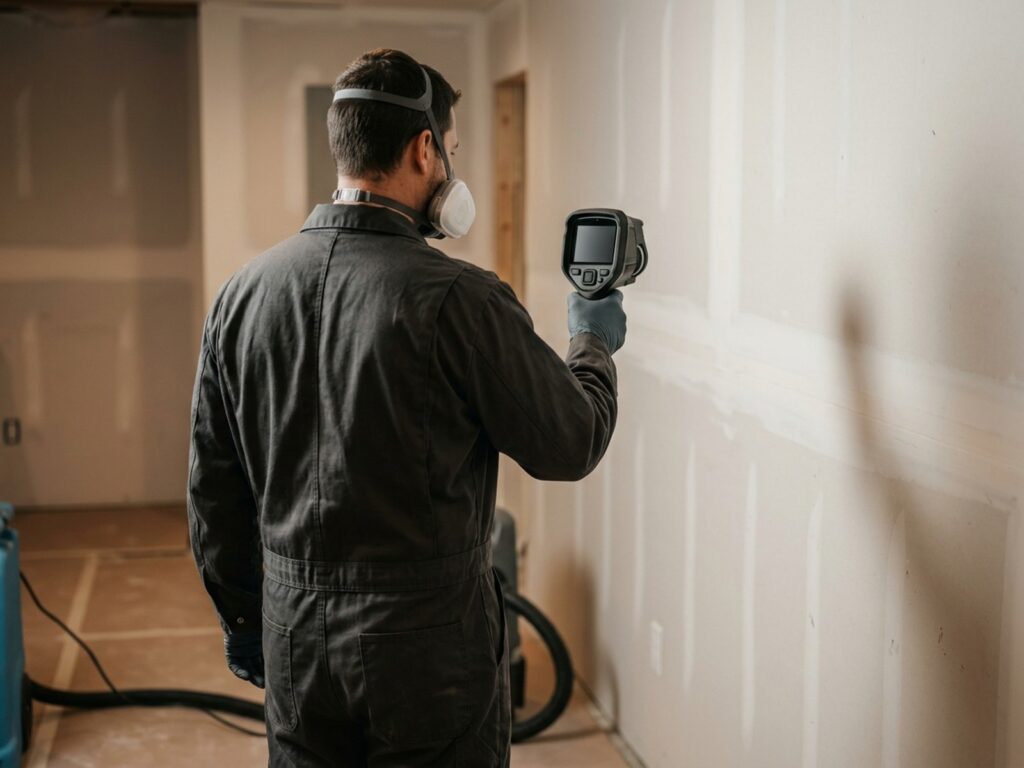
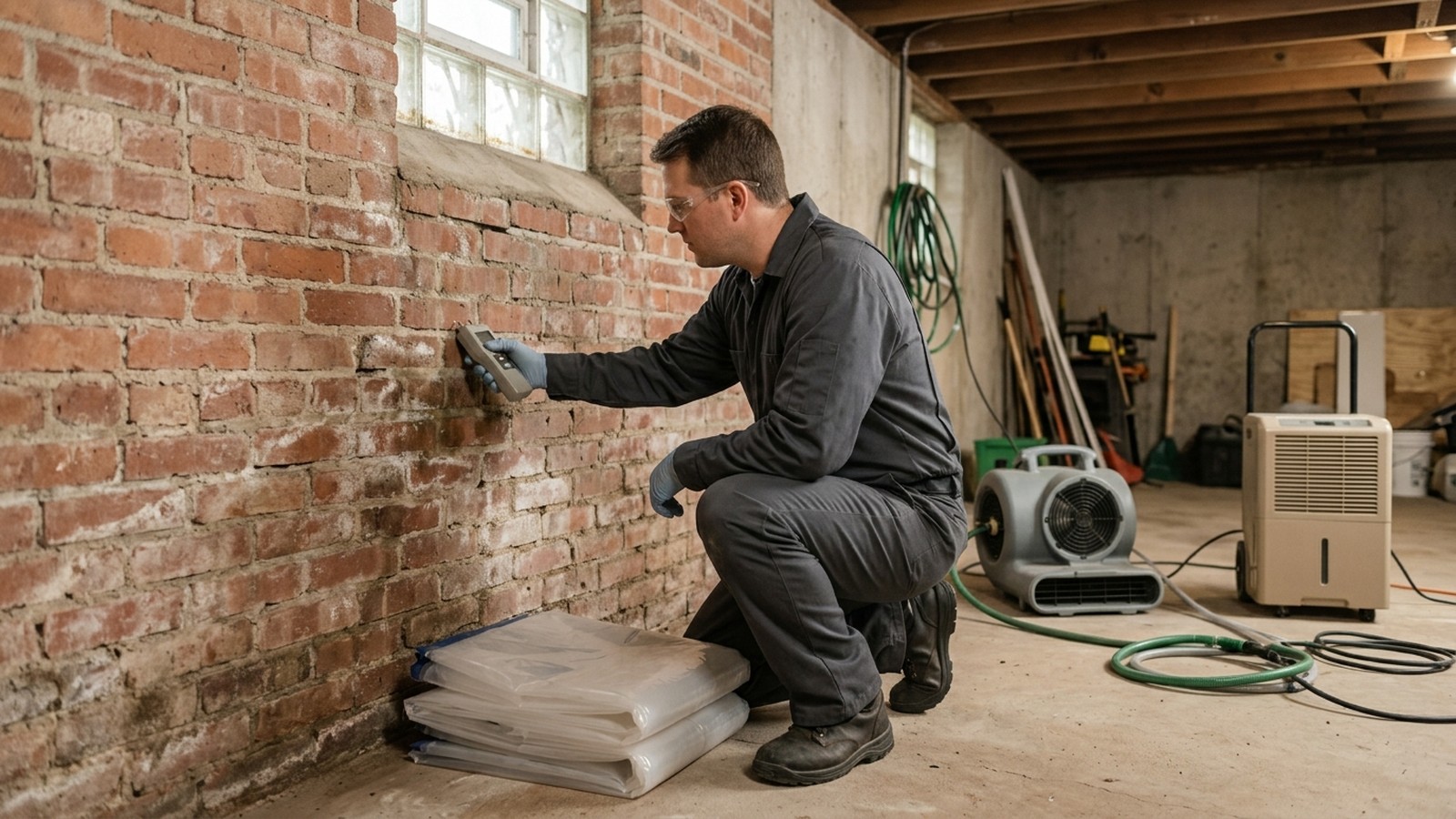
A moisture investigation, a documented extent of growth, and a written scope for what has to happen next. A good inspection spends most of its time on water, because the water is the cause and the growth is the symptom.
- Interview and history. What you noticed, when, and what happened before it: a leak, a flood, a roof repair, a long wet spring.
- Visual survey. Interior and exterior, with attention to the places water enters and collects: basements, crawl spaces, below-grade walls, under sinks, around windows, behind appliances, at ceiling and wall junctions.
- Moisture meters. Pin and pinless readings taken across affected and unaffected areas, so there is a baseline to judge against.
- Thermal imaging. Temperature differentials that reveal wet material behind a finished surface without demolition.
- Humidity readings. EPA’s control guidance is to reduce indoor humidity to 30–60% to decrease mold growth, and a basement sitting well above that range is a finding in its own right.
- Extent mapping and scope. What is affected, how far, what containment the work needs, and what can be cleaned versus what has to be removed.
If the inspection is part of a home purchase, pre-purchase mold inspection is scheduled differently and works to the timeline of an inspection period rather than a remediation schedule.
Do you need a professional at all for a small patch of mold?
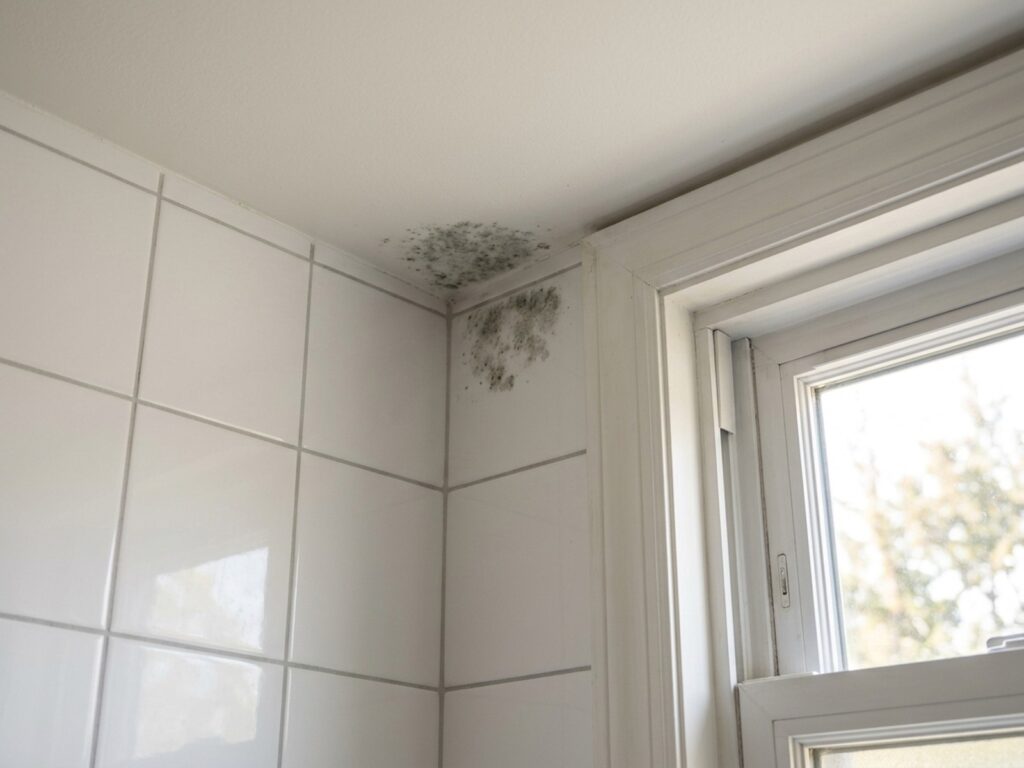
Not always. The EPA’s practical dividing line is area: if the moldy area is less than about 10 square feet (roughly a 3 ft. by 3 ft. patch), in most cases, you can handle the job yourself. Above that, or where the cause is not obvious, bring in a contractor.
Use professional help regardless of size when any of these are true:
- The growth followed sewage or contaminated water
- The growth keeps returning after cleaning, which means the moisture was never fixed
- You cannot find the water source
- It is inside an HVAC system
- The affected material is insulation, or it is inside a wall or ceiling cavity
- An occupant has been advised by a clinician to avoid the exposure
One caution on DIY: EPA advises that absorbent or porous materials, such as ceiling tiles and carpet, may have to be thrown away if they become moldy. Surface cleaning a porous material usually leaves growth inside it.
How do inspection and remediation fit together?
Inspection defines the scope, remediation executes it, and verification confirms it. Keeping those separate is what stops a job from being defined by whoever is selling it. An inspection that produces a written scope lets you compare proposals on the same basis instead of comparing three different descriptions of the problem.
Our article on mold removal versus remediation covers what happens after the scope is set, including why removing visible growth without correcting the moisture source reliably produces a return visit.
Frequently asked questions
Do I need a mold test if I can already see mold?
Usually not. EPA states that in most cases, if visible mold growth is present, sampling is unnecessary. The growth is confirmed and the remedy does not change based on a lab result. An inspection to find the moisture source is the more useful spend.
Is there a safe level of mold indoors?
No published federal standard exists to define one. EPA has set no limits for mold or mold spores, which is why a lab count cannot be compared against a regulatory threshold and why results are interpreted rather than scored.
What does a mold inspection cost?
It depends on the size of the property, how much is finished or below grade, and whether sampling is included, so it is quoted after the property is described rather than from a list. Gateway’s pricing page explains how our assessments are scoped.
Can a home inspector test for mold?
A general home inspector reports visible conditions and moisture indicators within the scope of a standard home inspection. A dedicated mold inspection goes further, with moisture mapping, thermal imaging and a written remediation scope.
How long does a mold inspection take?
Most residential inspections take between one and several hours depending on square footage, the number of below-grade and crawl spaces, and how much has to be accessed. Laboratory results, when sampling is part of the job, come back separately.
Should I test after remediation is finished?
Often yes, and this is the strongest case for sampling. EPA notes that surface sampling may be useful to determine whether an area has been adequately cleaned, and independent verification carries more weight than self-certification by the contractor who did the work.
Start with the moisture, not the lab
If you are weighing a mold test, the more useful first step is usually finding the water that is feeding the growth. That is the finding that changes what gets done. Gateway Water & Mold performs mold inspection across the St. Louis metro in Missouri and Illinois, with moisture mapping and a written scope you can act on or take to another contractor.
Call (314) 947-3419 to talk through what you are seeing.