Gateway/Pricing
What it costs.
Honestly.
Water-damage and mold-remediation pricing depends on the assessed scope. This page explains cost drivers and questions to ask about a written estimate and applicable insurance coverage.
What drives the number
Why is water damage
priced after an inspection?
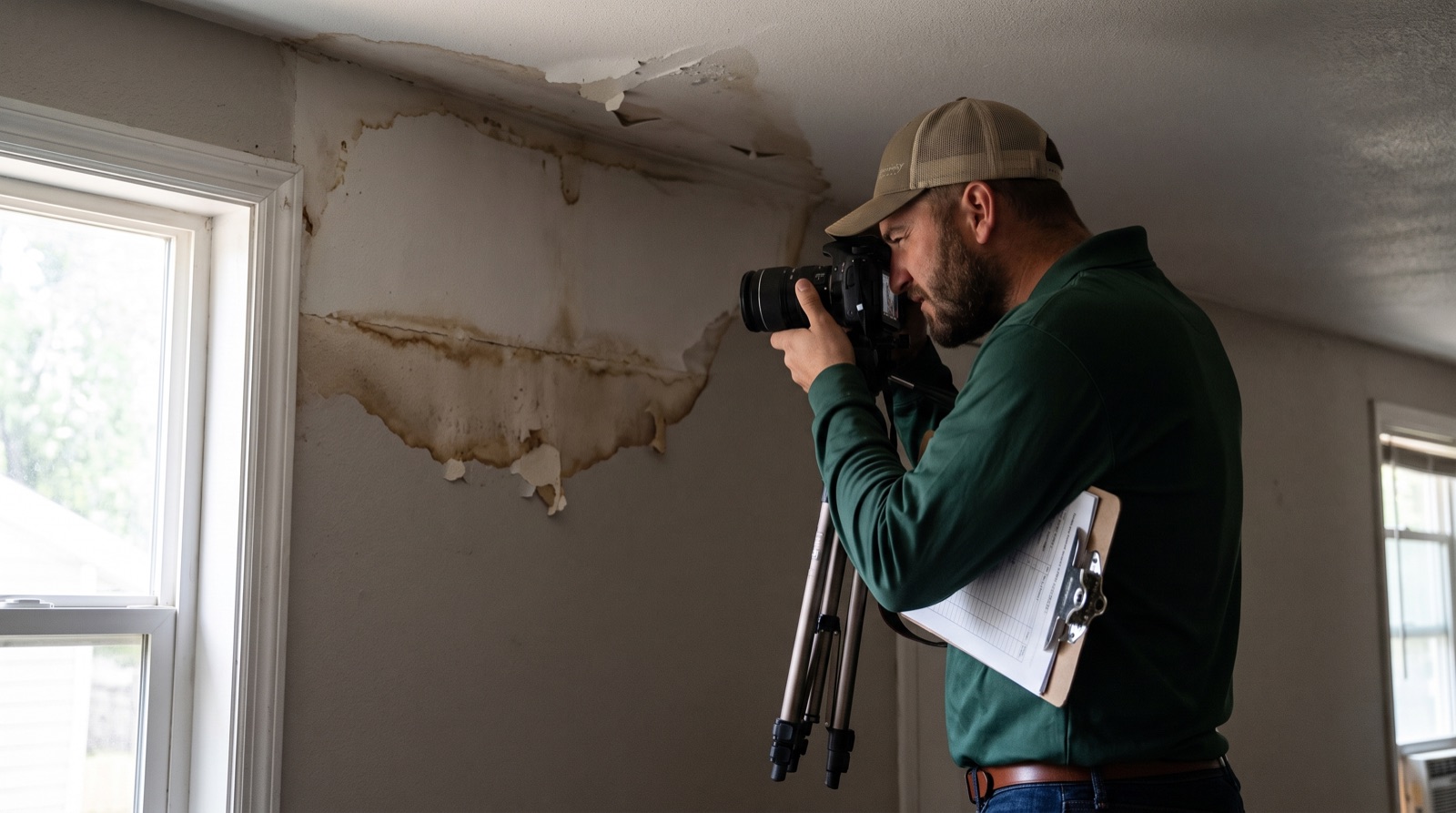
Mitigation pricing depends on the affected area, materials, contamination conditions, access, required work and monitored drying progress. A single-room leak and a whole-basement sewer backup can require substantially different scopes.
How affected area and saturation change the price
The affected area, standing water, material saturation and subfloor condition help determine equipment and crew needs. Contamination, access and the proposed work also affect the estimate.
How water category changes water damage cost
The water source and contamination conditions affect protective measures, cleaning and material-removal decisions. The written scope should explain the proposed work; an appliance name or an unknown source alone does not establish the category or a universal treatment requirement.
How drying time changes water damage cost
Drying duration varies with materials, saturation and site conditions. Ask how equipment charges are calculated and how moisture readings determine when equipment can be removed.
Insurance reality
What water damage costs
when insurance covers it
Coverage depends on the policy, endorsements and cause of loss. Confirm deductibles, limits, exclusions, settlement terms and the approved scope with the insurer. A restoration estimate supports review but does not guarantee full payment or fast approval.
Mold coverage may be limited or excluded depending on the policy and cause. Ask the insurer to confirm any applicable endorsement and limit before relying on insurance to fund the scope.
Coverage for gradual leaks, seepage and mitigation expenses depends on the policy and loss circumstances. Confirm exclusions and duties with the insurer rather than assuming a particular claim will be denied.
Out-of-pocket reference
How scope changes out-of-pocket costs.
Request a property-specific written estimate describing labor, equipment, removal, cleaning and any independent inspection or laboratory fees. Confirm which services are included and how changes to the scope are approved.
-
Mold inspection and air-quality test cost in St. Louis
Ask the independent inspector for a written sampling scope and quote, including laboratory fees. Gateway quotes remediation separately.
-
Small water mitigation (single room, Cat 1)
For a single-room clean-water loss, ask whether extraction, drying, monitoring and any selective material removal are included. The affected materials and measured drying progress determine the scope.
-
Mid-size water mitigation (multiple rooms, Cat 1–2)
For a multi-room or basement loss, ask how the estimate accounts for connected wet areas, equipment, monitoring and any required material removal.
-
Large mitigation or Cat 3
For a large or contaminated-water loss, obtain a written scope covering protection, removal, cleaning, disposal and drying as applicable to the assessed conditions.
-
Mold remediation (single area)
For a localized mold project, request an itemized remediation scope and confirm whether independent inspection, sampling, laboratory analysis and any clearance assessment are quoted separately.
-
Whole-home mold remediation
Whole-home remediation requires an assessment of the actual affected materials and scope. Independent sampling and laboratory analysis may inform that assessment where appropriate, but a lab result alone cannot determine whole-home work or a fixed price.
Get a water damage restoration quote in St. Louis
Call to discuss a water-damage restoration estimate and confirm any assessment fees. Emergency calls are answered around the clock.