
Why Summer Storms Hit St. Louis Homes Harder
Plan-driven, not panic-driven. The St. Louis metro and Metro East IL see an average of 40-50 thunderstorm days per year, with peak intensity from May through August. Heavy rainfall rates of 2-4 inches per hour overwhelm aging infrastructure, saturated clay soils, and window wells not designed for the volume. Gateway Water & Mold has responded to thousands of these events. We test for hidden moisture before demolition, document the exact insurance-required evidence, and restore properties faster than general contractors because professional water damage restoration is all we do.
Immediate Checklist After a Storm
Time is critical in the first 24-48 hours. Acting without a plan often leads to larger claims denials or secondary mold growth.
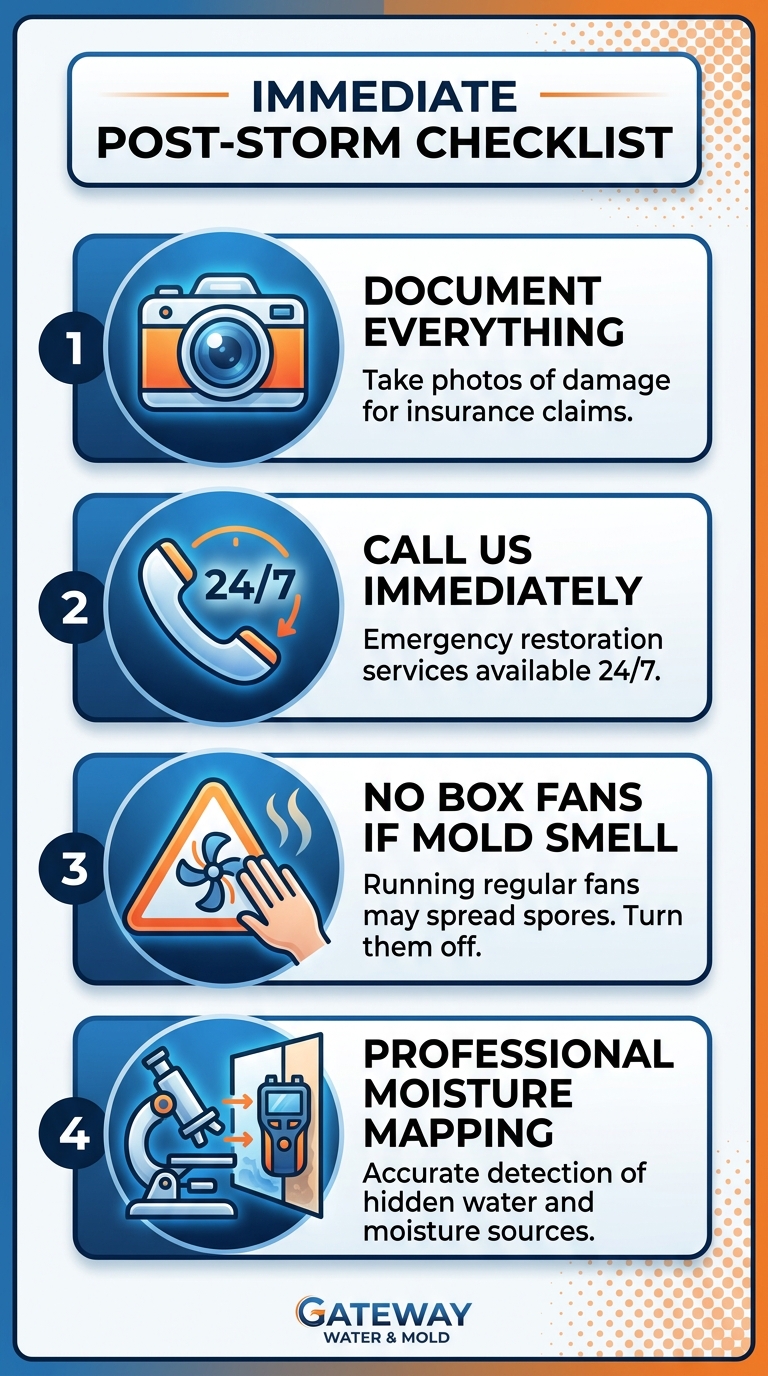
- Document everything with timestamped photos and videos before any cleanup begins — insurance carriers require proof of the ‘before’ state.
- Call a 24/7 local specialist immediately rather than waiting for business hours; Gateway answers live with no voicemail tree.
- Do not run box fans or dehumidifiers if you smell musty odors — this can spread mold spores throughout the HVAC system.
- Keep people and pets out of affected areas until professionals have mapped moisture with thermal imaging and tested air quality.
St. Louis Metro Summer Storm Patterns and Trends
The combination of humid subtropical climate, Mississippi River influence, and urban heat island effect makes the region prone to flash flooding and microbursts. Recent years have seen increasing frequency of 500-year rain events compressed into single afternoons. Older homes in Caseyville, Granite City, and Belleville are particularly vulnerable due to foundation settling and outdated drainage.
The 4 Most Common Types of Damage and How We Fix Them
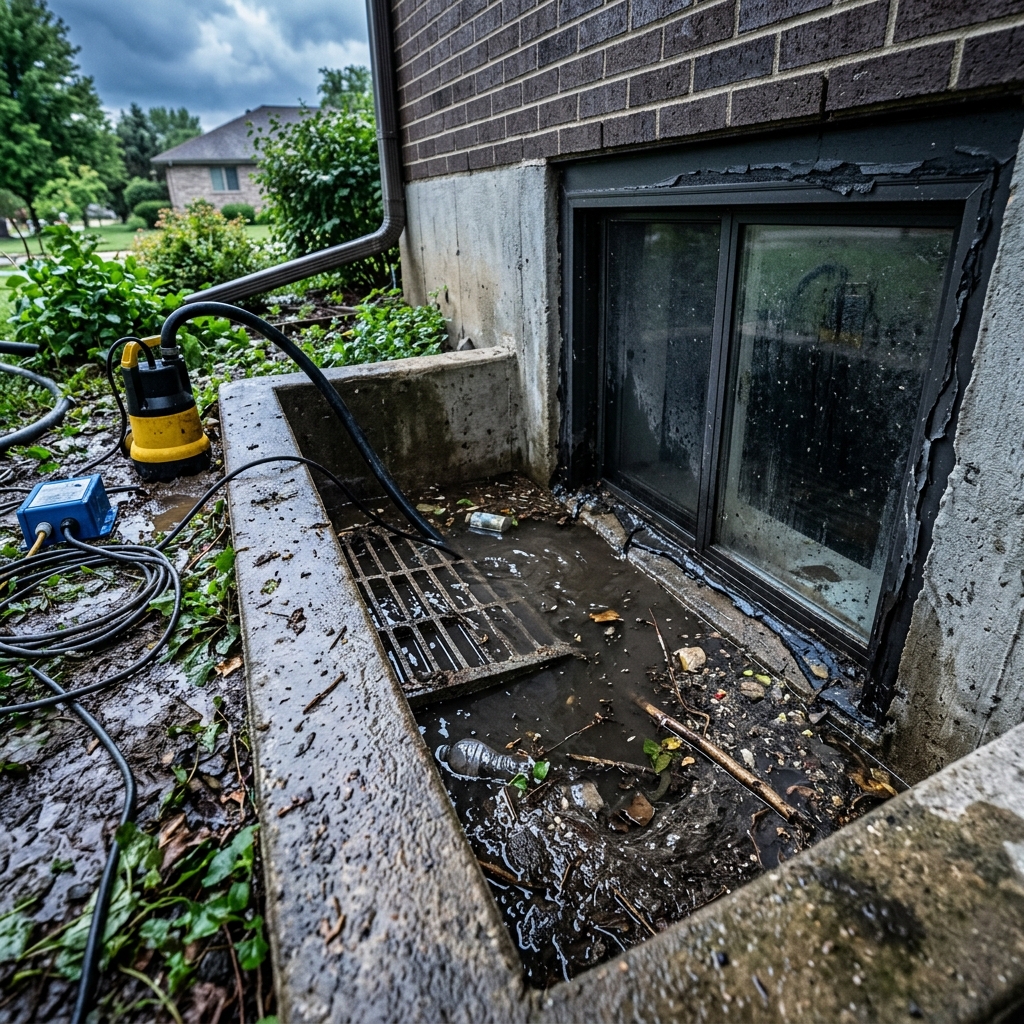
1. Basement Window Well Flooding: Debris-clogged wells allow 50+ gallons to enter in minutes. We use submersible pumps, sanitize, and install well covers with alarms.
2. Crawl Space Mold from Humidity Spikes: Post-storm humidity jumps to 80%+. We install vapor barriers, dehumidifiers, and apply EPA-registered antimicrobials after professional mold remediation confirms the extent of growth.
3. Sewer Backups from Tree Root Intrusion: Heavy rain + root growth = backups. Hydro jetting, pipe lining, and preventive root barriers solve it permanently.
4. Commercial Flat Roof Leaks: Ponding on EPDM or TPO roofs leads to interior damage. We coordinate with roofers while protecting contents and documenting for claims.
June Location Guides in This Cluster
Our team published detailed town-specific guides this month:
Caseyville Basement Window Well Flooding
Mascoutah Commercial Flat Roof Leaks
St. Jacob Tree Root Sewer Backups
and 15+ more across Madison, St. Clair, and Monroe counties. Each follows the same test-first, document-for-insurance, restore-fast methodology.
How Insurance Companies View Storm-Related Water Damage and Mold Claims
Most policies cover sudden water damage from storms but have exclusions for ‘long-term neglect’ or ‘mold above X dollars.’ The key is immediate documentation and professional moisture mapping within 72 hours. We build the exact file carriers want — photos, thermography reports, lab results, drying logs — which typically results in faster approvals and higher settlements than self-filed claims.
Prevention Strategies for Next Season
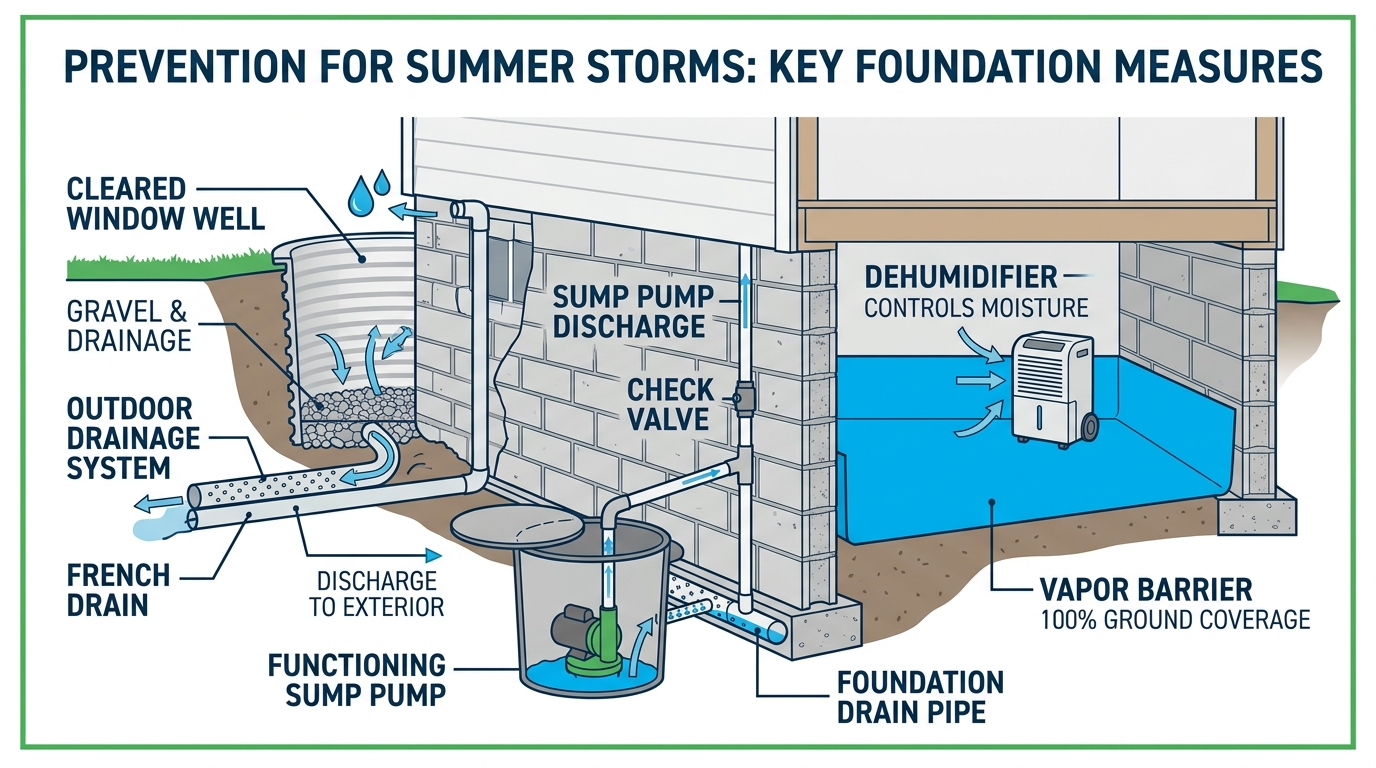
Prevention beats reaction. Top actions:
- Clear window wells of leaves and debris twice per year and schedule professional sump pump maintenance.
- Install sump pump check valves and battery backups.
- Maintain indoor humidity below 50% with whole-home dehumidification.
- Inspect and seal foundation cracks before storm season.
- Have your crawl space professionally encapsulated if it’s dirt or damp.
Gateway offers free prevention assessments — one visit can eliminate 80% of repeat claims.
FAQs About Summer Storms, Water Damage, and Mold in the St. Louis Area
How long after a flood does mold start growing?
Mold can begin colonizing damp materials within 24-48 hours. Professional drying within the first 72 hours dramatically reduces remediation scope and cost.
Will my homeowners insurance cover mold from a storm?
Most policies cover mold that results from a covered peril (sudden water damage from storm). However, limits are often $10k–$50k unless you have a specific mold rider. Proper documentation is essential.
Can I clean up basement flooding myself?
For small, clean-water events with no sewage or long standing time, limited DIY is possible. For anything involving Category 2/3 water, visible mold, or structural materials, professionals are required for insurance and health reasons.
What is the difference between water damage restoration and mold remediation?
Restoration focuses on drying, cleaning, and repairing after water intrusion — see our water damage restoration services for details. Mold remediation specifically addresses fungal growth, air quality testing, containment, and antimicrobial treatment. Most storm events require both.
Ready to Protect Your Home This Storm Season?
Don’t wait for the next alert. Call Gateway Water & Mold at (314) 947-3419 for a free storm preparedness assessment or immediate 24/7 response. Our certified technicians serve the entire St. Louis metro and all Metro East IL communities with the test-first approach that insurance companies trust.