Use this summer checklist to plan safe property-specific maintenance. It does not guarantee protection from storms or water damage.
What is a Summer Water Damage Prevention Checklist?
This checklist organizes inspection and maintenance questions for St. Louis metro properties. Actual conditions determine the work; no checklist guarantees prevention of leaks or damage.
What Should St. Louis Homeowners Check During Summer?
Assess actual roof, drainage and indoor moisture conditions. No universal seasonal outcome or local risk ranking is established here.
How to Inspect Your Roof for Summer Storm Damage
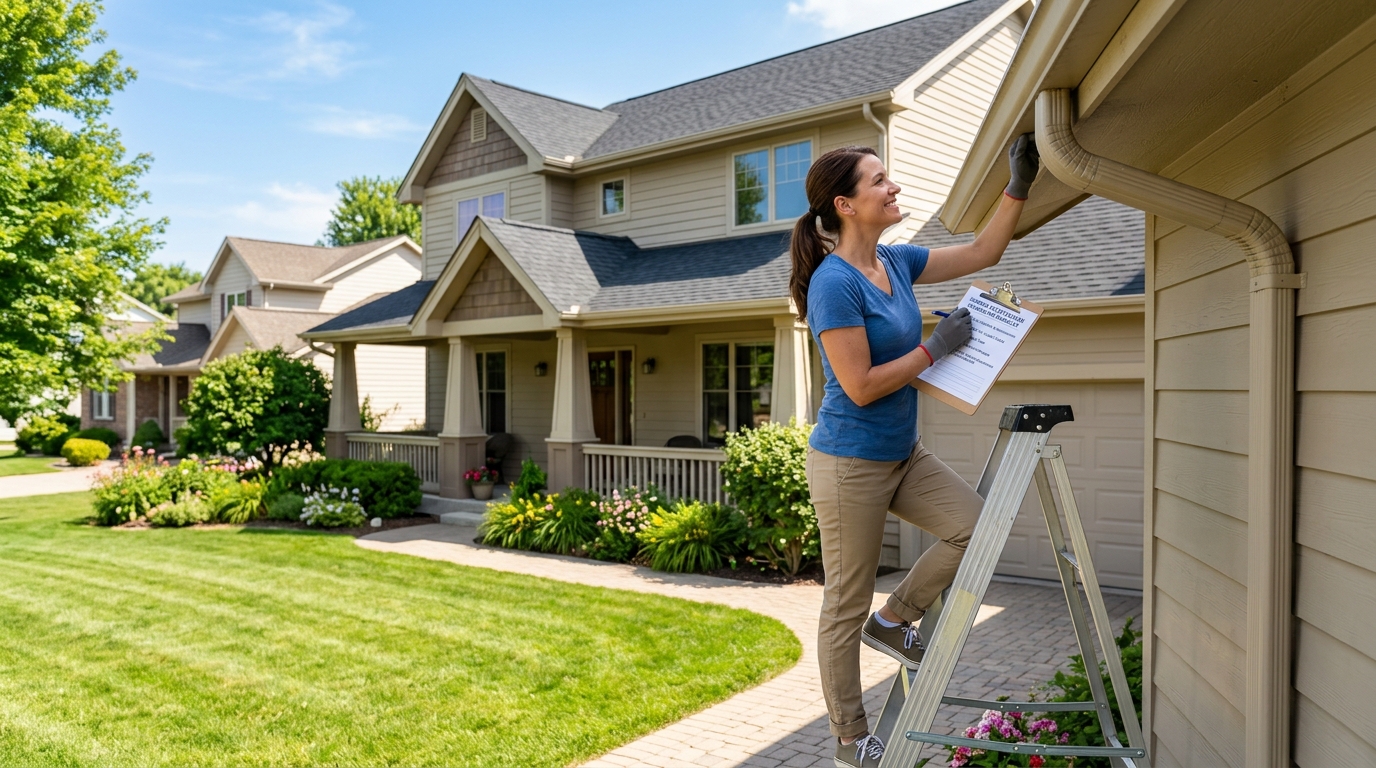
Observe roofing from a safe ground-level location and have inaccessible or damaged areas assessed by a qualified roofer.
Gutter Cleaning and Downspout Maintenance Before Summer Storms
Arrange safe gutter maintenance and property-specific drainage advice. No verified leading-cause ranking or universal discharge distance is established here.
Sump Pump Testing and Basement Waterproofing for Summer Humidity
Follow sump-pump manufacturer test instructions and have suspected drainage or foundation faults assessed before choosing equipment or repair materials.
Landscaping and Grading to Redirect Water Away from Your Foundation
Have grading and landscaping assessed for the actual site and applicable requirements before making changes.
HVAC Condensate Drain Line Cleaning to Prevent Indoor Leaks
Follow HVAC manufacturer maintenance instructions and use qualified service for suspected condensate faults. No improvised chemical flush or safety switch guarantees prevention of damage.
Emergency Shut-Off Valve Locations and Water Damage Response Plan
Know safe shutoff locations and emergency contacts, including Gateway for emergency water extraction. Do not enter standing water or touch wet electrical equipment; photograph damage only from a safe location.
Related Water Damage Prevention Services
Contact Gateway to confirm restoration scope and appropriate specialist referrals:
- Water Damage Restoration – Assessment, extraction and drying for affected materials.
- Mold Remediation – Assessment and remediation of affected materials; no prevention guarantee.
- Basement Waterproofing – Ask an appropriate specialist about property-specific options.
- Roof Leak Repair – Arrange assessment by a qualified roofer.
- HVAC Condensate Drain Cleaning – Use qualified HVAC service and manufacturer guidance.
Frequently Asked Questions About Summer Water Damage Prevention
How often should I clean my gutters in summer?
Arrange maintenance according to actual gutter condition, debris and safe access.
Can high humidity alone cause water damage?
Investigate observed condensation and dampness and ask about suitable moisture control. Humidity alone does not identify the source or extent of damage.
What’s the most common summer water damage claim in St. Louis?
No verified ranking of St. Louis summer claim causes is presented here. Assess the actual property and event.
How long do I have to act after a water leak to prevent mold?
Address wet materials promptly and arrange appropriate assessment. No fixed local deadline guarantees prevention of mold.
Does homeowners insurance cover summer storm water damage?
Ask the insurer to review the actual cause, policy, exclusions and endorsements. No general storm-coverage promise is established here.
Need Help with Summer Water Damage Prevention or Emergency Restoration?
Contact Gateway about emergency water extraction, mold remediation and assessment availability. Confirm scope and any charges before booking; immediate arrival is not guaranteed.
Sources (reviewed 2026-09-10): www.cdc.gov.