Gateway/Services/Storm damage restoration
Storm damage
restoration in St. Louis.
Gateway handles the water-restoration portion of storm damage: assessing water entry and affected materials, extracting water, drying and documenting the observed loss. Insurance decisions remain with the carrier under the policy.
Same operators as AirSense Environmental 145+ five-star reviews for sister company AirSense Owner IICRC WRT + ASD certified
Diagnosis
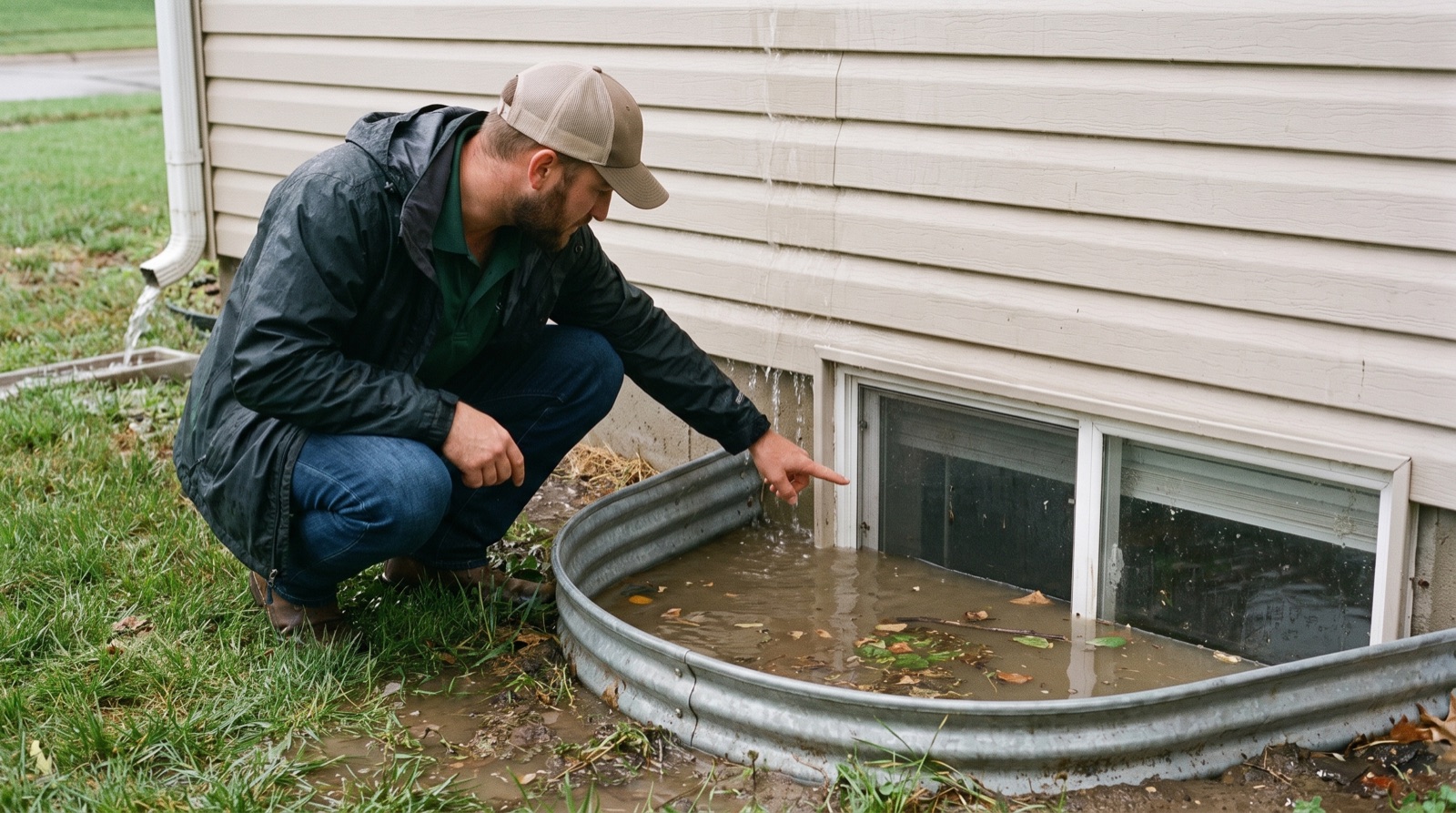
Finding where storm
water entered the house
- A sewer system overwhelmed by rain, backing up through the floor drain
- Groundwater rising faster than the sump can move it
- An egress window well overflowing into the basement
- An opening in the roof or a window the storm made
The water source and contamination conditions inform cleanup. Insurance coverage requires separate review of the policy and loss circumstances.
Scope
Who fixes the roof
after storm damage?
We can usually work around an active source while the trade that closes it is en route, though it does slow extraction down. Once the opening is sealed, drying actually holds.
On the rebuild we go either way: extraction only when you have your own contractor, or the full mitigation and reconstruction when you want one team.
The work
Storm water extraction
and structural drying
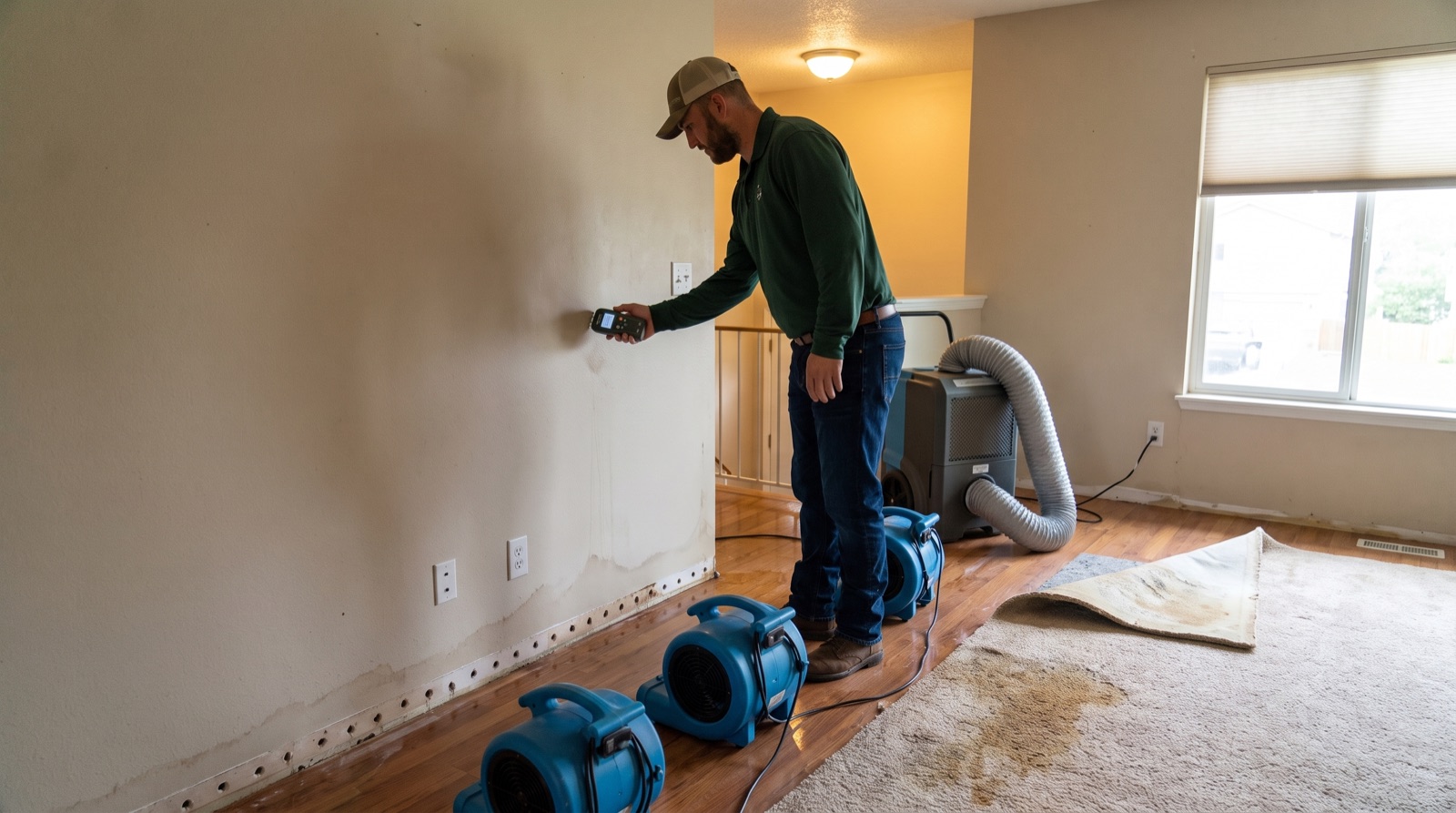
Truck-mounted extraction first, then selective tear-out of saturated drywall, insulation, base trim, and pad.
Drying equipment is selected for the affected materials and conditions, with progress monitored against an appropriate drying target. Completion time depends on the property and loss.
Contamination
When a storm backs up the
sewer into your basement
Storm-related sewer backups require assessment of contamination and affected materials. Confirm the actual sewer connection and loss source rather than assuming a citywide system type.
Full protocol on our sewage cleanup page.
Coverage
What does a storm damage
insurance claim pay for?
Coverage can differ for sewer backup, surface flooding, sump overflow and seepage. Confirm the applicable policy, endorsements and actual cause with the carrier.
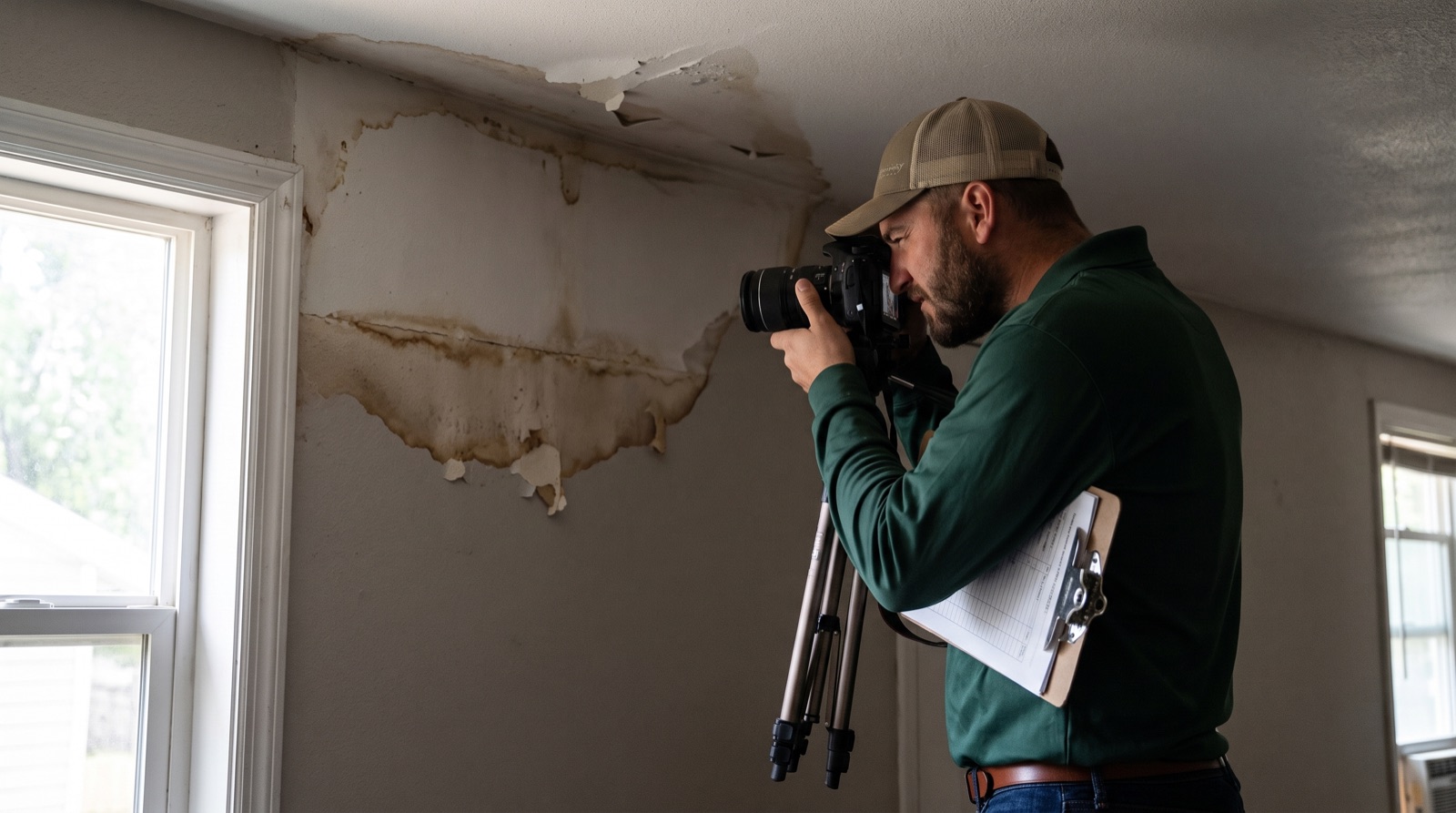
Gateway documents the observed source and affected materials. The time needed to establish the cause varies, and the insurer determines coverage.
Common questions
Storm damage restoration questions
What does Gateway handle after storm damage?
The water side: finding where water entered, extracting it, drying affected materials and documenting the loss. Roof, window and exterior repairs go to the trade that closes the opening.
Can drying start before the roof is repaired?
Often, while the trade that closes the opening is on the way, though an active source slows extraction. Drying holds once the opening is sealed.
Does insurance cover storm water damage?
Coverage can differ for sewer backup, surface flooding, sump overflow and seepage. Confirm the policy, endorsements and actual cause with the carrier; Gateway documents the observed source and affected materials.
Do you do the rebuild after storm damage?
Either way: extraction and drying only when you have your own contractor, or mitigation and reconstruction when you want one team. Confirm which in the written scope.
Who at Gateway is IICRC certified?
Owner Jake Lusby holds IICRC certifications in Water Restoration Technician (WRT) and Applied Structural Drying (ASD). Ask who will lead your job and which certifications they hold.
How long does storm damage restoration take?
The drying part usually takes days, and we track it with moisture readings rather than a set schedule. The total time depends on the roof or window repair, since drying can start before the roof is fixed but rebuilding inside should wait until the building is sealed, and on how quickly the insurance claim moves.
Storm put water in your house? Storm damage restoration in St. Louis
Call before it sits overnight. Live phone, twenty-four seven.