Gateway/Services/Sewage cleanup
Sewage cleanup
in St. Louis.
Sewage cleanup in St. Louis is not a wet-carpet problem. Sewer water is Category 3, contaminated, and most of the porous material it soaked cannot be cleaned and put back. We are trained and equipped for that, and we run it as its own protocol.
Same operators as AirSense Environmental 145+ five-star AirSense reviews BBB accreditation via AirSense IICRC-trained Gateway crew
The difference
Why is sewage cleanup different
from clean water damage?
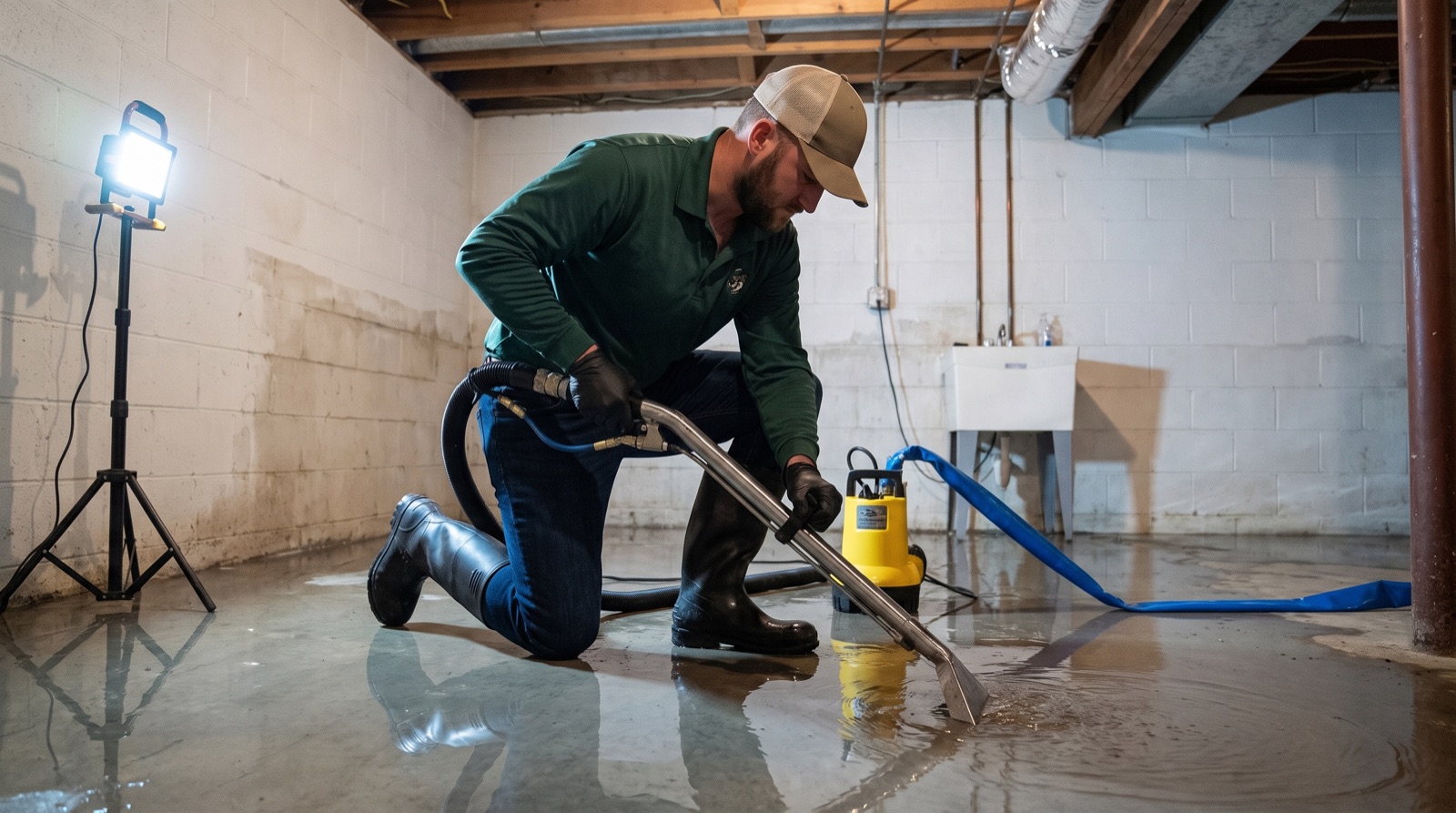
Category 3 water carries a different risk than a burst supply line, so it gets different equipment, different chemicals, different PPE, and different disposal.
Treating a sewer backup like a clean-water flood is a real mistake. Do not try to clean Category 3 water yourself.
The scope
What has to be removed
after a sewage backup?
- Saturated carpet and pad, which cannot be sanitized back to safe
- Drywall removal height determined by contamination, affected materials and moisture findings
- Soaked insulation and wet base trim
- Contents inventoried, salvageable items moved to a dry area on drop cloths, unsalvageable items photographed before disposal
After the tear-out
How a sewage backup
is sanitized and dried
Select cleaning and antimicrobial methods for the actual contamination and materials. Follow applicable product-label instructions and control the moisture source.
Then air movers and dehumidifiers sized to basement moisture loads, monitored daily until every affected material hits equilibrium.
Local cause
Why St. Louis basements
take the sewer backflow
A sewer backup can enter through low plumbing openings when the system cannot carry the flow. Have the actual cause and sewer connection assessed rather than assuming a combined system serves every property.
Ask a qualified plumber whether a backwater valve or another repair is appropriate for the property. Obtain a site-specific quote; Gateway does not install these devices.
Coverage
Why sewer backup coverage
is its own policy rider
Check the policy and any sewer-backup endorsement for coverage, limits and exclusions. Do not assume that a local policy includes this protection.
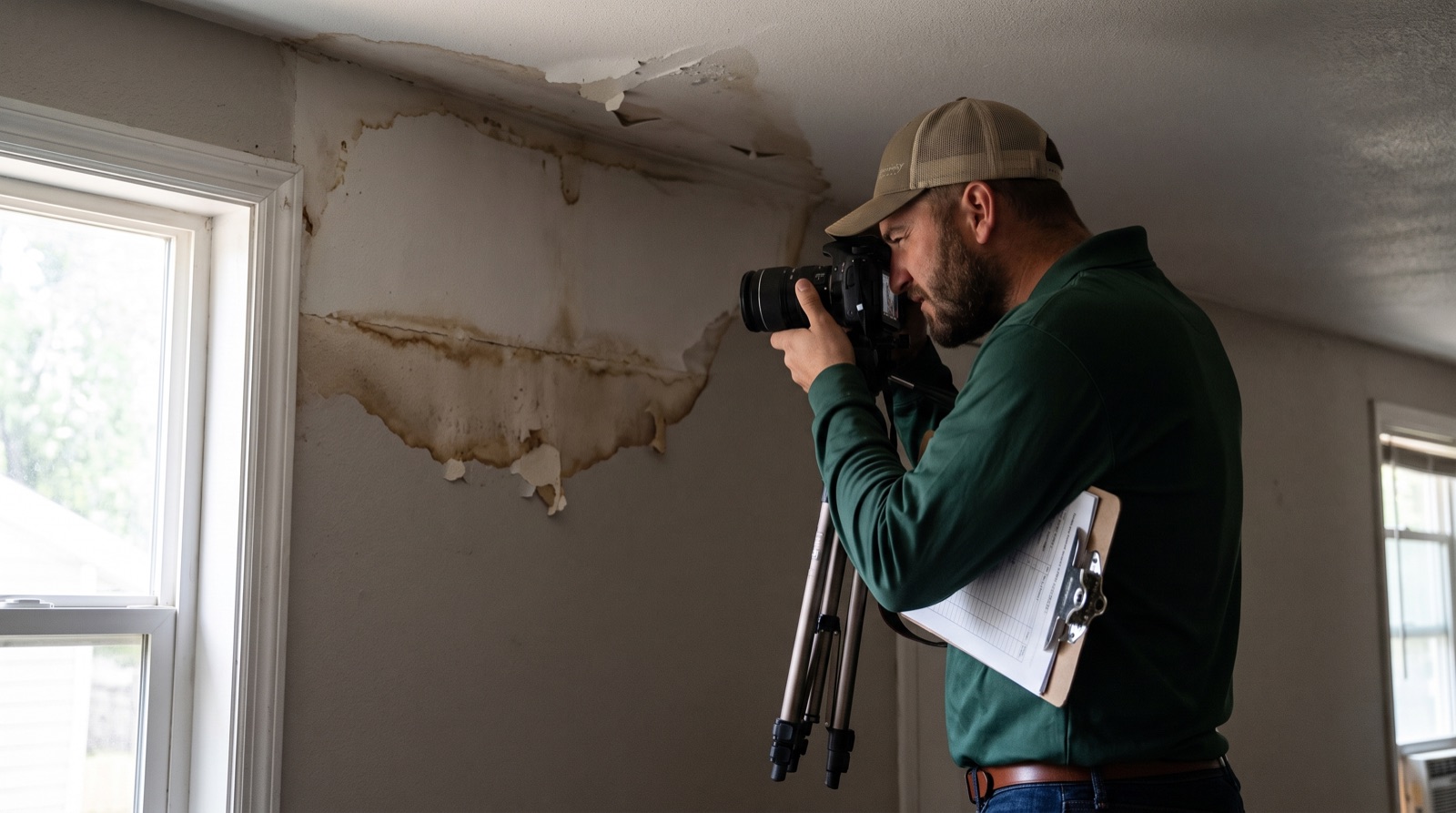
Cleanup documentation can include observed contamination and source photographs. These support review without determining approval. See our insurance claims page.
Related
When the basement
water was not sewage
Other basement-water sources also require assessment of contamination and affected materials. See basement flooding or sump pump failure cleanup for related services.
Emergency sewage cleanup in St. Louis
Do not clean it yourself. Live phone, twenty-four seven.