
Gateway/Services/Mold remediation for rental properties
Mold remediation
for rental properties.
An independent inspector or industrial hygienist collects mold samples; an independent laboratory analyses them. Gateway handles moisture assessment and remediation, using the independent findings to inform the scope.
A rental-property mold concern needs documented findings and a defined remediation scope. An independent inspector or industrial hygienist collects samples where appropriate, and an independent laboratory analyses them. Gateway performs moisture assessment and remediation.
Same operators as AirSense Environmental 145+ five-star AirSense reviews BBB accreditation via AirSense IICRC-trained Gateway crew
First
When sampling may inform rental mold remediation
The stain a tenant photographed might be active growth. It might be mineral residue from years of dampness, or biological staining that is already dead.
Ask the independent inspector for a written sampling scope and quote, including laboratory fees. Gateway quotes remediation separately.
The trigger
What starts most
rental mold complaints?
- A tenant reporting a smell that has been there for weeks
- Something found at turnover, between one tenant and the next
- An inspector or an adjuster telling somebody to get it tested
- A water event that was cleaned up late, or dried incompletely
Incomplete drying after a water event can leave concealed moisture. Assess the actual affected materials rather than assuming the cause of a tenant complaint.
Occupied units
Mold remediation around
tenants in a rental
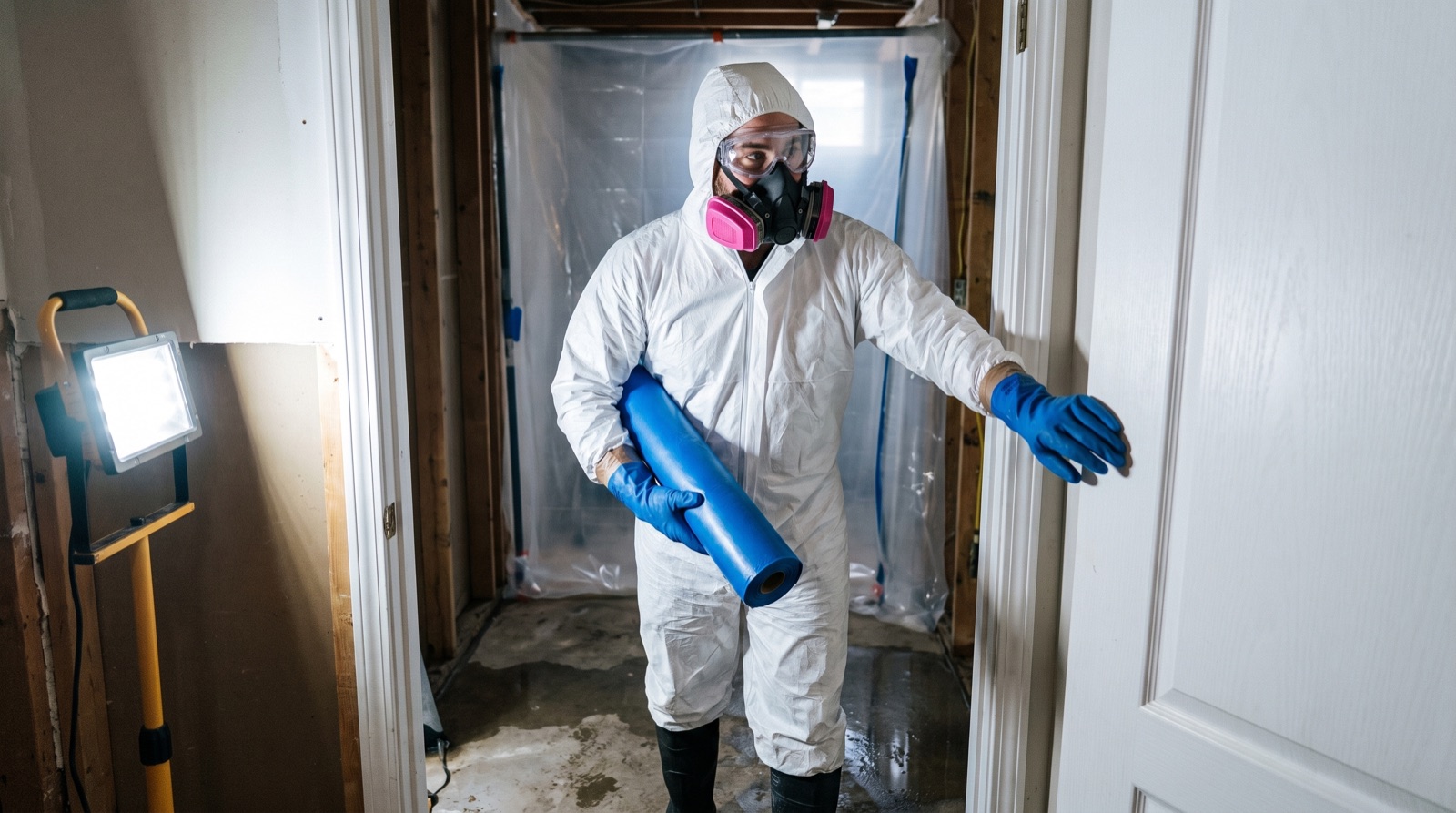
Active growth gets containment, HEPA negative-air machines, removal of what cannot be cleaned, and antimicrobial treatment.
On an occupied building that has to be planned around people still living there, including which rooms come out of use and when.
The proof
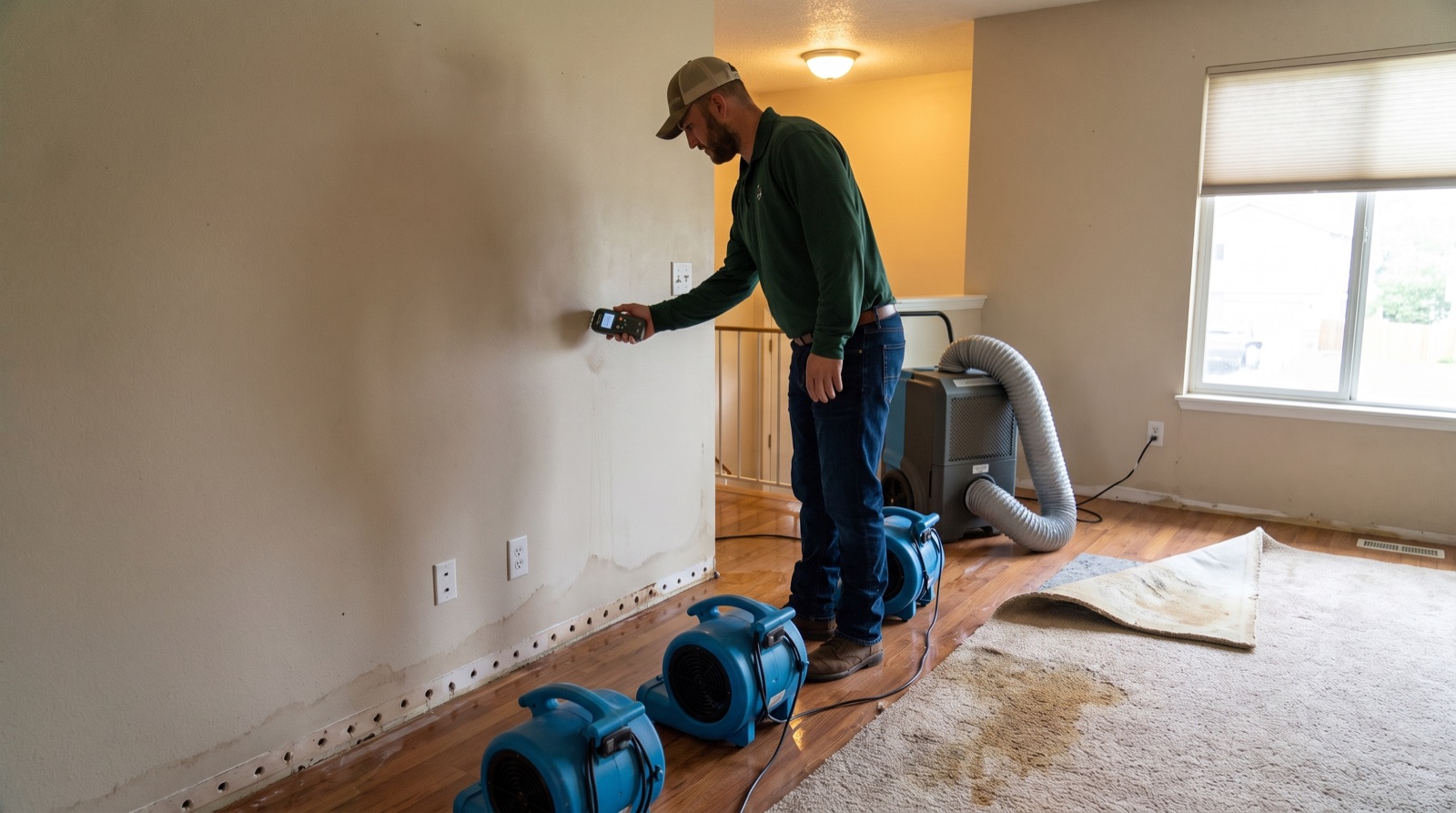
Documenting completion of rental mold remediation
Document the completed remediation and discuss appropriate post-remediation assessment with the independent inspector. Sampling may inform that review but does not certify that a property is free of all mold or health risks.
Discuss site-specific re-occupancy requirements with the remediation team and independent inspector. For personal health concerns, consult a qualified healthcare professional.
The file
Mold remediation documentation
for a landlord’s record
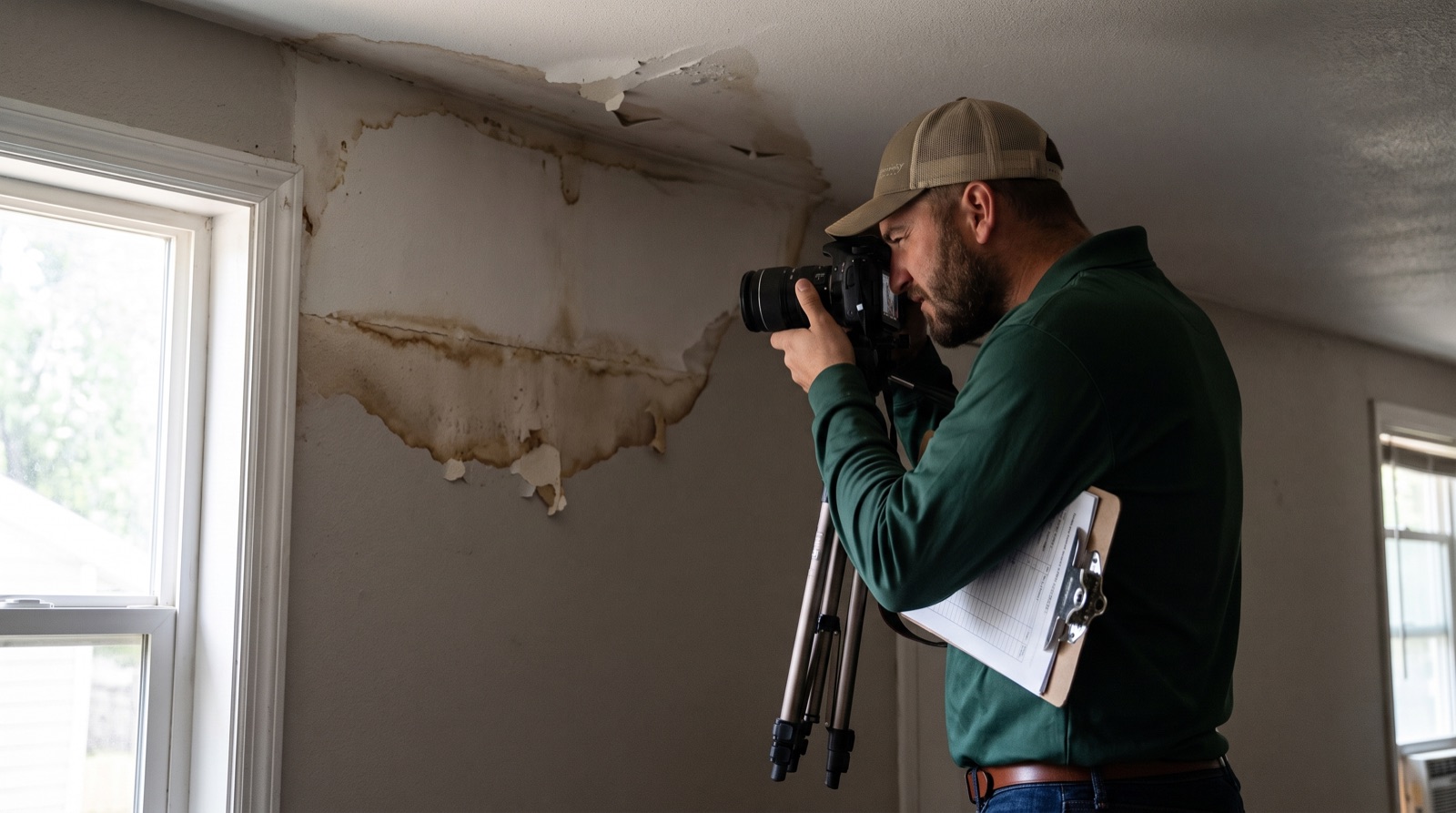
Sample results, the areas tested, the scope of what was removed, photographs, and the clearance report.
If a tenant dispute or a sale comes later, that file is the answer to what was found and what was done about it.
Multi-unit
How mold spreads through
shared walls and shared HVAC
Concealed moisture and shared building systems may affect the inspection scope. The independent inspector determines whether sampling beyond the reported room is useful.
Mold coverage, exclusions and any limits depend on the actual policy and endorsements. Confirm them with the insurer. See mold inspection for information about independent sampling.
Mold remediation for St. Louis rental properties
Discuss the concern and appropriate inspection scope. Call Gateway for remediation questions.