
Gateway/Basement Flooding/Webster Groves
Basement Flooding
in Webster Groves, MO.
Basement flooding cleanup for Webster Groves, MO. Source diagnosis first, sump failure, sewer back, footing seepage, or surface water; then extraction, drying, and source coordination. We work Old Webster (Lockwood/Gore), Central Webster Historic District, Webster Park, and the rest of the metro the same way.
If flooding has spread beyond the basement, our Webster Groves water damage restoration team can handle extraction, structural drying, moisture readings, and cleanup documentation together.
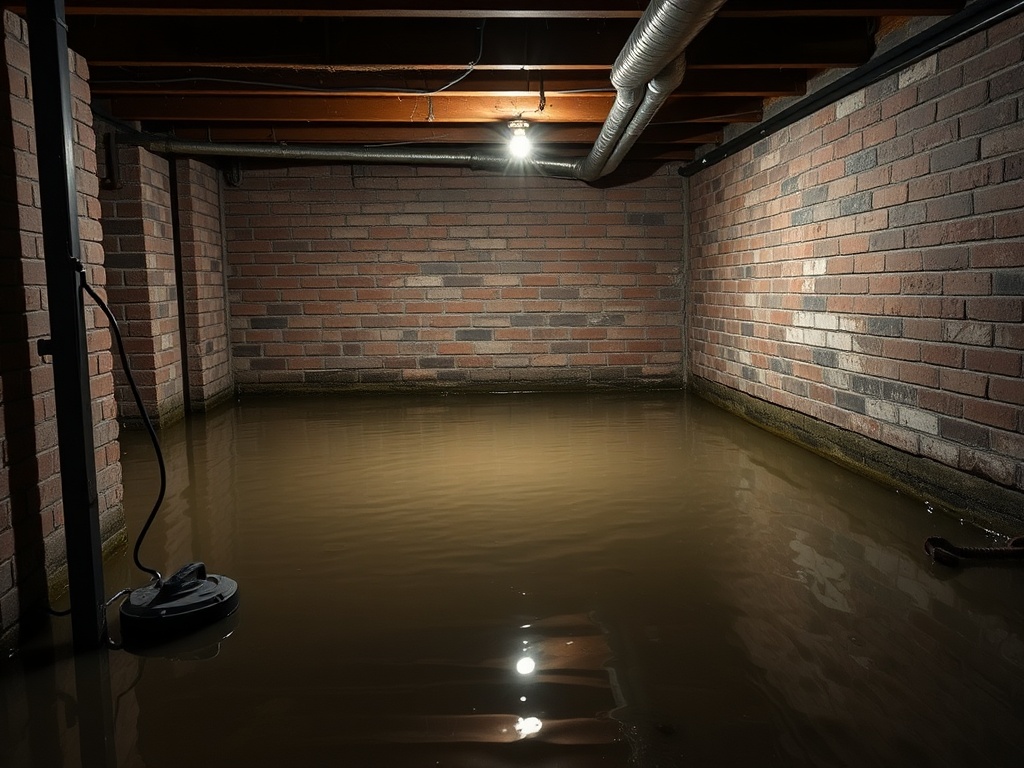
A typical Webster Groves call
How a Webster Groves
basement flooding cleanup call runs.
Basement flooding in Webster Groves combines combined-sewer surcharge in older central sections, groundwater seepage through old limestone foundations, and Deer Creek and Shady Creek flash-flood exposure on the north edge. Pre-1940 limestone-foundation basements seep through mortar joints during sustained wet periods. We extract first, identify the source, and document for the carrier file. The mature tree canopy across Old Webster and Webster Park drives high root-intrusion lateral backup rates. Rebuild conversations include sump capacity, backwater valve installation, and exterior drainage refresh. Category 3 protocols apply when sewer backup is the source, and the scope captures the actual loss conditions for the carrier file. The Webster College area and Central Webster Historic District share similar profiles, and the rebuild addresses underlying infrastructure issues rather than just the immediate damage. Moisture readings continue daily until structural moisture hits dry standard.
Basement Flooding Cleanup in Webster Groves.
Webster Groves basement flooding is driven primarily by root-intrusion backups through the 100+ year clay sewer laterals under the mature canopy, followed by combined-sewer surcharge during heavy rain in the older central sections. Limestone-foundation seepage through mortar joints during sustained rain adds a third chronic source. The Deer Creek and Shady Creek floodplain corridors on the north edge create additional surface-water exposure in localized sections. Source diagnosis matters because Category 3 backup and Category 1 seepage demand very different scopes.
What that means on a call
We typically discuss backwater valve recommendations after any backup event given the documented backup frequency across the older central neighborhoods. The Old Webster and Central Webster Historic District properties have the longest documented backup histories. Sump pump replacement is a routine post-extraction conversation on the later poured-concrete basements where the original perimeter drainage has clogged.
Questions Webster Groves homeowners ask.
Webster has combined sewer in the older sections. Our 1905 home backed up. Allstate is our carrier. Will they cover historic plaster restoration?
Allstate covers the resulting damage including plaster repair under your sewer backup rider, up to the limit. Where it gets tricky is that historic plaster restoration costs more per square foot than drywall, so the rider limit gets consumed faster. We write the scope at actual local plaster repair costs, not modern drywall pricing. The carrier may push back on per-unit pricing but documented historic restoration craft pricing is the right scope. If the rider limit is exhausted, the remaining cost is out of pocket.
Our Tuxedo Park lateral has rooted out twice. Plumber spot-repaired both times. Is full lateral replacement the right call?
Operator opinion, for a Webster Groves property with two root intrusion events, yes. Spot repairs leave the rest of the line vulnerable, and the next root intrusion is just a matter of time. Full lining or replacement runs higher upfront but ends the cycle. We do not do plumbing work, we respond to the consequences. Each backup loss runs into thousands in restoration plus disruption. After the third call to the same address, we tell the homeowner straight that lateral work pays for itself fast.
Our 1898 Webster Park Queen Anne has a brick foundation that has seeped for decades. Owner before us painted over efflorescence. Mold concern?
Painting over efflorescence does not stop it, the salts continue pushing through the paint and eventually flake it off. That is not mold, that is mineral crystallization. Mold concern in a chronically damp Webster Park basement is on organic materials, framing, stored items, paper-faced insulation, and any wood furring against the brick. We meter and inspect those surfaces. If growth is confirmed, S520 scope. The brick itself usually does not host mold but the materials in contact with it often do.
“We don’t tell you it’s mold because it looks like mold. We use independent findings, we plan, and we tell you what you don’t need to remediate.”
What’s included
What every Webster Groves
basement flooding response job covers.
Every Gateway basement flooding response job in Webster Groves runs to the same standard, same equipment, same documentation, same reputation backing every step. The full scope and FAQ live on our main basement flooding page; the short version is below.
- Source diagnosed first, sump failure, sewer back, footing, or surface water
- Category 3 sewer containment when applicable, PPE per IICRC S500
- Standing water extracted, affected materials removed to clean cut
- Antimicrobial, dehumidified, and verified dry before equipment leaves
- Coordination with backflow/sump repair pros if the source needs fix
How calls run in Webster Groves
What are the six steps in basement flooding in Webster Groves, MO?
- 01
Basement flooding source diagnosed first
Before we extract a gallon, we identify the source, sump failure, sewer backup, foundation seepage, or surface water. Wrong diagnosis means it floods again.
- 02
Standing water extraction from the basement
Truck-mount on the largest jobs. Standing water out within the first hour on-site.
- 03
Cat-3 containment if sewer.
Sewer backups get poly containment, negative air, and PPE before we cross the threshold. Non-negotiable.
- 04
Removing flood-affected basement materials
Drywall, insulation, carpet, pad, anything porous below the high-water line comes out and is documented for the claim.
- 05
Antimicrobial treatment and basement dry-out
Two-step antimicrobial application, then LGR dehumidifier and air mover stage until subfloor passes dry standard.
- 06
Source repair coordination after basement flooding
We coordinate with your plumber or waterproofing pro on backflow valves, sump replacement, or foundation work, so it doesn’t happen again.
Other St. Louis cities we cover
Where we do basement flooding
across the St. Louis metro
Webster Groves address. Water emergency.
Live phone, twenty-four seven. We’ll dispatch the nearest crew the moment we hang up.
Related service information
See our basement flooding cleanup service and process for the complete scope of work.
For other needs at this property, explore all water damage and mold services in Webster Groves, MO.
Relevant completed work
Webster Groves, MO project
- Loss
- Combined sewer backup during a heavy rain event. Three feet of contaminated water.
- Response
- 74 min
- Result
- Selective demo, full antimicrobial treatment, structural drying. Insurance file delivered Xactimate-aligned; carrier approved on first review.