
Gateway/Basement Flooding/Crestwood
Basement Flooding
in Crestwood, MO.
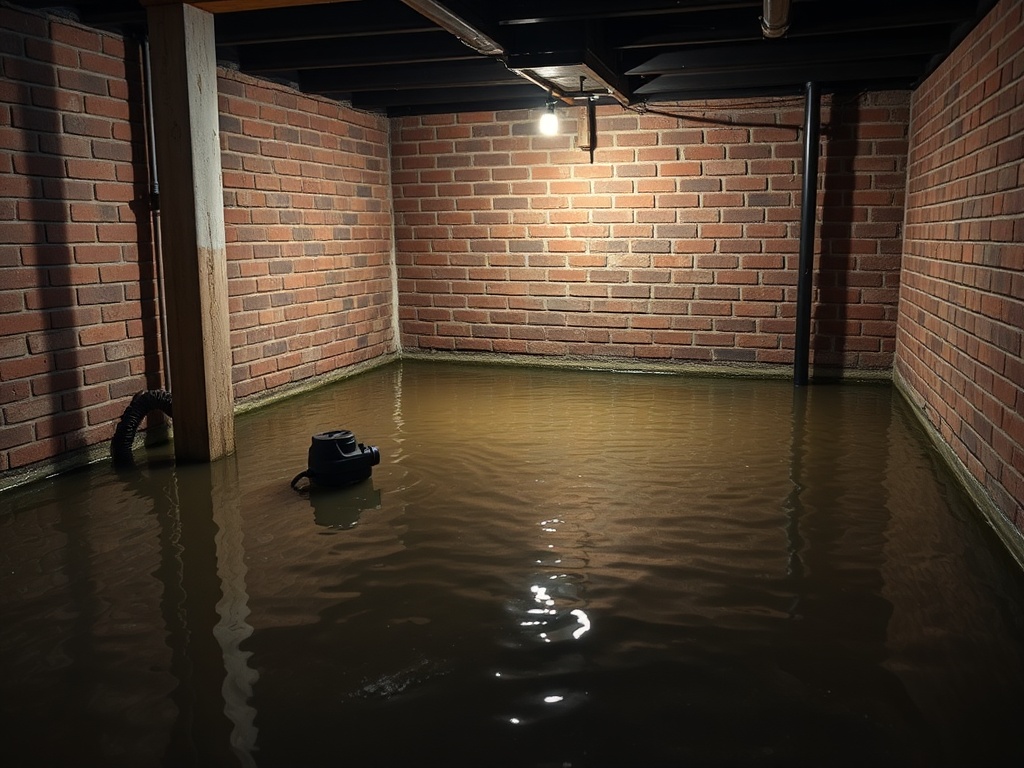
Basement flooding cleanup for Crestwood, MO. Source diagnosis first, sump failure, sewer back, footing seepage, or surface water; then extraction, drying, and source coordination. We work Crestwood Plaza area, Sappington, Watson Road corridor, and the rest of the metro the same way.
If flooding has spread beyond the basement, our Crestwood water damage restoration team can handle extraction, structural drying, moisture readings, and cleanup documentation together.
On the ground in Crestwood
What we see in
Crestwood, every week.
For a Crestwood basement loss, assess water entry, sump operation and affected materials. Confirm any relevant utility work directly with MSD. A nearby project does not establish the cause at this property or a universal need for backwater protection.
What makes basement flooding cleanup different in Crestwood.
Crestwood basement water can involve plumbing, sump, sewer or drainage problems. Establish the actual source and contamination conditions, then document the cleanup scope. Utility construction and neighborhood soil descriptions do not by themselves establish causation.
Quick answers for Crestwood homeowners.
Our sump pump failed during a downpour and the basement flooded. The carrier is asking if it was a covered cause. What should I expect?
Ask the insurer to review the actual sump or backup provisions, limits and exclusions. Document whether equipment failed or water exceeded the system’s capacity where that can be established. The existence of an endorsement does not guarantee coverage for every event.
MSD is doing the Mulberry Creek sanitary work near us. Does that change our risk profile during construction?
Report unusual drainage or backups near active utility work to the responsible utility. An investigation is needed to establish causation; Gateway can document the observed loss for the property owner and insurer.
Our 1962 Sappington brick ranch’s galvanized water line under the slab finally let go. What does that mean for the house?
A slab leak means water under the foundation and likely into the bottom plate of adjacent walls. We extract any visible water, then meter walls and flooring across a wide radius from the source. Slab leaks often saturate further than the visible stain suggests. If the line is repaired but the slab stays wet underneath, we set targeted drying. Replumbing through the attic or perimeter is a plumber decision. Once dry, we patch the access cut clean and you decide on permanent finish.
“We don’t tell you it’s mold because it looks like mold. We use independent findings, we plan, and we tell you what you don’t need to remediate.”
What’s included
What every Crestwood
basement flooding response job covers.
Every Gateway basement flooding response job in Crestwood runs to the same standard, same equipment, same documentation, same reputation backing every step. The full scope and FAQ live on our main basement flooding page; the short version is below.
- Source diagnosed first, sump failure, sewer back, footing, or surface water
- Category 3 sewer containment when applicable, PPE per IICRC S500
- Standing water extracted, affected materials removed to clean cut
- Antimicrobial, dehumidified, and verified dry before equipment leaves
- Coordination with backflow/sump repair pros if the source needs fix
How calls run in Crestwood
What are the six steps in basement flooding in Crestwood, MO?
- 01
Basement flooding source diagnosed first
Assess the likely source and safety conditions as part of the response. Further plumbing or drainage investigation may be needed alongside extraction.
- 02
Standing water extraction from the basement
Extraction equipment and completion time depend on water volume, access, contamination and the affected materials.
- 03
Cat-3 containment if sewer.
Sewer backups get poly containment, negative air, and PPE before we cross the threshold. Non-negotiable.
- 04
Removing flood-affected basement materials
Assess porous materials for removal or cleaning based on contamination and condition, and document the proposed scope.
- 05
Antimicrobial treatment and basement dry-out
Use cleaning and drying methods appropriate to the contamination and materials, following product instructions and monitoring moisture progress.
- 06
Source repair coordination after basement flooding
Coordinate with a qualified plumber or waterproofing professional on the identified source and repair options. No single repair prevents every future water loss.
Other St. Louis cities we cover
Where we do basement flooding
across the St. Louis metro
Crestwood address. Water emergency.
Call Gateway’s emergency line to discuss the loss, crew availability and estimated response.
Related service information
See our basement flooding cleanup service and process for the complete scope of work.