
Gateway/Basement Flooding/Glen Carbon
Basement Flooding
in Glen Carbon, IL.
Basement flooding cleanup for Glen Carbon, IL. Source diagnosis first, sump failure, sewer back, footing seepage, or surface water; then extraction, drying, and source coordination. We work Cottonwood, Stonebridge, Ginger Creek, and the rest of the metro the same way.
If flooding has spread beyond the basement, our Glen Carbon water damage restoration team can handle extraction, structural drying, moisture readings, and cleanup documentation together.
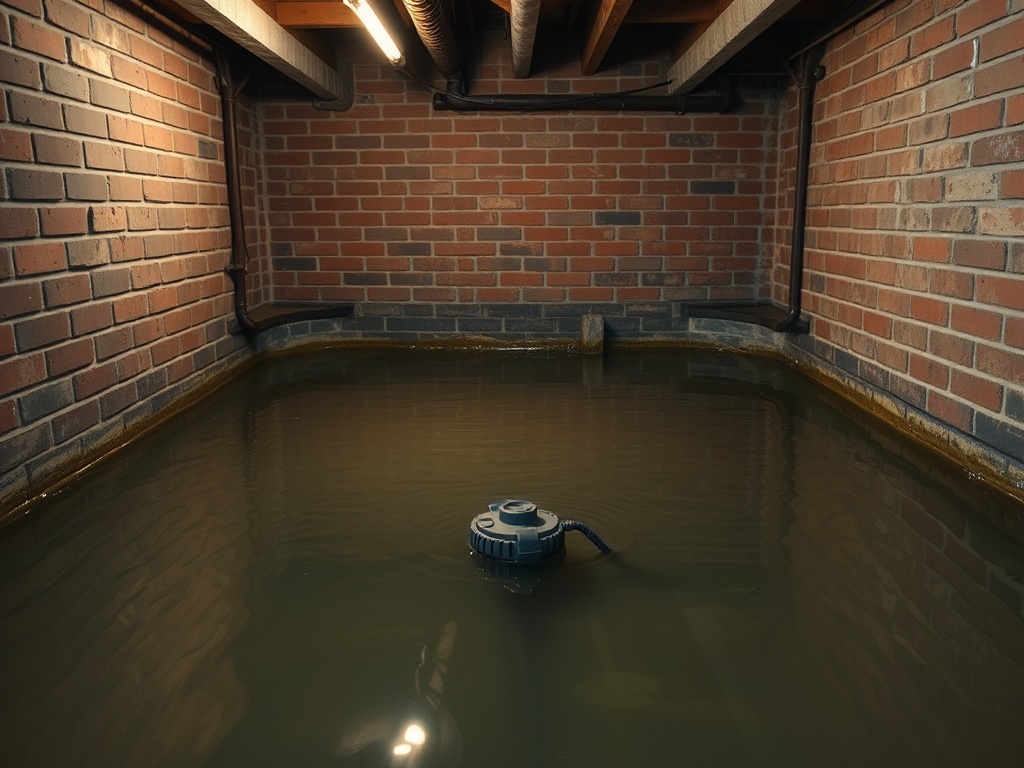
On the ground in Glen Carbon
What we see in
Glen Carbon, every week.
For Glen Carbon basement flooding, assess the observed water source, affected materials and any confirmed utility issue. Gateway documents the restoration findings. Sump or drainage repairs require property-specific advice and cannot guarantee prevention of every future loss.
What makes basement flooding cleanup different in Glen Carbon.
Glen Carbon basement water can involve plumbing, sump, sewer or drainage problems. Investigate the actual property and connection, including any reported foundation movement. Cleanup and claim documentation follow those findings rather than presumed subdivision conditions. Related information: sump pump failures .
Quick answers for Glen Carbon homeowners.
Power outage during a storm meant the lift station serving our subdivision backed up. American Family policy. Covered?
Ask American Family to review the specific endorsement and cause, including any confirmed lift-station failure. Coverage, exclusions, limits and potential recovery from another party are separate matters; an endorsement does not automatically cover every backup.
Lift stations serve our Glen Carbon subdivision. What does that mean for sewer backup risk?
Confirm with the responsible utility whether a lift station serves the property and what occurred during a reported outage. Discuss backup coverage with the insurer. A general equipment count does not establish the risk or coverage for an individual home.
Our 2006 Stonebridge home has poly-B plumbing that we are planning to repipe. In the meantime, what do we watch for?
Visible leakage, staining or persistent odors near plumbing warrant inspection by a qualified plumber. Pipe condition and repair needs must be assessed; a presumed past failure pattern does not establish what this home needs.
“We don’t tell you it’s mold because it looks like mold. We use independent findings, we plan, and we tell you what you don’t need to remediate.”
What’s included
What every Glen Carbon
basement flooding response job covers.
Every Gateway basement flooding response job in Glen Carbon runs to the same standard, same equipment, same documentation, same reputation backing every step. The full scope and FAQ live on our main basement flooding page; the short version is below.
- Source diagnosed first, sump failure, sewer back, footing, or surface water
- Category 3 sewer containment when applicable, PPE per IICRC S500
- Standing water extracted, affected materials removed to clean cut
- Antimicrobial, dehumidified, and verified dry before equipment leaves
- Coordination with backflow/sump repair pros if the source needs fix
How calls run in Glen Carbon
What are the six steps in basement flooding in Glen Carbon, IL?
- 01
Basement flooding source diagnosed first
Assess the likely source and safety conditions as part of the response. Further plumbing or drainage investigation may be needed alongside extraction.
- 02
Standing water extraction from the basement
Extraction equipment and completion time depend on water volume, access, contamination and the affected materials.
- 03
Cat-3 containment if sewer.
Sewer backups get poly containment, negative air, and PPE before we cross the threshold. Non-negotiable.
- 04
Removing flood-affected basement materials
Assess porous materials for removal or cleaning based on contamination and condition, and document the proposed scope.
- 05
Antimicrobial treatment and basement dry-out
Use cleaning and drying methods appropriate to the contamination and materials, following product instructions and monitoring moisture progress.
- 06
Source repair coordination after basement flooding
Coordinate with a qualified plumber or waterproofing professional on the identified source and repair options. No single repair prevents every future water loss.
Other St. Louis cities we cover
Where we do basement flooding
across the St. Louis metro
Glen Carbon address. Water emergency.
Call Gateway’s emergency line to discuss the loss, crew availability and estimated response.
Related service information
See our basement flooding cleanup service and process for the complete scope of work.