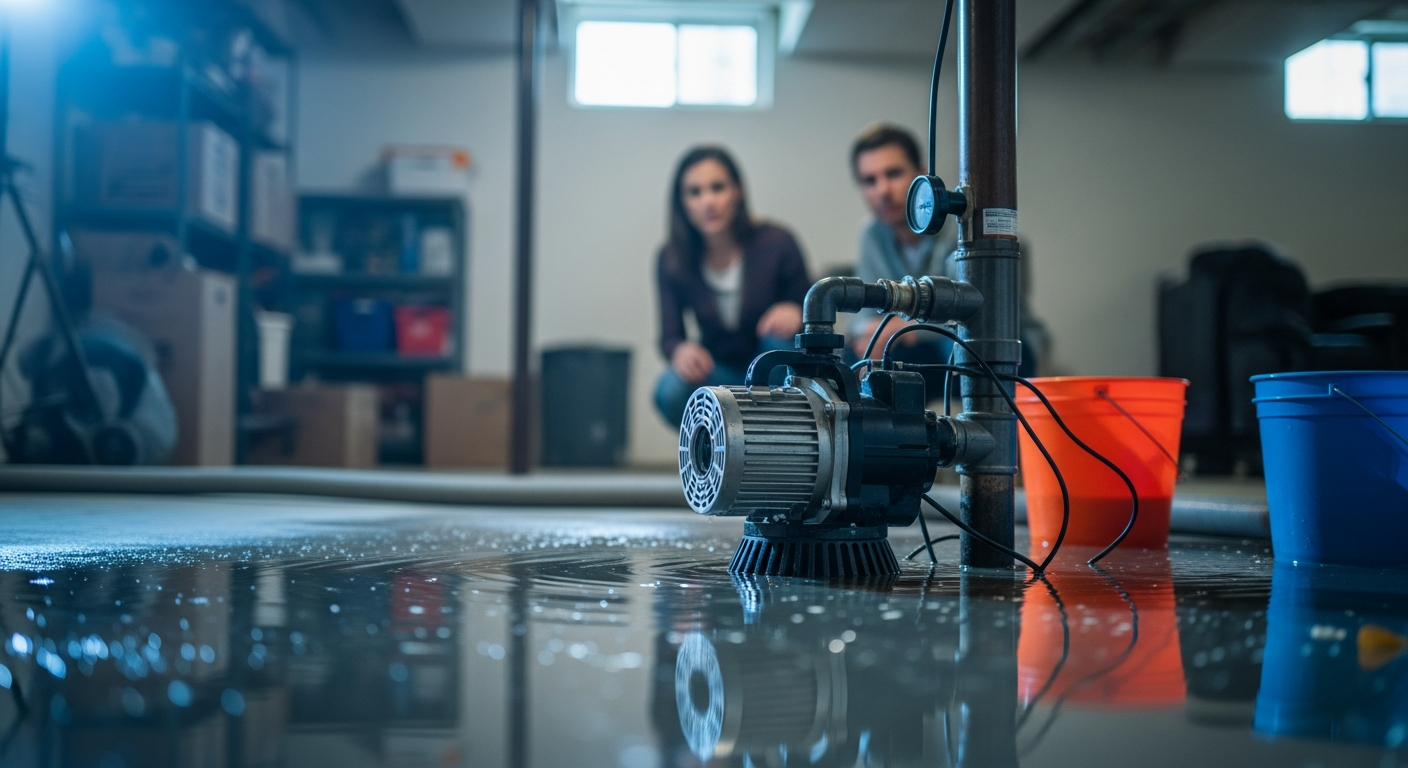
Sump pump failure can leave Collinsville homeowners with standing basement water. Gateway Water & Mold provides emergency extraction, drying and insurance documentation; the scope depends on the conditions at the property. The Illinois Department of Insurance provides consumer insurance information.
What to Do After Sump Pump Failure in Collinsville
- Stay out of standing water near electrical equipment. If the breaker cannot be reached safely from a dry location, have the utility or a qualified electrician disconnect power.
- Arrange safe water removal after electrical hazards have been assessed. Never operate a gasoline-powered pump indoors or in an enclosed area.
- Photograph visible conditions and damaged items when it is safe, without delaying necessary safety measures.
- Arrange prompt water-damage assessment and drying; a response deadline does not guarantee that mold will be prevented.
- Check your discharge pipe for ice blockages or debris that caused the backup
- Test your backup pump if you have one installed
Why Sump Pump Failure Hits Collinsville Hard
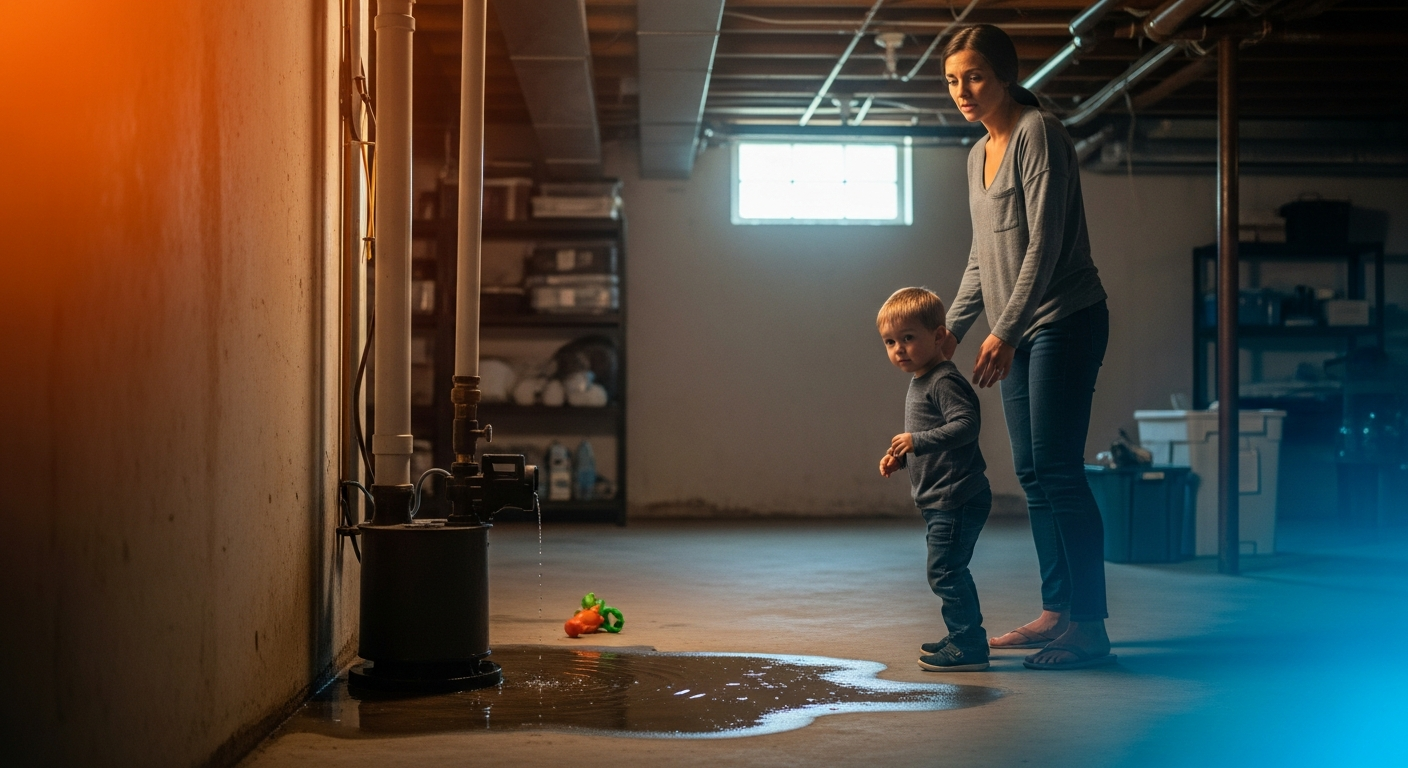
Basement water entry depends on the property’s drainage, grading, foundation condition and groundwater conditions. Assess the actual entry points instead of assuming one citywide cause. USDA soil information can provide regional context, but does not replace a site assessment.
A sump can overflow when incoming water exceeds the working pump’s capacity. Check the installed model, discharge height, power supply and drainage conditions rather than relying on a neighborhood-wide capacity estimate. Monitor current conditions through the National Weather Service.
A sump pump moves collected water out of the pit. If inflow exceeds its discharge capacity, or the discharge is blocked, water can overflow.
Collinsville’s Flooding Risks
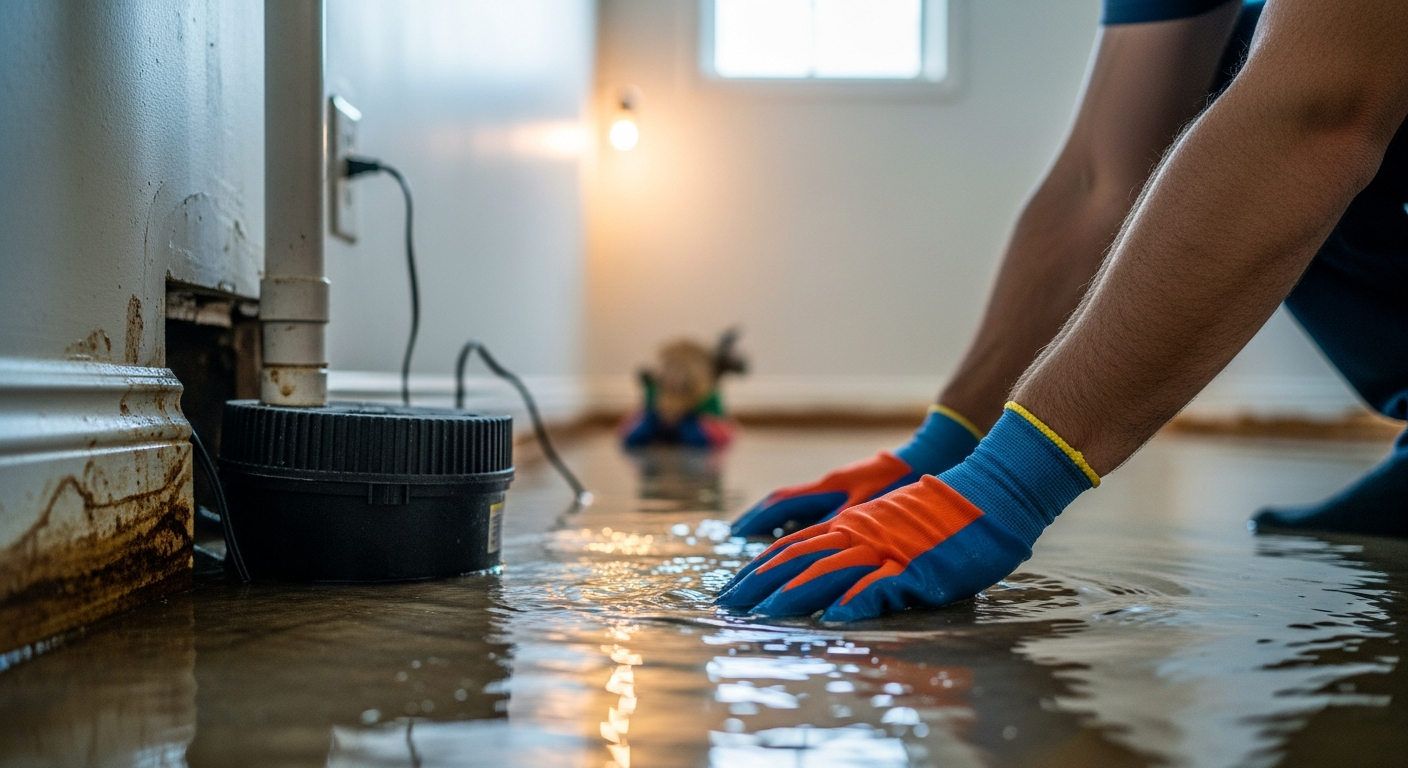
Check applicable floodplain and building requirements with the City of Collinsville before drainage or structural alterations. Requirements depend on the site and proposed work. Gateway also serves University City.
Inspect the discharge outlet for blockage and the foundation for visible water entry. Building age or neighborhood alone does not establish pipe size or the cause of flooding.
A sewer backup and sump overflow require different source investigations. Confirm whether water entered through a drain, sump, wall or floor before choosing repairs. Ask Madison County about the appropriate stormwater contact.
Nearby drainage features can affect runoff, but a property inspection is needed to establish the cause of a particular basement flood.
Signs Your Sump Pump Is Failing
Frequent cycling, unusual noise or rising water in the pit warrants inspection. Compare operation with the manufacturer’s instructions and have a qualified pump professional assess the system.
Inspect the discharge route for visible blockage when it is safe to do so. A pump that runs without lowering the water level needs diagnosis; several different faults can cause that symptom.
How Gateway Water & Mold Handles Sump Pump Failures
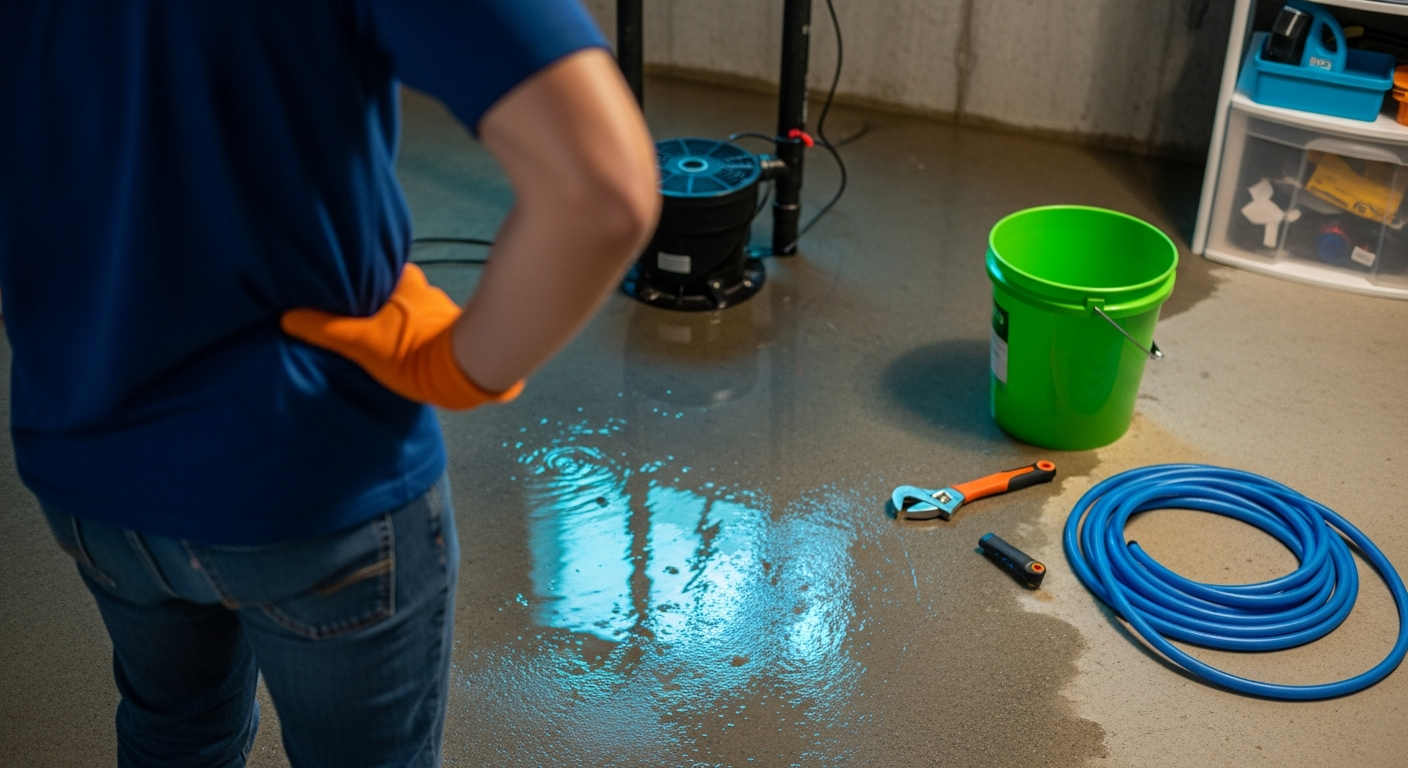
Sump pump failure flooded your basement? Here is the cleanup sequence.
When a sump pump failure floods a Collinsville basement, the first priority is not replacement of the pump. The first priority is stopping additional water, removing standing water, documenting the source of loss, and drying the basement before moisture moves into framing, drywall, flooring, and stored contents.
Gateway Water & Mold treats a sump-pump-failure basement flood as an emergency water loss. Our crew checks whether the pump failed mechanically, lost power, froze at the discharge line, or could not keep up with storm-water volume. That source matters because it affects the drying plan, the insurance file, and whether the homeowner also needs a backup pump, discharge correction, or drainage recommendation after cleanup.
What to do before the cleanup crew arrives
- Do not step into standing basement water until power to the affected area is safely shut off.
- Take photos of the water line, sump pit, failed pump, discharge pipe, and affected rooms if you can do so safely.
- Move dry contents away from the affected area, but do not drag wet porous items through clean rooms.
- Document affected materials when safe and ask the insurer about claim instructions. Do not delay necessary safety measures while waiting for documentation approval.
- Call for water extraction quickly; the longer the slab, pad, base trim, and lower drywall stay wet, the higher the mold and rebuild risk.
How Gateway documents sump pump failure losses
For insurance and repair planning, document the observed water source, affected materials, moisture readings and drying progress. Groundwater is not automatically clean water; contamination conditions must be assessed before selecting cleanup methods.
If your sump pump failed and your basement is wet now, start with emergency extraction and drying. Then decide whether the long-term fix is pump replacement, battery backup, discharge-line correction, or a larger drainage issue around the foundation.

Gateway Water & Mold uses emergency water extraction and moisture measurements to assess affected building materials. Equipment selection depends on access, water volume and contamination conditions.
Document visible water levels, entry points and affected materials when safe. These observations can help establish the scope of cleanup and support the insurance file.
The cleanup plan should record the observed source, affected materials, extraction work and drying progress. Gateway provides basement flooding restoration.
Drying duration depends on materials, moisture readings and site conditions. A fixed monitoring period cannot establish that every basement is dry.
Maintain the sump system according to its manufacturer’s guidance and have suspected problems assessed. Gateway Water & Mold provides 24/7 emergency response and documentation for the insurer’s review.
If you discover basement water, arrange safe assessment and cleanup promptly. Removing moisture can reduce further damage, but the result depends on the loss and affected materials. Gateway also provides water damage restoration.
Frequently Asked Questions
How long does a typical sump pump last in Collinsville’s climate?
Sump pump life depends on the model, maintenance and operating conditions. Follow the manufacturer’s service guidance and have a qualified pump professional assess reliability.
Should I install a backup sump pump in Collinsville?
A backup system may help during a primary pump or power failure. Runtime depends on battery condition, pump load and inflow; water-powered systems also depend on an adequate water supply and applicable installation requirements.
Does homeowner’s insurance cover sump pump failure in Collinsville?
Sump overflow coverage depends on the policy, endorsements and cause of loss. Confirm coverage, limits, deductible and premium with the insurer; do not assume a standard price or payout.
Sources (reviewed 2026-09-10): www.cdc.gov; www.epa.gov.