Gateway/Blog

Glen Carbon’s Newer Homes: Protecting Concrete Basements from Spring Foundation Seepage

Glen Carbon's Newer Homes: Protecting Concrete Basements from Spring Foundation Seepage

Glen Carbon homeowners often assume their newer concrete basements won’t develop water problems, but spring rains tell a different story. The subdivisions built since 2000 in areas like Cottonwood Creek and The Woodlands regularly experience foundation seepage during March through May wet seasons. Gateway Water & Mold’s IICRC-trained crew has responded to over 500 homes across the Greater St. Louis metro, including dozens of Glen Carbon properties where concrete basement waterproofing became necessary within the first decade of construction.

What to Do About Foundation Seepage in Glen Carbon

  • Document water entry points with photos, noting exact locations along foundation walls and floor joints
  • Remove stored items from affected areas to prevent mold growth on belongings
  • Run dehumidifiers immediately to maintain basement humidity below 50 percent
  • Check sump pump operation and backup power systems before next rainfall
  • Contact your insurance carrier within 24 hours to report potential water damage claims
  • Schedule professional moisture mapping to identify hidden water intrusion pathways

Why Glen Carbon’s Newer Homes Experience Foundation Issues

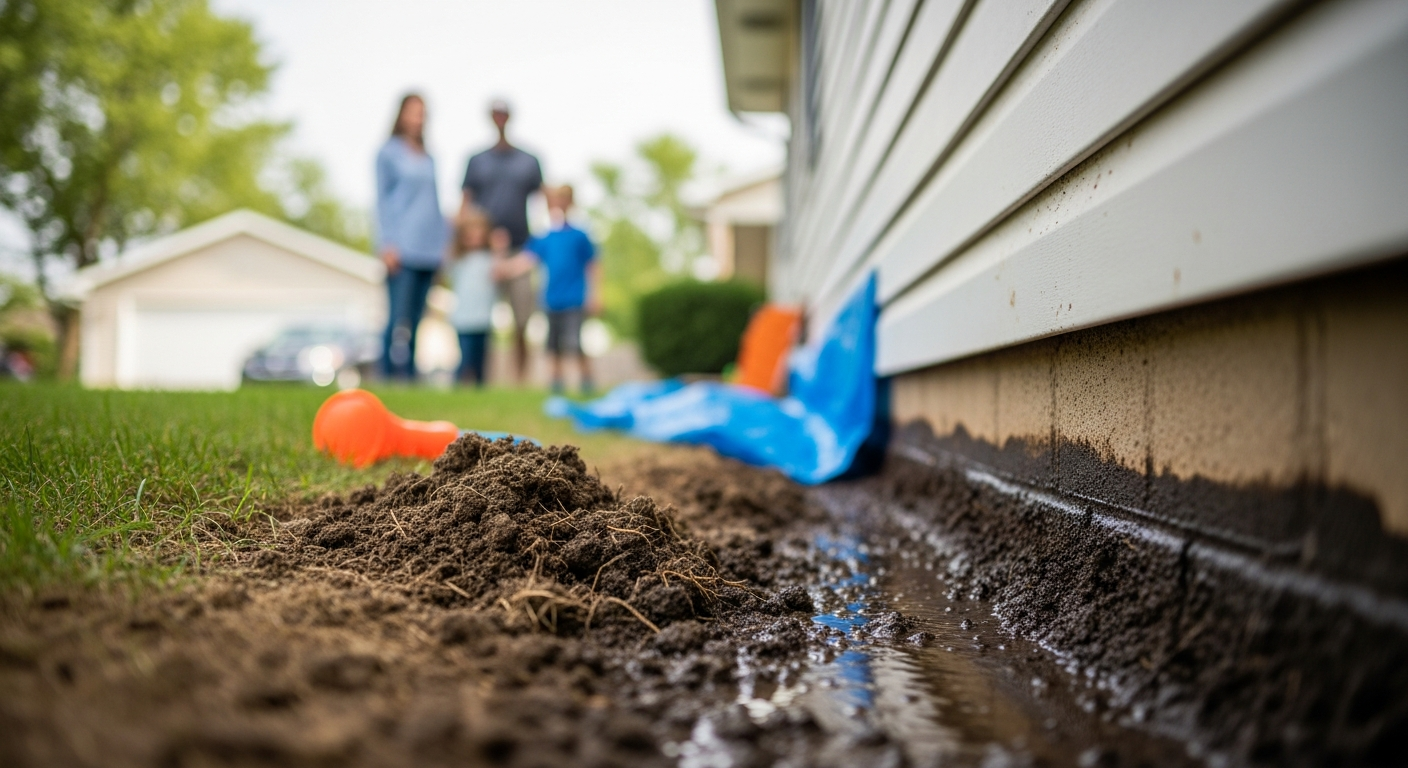
Glen Carbon's Newer Homes: Protecting Concrete Basements from Spring Foundation Seepage — in-context / use-case image

Glen Carbon sits on Illinois State Geological Survey clay-rich soils that expand significantly during wet periods. The Vandalia Till that underlies most Madison County creates a nearly impermeable layer 15-20 feet below ground surface, causing water to pool around foundation walls rather than drain naturally. During spring months, Glen Carbon receives an average of 4.2 inches of rainfall in April alone, according to National Weather Service data.

This combination creates hydrostatic pressure against basement walls that many builders didn’t adequately address in subdivisions constructed during Glen Carbon’s rapid growth period from 2000-2010. The concrete itself remains sound, but water finds entry through construction joints, utility penetrations, and the wall-to-floor connection where many contractors applied insufficient waterproof membrane coverage.

Local Construction Patterns Create Basement Leaks

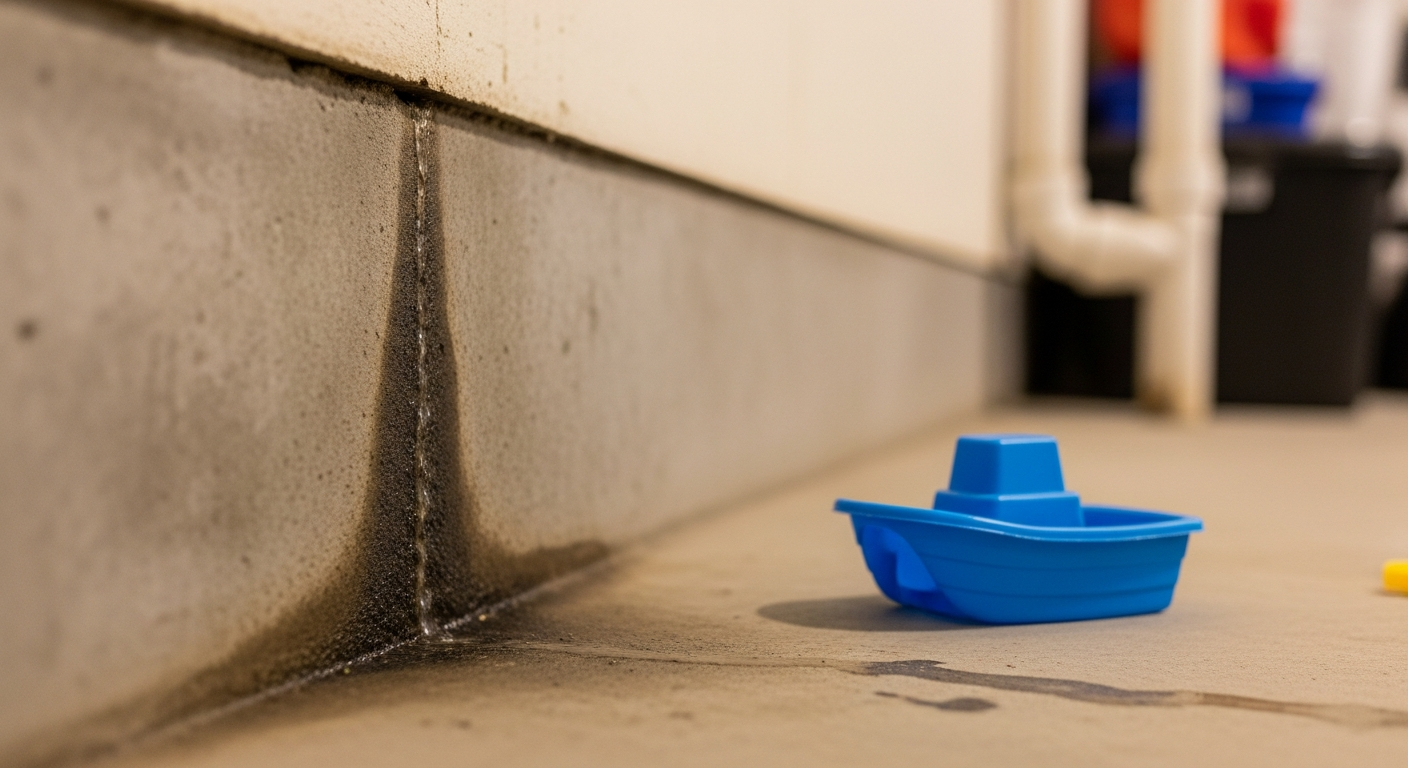
Glen Carbon's Newer Homes: Protecting Concrete Basements from Spring Foundation Seepage — process / how-it-works image

The newer neighborhoods in Glen Carbon reflect three distinct construction eras that affect water intrusion risks. Homes built between 2000-2005 in subdivisions like Governor Bond Estates and Autumn Ridge typically used poured concrete foundations with basic dampproofing rather than true waterproofing systems. The 2005-2012 construction boom in areas like Meridian Village and Clover Ridge included better drainage tile systems, but builders often connected these to municipal storm sewers that become overwhelmed during heavy rain events.

Post-2012 construction in neighborhoods such as Stone Creek and Sunset Hills incorporated improved building codes requiring more robust foundation protection, yet spring heavy rain damage still occurs due to settlement issues and inadequate grading around finished homes. Madison County building permits from this period show increased attention to foundation drainage, but many homes still experience water intrusion during their first 5-7 years as backfill settles and creates new pathways for water entry.

The American Bottoms influence on Glen Carbon’s eastern sections creates additional challenges, as groundwater levels fluctuate seasonally with Mississippi River stages located just 15 miles away. Subdivisions like Cottonwood and Willoughby Farms see basement humidity spikes even without visible water entry due to vapor transmission through concrete slabs.

Foundation Seepage Warning Signs

Glen Carbon’s spring weather patterns create predictable stress on basement foundations. Watch for water stains appearing 12-48 hours after rainfall events, particularly along the north and east foundation walls where Glen Carbon’s prevailing storm directions concentrate runoff. White mineral deposits (efflorescence) on concrete surfaces indicate water movement through the foundation material itself, even if you don’t see standing water.

Musty odors developing in finished basement areas signal hidden moisture problems behind drywall or under flooring materials. Glen Carbon’s clay soils retain moisture for extended periods, creating ongoing humidity issues that standard ventilation cannot resolve. Check basement corners where foundation walls meet floor slabs – this joint represents the most common failure point in Glen Carbon’s newer construction.

Gateway Water & Mold’s Foundation Assessment Process


Glen Carbon's Newer Homes: Protecting Concrete Basements from Spring Foundation Seepage — outcome / result image

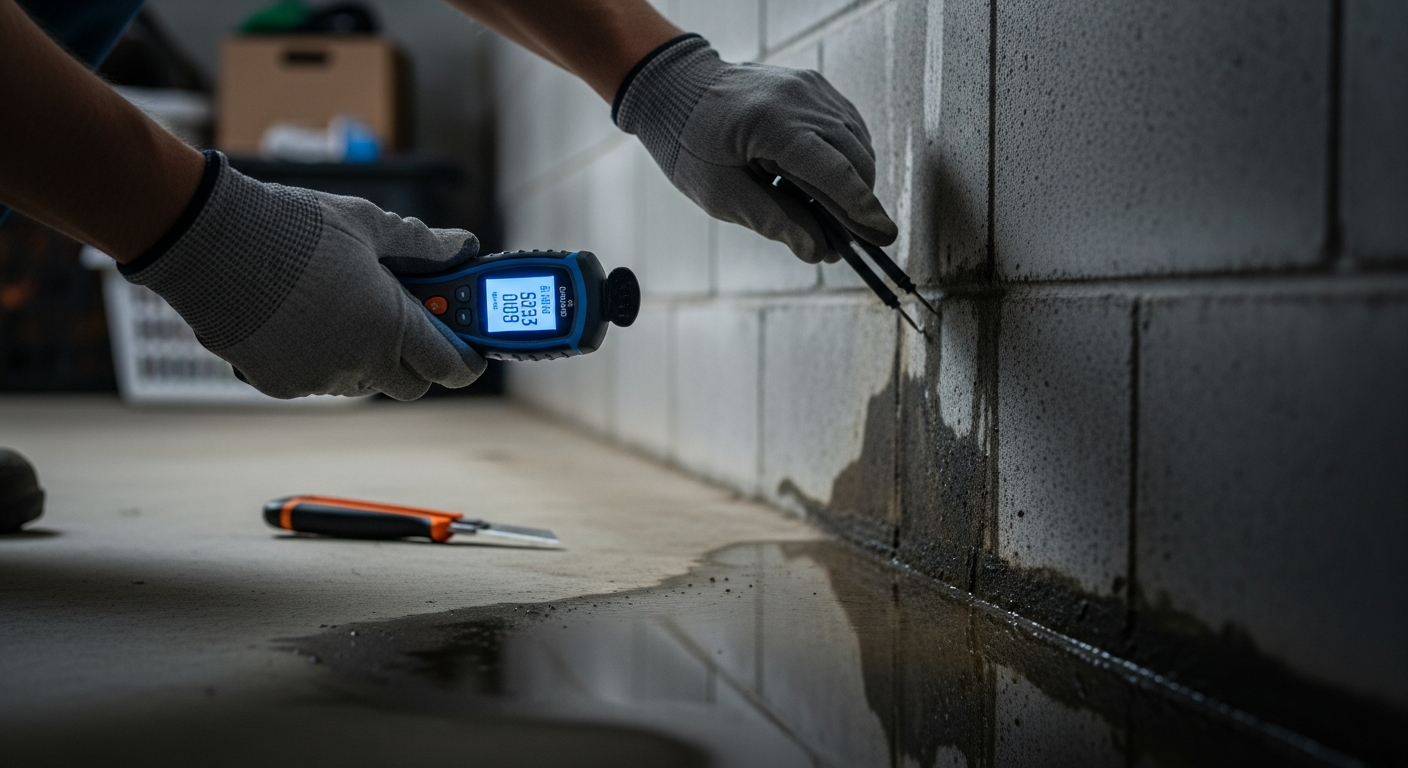
Gateway Water & Mold’s approach starts with thermal imaging and moisture mapping to identify water entry points that visual inspection misses. Their “test before tear-out” methodology proves especially valuable in Glen Carbon’s newer homes, where homeowners want to preserve finished basement spaces whenever possible. The team uses specialized equipment to measure moisture content in concrete and determine whether water enters through the foundation itself or through specific construction joints.

During a recent Glen Carbon project in the Willoughby Farms subdivision, Gateway’s crew identified foundation seepage entering through utility penetrations rather than general wall failure. Using targeted injection techniques and exterior excavation limited to the specific problem areas, they resolved the water intrusion without removing the homeowner’s finished recreation room. The IICRC-trained technicians documented moisture levels throughout the process, providing the detailed records needed for successful insurance claims under the homeowner’s policy.

Their licensing for both residential and commercial work, plus liability and workers’ compensation coverage with certificates available upon request, provides the professional credentials Glen Carbon homeowners expect when dealing with foundation issues that could affect home values and long-term structural integrity.

Gateway Water & Mold provides detailed documentation including moisture readings, thermal imaging results, and repair specifications that insurance adjusters require for foundation-related claims. Their familiarity with Category 3 water protocols ensures proper remediation if foundation seepage introduces contaminated groundwater into basement areas. Contact their 24/7 emergency response team at the first signs of water intrusion – early intervention prevents minor seepage from becoming major basement flooding in Glen Carbon that requires extensive water damage restoration.

Frequently Asked Questions


Glen Carbon's Newer Homes: Protecting Concrete Basements from Spring Foundation Seepage — human element image

How quickly does foundation seepage lead to mold growth in Glen Carbon basements?

Glen Carbon’s clay soils and high humidity create ideal mold conditions within 24-48 hours of water intrusion. The area’s spring temperatures between 60-75 degrees, combined with moisture from foundation seepage, allow mold spores to colonize porous materials like drywall and carpet padding. Gateway Water & Mold’s emergency response within 90 minutes helps prevent mold establishment by immediately reducing moisture levels through professional extraction and dehumidification equipment.

What’s the average cost difference between early foundation seepage repair versus waiting until major problems develop?

Early intervention for foundation seepage in Glen Carbon typically costs $2,500-$5,000 for targeted repairs, while delayed action often results in $15,000-$25,000 remediation projects. The Illinois Department of Insurance reports that foundation-related claims average 60% higher when homeowners wait beyond the initial 30-day period after first noticing moisture issues. Gateway’s detailed documentation and insurance fluency help maximize coverage for early intervention repairs.

Do Glen Carbon’s building codes require specific waterproofing methods for newer home foundations?

Madison County adopted updated foundation requirements in 2015 that mandate waterproof membrane application and improved drainage tile specifications. However, homes built between 2000-2015 in Glen Carbon follow earlier codes that allowed basic dampproofing instead of true waterproofing systems. The International Building Code provisions adopted by Madison County now require more robust foundation protection, but retrofit waterproofing remains the homeowner’s responsibility for existing construction.

Water in your home or workplace right now?

Live phone, twenty-four seven. We dispatch the nearest crew the moment we hang up, across the St. Louis metro, both sides of the river.

Call (314) 947-3419

Carrier names and trademarks referenced on this site are the property of their respective owners. Gateway Water and Mold is not affiliated with, endorsed by, or a preferred contractor for any insurance carrier. We work alongside policyholders and their carriers on restoration claims; policyholders retain the right to choose their own restoration contractor.