Gateway/Water Damage Restoration/Collinsville
Water Damage Restoration
in Collinsville, IL.
24/7 water damage restoration for Collinsville, IL homes near Downtown, Old Town, the Caseyville border, and the Vandalia Street corridor. Gateway handles extraction, structural drying, moisture mapping, photos, and carrier-ready documentation for basement water, sewer backups, plumbing leaks, and storm-related losses.
On the ground in Collinsville
What we see in
Collinsville, every week.
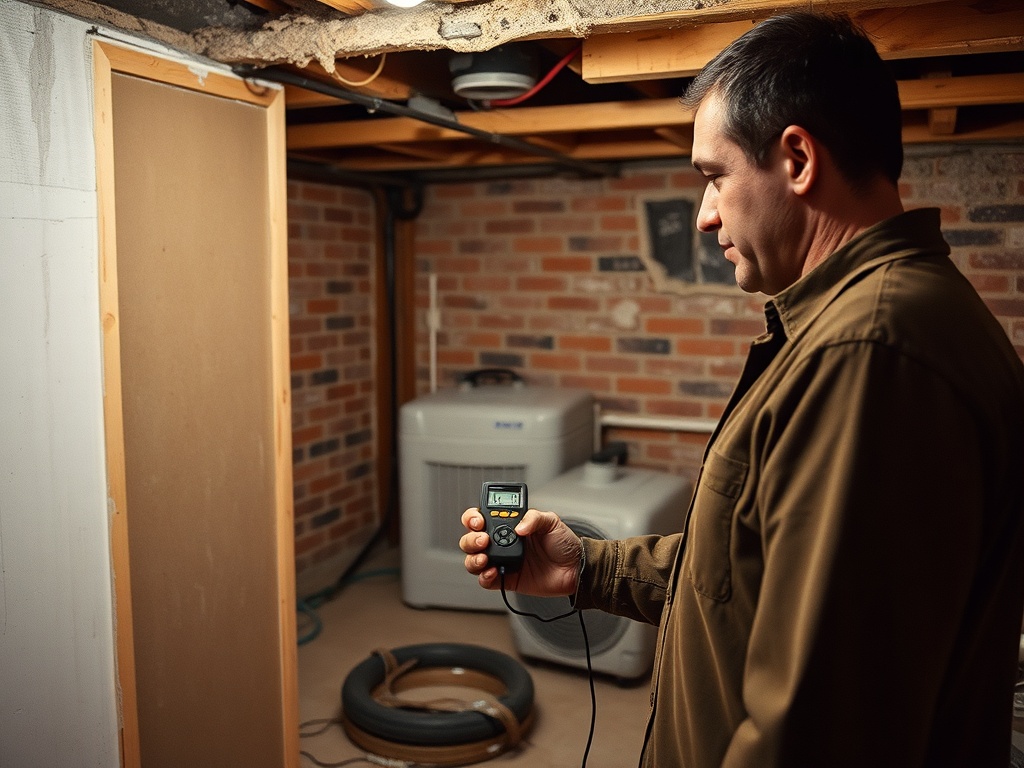
Collinsville mixes pre-1940 brick in the old town core with 1950s through 1970s ranches in outer subdivisions and smaller 1990s-plus infill. Italianate and Craftsman in Downtown and Old Town, brick veneer plus vinyl or aluminum siding in the post-war stock. Full basements standard on the uplands. Chronic basement-water complaints are widespread in the older sections because the deep loess slumps under sustained moisture. When a heavy rain saturates the bluff loess, basements take footing seepage and combined-sewer overflow in the older sections simultaneously. We work Collinsville with truck-mount extraction, IICRC S500 dryout, and a written Xactimate scope. Direct billing on Allstate, State Farm, and American Family keeps the homeowner out of the documentation loop, and the scope captures the actual loss conditions for the carrier file. Source identification is documented clearly from the first visit.
What makes water damage restoration different in Collinsville.
Collinsville water-damage scope is shaped by saturated-loess basement seepage being one of the top water-damage causes in the city. The deep loess on the uplands above the American Bottom slumps when saturated, putting lateral pressure on foundation walls and admitting moisture through cracks, mortar joints, and cold joints. Combined with the standard mid-century housing stock in much of 62234 (brick veneer ranches, drywall interiors), the scope is often footing seepage on top of plumbing-source loss. The historic core has 1900s-era Italianate and Craftsman with plaster-on-lath that hides moisture longer. We cavity-map with infrared, drill inspection ports, and run extended LGR drying when the loess-substrate moisture loading complicates the cleanup window.
Quick answers for Collinsville homeowners.
Our Collinsville old town core home has a stone foundation that seeps every spring. After this last event there is more water than usual. Why?
Saturated loess country combined with old stone foundations means seepage volume tracks with seasonal soil moisture. A wetter than usual spring produces more water through the same foundation than a drier year. Loess slumping under sustained saturation increases lateral pressure against the wall, which can widen mortar joints and increase flow. We dry the event, but the long-term pattern follows the weather. Documenting the year over year change helps if you want to make a foundation contractor argument for exterior waterproofing.
Burst pipe in our 1962 Vandalia Street home soaked the kitchen and ran down to the basement. Standard scope?
Two-floor losses get parallel response. Kitchen flooring is evaluated based on material, hardwood gets specialty mat drying, laminate usually does not survive. Basement ceiling below the leak comes down in defined sections to dry the joist bay. We meter daily, dehumidify, and direct airflow. Total drying window is usually four to six days. Pipe repair is a plumber’s scope, often through the access we open for drying. We coordinate sequencing so the plumber and the drying both progress without redoing each other’s work.
Sewer backup in our 62234 home. Allstate is our carrier. What does the rider actually cover?
Allstate’s water and sewer backup endorsement covers the cleanup, drying, and damaged property up to the rider limit, typically $5,000 to $25,000. Same general structure as State Farm and American Family. We document the entry, scope in Xactimate, and direct-bill once assigned. The endorsement is separate from the base policy, so if you do not have it, the claim is denied. Worth reviewing your dec page now if you are in Collinsville’s combined-sewer older core, because the loss is a question of when not if.
“We don’t tell you it’s mold because it looks like mold. We test, we plan, and we tell you what you don’t need to remediate.”
What’s included
What every Collinsville
water damage restoration job covers.
Every Gateway water damage restoration job in Collinsville runs to the same standard, same equipment, same documentation, same reputation backing every step. The full scope and FAQ live on our main water damage restoration page; the short version is below.
- 24/7 emergency dispatch with same-day on-site response
- IICRC S500-compliant extraction, drying, and monitoring
- Truck-mount and portable units sized for your structure
- Daily moisture readings, written, until structure passes dry standard
- Xactimate-aligned insurance file delivered directly to your carrier
How a Collinsville call runs
Six steps. Same every job.
- 01
Source control & moisture map.
We stop the source if accessible, then walk the structure with moisture meters and a thermal camera. The map tells us scope, not guesses.
- 02
Containment, Category 2 or 3.
If it’s gray or black water, we contain before we extract. Plastic sheeting, negative air, and HEPA filtration go up first.
- 03
Truck-mount extraction.
Standing water comes out with truck-mount units. Carpet, pad, and subfloor get extracted to dry-cut moisture levels.
- 04
Air movers and LGR dehumidifiers.
Equipment placed based on cubic-foot calculation, not eyeball. Low-grain refrigerant dehumidifiers handle wet-bulb conditions our market sees.
- 05
Daily moisture readings until dry.
Same time every day. Written log. Equipment moves as readings come down. No structure leaves wet.
- 06
Affected materials removed, S500.
Anything that can’t dry to standard comes out. Documented, photographed, in the file. IICRC S500-compliant.
Other St. Louis cities we cover
Water Damage Restoration across
the metro.
Collinsville address. Water emergency.
Live phone, twenty-four seven. We’ll dispatch the nearest crew the moment we hang up.