Gateway/Insurance/State Farm/Water Damage Restoration
State Farm
Water Damage Restoration Claims.
How Gateway handles water damage restoration claims with State Farm adjusters. Restoration records, itemized estimates and questions to confirm with the claim handler.
State Farm water damage claims start with Gateway: connect the carrier file to our water damage restoration team so mitigation, scope notes, photos, and adjuster documentation stay aligned.
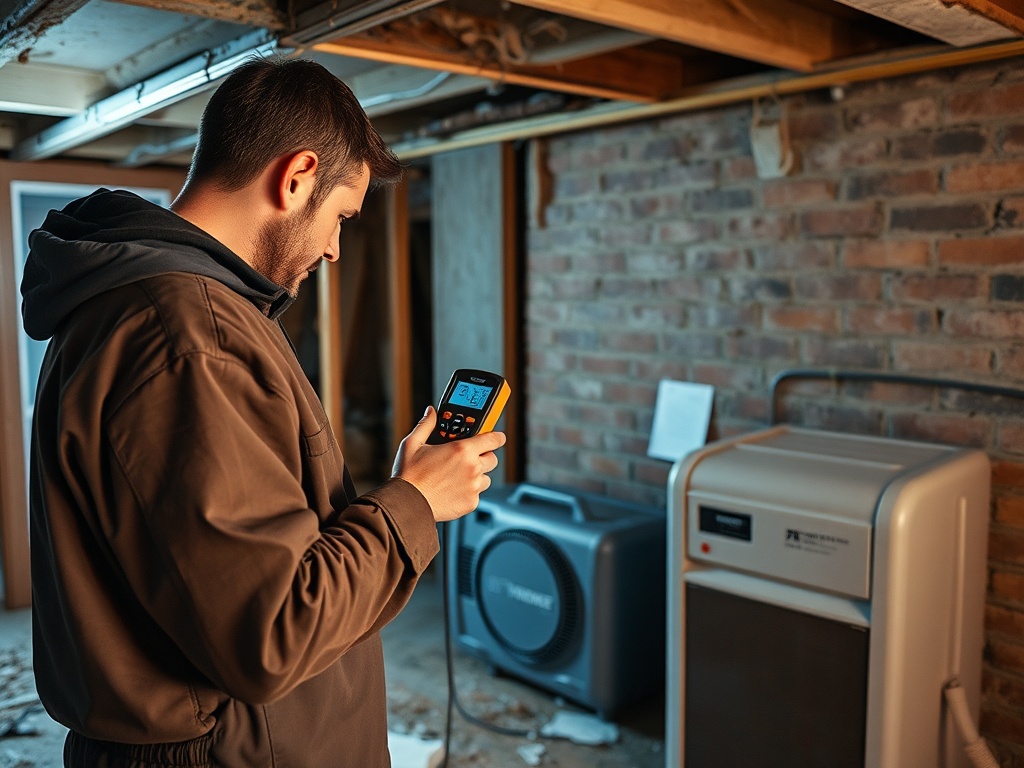
State Farm lists certain abrupt interior pipe releases and storm damage among typically covered losses, subject to policy provisions. For water restoration, preserve the observed source, affected materials and discovery timeline with the itemized estimate. The claim handler determines coverage and whether further investigation is needed.
How State Farm handles water damage claims
State Farm’s published process includes reporting the loss, assignment of a claim handler, investigation and settlement when coverage applies. Supply photographs and an itemized scope, then ask whether further records or an inspection are needed. Confirm the payment method and payees; public guidance does not establish a standard local desk threshold or seven-to-fourteen-day payment promise.
What we document differently for State Farm
Describe the observed cause and timing accurately, including uncertainty or known earlier damage. Submit available photographs, measurements and any new supporting records with the estimate. If coverage is denied, review State Farm’s written explanation and the cited policy language; documentation cannot override an exclusion.
State Farm water and mold claim questions
Will State Farm pay for the full drying time on my water loss?
Keep moisture observations and equipment-use records with the drying estimate. State Farm reviews the applicable policy and claim; documentation does not guarantee payment for every proposed drying day.
What if State Farm says the water damage is from a slow leak?
Describe the observed cause and timing accurately, including uncertainty or known earlier damage. Submit available photographs, measurements and any new supporting records with the estimate. If coverage is denied, review State Farm’s written explanation and the cited policy language; documentation cannot override an exclusion.
Do I need to call State Farm before calling Gateway?
If safe, take steps to reduce further damage and document what happened. State Farm advises reporting damage as soon as possible. Coordinate emergency restoration and claim reporting without treating either as a guarantee of coverage.
More State Farm resources
Other State Farm pages
on Gateway.
State Farm water damage restoration claim. Call now.
Call Gateway, twenty-four seven, to describe the loss and confirm current crew availability and the next response step.
Policy and process sources (reviewed 2026-09-10): www.statefarm.com; www.statefarm.com. Coverage and claim handling depend on the applicable policy, endorsements and loss circumstances.