
Gateway/Insurance/State Farm/Appliance Leak Claim
State Farm
Appliance Leak Claim.
How Gateway handles State Farm appliance leak water damage claims in the St. Louis metro. Carrier-specific documentation, scope, and claim-payment questions.
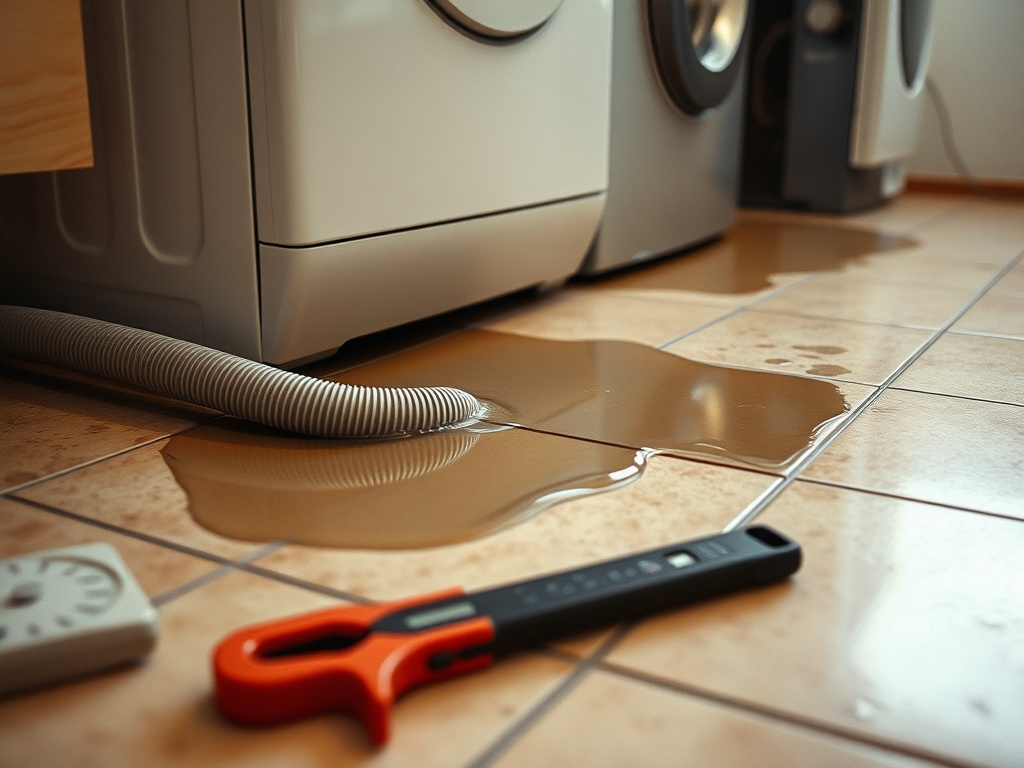
For an appliance leak, record the make, model, observed failure point and discovery time. State Farm evaluates coverage under the policy and circumstances. An older appliance does not establish either coverage or exclusion by itself; describe what happened accurately rather than framing the loss to obtain payment.
How State Farm handles appliance leak claims
Provide the appliance details, photographs and itemized restoration estimate to the assigned State Farm claim handler. Ask whether an inspection or additional estimate information is needed. Confirm payment method and payees for this claim; a fixed payment window or reimbursement-only arrangement should not be assumed.
Coverage questions on a State Farm appliance leak claim
Preserve photographs of the failed connection or appliance and the observed water path. Note what is known and uncertain about the timing. If State Farm denies coverage, request the written policy explanation and compare it with the actual records; photographs do not guarantee coverage.
What Gateway documents differently on a State Farm appliance leak claim
For an appliance loss, keep identification details, failure photographs and the observed discovery-to-shutoff timeline. Describe a sudden or gradual failure according to the evidence and identify uncertainty. Keep any mold assessment separate from assumptions about coverage.
Will State Farm cover my water heater leak if the tank was 15 years old?
A water heater’s age alone does not determine whether resulting damage is covered. Give the claim handler the failure details and discovery timeline, then confirm the applicable exclusions and covered damage under the actual policy.
My washing machine hose burst and flooded my laundry room. Is mold covered too?
Ask State Farm to identify the mold provisions, exclusions and any applicable limit in the complete policy and endorsements. Keep the observed moisture source, discovery timeline and independent findings with the remediation scope. Neither a standard national dollar limit nor payment for mold should be assumed.
How fast do I need to file an appliance leak claim with State Farm?
State Farm advises filing as soon as possible after finding damage and taking safe steps to reduce further damage. Record the discovery time and emergency actions, and ask the claim handler which notice requirements apply to the policy.
Water damage and mold claim documentation checklist
Use this checklist to organize your conversation with the adjuster. Coverage depends on your specific policy, endorsements and loss circumstances; confirm requirements with your carrier.
- Find your policy number, declarations page and relevant endorsements. Record the carrier contact and claim number once assigned.
- Record when you discovered the damage, the suspected source and the affected rooms. Keep a dated timeline of events and conversations.
- When safe, photograph the damage and affected belongings before cleanup. Keep original files and avoid entering unsafe areas for pictures.
- Keep receipts and records for emergency mitigation, drying equipment, temporary repairs and other related expenses.
- Request the inspection findings, moisture readings, drying logs, itemized scope and invoices from the restoration team.
- Ask the adjuster what additional documentation is required and what decisions need approval. Keep their written responses with your claim records.
Documentation supports review; it does not guarantee coverage or a payment timeline. Gateway can help organize your restoration records through insurance claims assistance. For emergency help, call (314) 947-3419, 24/7.
More State Farm resources
Other State Farm pages
on Gateway.
State Farm appliance leak claim. Call now.
Call Gateway, twenty-four seven, to describe the loss and confirm current crew availability and the next response step.
Policy and process sources (reviewed 2026-09-10): www.statefarm.com; www.statefarm.com; www.statefarm.com. Coverage and claim handling depend on the applicable policy, endorsements and loss circumstances.