Gateway/Water Damage Restoration/Crestwood
Water Damage Restoration
in Crestwood, MO.
Water damage restoration for Crestwood, MO. Contact Gateway to discuss assessment, extraction, drying, documentation and current dispatch availability for the property.
On the ground in Crestwood
What we see in
Crestwood, every week.
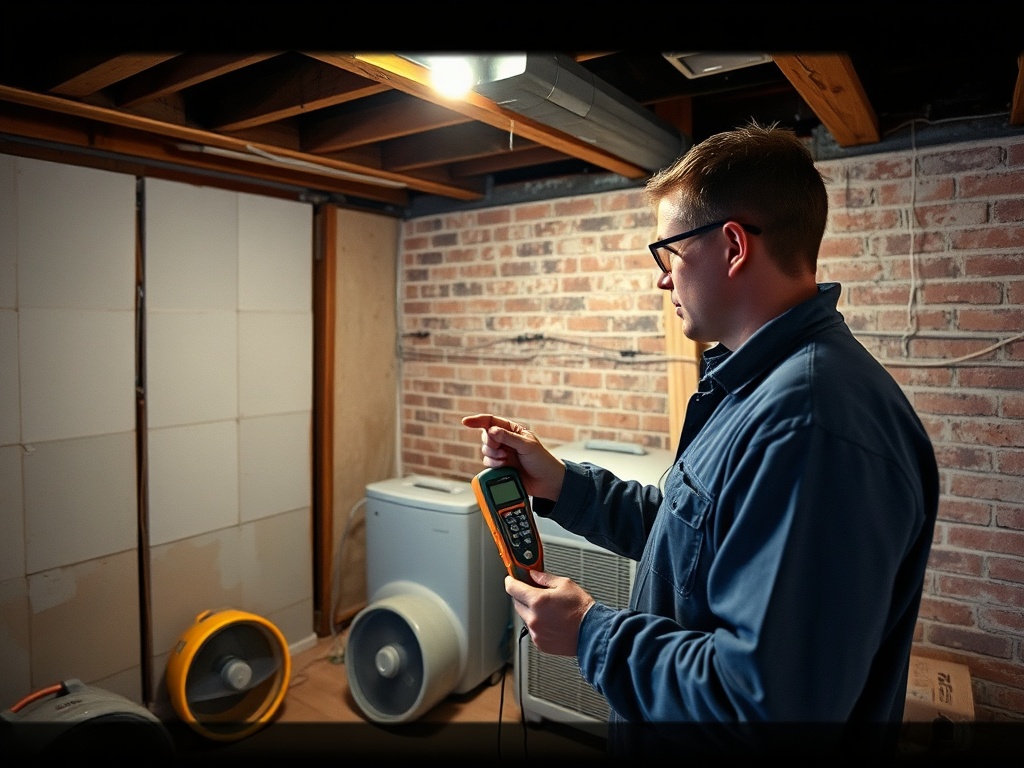
For water damage in Crestwood, assess the observed source, affected rooms, actual materials and moisture findings. Confirm the responsible utility if a public-system issue is suspected. Discuss equipment, scope, documentation, timing and payment arrangements for the individual loss rather than assuming neighborhood-wide failure patterns or direct insurer payment.
What makes water damage restoration different in Crestwood.
For a Crestwood water-damage scope, assess the actual plumbing, wall and floor assemblies and relevant property history. Base access, drying, removal and any specialist assessment on the findings. A neighborhood, construction era, tenancy or assumed soil condition does not establish a universal material condition, loss cause or completion time.
Quick answers for Crestwood homeowners.
Our 1962 Sappington brick ranch’s galvanized water line under the slab finally let go. What does that mean for the house?
A slab leak means water under the foundation and likely into the bottom plate of adjacent walls. We extract any visible water, then meter walls and flooring across a wide radius from the source. Slab leaks often saturate further than the visible stain suggests. If the line is repaired but the slab stays wet underneath, we set targeted drying. Replumbing through the attic or perimeter is a plumber decision. Once dry, we patch the access cut clean and you decide on permanent finish.
A washing machine hose burst on our main floor and water ran into the basement. Where does damage actually concentrate?
After a washing-machine leak affects two floors, assess the affected flooring, ceiling and concealed assemblies, including relevant penetrations. A visible stain alone does not define the extent. Discuss safe assessment access and any necessary drying or removal with the restoration team.
Our sump pump failed during a downpour and the basement flooded. The carrier is asking if it was a covered cause. What should I expect?
Ask the insurer to review the actual sump or backup provisions, limits and exclusions. Document whether equipment failed or water exceeded the system’s capacity where that can be established. The existence of an endorsement does not guarantee coverage for every event.
“We don’t tell you it’s mold because it looks like mold. We use independent findings, we plan, and we tell you what you don’t need to remediate.”
What’s included
Discussing a Crestwood water damage restoration job scope.
Discuss the proposed equipment, documentation and property-specific scope with Gateway. The main water damage restoration page describes the service and FAQ; the steps below provide an overview.
- Contact Gateway to confirm emergency dispatch and estimated arrival
- Discuss the extraction, drying and monitoring plan for the loss
- Confirm suitable equipment for the property and available access
- Agree on moisture monitoring and documentation of drying progress
- Confirm estimating format and requested insurance documentation
How calls run in Crestwood
What are the six steps in water damage restoration in Crestwood, MO?
- 01
Source control and moisture mapping for water damage restoration
Arrange safe assessment of the source and affected materials. Discuss any necessary source repair with the appropriate qualified professional and ask the restoration team to document moisture findings.
- 02
Site-specific containment planning
Assess the actual water source and contamination concerns before selecting containment and cleanup measures. Confirm the site-specific plan with the restoration team.
- 03
Standing-water extraction planning
Select suitable extraction methods based on safe access, contamination and the affected materials. Assess flooring and subfloor conditions to plan further drying or removal.
- 04
Equipment selection for structural drying
Select and monitor drying equipment for the actual materials and conditions. Ask the restoration team to explain equipment placement and drying targets.
- 05
Moisture monitoring through drying
Agree on a monitoring schedule and document drying progress. Confirm completion findings and any remaining work with the restoration team.
- 06
Assessing necessary material removal
Determine necessary material removal from the actual condition and documented restoration scope. Discuss applicable work requirements with the responsible professionals.
Other St. Louis cities we cover
Water Damage Restoration
across the St. Louis metro
Crestwood address. Water emergency.
Call Gateway’s emergency line to discuss the loss, crew availability and estimated response.
Related service information
See our water damage restoration service and process for the complete scope of work.