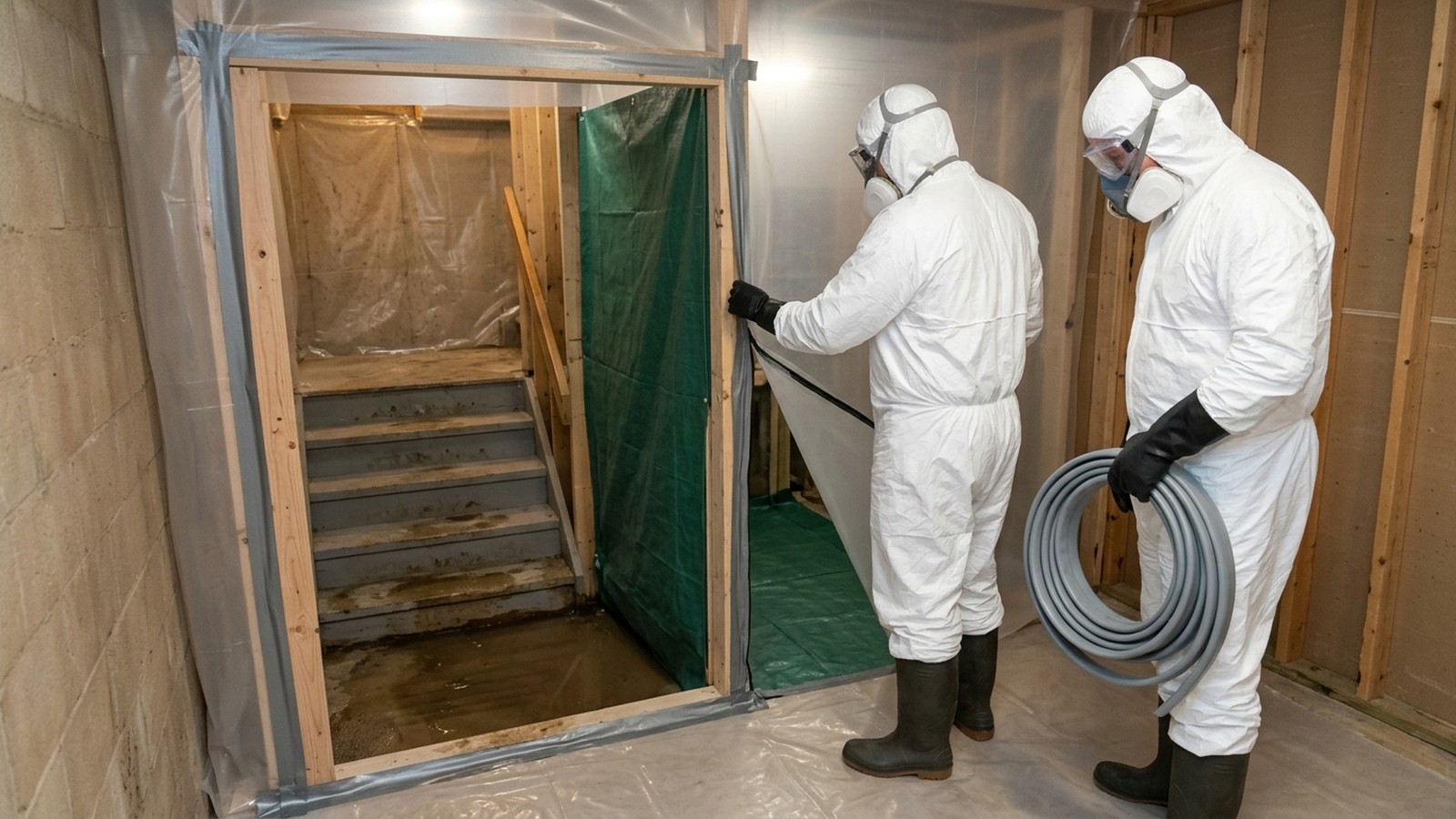
Sewer backup cleanup safety should begin with isolation, electrical safety, documentation, and a clear plan for removing contaminated water and materials. Keep people and pets away from the affected area, avoid direct contact, and do not enter standing water when electrical hazards may be present. Before moving belongings, photograph visible conditions from a safe location. Porous materials touched by sewage often require removal, while hard surfaces may be cleanable after contamination and residue are addressed. St. Louis homes vary widely in age, foundation type, drainage layout, and basement use, so the right response depends on where the backup occurred and which materials were affected.
What should you do immediately after discovering a sewer backup?
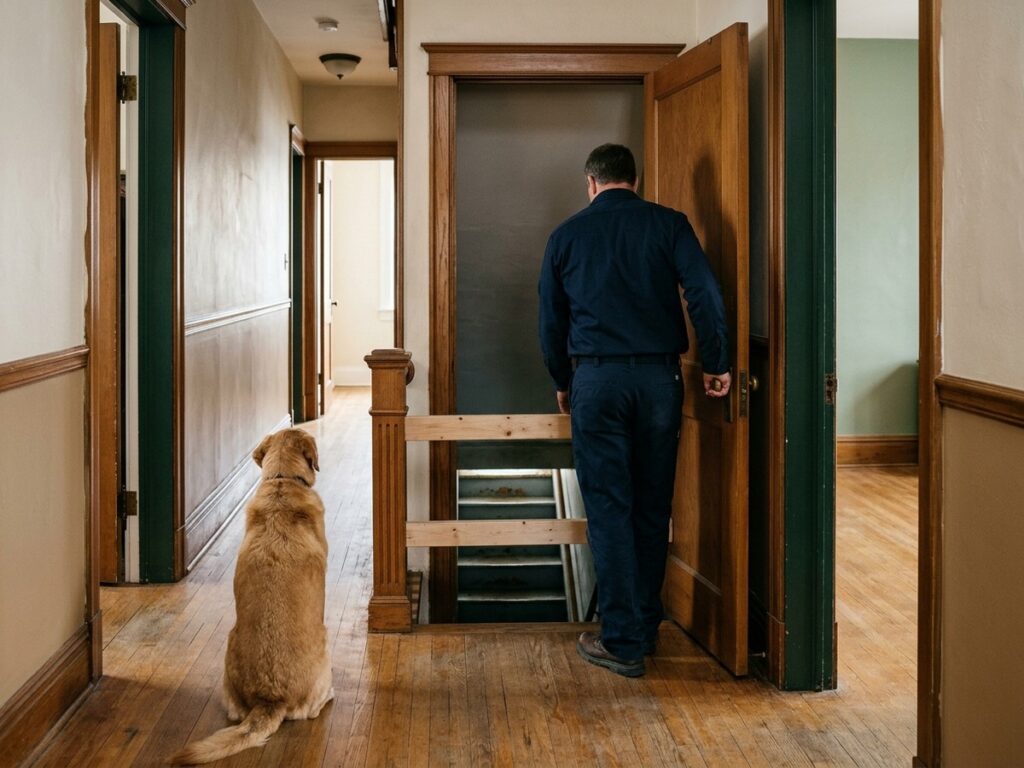
Treat the affected area as contaminated and restrict access. Sewage or floodwater can contain human waste, chemicals, sharp objects, and other hazards, so direct contact should be avoided whenever possible, according to CDC floodwater safety guidance. Children, pets, and anyone not involved in the response should remain outside the work area.
Take these immediate steps without walking through contaminated water:
- Keep people and pets away from affected rooms.
- Close doors to separate the area if doing so is safe.
- Stop using plumbing fixtures if their use appears to worsen the backup.
- Contact a plumber or the appropriate sewer authority to identify and control the source.
- Avoid flushing toilets, running washing machines, or draining sinks until the source is understood.
- Call a sewage cleanup company to assess the contamination and affected materials.
- Do not handle contaminated belongings with bare hands.
- Do not begin demolition or move heavy contents without checking for electrical and structural hazards.
A sewer backup and a storm-related basement flood can overlap, particularly when water enters through multiple routes. Gateway addresses contaminated sewage conditions separately from general basement flooding restoration because the cleanup plan must account for the water source and materials involved.
How should you handle electrical hazards, entry, and incidental contact?
Standing water and electricity are a dangerous combination, so do not enter a wet basement or room when outlets, appliances, wiring, extension cords, or electrical panels may be energized. The CDC advises against turning power on or off while standing in water and recommends having electrical systems checked when water may have affected them. Follow the utility provider’s or a qualified electrician’s direction rather than attempting to reach a panel through wet conditions, as outlined in the CDC’s returning-home guidance.
If brief contact is unavoidable and the area has been confirmed free of electrical hazards, protective equipment should reduce skin and eye exposure. CDC guidance identifies waterproof gloves, rubber boots, and goggles as basic protection around contaminated floodwater. Cover open cuts, wash exposed skin with soap and clean water, and launder contaminated clothing separately.
Do not use household fans, a furnace blower, or portable air movers before the area has been assessed and contaminated materials have been removed. This is a conservative work-area control because air movement can disturb contamination and carry it beyond the original area. Illinois guidance places ventilation and drying after disposal, washing, rinsing, and disinfection steps in its flood and sewer overflow cleanup guidance.
What should you photograph before sewer backup cleanup begins?
Photograph the visible damage only from a location you can reach safely. Documentation should show overall conditions and specific affected items without requiring you to walk through sewage, touch contaminated materials, or delay urgent safety work.
Useful photographs and notes include:
- Wide views of each affected room
- The visible water level and any waterline on walls or contents
- The drain, toilet, floor opening, or plumbing fixture where the backup appeared
- Flooring, drywall, baseboards, cabinets, and built-in components
- Furniture, stored belongings, appliances, and mechanical equipment
- Model and serial numbers that are visible without moving equipment
- Adjacent rooms that appear unaffected
- The date the backup was discovered and any changes you observed
Do not stage photographs by moving wet contents into clean areas. Keep a simple list of calls, inspections, plumbing findings, and cleanup work. Gateway’s insurance claims assistance can help organize restoration documentation, but coverage decisions and policy interpretation remain with the property owner and insurer.
Which sewage-contaminated materials can be cleaned?
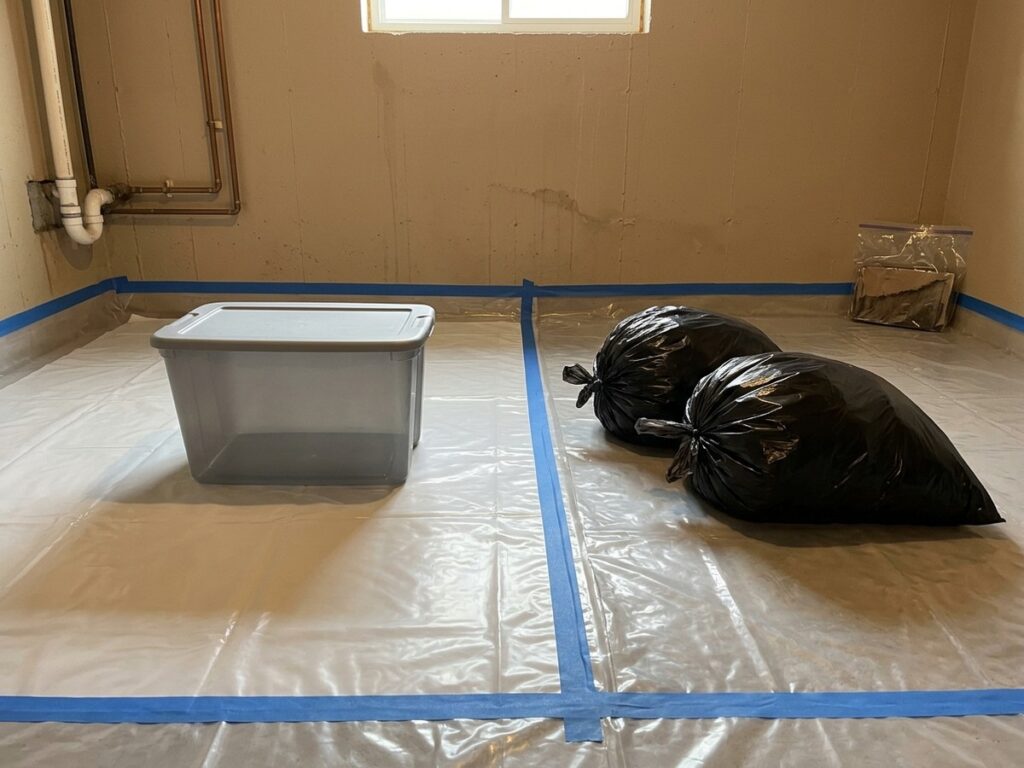
Material type, contamination level, condition, and accessibility determine whether an item can be cleaned or should be removed. Smooth, nonporous surfaces may be candidates for cleaning after visible sewage and residue are removed. Absorbent materials are more difficult to restore because contamination can enter spaces that surface cleaning cannot reliably reach.
Illinois public health guidance advises discarding sewage-contaminated absorbent materials such as carpeting, carpet padding, upholstered furniture, mattresses, wallboard, and insulation. It also describes washing hard surfaces with detergent and clean water before applying an appropriate disinfectant, following product directions and safety precautions.
Common material decisions include:
| Material or surface | Typical cleanup consideration |
|---|---|
| Tile, sealed concrete, metal, and some plastics | May be cleanable when accessible and structurally sound |
| Drywall and insulation | Contaminated sections commonly require removal |
| Carpet and carpet pad | Sewage contact generally makes removal appropriate |
| Upholstered furniture and mattresses | Internal contamination can prevent reliable surface cleaning |
| Wood framing | Requires assessment of condition, accessibility, contamination, and drying |
| Stored paper goods and cardboard | Highly absorbent and difficult to clean after sewage contact |
| Appliances and mechanical equipment | Require evaluation for electrical, mechanical, and contamination concerns |
Cleaning is not simply applying disinfectant over visible soil. Physical contamination must be removed, surfaces must be washed as appropriate, and disinfectants must be used according to their labels. Never mix cleaning chemicals.
How do professional sewer backup cleanup companies approach the work?
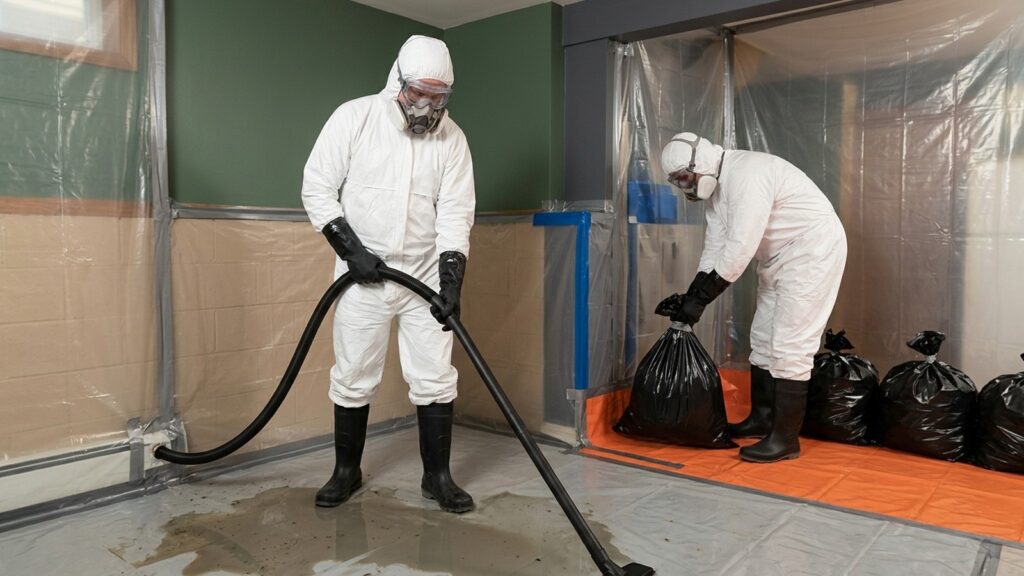
Professional sewage cleanup is organized around hazard control, contamination boundaries, material decisions, cleaning, and drying. The exact scope depends on the source, depth, affected rooms, building materials, and whether contaminated water moved into concealed spaces.
A cleanup plan may include:
- Site and electrical safety assessment: Identify unsafe access, standing water, affected utilities, and areas that must remain restricted.
- Source coordination: Confirm that a plumber, sewer authority, or other appropriate party has addressed the active backup.
- Work-area control: Separate affected spaces from clean portions of the property and establish safe routes for removing debris.
- Water and waste removal: Extract contaminated water and remove sewage solids using methods suited to the conditions.
- Material evaluation: Identify porous materials requiring removal and hard surfaces that may be cleaned.
- Cleaning and disinfecting: Remove residue, clean accessible surfaces, and use suitable products according to label directions.
- Drying and monitoring: Dry remaining structural materials after contaminated debris and residue have been addressed.
- Completion review: Check the work area, document the completed scope, and discuss conditions for re-entry.
How does a plan-driven restoration approach help?
A written, condition-based plan helps keep safety decisions separate from guesswork. Gateway’s approach connects the source information, affected materials, contamination boundaries, removal scope, cleaning steps, and drying needs so that equipment is not placed before the area is ready and materials are not kept or discarded without an assessment.
What are common sewer backup safety questions?
Safe decisions depend on actual site conditions rather than a universal waiting period. These answers provide general guidance, but electrical hazards, extensive contamination, or uncertainty about concealed areas call for professional assessment.
Can I stay in the house during sewage cleanup?
Keep everyone out of the affected area. Whether other portions of the building can remain occupied depends on separation from the work zone, access routes, utilities, odors, and the extent of contamination.
When is it safe for children and pets to return?
Children and pets should not return to the affected space until contaminated materials have been removed, appropriate cleaning is complete, remaining materials are dry, and work-area restrictions have been released. Do not rely on appearance or odor alone.
Can I run fans or a dehumidifier?
Do not start fans before assessment and removal of sewage-contaminated materials. Drying equipment should be used as part of a controlled cleanup plan, not as a substitute for extraction, material removal, and surface cleaning.
What should I ask a plumber after cleanup?
Ask what caused the backup, whether the cause was inside the building or in the sewer connection, and whether additional inspection is appropriate. Also ask what maintenance options apply to the property, what warning signs to watch for, and whether plumbing or drainage changes should be considered. The answers will vary by building and system.
Who can help with sewage cleanup in the St. Louis metro?
Gateway Water & Mold serves Missouri and Illinois properties with a safety-focused, plan-driven response to contaminated water. If a sewer backup has affected your basement or another part of the building, review Gateway’s sewage cleanup service for help assessing affected materials, controlling the work area, removing contamination, cleaning accessible surfaces, and drying the remaining structure.