Gateway/Emergency Water Extraction/Bridgeton
Emergency Water Extraction
in Bridgeton, MO.
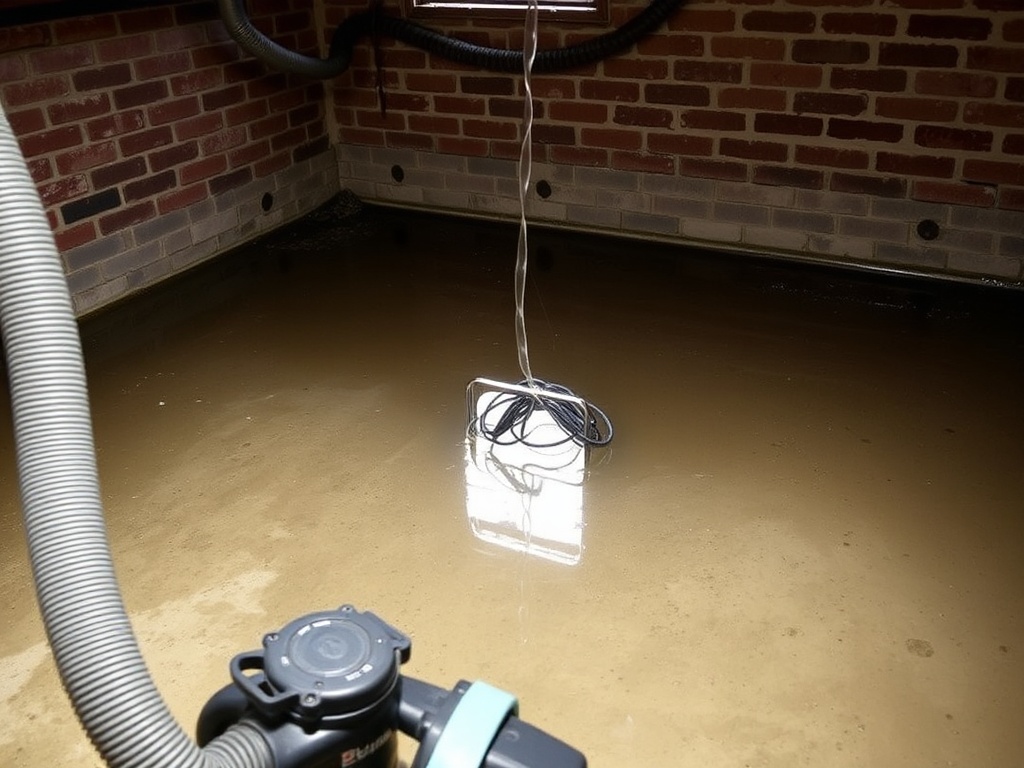
Emergency water extraction for Bridgeton, MO properties. Contact Gateway to discuss the water source, access conditions, available equipment and current dispatch timing. Drying requirements follow the assessment.
For damage that needs drying, cleanup, and documentation after extraction, coordinate with our Bridgeton water damage restoration team so the full mitigation process stays connected.
Questions we hear from Bridgeton
What Bridgeton homeowners
ask us most.
Our Harmann Estates ranch is on a slab. A toilet supply line failed and the hallway carpet is soaked. Different process than a basement?
For a supply-line loss on a slab, inspect the flooring, wall edges and concealed moisture before defining extraction, removal and drying. Construction type alone does not establish how far water spread or guarantee a faster drying time.
We are inside the Earth City levee zone. Our mortgage requires NFIP flood insurance. Does that cover water in the basement?
Identify the observed water source and ask the insurer which policy provisions apply. Flood, plumbing and backup claims can have different terms; a source label alone does not determine payment or a fixed review timeline.
We bought into a Carrollton-area buyout zone parcel that was rebuilt. Should we be worried about residual flood risk?
Confirm the parcel’s actual land-use history, permits and any elevation documentation with the responsible local authority. Do not infer flood protection or rebuilding eligibility from a general buyout-area description. Inspect current drainage and water-entry conditions.
Why these questions in Bridgeton.
For a Bridgeton water emergency, discuss the observed water source, affected materials and safe access with Gateway. The extraction and drying scope should follow the actual assessment. Confirm dispatch timing, documentation, any specialist assessment needed before disturbing materials, and payment arrangements for the individual loss.
How emergency water extraction actually runs here.
For Bridgeton extraction work, assess the actual water source, affected assemblies and equipment access. Consult current property-specific flood information and ask the insurer or lender about applicable requirements. A levee-adjacent location does not itself establish mandatory NFIP coverage or a fixed removal height.
“We don’t tell you it’s mold because it looks like mold. We use independent findings, we plan, and we tell you what you don’t need to remediate.”
What’s included
Discussing a Bridgeton emergency water extraction job scope.
Discuss the proposed equipment, documentation and property-specific scope with Gateway. The main emergency water extraction page describes the service and FAQ; the steps below provide an overview.
- Confirm available extraction equipment and dispatch timing
- Plan standing-water removal after safety and contamination assessment
- Assess moisture in affected carpet, pad and subfloor
- Define contamination precautions for the actual water source and conditions
- Discuss any additional restoration needed after extraction
How calls run in Bridgeton
What are the six steps in emergency water extraction in Bridgeton, MO?
- 01
On-site with the right water extraction gear
Discuss the reported water volume and access conditions so suitable extraction equipment can be planned. Confirm equipment availability and arrival timing directly.
- 02
Extracting the standing water first
Assess safety and contamination concerns before bulk water removal. The extraction plan should reflect the conditions found at the property.
- 03
Wet vacuum extraction of carpet and pad
Assess the carpet, pad and subfloor to determine appropriate drying or removal. Document the findings and proposed work.
- 04
Moisture map of the affected structure
Use an appropriate moisture assessment to document affected materials. Ask which observations and instruments support the findings.
- 05
Assessment of contaminated carpet and pad
Have contaminated carpet, pad and other affected materials assessed for removal under the site-specific cleanup plan.
- 06
Staging the structural drying equipment
Select and monitor drying equipment for the affected materials and conditions. Discuss the drying target and completion findings with the restoration team.
Other St. Louis cities we cover
Where we do emergency water
extraction across the St. Louis metro
Bridgeton address. Water emergency.
Call Gateway’s emergency line to discuss the loss, crew availability and estimated response.
Related service information
See our emergency water extraction service and process for the complete scope of work.