Gateway/Emergency Water Extraction/St. Charles
Emergency Water Extraction
in St. Charles, MO.
Emergency water extraction for St. Charles, MO properties. Contact Gateway to discuss the water source, access conditions, available equipment and current dispatch timing. Drying requirements follow the assessment.
For damage that needs drying, cleanup, and documentation after extraction, coordinate with our St. Charles water damage restoration team so the full mitigation process stays connected.
St. Charles data points
Three things we
know about St. Charles.
- Housing assessment: confirm the construction and affected materials
- Drainage assessment: inspect the actual water-entry conditions
- Utility coordination: confirm the provider serving the property
Emergency Water Extraction in St. Charles.
For emergency water extraction in St. Charles, assess the actual water source, contamination concerns, affected floor and wall assemblies, and equipment access. Confirm the responsible utility for a suspected public-system issue. Neighborhood, construction era and assumed soil conditions do not establish the source, contamination category or drying time.
What makes emergency water extraction in St. Charles different?
For a St. Charles water emergency, discuss the observed water source, affected materials and safe access with Gateway. The extraction and drying scope should follow the actual assessment. Confirm dispatch timing, documentation, any specialist assessment needed before disturbing materials, and payment arrangements for the individual loss.
We are in an 1890s wood-frame in Frenchtown. Burst pipe in the second floor bath. What survives?
For a pipe leak in an older home, have the actual floor, plaster, ceiling support and concealed assemblies assessed. Discuss preservation options with appropriately qualified specialists before disturbing historic materials. An early response or material age does not guarantee that the boards or plaster can be saved.
Our Frenchtown home has stone foundation walls and 1850s brick. Water damage scoping must be very different. How?
Assess the actual condition of historic masonry, mortar, plaster and wood before choosing drying methods. Ask appropriately qualified restoration specialists to define monitoring and preservation requirements. A construction date alone does not establish a drying method or completion time.
“We don’t tell you it’s mold because it looks like mold. We use independent findings, we plan, and we tell you what you don’t need to remediate.”
What’s included
Discussing a St. Charles emergency water extraction job scope.
Discuss the proposed equipment, documentation and property-specific scope with Gateway. The main emergency water extraction page describes the service and FAQ; the steps below provide an overview.
- Confirm available extraction equipment and dispatch timing
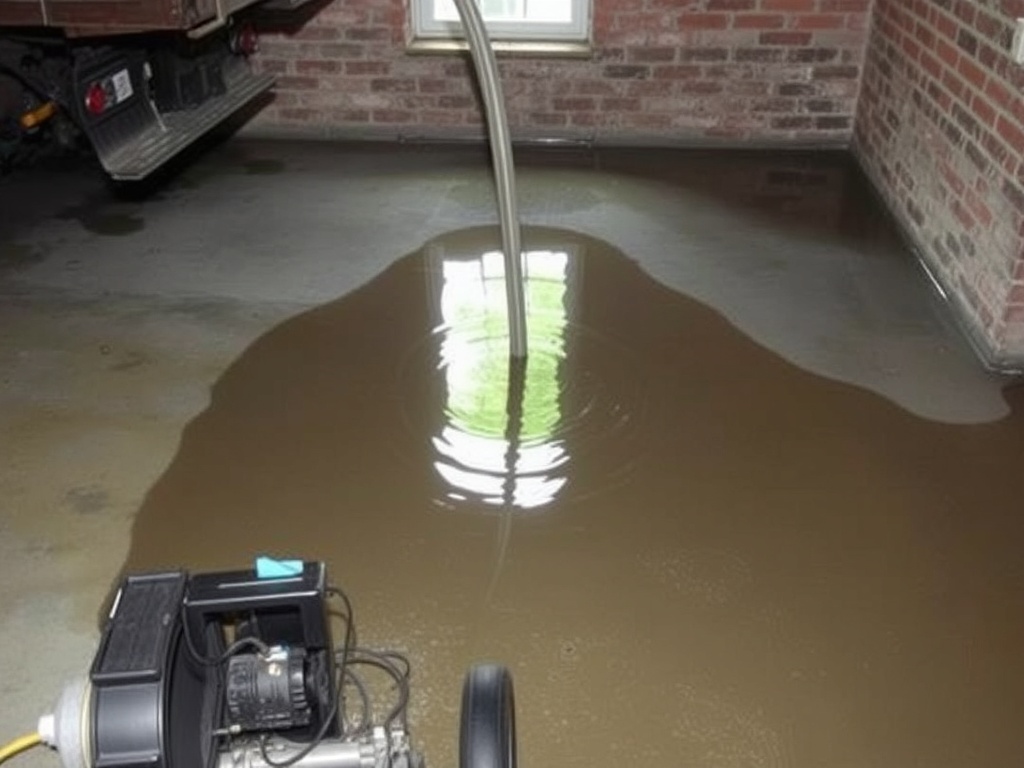
- Plan standing-water removal after safety and contamination assessment
- Assess moisture in affected carpet, pad and subfloor
- Define contamination precautions for the actual water source and conditions
- Discuss any additional restoration needed after extraction
How calls run in St. Charles
What are the six steps in emergency water extraction in St. Charles, MO?
- 01
On-site with the right water extraction gear
Discuss the reported water volume and access conditions so suitable extraction equipment can be planned. Confirm equipment availability and arrival timing directly.
- 02
Extracting the standing water first
Assess safety and contamination concerns before bulk water removal. The extraction plan should reflect the conditions found at the property.
- 03
Wet vacuum extraction of carpet and pad
Assess the carpet, pad and subfloor to determine appropriate drying or removal. Document the findings and proposed work.
- 04
Moisture map of the affected structure
Use an appropriate moisture assessment to document affected materials. Ask which observations and instruments support the findings.
- 05
Assessment of contaminated carpet and pad
Have contaminated carpet, pad and other affected materials assessed for removal under the site-specific cleanup plan.
- 06
Staging the structural drying equipment
Select and monitor drying equipment for the affected materials and conditions. Discuss the drying target and completion findings with the restoration team.
Other St. Louis cities we cover
Where we do emergency water
extraction across the St. Louis metro
St. Charles address. Water emergency.
Call Gateway’s emergency line to discuss the loss, crew availability and estimated response.
Related service information
See our emergency water extraction service and process for the complete scope of work.