Gateway/Blog

Troy, IL’s Spring Humidity: Detecting Hidden Mold Behind Walls in Older and Newer Homes

Troy, IL's Spring Humidity: Detecting Hidden Mold Behind Walls in Older and Newer Homes

Spring’s arrival in Troy, Illinois brings warm weather and rising humidity that creates ideal conditions for hidden mold growth behind walls. The combination of Madison County’s clay-heavy soils and Troy’s mix of 1970s split-levels and newer subdivisions near Highway 40 creates unique moisture challenges that Gateway Water & Mold’s IICRC-trained technicians encounter regularly throughout the region.

What to Do About Hidden Mold Signs in Troy

  • Check basement walls and lower levels for musty odors, especially in finished basements common in Troy’s older neighborhoods
  • Look for water stains or discoloration around windows, particularly in ranch-style homes built during Troy’s 1980s expansion
  • Monitor humidity levels above 60% using a hygrometer, as Troy’s clay soil retains moisture near foundations
  • Inspect areas around HVAC systems and ductwork for condensation buildup during spring temperature swings
  • Document any health symptoms like persistent coughing or allergies that worsen indoors
  • Schedule professional air and surface testing if you notice multiple warning signs

Professional vs. DIY Mold Detection Methods

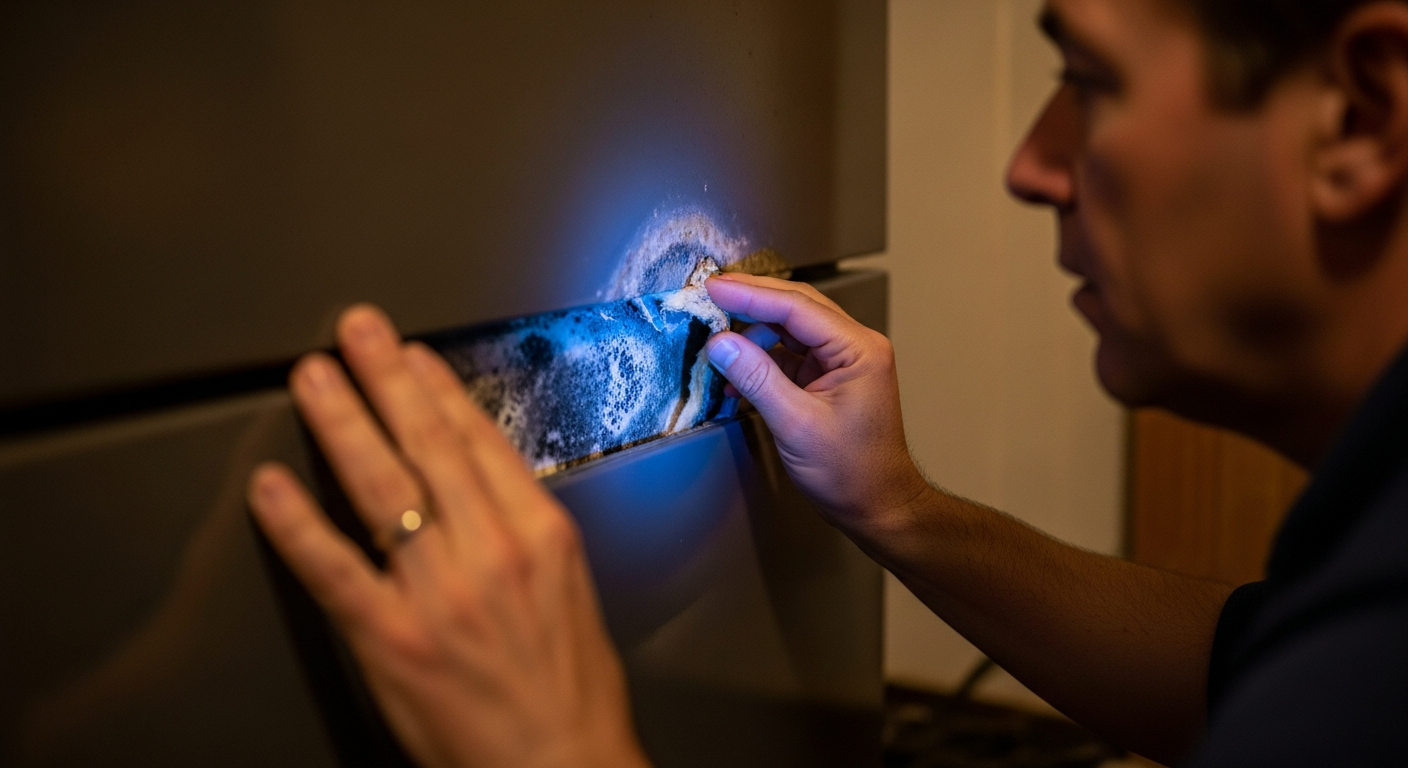
Troy, IL's Spring Humidity: Detecting Hidden Mold Behind Walls in Older and Newer Homes — in-context / use-case image

Professional Testing Approach

Gateway Water & Mold uses both air sampling and surface testing to identify mold species and spore concentrations. Air samples capture airborne mold spores that DIY methods miss entirely, while surface samples from suspected growth areas provide definitive identification. Professional-grade equipment measures spore counts per cubic meter of air, with normal outdoor levels in Madison County typically ranging from 200-1,000 spores per cubic meter according to Environmental Protection Agency guidelines.

Their testing approach follows the “test before we tear out” methodology, using moisture readings and scientific data rather than visual inspection alone. This prevents unnecessary demolition that costs Troy homeowners thousands of dollars in repairs.

DIY Detection Limitations

Home test kits sold at hardware stores only detect surface mold that’s already visible. These tests cannot identify mold species, measure spore concentrations, or detect hidden growth behind drywall. Visual inspection misses early-stage mold colonies that haven’t yet produced visible growth but are actively releasing spores into indoor air.

DIY methods cannot distinguish between cosmetic staining and active mold growth. Gateway Water & Mold recently helped a Troy family who purchased a 1920s home where an inspector recommended mold testing. Lab results showed that dark staining in the basement was cosmetic, not active mold, saving the family from unnecessary remediation costs.

Troy’s Spring Humidity and Hidden Mold Risk

Troy’s location in Madison County creates specific conditions that promote hidden mold growth during spring months. The area’s Edwardsville series soils are somewhat poorly drained and hold moisture against home foundations. National Weather Service data shows Troy averages 4.1 inches of rainfall in May, with humidity levels frequently exceeding 70% during spring warming periods.

Homes in Troy’s Woodland Hills subdivision and the neighborhoods around Wickliffe Elementary School face particular challenges due to their construction on clay-heavy soils with poor drainage. These conditions create persistent moisture problems in basements and crawl spaces. The clay soil expands when wet and contracts when dry, creating small foundation cracks that allow moisture infiltration.

Spring temperature fluctuations between 45°F nights and 75°F days create condensation inside wall cavities, particularly in homes with inadequate vapor barriers. This condensation feeds mold growth behind drywall, especially on north-facing walls that receive less direct sunlight for drying.

Hidden Mold Signs Behind Walls Troy Illinois

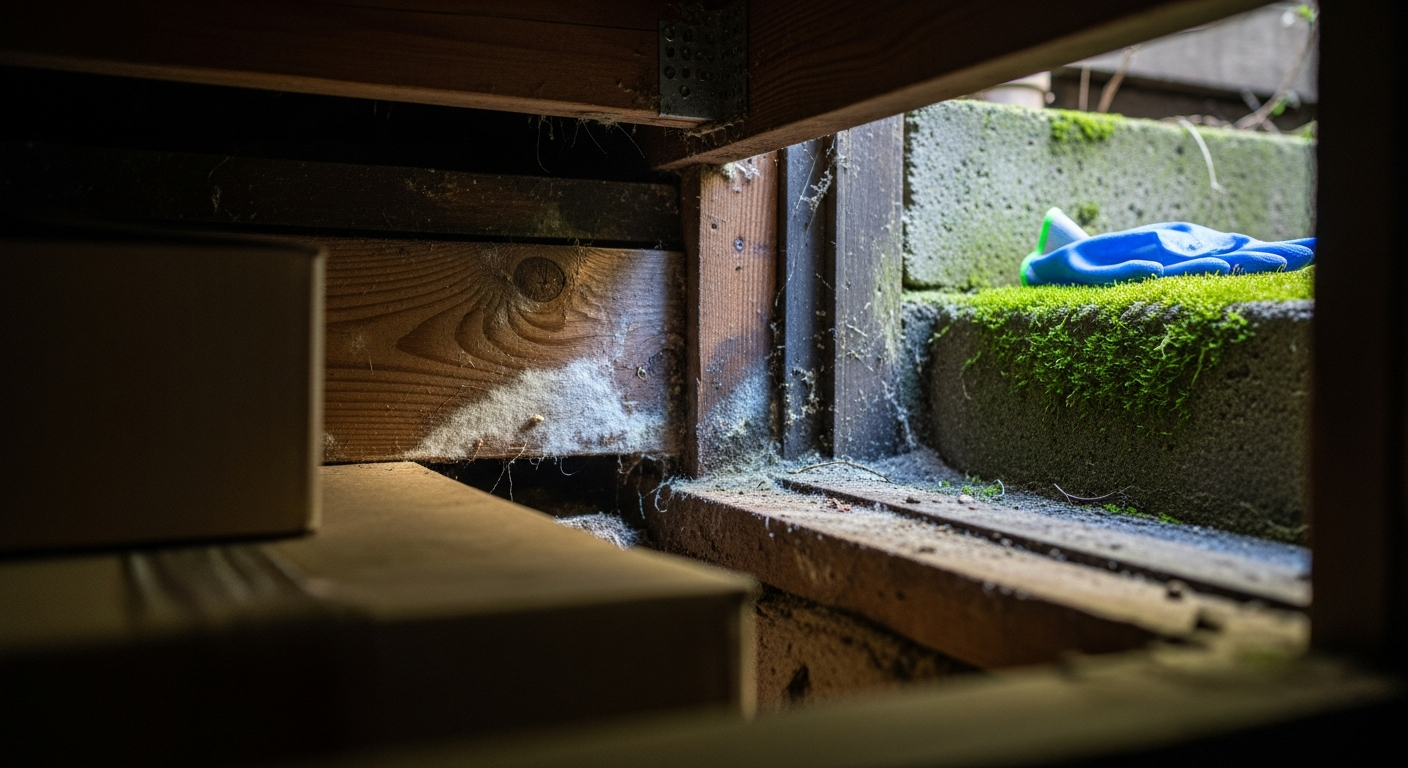
Troy, IL's Spring Humidity: Detecting Hidden Mold Behind Walls in Older and Newer Homes — process / how-it-works image

Odor Patterns and Air Quality Changes

A persistent musty smell in basement Troy IL areas often indicates hidden mold growth behind finished basement walls or inside HVAC ducts. The smell intensifies during humid spring weather when mold spores become more active. Unlike surface mold that you can see, hidden colonies produce continuous odors because spores circulate through indoor air without visible source identification.

Troy’s many split-level homes built in the 1970s and 1980s often develop mold behind wood paneling in lower levels. The paneling traps moisture against foundation walls, creating ideal growing conditions. Homeowners notice the musty smell becomes stronger near specific wall sections or when heating and cooling systems circulate air.

Physical Signs and Structural Indicators

Water stains on walls or ceilings indicate moisture problems that often lead to hidden mold growth. In Troy’s ranch-style homes, check for stains around window frames and in corners where two exterior walls meet. These areas collect condensation during spring humidity spikes.

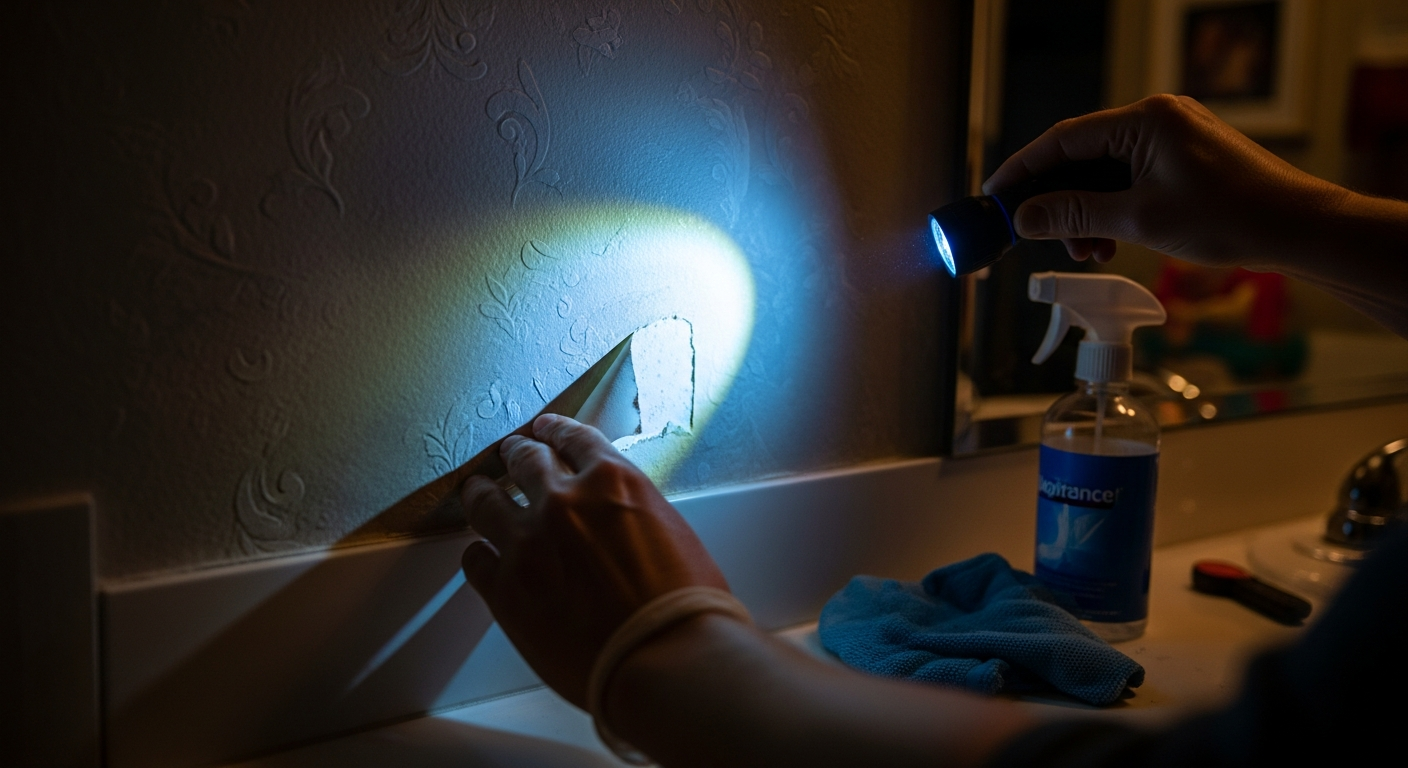
Peeling paint or wallpaper, particularly in bathrooms and basements, signals moisture infiltration behind wall surfaces. Warped baseboards or flooring near exterior walls also indicate moisture problems that support mold growth in wall cavities.

Spring Humidity Mold Prevention Troy


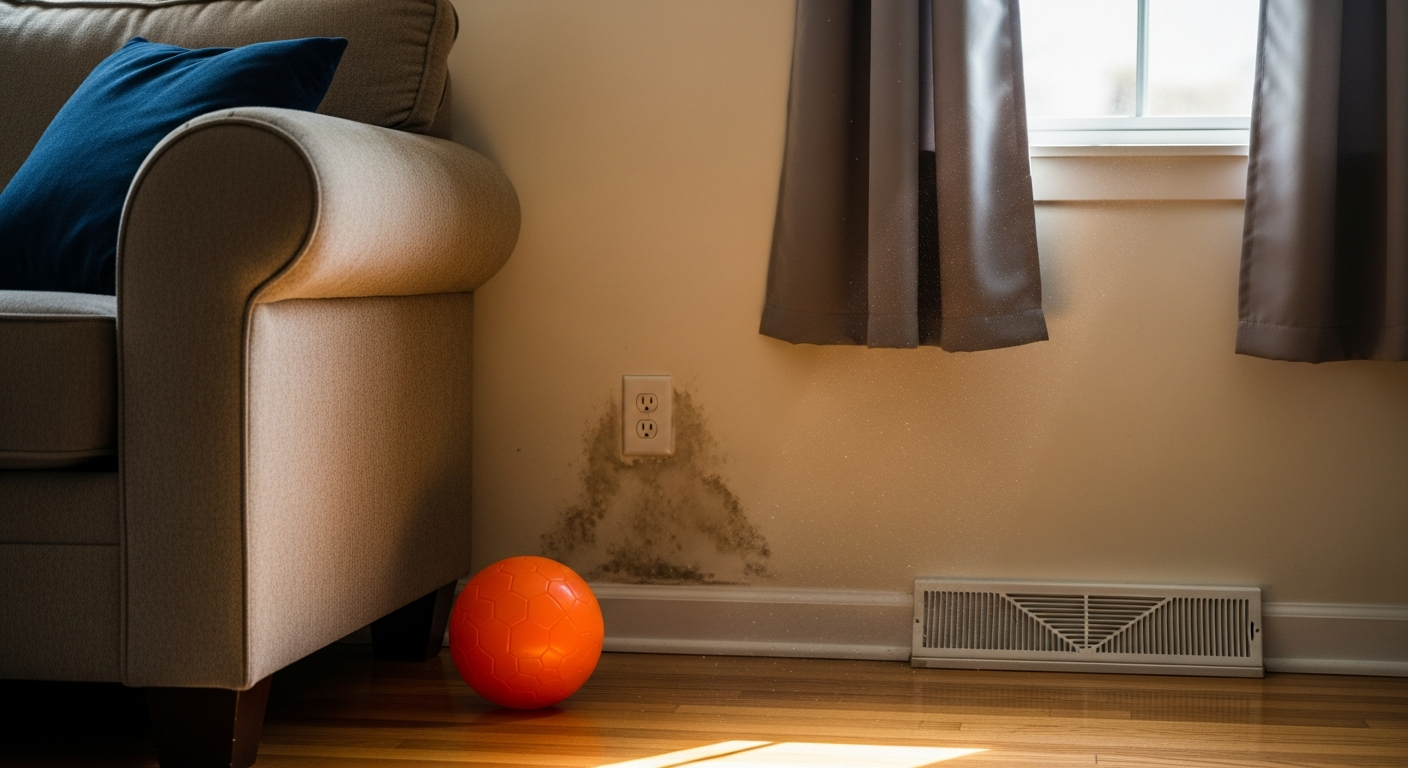
Troy, IL's Spring Humidity: Detecting Hidden Mold Behind Walls in Older and Newer Homes — outcome / result image

Troy’s clay soil and seasonal weather patterns require specific prevention strategies during spring months. Install dehumidifiers in basements when indoor humidity exceeds 50%, which occurs frequently during Troy’s wet spring season. The clay soil around foundations stays saturated longer than sandy soils, creating persistent basement moisture problems.

Ensure proper grading around foundations, directing water away from the house. Troy’s flat terrain and clay soil create drainage challenges that require active water management. Clean gutters and downspouts regularly, as spring storms bring heavy rainfall that overwhelms clogged drainage systems.

Check basement windows and wells for proper sealing, as these common entry points for moisture become problematic during spring rain events. Many Troy homes have below-grade basement windows that leak during heavy rainfall, creating hidden moisture problems behind finished wall systems.

Gateway Water & Mold’s Troy Testing Process

Gateway Water & Mold’s approach to hidden mold detection in Troy combines scientific testing with local expertise about Madison County’s specific moisture challenges. Their IICRC-trained technicians use moisture meters to identify elevated readings behind walls before conducting air and surface sampling.

The team traces water sources to their origins, whether from foundation leaks, plumbing problems, or HVAC condensation issues common in Troy’s housing stock. They document everything using Xactimate-aligned reporting that insurance carriers accept on first review, preventing delays in claims processing.

A recent Troy customer called at 3 AM when a second-floor pipe burst. Gateway Water & Mold answered live, dispatched a crew, and arrived within 70 minutes. By 6 AM, water was extracted and drying equipment was running, preventing the mold growth that typically develops within 24-48 hours of water damage. Their rapid response and thorough documentation helped the homeowner’s insurance claim get approved in just two weeks.

The team’s testing methodology saves Troy homeowners significant money by avoiding unnecessary demolition. They recently worked with a family whose basement backed up overnight. While other companies quoted gutting the entire finished basement, Gateway Water & Mold’s testing showed contamination extended only four feet up the wall, reducing the scope by approximately $40,000.

Hidden mold detection requires scientific testing combined with local knowledge of Troy’s specific moisture challenges. Professional testing identifies problems before they become visible, saving both health concerns and repair costs. Contact Gateway Water & Mold for comprehensive mold testing that includes both air sampling and surface testing, proper documentation for insurance claims, and water damage restoration when moisture sources need immediate attention.

Frequently Asked Questions


Troy, IL's Spring Humidity: Detecting Hidden Mold Behind Walls in Older and Newer Homes — human element image

What’s the difference between hidden mold testing and visible mold inspection in Troy Illinois?

Hidden mold testing uses air sampling to detect spore concentrations behind walls and in HVAC systems where visual inspection cannot reach. Visible mold inspection only identifies surface growth that’s already apparent. In Troy’s humid spring conditions, mold often grows inside wall cavities for months before becoming visible, making air testing essential for early detection. Professional air sampling measures spore counts and identifies specific mold species, while visual inspection only confirms what homeowners can already see.

How much does professional mold inspection Troy IL cost compared to remediation delays?

Professional mold testing in Troy typically costs $300-500 and prevents unnecessary remediation that can cost $15,000-40,000 for whole-basement projects. Gateway Water & Mold recently saved a Troy family $40,000 by testing before demolition, proving contamination was limited to a small area rather than requiring complete basement renovation. Early detection also prevents health issues and structural damage that develop when hidden mold grows unchecked behind walls for extended periods.

Why does spring humidity cause more hidden mold problems in Troy’s clay soil areas?

Troy’s Edwardsville series clay soils retain moisture against foundations longer than well-draining soils, creating persistent basement humidity throughout spring months. Clay soil expands when wet, creating foundation micro-cracks that allow moisture infiltration. Spring temperature swings between cool nights and warm days create condensation inside wall cavities, particularly in Troy’s split-level homes where temperature zones meet. This combination of soil moisture and indoor condensation creates ideal conditions for hidden mold growth behind finished basement walls and in lower-level living spaces.

Water in your home or workplace right now?

Live phone, twenty-four seven. We dispatch the nearest crew the moment we hang up, across the St. Louis metro, both sides of the river.

Call (314) 947-3419

Carrier names and trademarks referenced on this site are the property of their respective owners. Gateway Water and Mold is not affiliated with, endorsed by, or a preferred contractor for any insurance carrier. We work alongside policyholders and their carriers on restoration claims; policyholders retain the right to choose their own restoration contractor.