Gateway/Blog

St. Louis City’s Historic Brick Basements: Identifying Hidden Mold Risks from Persistent Spring Dampness

Historic St. Louis brick basement with hidden moisture and mold risk

St. Louis City’s historic brick homes tell stories through their architecture, but their basements often hide a modern problem: mold growth from persistent spring dampness. In neighborhoods like Lafayette Square, Soulard, and Tower Grove South, Gateway Water & Mold’s IICRC-trained team regularly encounters hidden mold in historic brick basements that homeowners never suspected existed. These century-old foundations, built with different moisture management standards than today’s construction, create unique challenges for mold prevention and detection.

What to Do About Hidden Mold in Historic St. Louis Basements

  • Schedule professional air quality testing before you see visible mold, brick basements often harbor growth behind walls
  • Install a dehumidifier rated for your basement square footage to maintain humidity below 50%
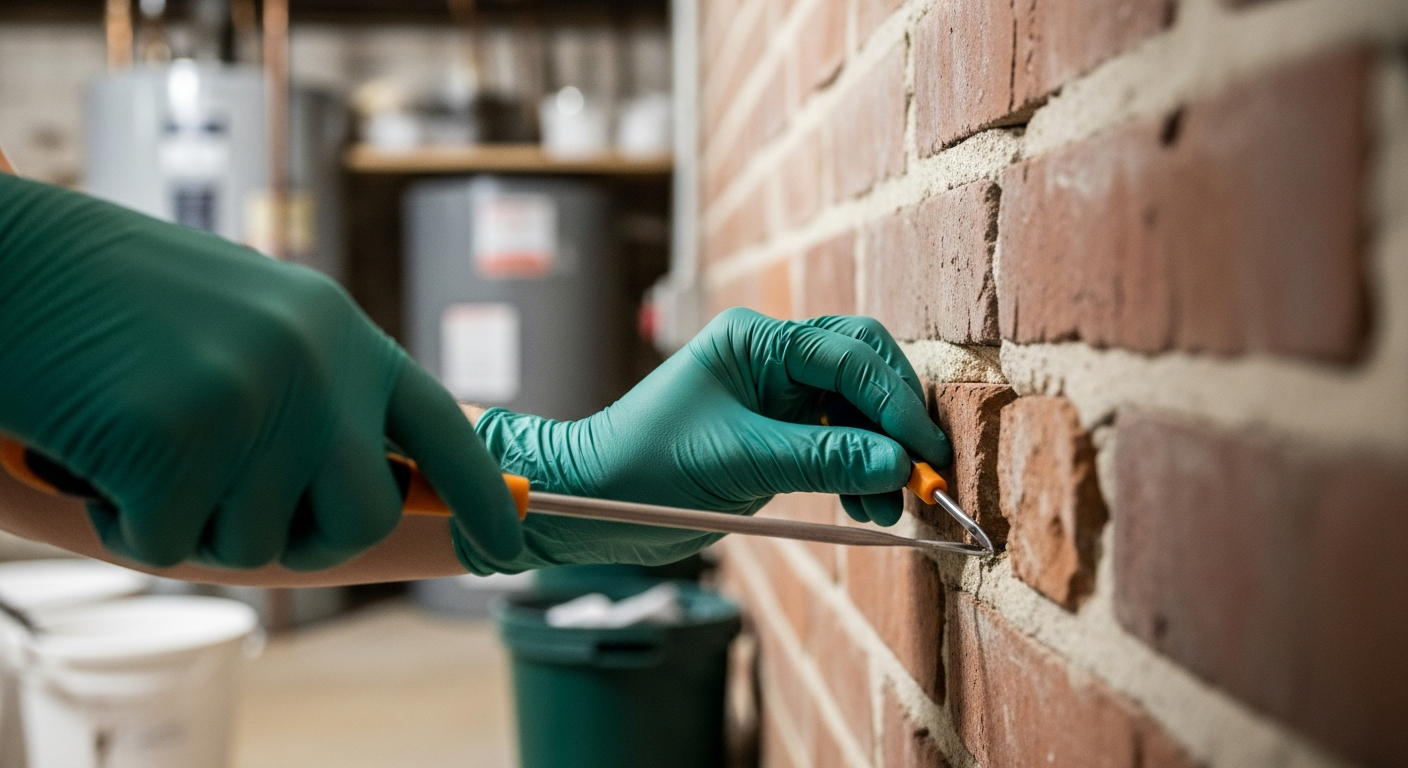
  • Inspect mortar joints annually for cracking or deterioration that allows moisture infiltration
  • Check basement walls after heavy spring rains for new water stains or musty odors
  • Document any moisture issues with photos and moisture readings for insurance purposes
  • Have HVAC ducts cleaned if they run through damp basement areas

Why Historic Brick Basements Develop Hidden Mold

St. Louis City's Historic Brick Basements: Identifying Hidden Mold Risks from Persistent Spring Dampness, in-context / use-case image

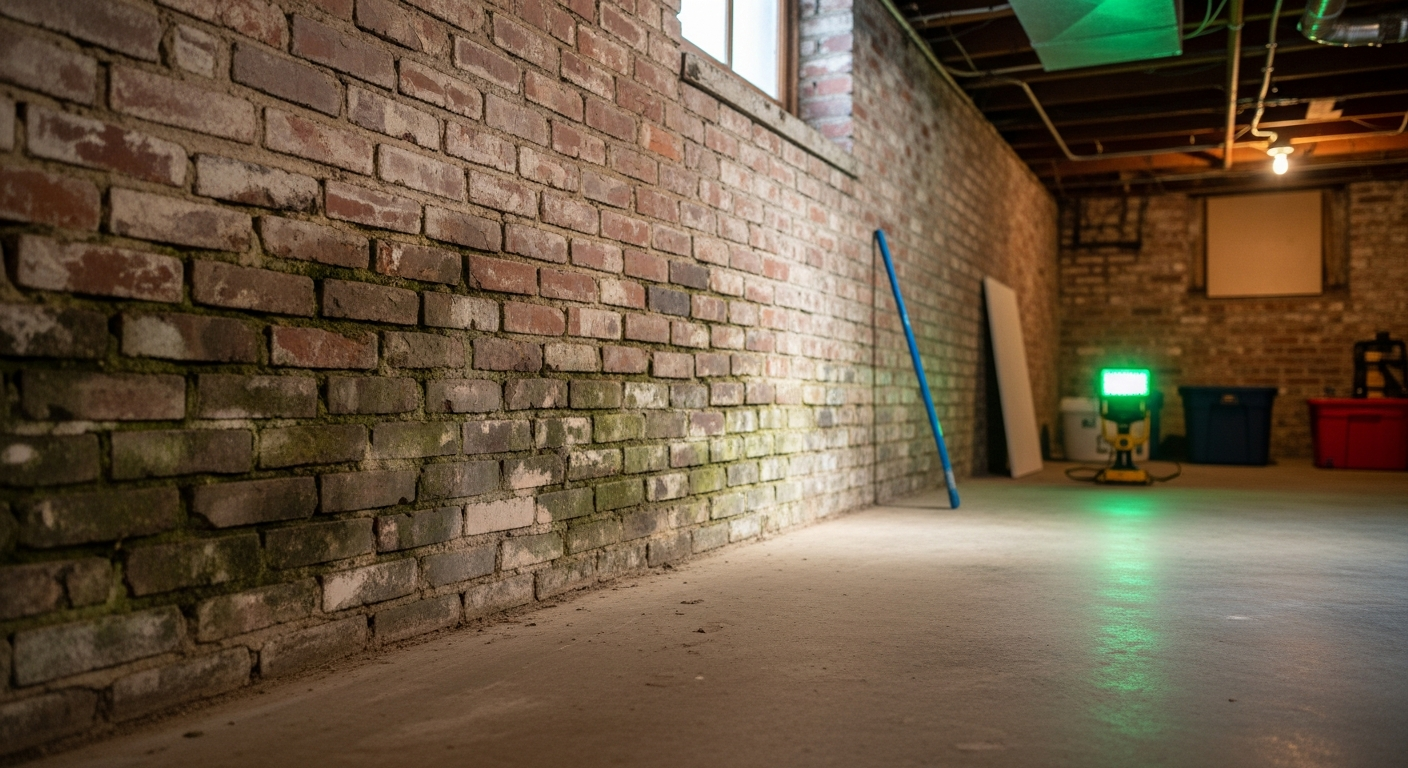
St. Louis City’s historic brick basements, particularly those built between 1880 and 1920, weren’t designed with modern moisture barriers. These foundations use lime-based mortar that becomes increasingly porous over time, allowing groundwater to seep through walls. According to the St. Louis Building Division, most homes in the Central West End and Shaw neighborhoods feature rubble stone foundations with brick veneer, creating multiple pathways for moisture infiltration.

The city’s clay-rich soil compounds the problem. USGS soil surveys show St. Louis sits on expansive clay that retains water during spring rains, creating hydrostatic pressure against basement walls. When humidity exceeds 60%, common in these damp conditions, mold spores naturally present in old buildings begin active growth. Unlike visible surface mold, hidden mold in historic brick basement St. Louis City properties often develops behind finished walls, inside wall cavities, or within the porous brick itself.

Spring Humidity Creates Perfect Conditions

St. Louis City experiences average spring humidity levels of 65-75%, with National Weather Service data showing April and May relative humidity frequently exceeding 80% during rain events. Historic neighborhoods like The Hill and Botanical Heights see basement humidity spike even higher due to poor drainage and aged foundation systems. This spring humidity mold St. Louis pattern becomes problematic when basement temperatures remain cool while outdoor air warms, creating condensation on brick walls.

The city’s frequent spring storms dump 3-4 inches of rain in short periods, overwhelming drainage systems installed decades ago. In Fox Park and McKinley Heights, Gateway technicians regularly find moisture readings above 20% in basement walls following these weather events. Brick basement moisture problems St. Louis homeowners face stem from this combination of external moisture pressure and inadequate interior humidity control. Historic homes in Compton Heights and Forest Park Southeast often lack proper basement ventilation, trapping humid air that feeds mold growth.

Neighborhoods built on lower elevations, including portions of Soulard near the Mississippi River and areas of Lafayette Square, experience additional groundwater pressure during spring floods. The Metropolitan St. Louis Sewer District reports basement moisture complaints increase 300% during April and May compared to winter months.

Warning Signs of Hidden Basement Mold

St. Louis City's Historic Brick Basements: Identifying Hidden Mold Risks from Persistent Spring Dampness, process / how-it-works image

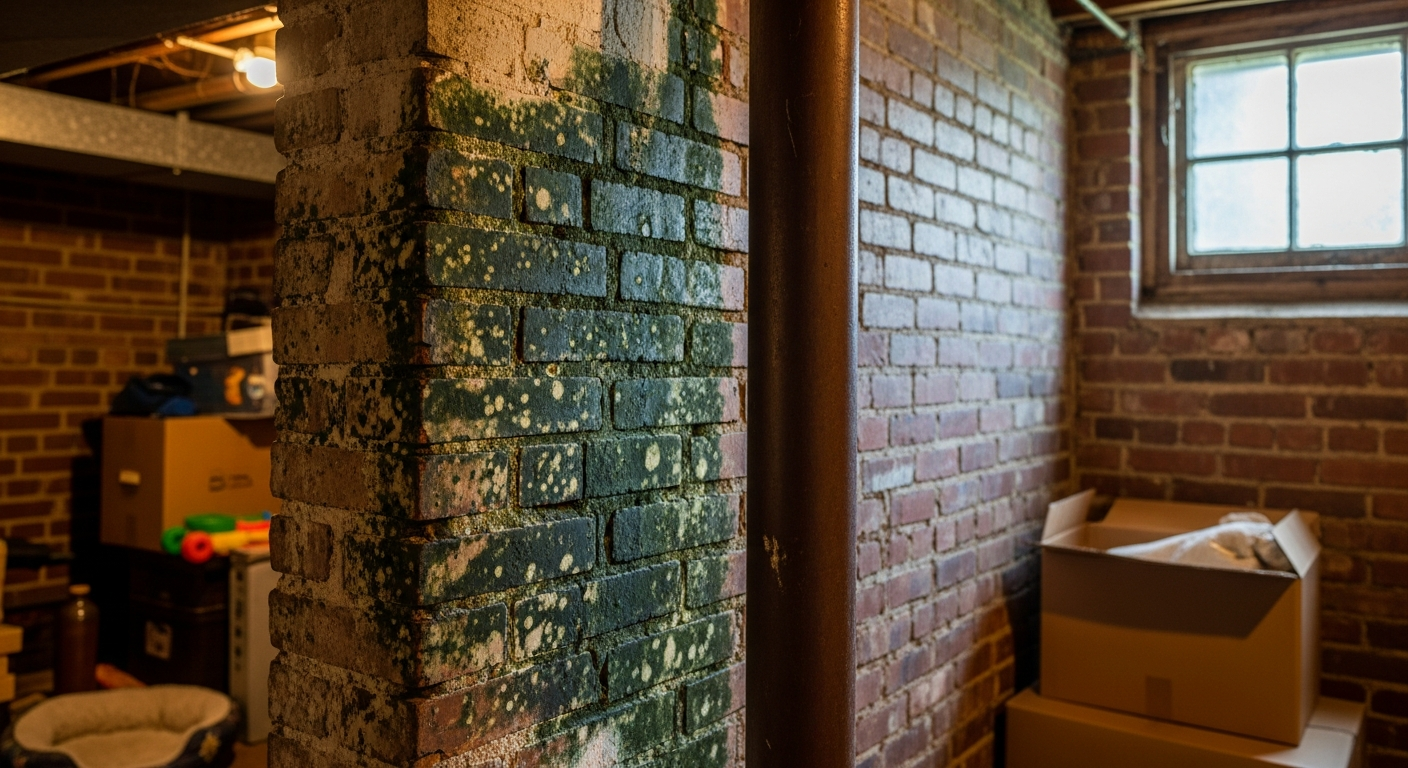
Musty odors represent the earliest indicator of hidden mold growth in historic brick basements. This smell often appears strongest near interior partition walls or in finished basement areas where air circulation remains limited. In Tower Grove East and Shaw, Gateway Water & Mold encounters situations where homeowners notice the odor only when using basement laundry facilities or storage areas.

Visible efflorescence, white, chalky deposits on brick walls, signals active moisture movement through masonry. While efflorescence itself isn’t mold, it indicates conditions perfect for fungal growth within wall cavities. Historic homes in The Hill and Botanical Heights frequently show this mineral buildup along basement walls, particularly near grade level where groundwater pressure peaks.

Health symptoms among family members provide another warning sign. Residents of historic neighborhoods like Compton Heights report increased allergy symptoms, respiratory irritation, or headaches that improve when they leave home. These symptoms often worsen during spring months when damp basement mold St. Louis conditions peak.

Gateway Water & Mold’s Systematic Approach

St. Louis City's Historic Brick Basements: Identifying Hidden Mold Risks from Persistent Spring Dampness, outcome / result image

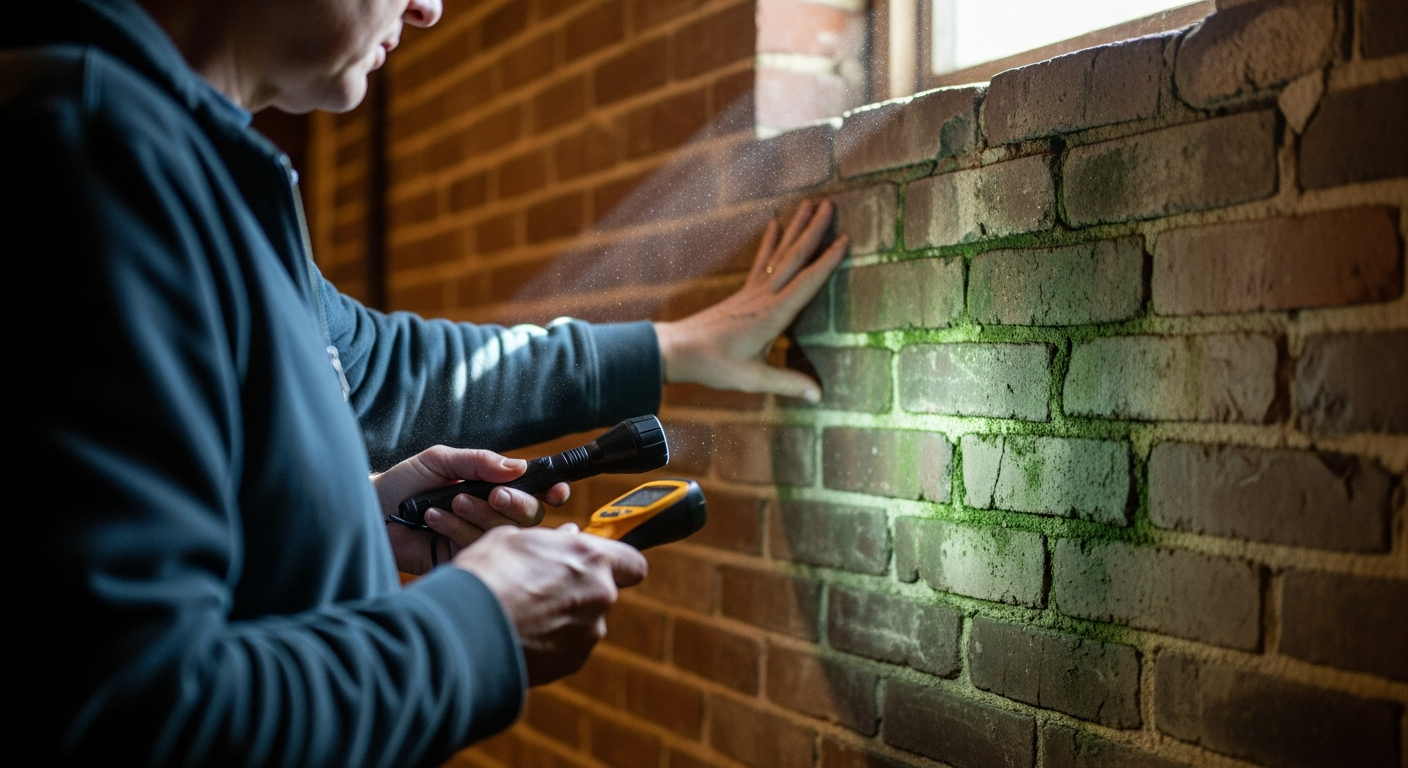
Gateway Water & Mold’s “test before you tear out” methodology proves especially valuable in historic St. Louis basements where destructive investigation could damage irreplaceable architectural elements. Their team uses thermal imaging to identify moisture patterns behind finished basement walls, followed by targeted air sampling to confirm mold presence before recommending remediation scope.

In a recent Lafayette Square project, Gateway technicians discovered extensive Aspergillus growth behind wood paneling installed in the 1950s. Moisture readings showed 18% levels in brick walls, well above the 12% threshold for mold growth. The team used containment barriers to protect the home’s historic character while removing contaminated materials, then applied antimicrobial treatments to the exposed brick before installing proper vapor barriers.

Their specialized knowledge of St. Louis building construction helps identify likely mold locations. Homes in Soulard built with rubble stone foundations often develop mold where interior brick veneer meets wood framing. In Central West End properties, basement ceiling areas near cast iron plumbing frequently harbor growth due to condensation issues. Gateway’s IICRC-trained team documents these conditions with moisture mapping and photographic evidence that insurance carriers accept for old house mold inspection St. Louis claims.

Professional Testing Saves Historic Character

Hidden mold issues in historic St. Louis basements require professional assessment to avoid unnecessary damage to architectural elements. DIY approaches often miss mold growing within thick brick walls or behind period millwork that shouldn’t be disturbed without proper evaluation.

Gateway Water & Mold serves the complete Greater St. Louis metro area, including specialized mold remediation in St. Louis City and basement flooding services designed for historic properties. Their systematic approach protects your home’s character while addressing moisture issues that threaten both structure and health.

If you’ve noticed musty odors, increased allergy symptoms, or visible moisture signs in your historic basement, contact Gateway Water & Mold for professional air quality testing. Their team responds quickly to assess conditions before minor moisture issues become major mold problems.

Frequently Asked Questions


St. Louis City's Historic Brick Basements: Identifying Hidden Mold Risks from Persistent Spring Dampness, human element image

How much does mold testing cost for a historic St. Louis basement?

Professional mold testing in St. Louis City typically costs $300-500 for a comprehensive assessment including air samples and moisture mapping. Gateway Water & Mold provides detailed testing that identifies mold species and concentration levels, along with moisture source analysis specific to historic brick construction. This investment often prevents thousands in unnecessary remediation costs by targeting actual problem areas rather than guessing.

Can I use a regular dehumidifier in my historic brick basement?

Standard residential dehumidifiers often prove insufficient for historic St. Louis basements due to high moisture loads from permeable brick walls. Basements in neighborhoods like Soulard and Lafayette Square typically require commercial-grade units rated for 70+ pints daily capacity, plus proper drainage systems. Gateway technicians recommend specific equipment based on basement size, moisture readings, and seasonal humidity patterns in your area.

Will mold remediation damage my historic basement’s character?

Professional remediation using IICRC S520 standards preserves historic elements while eliminating mold contamination. Gateway Water & Mold’s approach involves selective removal of affected materials, antimicrobial treatment of exposed brick, and installation of breathable moisture barriers that don’t trap humidity. Historic preservation guidelines in St. Louis City allow necessary health and safety improvements, including proper basement moisture control systems.

Water in your home or workplace right now?

Live phone, twenty-four seven. We dispatch the nearest crew the moment we hang up, across the St. Louis metro, both sides of the river.

Call (314) 947-3419

Carrier names and trademarks referenced on this site are the property of their respective owners. Gateway Water and Mold is not affiliated with, endorsed by, or a preferred contractor for any insurance carrier. We work alongside policyholders and their carriers on restoration claims; policyholders retain the right to choose their own restoration contractor.