
Use this spring checklist to plan maintenance and emergency restoration contacts. No universal prevention-cost comparison or seasonal protection guarantee is established here. Contact Gateway about observed water damage.
Planning Property-Specific Spring Maintenance
Assess the following conditions at the actual property rather than assuming a uniform local risk:
- Thaw-cycle concerns: Have observed drainage and foundation moisture assessed.
- Spring storm frequency: No verified March-to-May thunderstorm count is presented here.
- Temperature changes: Have actual damage to roofing or siding assessed.
- High humidity: Monitor actual indoor conditions; no verified local seasonal average is presented here. Ask about mold remediation where actual findings warrant it.
Seasonal maintenance can help identify water-entry risks. Gateway’s water damage restoration team can assess affected materials when leaks or flooding occur; maintenance cannot guarantee that a loss will be prevented. Review insurance terms separately with the carrier.
Exterior & Roof Inspection Checklist
Use safe ground-level observations and qualified help for inaccessible or hazardous exterior areas.
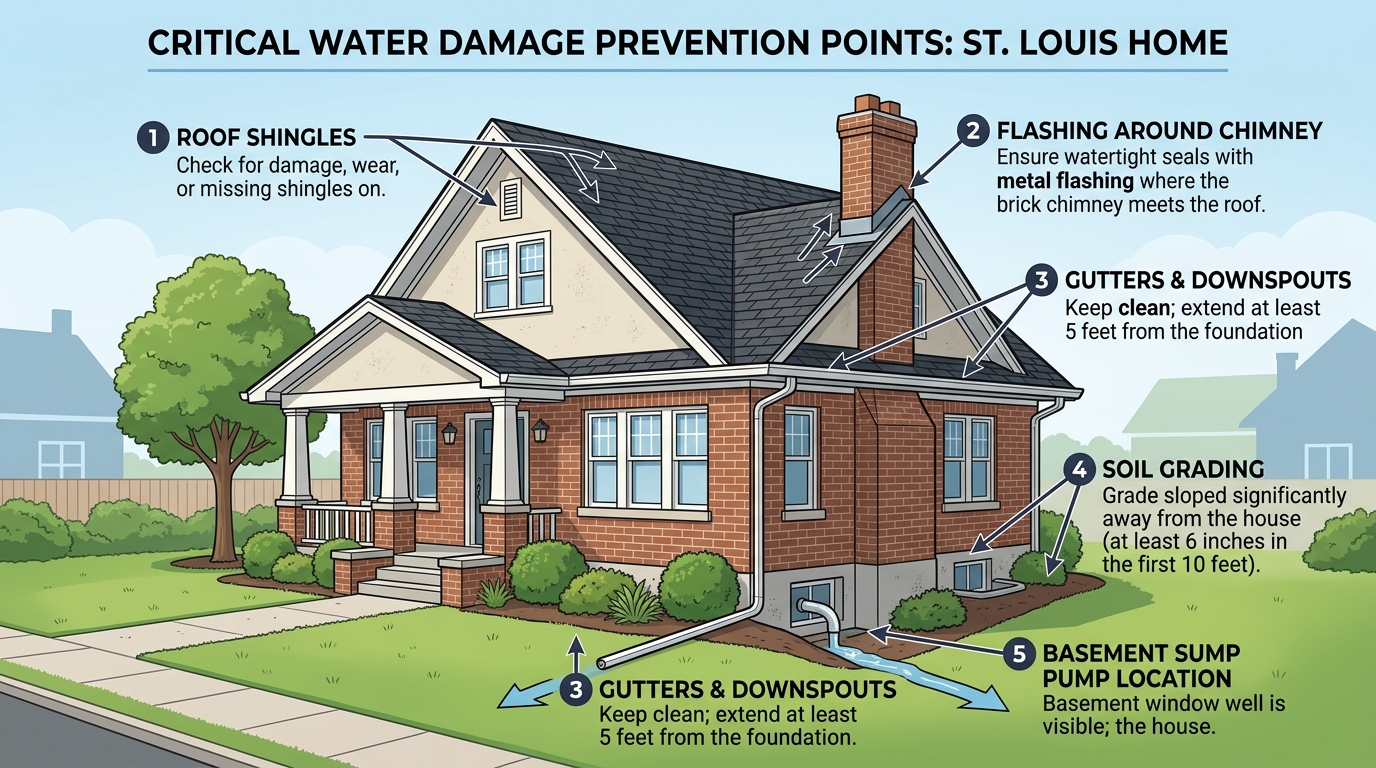
1. Roof & Gutters
- [ ] Observe visible roof damage from a safe ground-level location.
- [ ] Have inaccessible flashing assessed by a qualified roofer.
- [ ] Arrange safe gutter maintenance and property-specific downspout assessment.
- [ ] Have suspected gutter drainage faults assessed without an improvised hose test.
- [ ] Ask whether gutter guards suit the actual roof and maintenance needs.
2. Siding & Exterior Walls
- [ ] Have exterior cracks assessed before selecting sealants or repairs.
- [ ] Have deteriorated window and door seals repaired using suitable methods.
- [ ] Follow suitable repair guidance for damaged weatherstripping.
3. Foundation & Grading
- [ ] Have grading assessed for the actual site and applicable requirements.
- [ ] Obtain qualified advice before adding soil near the foundation.
- [ ] Arrange safe maintenance of accessible drainage channels.
Interior & Plumbing Prevention Steps
Plan enough time for safe inspection; no universal completion time is established here.
4. Plumbing System
- [ ] Observe accessible plumbing for visible leakage from a safe location.
- [ ] Follow appliance and hose manufacturer inspection and replacement instructions.
- [ ] Know the main shutoff location and ask a qualified plumber about safe operation.
5. Appliances & Fixtures
- [ ] Follow fixture-specific guidance or ask a plumber to assess suspected toilet leaks.
- [ ] Follow washing-machine manufacturer maintenance instructions.
- [ ] Review water-heater condition and maintenance with a qualified professional.
6. Basement & Crawl Space
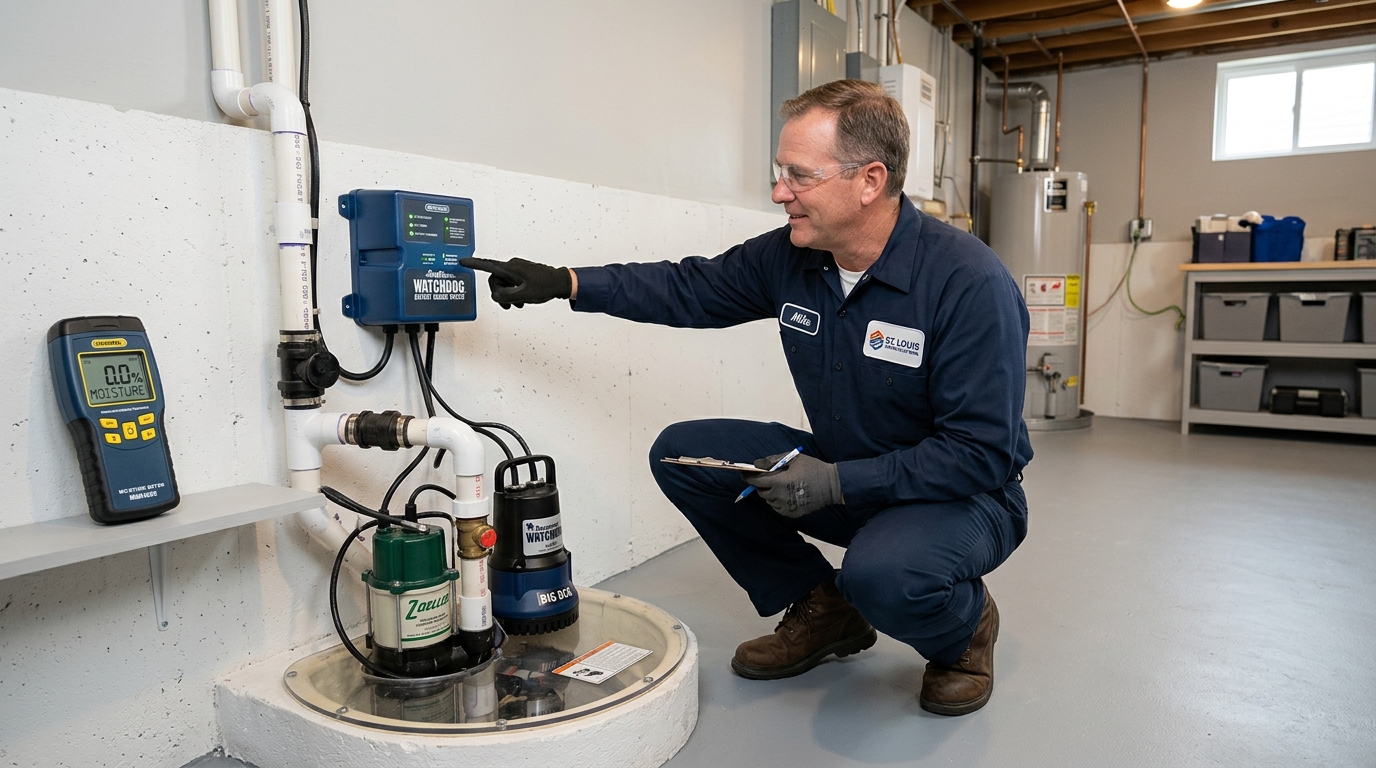
- [ ] Ask whether a sump system is appropriate and follow manufacturer test instructions.
- [ ] Ask about backup options suitable for the actual sump system.
- [ ] Have foundation cracks assessed before choosing repair materials.
- [ ] Ask a qualified professional about moisture control appropriate to the crawl space.
Landscape & Drainage Upgrades
For a St. Louis flood-prone area or observed drainage concern, obtain property-specific assessment. No universal drainage intervention is established here.
7. Downspout & Runoff Management
- [ ] Have downspout routing assessed for the actual site and requirements.
- [ ] Ask whether splash blocks or drainage work suit the property.
- [ ] Obtain qualified drainage advice before installing a rain garden or dry well.
8. Tree & Vegetation Maintenance
- [ ] Arrange qualified tree care for branches near the roof.
- [ ] Use a qualified tree professional for hazardous trees or large limbs.
- [ ] Select landscaping appropriate to the actual site and drainage plan.
Emergency Preparedness & Insurance Review
When prevention isn’t enough, a prepared response limits damage. Keep our 24/7 emergency number handy and review your insurance coverage before the storm season.
9. Emergency Kit & Contacts
- [ ] Plan qualified water removal; do not use electrical equipment or extension cords in unsafe wet areas.
- [ ] Plan qualified temporary protection for damaged roofs or windows; do not climb onto a damaged roof.
- [ ] Save Gateway’s current published emergency contact details.
- [ ] Photograph each room for a visual inventory of belongings.
10. Insurance Policy Checkup
- [ ] Review actual water-damage limits, exclusions and endorsements with your insurer.
- [ ] Discuss coverage adequacy and available options with your insurer.
- [ ] Keep records of upgrades and ask your insurer whether any apply to available discounts.
What to Do If Water Damage Occurs
Despite your best efforts, a burst pipe or storm intrusion can still happen. Follow this immediate response protocol:
- Stop the source only if the shutoff can be reached and operated safely.
- Do not touch wet electrical equipment or enter standing water to reach a breaker; seek qualified help.
- Call Gateway Water & Mold for 24/7 emergency extraction and drying.
- Move belongings only where access is safe; keep clear of wet electrical equipment.
- Photograph visible damage from a safe location without delaying urgent safety measures.
Gateway’s equipment and drying scope depend on actual conditions. No fixed-hours prevention outcome is established here.
FAQ: Spring Water Damage Prevention in St. Louis
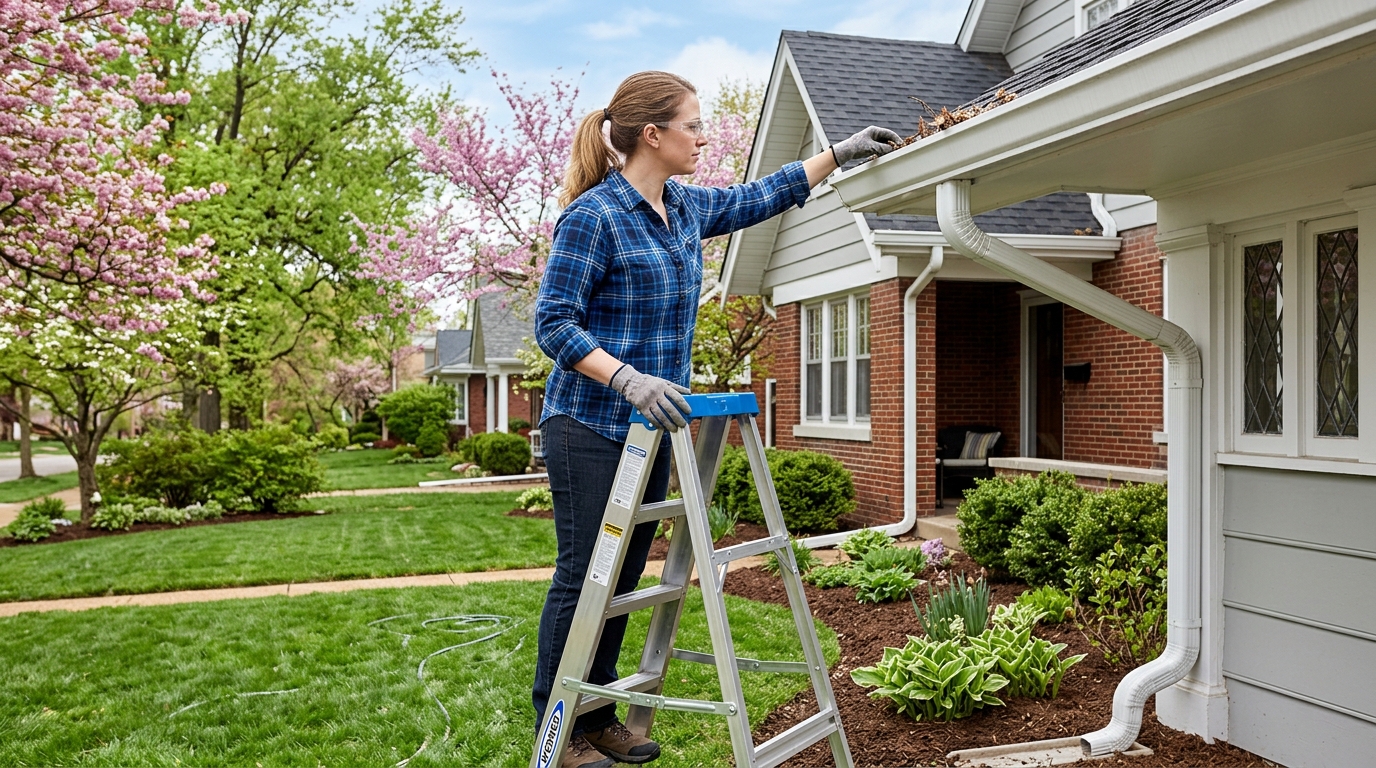
How often should I clean my gutters in St. Louis?
Arrange gutter maintenance according to actual debris, condition and safe access.
Does homeowner’s insurance cover spring flood damage?
Ask the insurer to review the actual cause, policy and any flood or backup coverage. No universal coverage outcome or required provider is established here.
What’s the most common spring water‑damage source in older St. Louis homes?
Poor grading or roof drainage can contribute to foundation water entry. Correct confirmed drainage problems, but do not assume one measure prevents a fixed percentage of losses.
Can I prevent mold after a minor leak?
Address wet materials promptly and arrange assessment where needed. A fixed elapsed time does not guarantee either prevention or development of mold.
How much does a sump pump with battery backup cost?
Obtain an itemized quote for a sump and backup system suitable to the property. No verified installed-price range or return-on-investment ranking is presented here.
Should I worry about sewer backups during spring storms?
Ask a qualified plumber about observed backup concerns and suitable options. No location-wide backwater-valve requirement or verified installed price is established here.
How can I tell if my roof has hidden storm damage?
Observe visible staining and exterior damage from a safe location. A qualified roofer should assess inaccessible areas; these signs alone do not identify the cause.
Ready for a Professional Assessment?
Contact Gateway to confirm assessment scope and any charges. Ask about the following concerns:
- Moisture assessment appropriate to the property
- Appropriate referral for gutter and downspout concerns
- Appropriate referral for sump-pump operation concerns
- Appropriate referral for structural foundation concerns
- Property-specific next steps based on findings
Use Gateway’s current published contact details to ask about assessment. No guaranteed savings or season-long protection is established here.
Contact Gateway for current emergency response availability and assessment scope.
Sources (reviewed 2026-09-10): www.cdc.gov.