
Introduction: The Importance of Seasonal Water Damage Prevention in St. Louis
As the spring thaw arrives across the St. Louis metro region, homeowners face a unique set of water damage risks. Melting snow, seasonal rains, and fluctuating temperatures can lead to foundation cracks, basement flooding, and hidden moisture intrusion. Proactive seasonal maintenance is the most effective way to protect your property. This comprehensive Spring 2026 Water Damage Prevention Checklist provides actionable steps to safeguard your home. If you encounter water damage despite your efforts, Gateway Water & Mold offers professional water damage restoration services to restore your home quickly.
Spring Thaw and Groundwater: Understanding the Risks
The St. Louis region experiences significant freeze-thaw cycles each spring. When frozen ground thaws, the saturated soil can exert hydrostatic pressure on foundation walls, leading to cracks and leaks. Additionally, heavy spring rains combined with poor drainage can overwhelm gutter systems and direct water toward your home’s foundation. Understanding these risks is the first step toward prevention. Regular inspections and timely repairs can mitigate potential damage. For homes with existing moisture issues, professional mold remediation may be necessary to address hidden growth.
Gutter and Downspout Maintenance Before Spring Rains
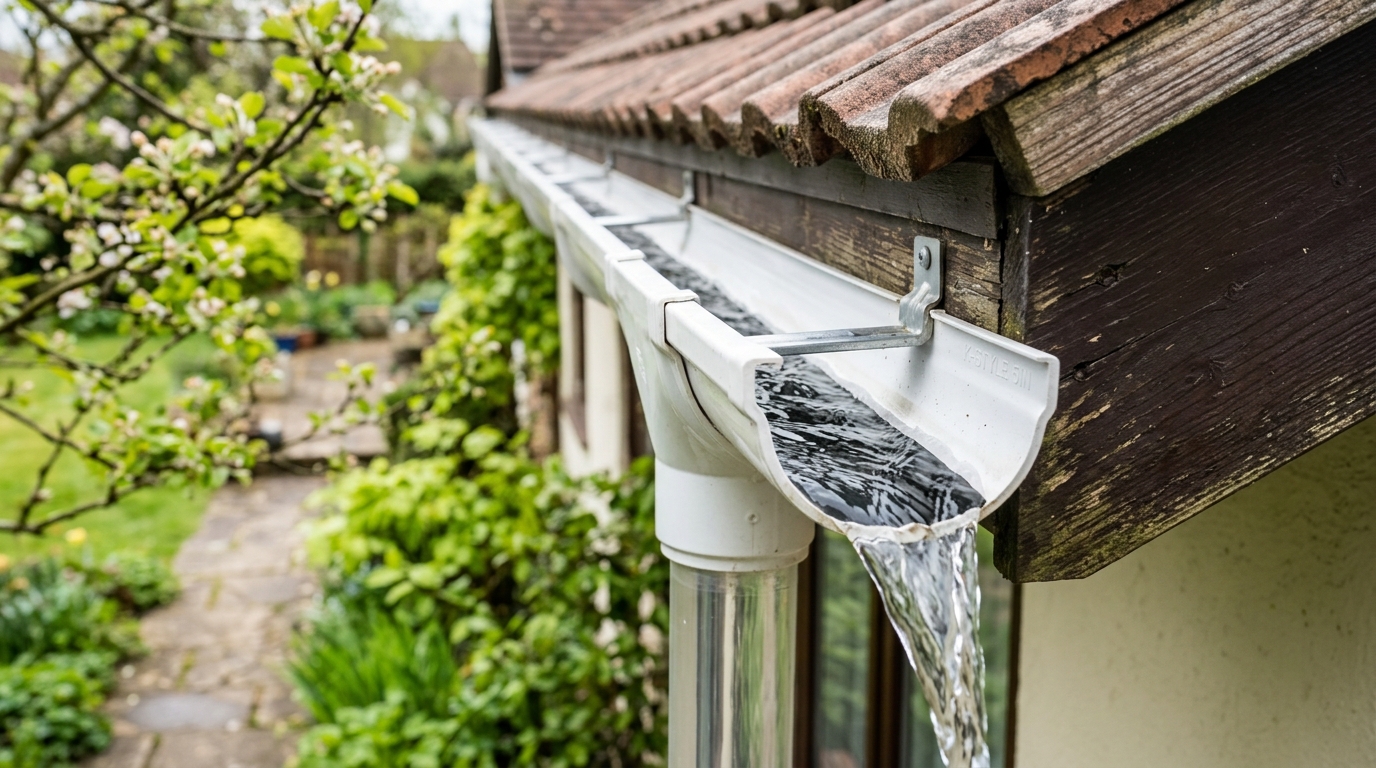
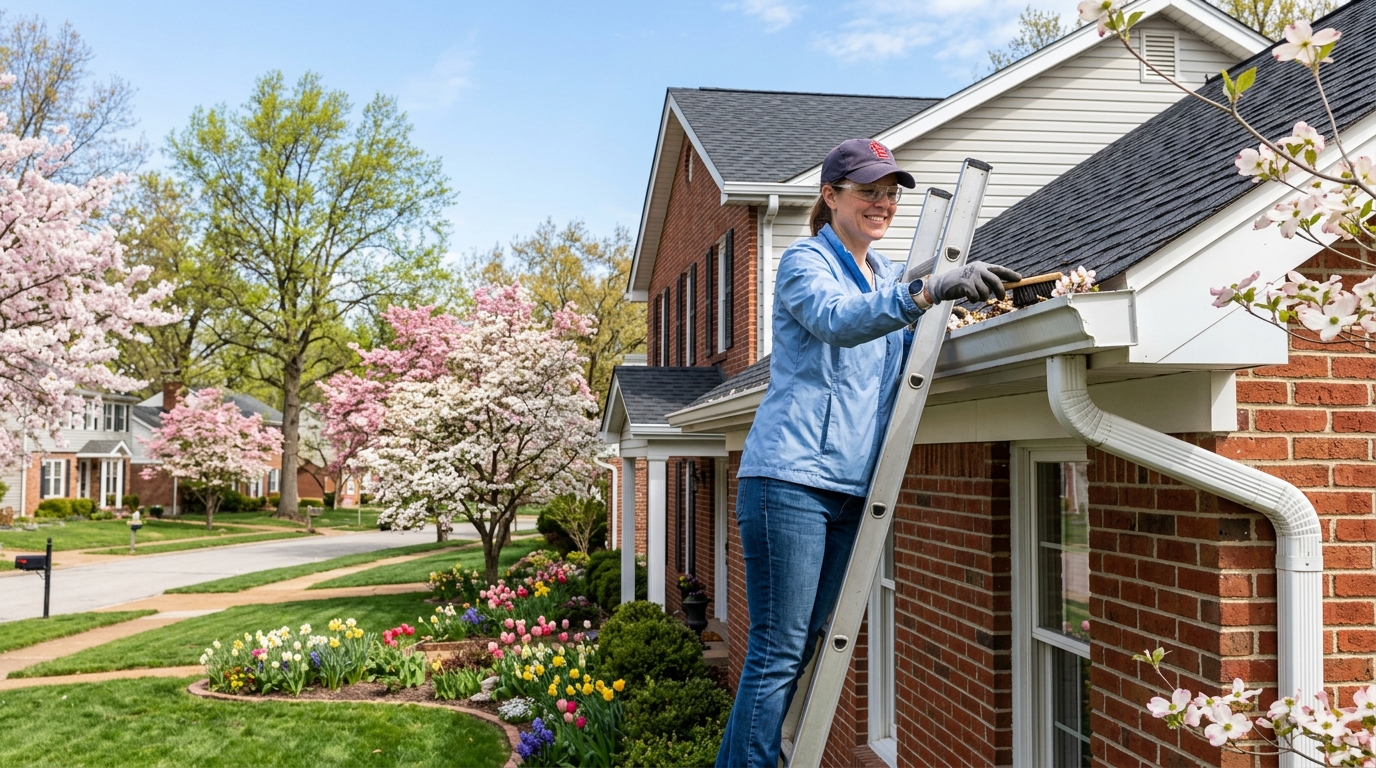
Clogged or damaged gutters are a leading cause of spring water damage. Over the winter, leaves, twigs, and debris can block downspouts, causing water to overflow and pool near your foundation. Before the heavy rains begin, inspect your entire gutter system. Clear all debris, check for loose or sagging sections, and ensure downspouts extend at least six feet away from your home. Consider installing gutter guards to reduce future maintenance. If water has already infiltrated your basement, our basement waterproofing solutions can provide a permanent barrier against moisture.
Foundation Inspection and Grading Adjustments
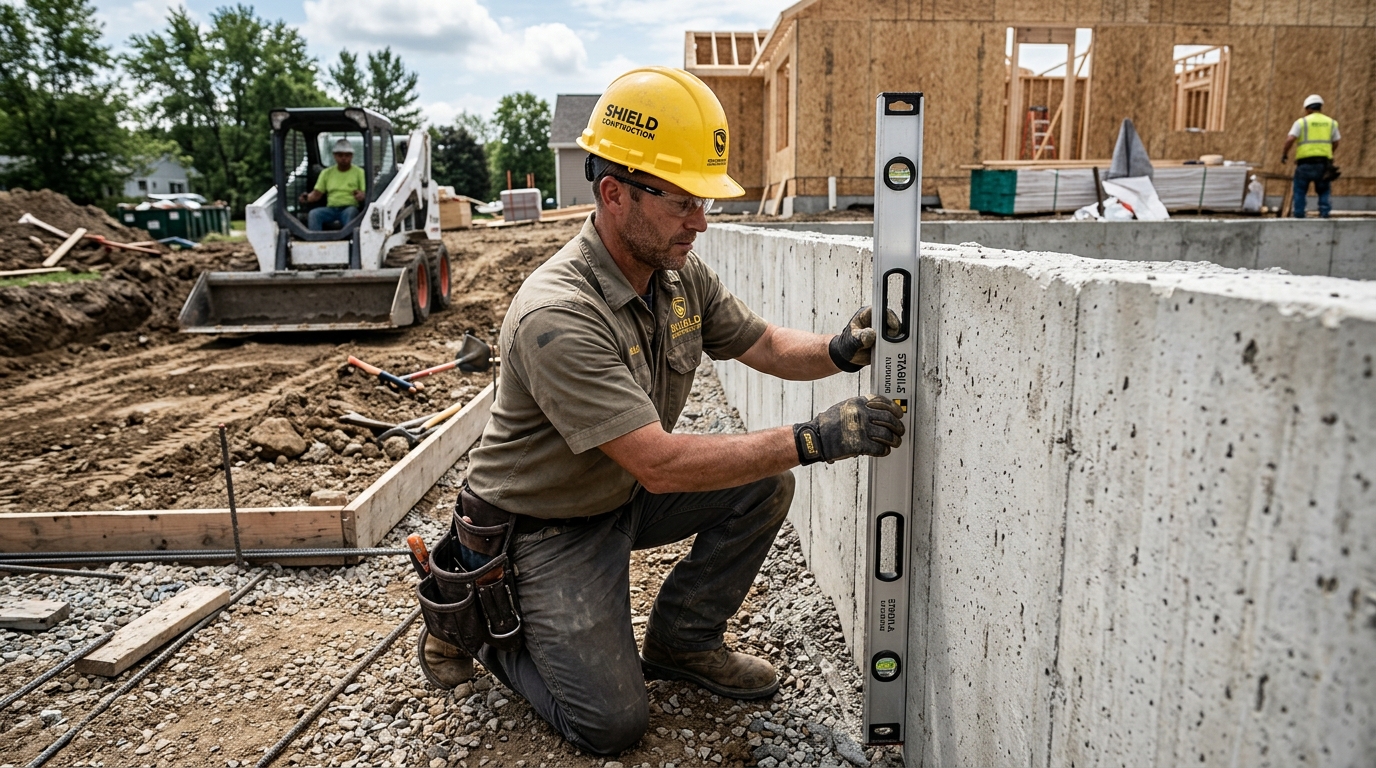
Your home’s foundation is its most vulnerable point during the spring thaw. Walk the perimeter and look for new cracks, especially where the foundation meets the siding. Use a level to check the grading—the soil should slope away from the house at a minimum of 6 inches over the first 10 feet. If the ground has settled toward the foundation, add soil to restore the slope. Pay special attention to areas around downspouts and window wells. For severe foundation cracks or persistent leaks, consult a professional to assess the need for structural repairs and interior drainage systems.
Roof and Flashing Check After Winter Storms
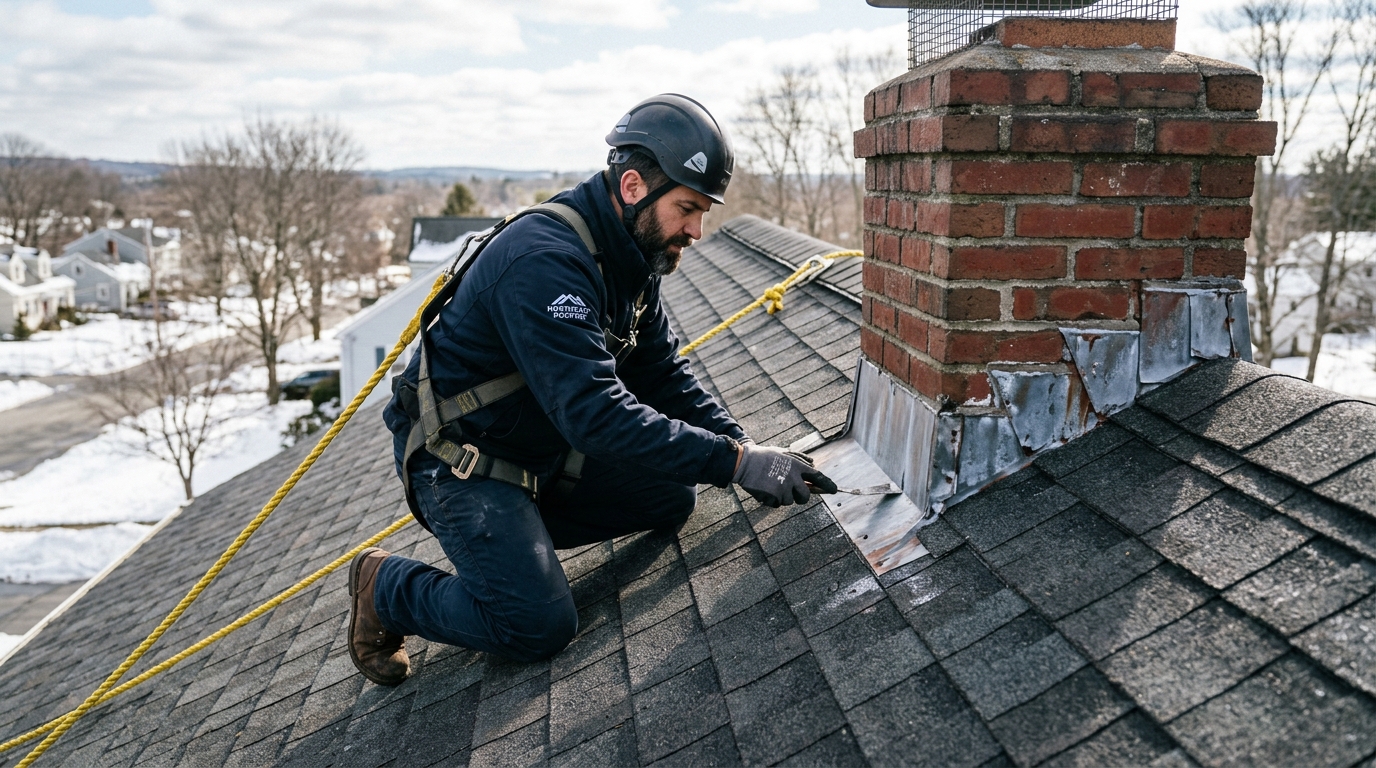
Winter storms can loosen shingles, damage flashing, and create openings for water intrusion. From the ground (or with a professional roofer), look for missing, curled, or cracked shingles. Check flashing around chimneys, vents, and skylights for gaps or corrosion. In the attic, look for stains or dampness that indicate a leak. Addressing minor roof issues now can prevent extensive interior damage later. If a leak has already caused water stains or mold growth in your attic, prompt water damage restoration can prevent further deterioration and health risks.
Plumbing System Preparation for Increased Usage
Spring often marks increased water usage as outdoor faucets, sprinkler systems, and irrigation lines are reactivated. Before turning on outdoor water sources, inspect visible pipes for cracks or damage from freezing. Check indoor plumbing under sinks, around toilets, and near appliances for signs of slow leaks. Consider installing a water‑leak detection system for early warning. If you discover a burst pipe or major leak, Gateway Water & Mold provides 24/7 emergency water extraction and drying to minimize structural damage and mold remediation if necessary.
Landscaping and Drainage Improvements to Direct Water Away
Strategic landscaping can significantly reduce water‑damage risk. Plant native shrubs and grasses with deep root systems to help absorb excess moisture. Avoid planting trees too close to the foundation, as roots can crack pipes and disrupt drainage. Install French drains or dry wells in low‑lying areas that tend to collect water. Ensure that any hardscaping (patios, walkways) is sloped away from the house. For homes with chronic drainage issues, a professional assessment can recommend advanced solutions such as sump pumps or exterior waterproofing membranes.
Emergency Preparedness: What to Do When Water Damage Strikes
Even with diligent prevention, unexpected water damage can occur from severe storms, plumbing failures, or appliance malfunctions. Prepare an emergency plan that includes knowing the location of your main water shut‑off valve, having a list of emergency contacts, and keeping a water‑extraction vacuum or wet‑dry shop vac accessible. If water intrusion happens, act quickly: shut off the water source, remove standing water, and contact a certified restoration company like Gateway Water & Mold. Our team uses advanced moisture‑detection equipment and industrial drying systems to restore your property to pre‑loss condition.
Frequently Asked Questions About Spring Water Damage Prevention
Q: How often should I clean my gutters in the St. Louis area?
A: At least twice a year—once in late fall after leaf drop and again in early spring before heavy rains. Homes surrounded by many trees may need quarterly cleaning.
Q: What are the signs of foundation water damage?
A: Look for new cracks in basement walls or floors, musty odors, efflorescence (white, powdery residue), and doors or windows that stick or no longer close properly.
Q: Can I handle minor water damage myself?
A: For small, clean‑water spills, you can often dry the area with fans and dehumidifiers. However, any damage involving contaminated water (sewer backup, floodwater) or covering more than 10 square feet should be handled by professionals to avoid health risks and hidden mold growth.
Q: Does homeowners insurance cover spring water damage?
A: It depends on the cause. Sudden, accidental events like a burst pipe are typically covered, while damage from long‑term neglect or lack of maintenance may not be. Review your policy and consider adding flood insurance if you live in a flood‑prone area.
Conclusion: Proactive Protection for Your Home
By following this Spring 2026 Water Damage Prevention Checklist, St. Louis homeowners can significantly reduce their risk of costly water damage and mold growth. Regular maintenance, prompt repairs, and professional assessments are key to a dry, healthy home. If you need assistance with any aspect of water‑damage prevention or require emergency restoration services, Gateway Water & Mold is here to help. Contact us today for a free inspection or consultation.
