Gateway/Emergency Water Extraction/Wildwood
Emergency Water Extraction
in Wildwood, MO.
24/7 water extraction in Wildwood, MO. Call for response availability, drying support and documentation for your insurance claim.
Regional extraction project — Edwardsville, IL · Sump failure; truck-mounted extraction and complete drying. View project
For damage that needs drying, cleanup, and documentation after extraction, coordinate with our Wildwood water damage restoration team so the full mitigation process stays connected.
Wildwood data points
Three things we
know about Wildwood.
- Housing eraEastern portion (63040, 63011): 1980s-1990s subdivisions on city water/sewer. Western portion (63038, 63025): newer custom homes on acreage, many on private well + septic
- Soil + drainageLoess over clay over Mississippian limestone
- Water + sewerMissouri American Water serves eastern Wildwood; western rural properties on private wells / Metropolitan St. Louis Sewer District (MSD) serves eastern Wildwood; western rural properties on private septic / aerobic systems
Emergency Water Extraction in Wildwood.
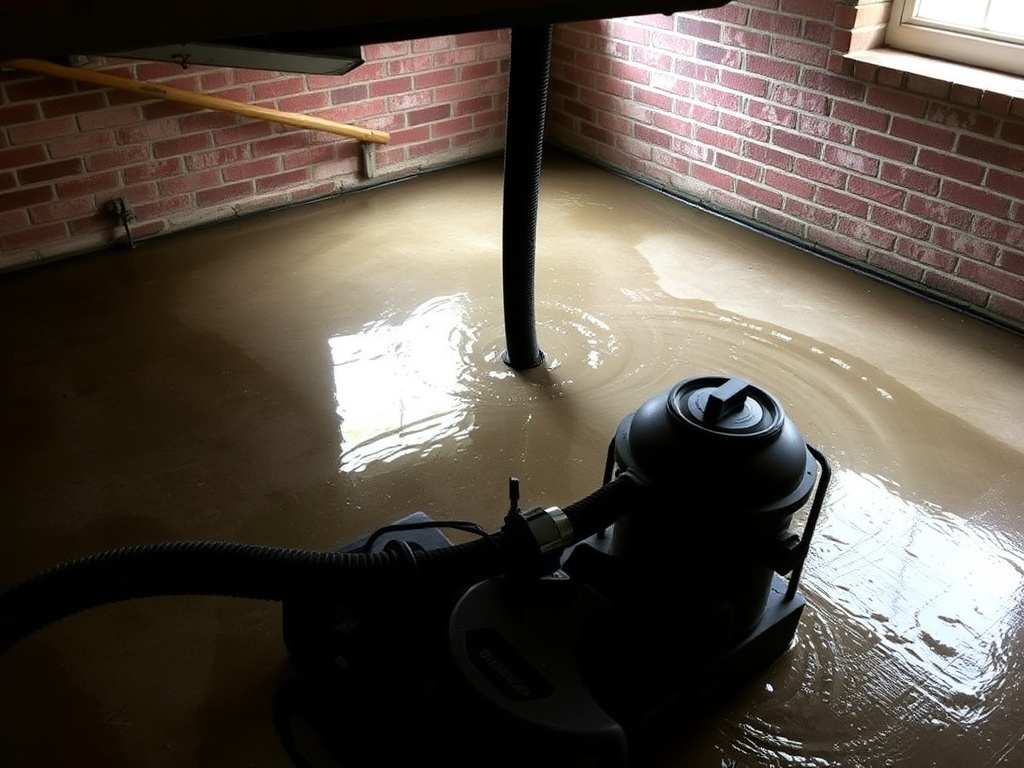
Wildwood extraction work runs heaviest during Meramec River and Wild Horse Creek flood events for rural-residential properties along the river, with documented repeat-loss history on multiple properties. We stage truck-mount equipment in advance for forecast major events. Western rural extraction can involve septic backup contamination that adds Category 3 protocol requirements to the standard cleanup. Eastern subdivision extraction follows the standard heavy-rain sump-failure pattern. Walk-out basements common across both areas have one specific advantage: water can flow out the walkout door during extraction if grade permits, reducing volume to extract. Post-extraction priorities differ between subdivision drywall finishes and western custom-finish materials. The Pond and Glencoe rural sections may require coordination with private well and septic specialists on extraction events where on-site systems are involved. Cherry Hills and Wildhorse eastern subdivisions see the standard subdivision pattern.
What makes emergency water extraction in Wildwood different?
Wildwood emergency calls in the western rural sections can involve septic backups, well-water-system failures, or sinkhole-related drainage events that introduce water into basements from below. Eastern subdivision calls in Wildhorse and Cherry Hills are more standard sump failures and supply-line bursts. We arrive with truck-mount extraction equipment, pull standing water from finished walk-out basement floors quickly, and set air movers and commercial dehumidifiers on the same visit. The Meramec River and Wild Horse Creek floodplains on the western and southern edges also generate occasional flood-related calls. Documentation runs in parallel with the dryout, source identification is captured for the carrier file from the first visit, and Category 3 protocols apply when the source is septic backup or creek flood water. Speed matters because walk-out basement materials degrade fast. We document pre-loss conditions and damage progression for the carrier file.
Our well pressure tank ruptured in the basement utility room. Iron-stained water spread across the floor. Standard cleanup?
Volume-wise yes, but iron staining changes the finish work. The water itself is Category 1 if from the pressurized side, Category 2 if it sat or contacted soil. We extract, dry, and clean. Iron stains on porous surfaces like concrete and grout often need acid-based cleaners to remove fully. Stained drywall or carpet usually does not recover, so replacement is the realistic outcome for those materials. We document the staining for your carrier because the cleaning effort is part of the scope.
We are on the west side of Wildwood with well water and a septic system. Does that change how you handle a basement leak?
Yes. Well water often has higher iron and manganese content that stains surfaces and complicates cleanup, especially on light-colored finishes. Septic systems mean that a backup into the house is Category 3 from the start, no question, with full S500 protocol. We do not service the septic or well systems, but we coordinate with your septic contractor for source repair. Rural Wildwood properties also often have longer response distances. We treat well or septic-related losses as their own protocol distinct from city-served homes.
“We don’t tell you it’s mold because it looks like mold. We use independent findings, we plan, and we tell you what you don’t need to remediate.”
What’s included
What every Wildwood
emergency water extraction job covers.
Every Gateway emergency water extraction job in Wildwood runs to the same standard, same equipment, same documentation, same reputation backing every step. The full scope and FAQ live on our main emergency water extraction page; the short version is below.
- Truck-mount and portable extractors dispatched twenty-four seven
- Standing water removed before drying equipment goes in
- Carpet, pad, and subfloor moisture mapped, not guessed
- Category 3 (sewer/black water) protocol when contamination is present
- Hand-off to full restoration crew if extended dry-out is needed
How calls run in Wildwood
What are the six steps in emergency water extraction in Wildwood, MO?
- 01
On-site with the right water extraction gear
We dispatch with the right gear for what you described on the phone. Truck-mount for volume, portable for tight access.
- 02
Extracting the standing water first
Bulk extraction before anything else. Faster removal cuts secondary damage by hours.
- 03
Wet vacuum extraction of carpet and pad
Subfloor moisture readings taken before equipment leaves. If pad is saturated, it gets pulled, not just dried.
- 04
Moisture map of the affected structure
Thermal imaging plus pin and pinless meters. We mark the affected materials in your file before drying starts.
- 05
Carpet pad removal for Category 3 water
Sewer or black water means the pad and any porous flooring leaves with the truck. Hard stop.
- 06
Staging the structural drying equipment
Air movers and dehumidifiers placed to your structure’s cubic-foot requirements. Returned to base when readings pass.
Other St. Louis cities we cover
Where we do emergency water
extraction across the St. Louis metro
Wildwood address. Water emergency.
Live phone, twenty-four seven. We’ll dispatch the nearest crew the moment we hang up.
Related service information
See our emergency water extraction service and process for the complete scope of work.