
Gateway/Basement Flooding/Bridgeton
Basement Flooding
in Bridgeton, MO.
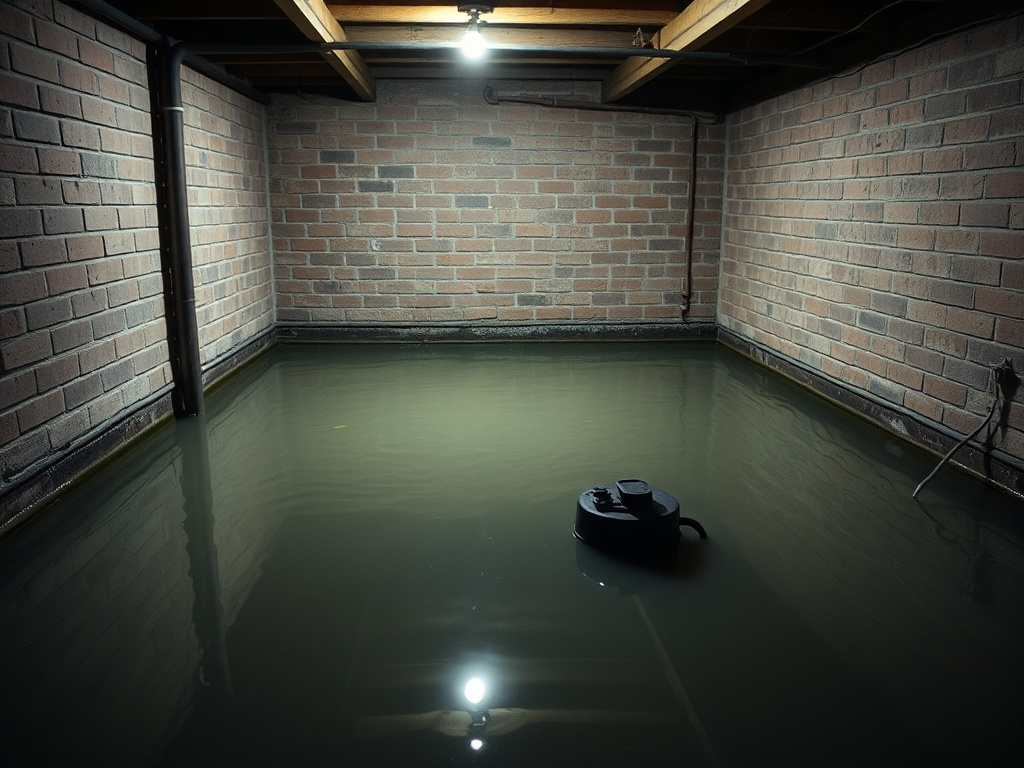
Basement flooding cleanup for Bridgeton, MO. Source diagnosis first, sump failure, sewer back, footing seepage, or surface water; then extraction, drying, and source coordination. We work Harmann Estates, Carrollton (largely cleared), Pattonwood, and the rest of the metro the same way.
If flooding has spread beyond the basement, our Bridgeton water damage restoration team can handle extraction, structural drying, moisture readings, and cleanup documentation together.
Questions we hear from Bridgeton
What Bridgeton homeowners
ask us most.
We are inside the Earth City levee zone. Our mortgage requires NFIP flood insurance. Does that cover water in the basement?
Identify the observed water source and ask the insurer which policy provisions apply. Flood, plumbing and backup claims can have different terms; a source label alone does not determine payment or a fixed review timeline.
We bought into a Carrollton-area buyout zone parcel that was rebuilt. Should we be worried about residual flood risk?
Confirm the parcel’s actual land-use history, permits and any elevation documentation with the responsible local authority. Do not infer flood protection or rebuilding eligibility from a general buyout-area description. Inspect current drainage and water-entry conditions.
Our Harmann Estates ranch is on a slab. A toilet supply line failed and the hallway carpet is soaked. Different process than a basement?
For a supply-line loss on a slab, inspect the flooring, wall edges and concealed moisture before defining extraction, removal and drying. Construction type alone does not establish how far water spread or guarantee a faster drying time.
Why these questions in Bridgeton.
For a Bridgeton basement loss, inspect the actual water entry, pump and sewer conditions. Gateway documents affected materials and restoration findings. Recommendations for source repairs should follow property-specific investigation rather than assumptions about equipment age or neighborhood loss history.
How basement flooding cleanup actually runs here.
Bridgeton water losses can affect basements, slabs or crawl spaces. Assess the actual foundation, plumbing, drainage and contamination. Consult current property-specific flood information where relevant; a levee or neighborhood description does not establish the present cause.
“We don’t tell you it’s mold because it looks like mold. We use independent findings, we plan, and we tell you what you don’t need to remediate.”
What’s included
What every Bridgeton
basement flooding response job covers.
Every Gateway basement flooding response job in Bridgeton runs to the same standard, same equipment, same documentation, same reputation backing every step. The full scope and FAQ live on our main basement flooding page; the short version is below.
- Source diagnosed first, sump failure, sewer back, footing, or surface water
- Category 3 sewer containment when applicable, PPE per IICRC S500
- Standing water extracted, affected materials removed to clean cut
- Antimicrobial, dehumidified, and verified dry before equipment leaves
- Coordination with backflow/sump repair pros if the source needs fix
How calls run in Bridgeton
What are the six steps in basement flooding in Bridgeton, MO?
- 01
Basement flooding source diagnosed first
Assess the likely source and safety conditions as part of the response. Further plumbing or drainage investigation may be needed alongside extraction.
- 02
Standing water extraction from the basement
Extraction equipment and completion time depend on water volume, access, contamination and the affected materials.
- 03
Cat-3 containment if sewer.
Sewer backups get poly containment, negative air, and PPE before we cross the threshold. Non-negotiable.
- 04
Removing flood-affected basement materials
Assess porous materials for removal or cleaning based on contamination and condition, and document the proposed scope.
- 05
Antimicrobial treatment and basement dry-out
Use cleaning and drying methods appropriate to the contamination and materials, following product instructions and monitoring moisture progress.
- 06
Source repair coordination after basement flooding
Coordinate with a qualified plumber or waterproofing professional on the identified source and repair options. No single repair prevents every future water loss.
Other St. Louis cities we cover
Where we do basement flooding
across the St. Louis metro
Bridgeton address. Water emergency.
Call Gateway’s emergency line to discuss the loss, crew availability and estimated response.
Related service information
See our basement flooding cleanup service and process for the complete scope of work.