Gateway/Water Damage Restoration/St. Peters

Water Damage Restoration
in St. Peters, MO.

Water damage restoration for St. Peters, MO homeowners. IICRC S500 extraction, drying, and monitoring; every job documented to a standard Allstate, State Farm, and American Family can underwrite. We work Spencer Creek, Mid Rivers, Crowne Pointe, and the rest of the metro the same way.

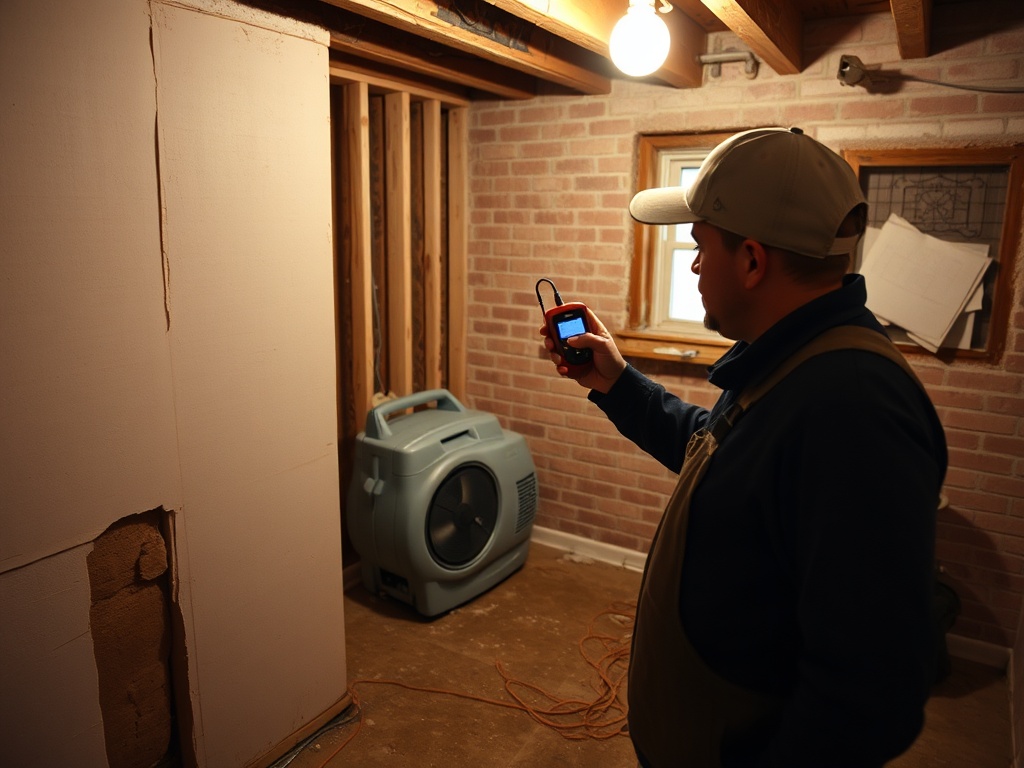
Gateway Water Damage Restoration crew working in a St. Peters, MO home

A typical St. Peters call

How a St. Peters
water damage restoration call runs.

St. Peters exploded from 15,700 in 1980 to over 40,000 by 1990, and most of the housing stock reflects that decade of buildout: brick-and-frame veneer, vinyl siding, full basements with high finished-basement rates. Spencer Creek, Mid Rivers, Crowne Pointe, Laurel Park, and Country Hill subdivisions all share the construction-era loss profile. Original poly-B plumbing failures are emerging, undersized sumps for finished basement footprints are common, and saturating clay backfill against foundations admits groundwater. We work St. Peters with truck-mount extraction, IICRC S500 dryout, and a written Xactimate scope. The municipal water and sewer authorities mean utility documentation flows through City or Duckett Creek depending on the property. Direct billing on Allstate, State Farm, and American Family keeps the homeowner out of the documentation loop, and the scope captures the actual finished-basement footprint and construction-era source identification.

Water Damage Restoration in St. Peters.

St. Peters water damage scope is shaped by the explosive 1980s-1990s subdivision build that took the city from 15,700 residents in 1980 to over 40,000 by 1990. The housing stock is largely brick-and-frame veneer with vinyl siding, full basements (many finished), and original construction-era plumbing systems including poly-B in a meaningful subset of homes. Common interior loss causes are supply-line failures, water heater ruptures, and washing machine hose breaks, all amplified by the high finished-basement rate that puts more fixtures in below-grade space.

What that means on a call

We map moisture with infrared on every loss, scope concealed poly-B inspection where lines are accessible, and run extended LGR drying on the typical full-basement loads. The clay subsoil backfill against foundations doesn’t drain quickly, which can prolong drying timelines when external moisture loads the wall during cleanup.

Questions St. Peters homeowners ask.

Our 1989 Spencer Creek subdivision home has poly-B plumbing and a finished basement. Should I be planning for failure?

Yes. Poly-B from the late 1980s is a documented failure pattern, particularly at acetal fittings. Most insurance carriers have written about it. Plan for a full repipe before failure, not after. From our side, when we respond to a poly-B failure in a finished basement, the loss is almost always larger than the same failure in an unfinished space. Finished walls, carpet, and ceiling tiles below the leak all need scope. If you have not had the repipe, that is the cheaper path.

Ice maker line failed while we were on vacation. Basement had water for three days before we returned. How bad?

Three days of standing or wet conditions almost always means mold has already started. We extract any remaining water, but the scope shifts toward S520 remediation rather than just drying. Wet carpet, pad, drywall below the waterline, and any wet insulation come out. Framing gets antimicrobial treatment if it stayed sound. Three days past the loss is the threshold where the conversation changes from drying to remediation. We document the timeline carefully because some carriers ask about it for coverage purposes.

Sump pump failed in our Mid Rivers basement. We have the sump pump endorsement with State Farm. What happens?

The endorsement covers cleanup and damaged personal property up to your rider limit, typically $5,000 to $25,000. State Farm will ask whether the pump failed mechanically or was overwhelmed by inflow, which we document during the loss inspection. We write the scope in Xactimate, direct-bill once the assignment is issued, and you cover the deductible. If you also carry the sewer backup rider, both can apply if the loss involved drain backup as a secondary effect. We separate the causes clearly in the scope.

“We don’t tell you it’s mold because it looks like mold. We test, we plan, and we tell you what you don’t need to remediate.”

The Gateway approach

What’s included

What every St. Peters
water damage restoration job covers.

Every Gateway water damage restoration job in St. Peters runs to the same standard, same equipment, same documentation, same reputation backing every step. The full scope and FAQ live on our main water damage restoration page; the short version is below.

  • 24/7 emergency dispatch with same-day on-site response
  • IICRC S500-compliant extraction, drying, and monitoring
  • Truck-mount and portable units sized for your structure
  • Daily moisture readings, written, until structure passes dry standard
  • Xactimate-aligned insurance file delivered directly to your carrier

See the full water damage restoration scope

How a St. Peters call runs

Six steps. Same every job.

  1. 01

    Source control & moisture map.

    We stop the source if accessible, then walk the structure with moisture meters and a thermal camera. The map tells us scope, not guesses.

  2. 02

    Containment, Category 2 or 3.

    If it’s gray or black water, we contain before we extract. Plastic sheeting, negative air, and HEPA filtration go up first.

  3. 03

    Truck-mount extraction.

    Standing water comes out with truck-mount units. Carpet, pad, and subfloor get extracted to dry-cut moisture levels.

  4. 04

    Air movers and LGR dehumidifiers.

    Equipment placed based on cubic-foot calculation, not eyeball. Low-grain refrigerant dehumidifiers handle wet-bulb conditions our market sees.

  5. 05

    Daily moisture readings until dry.

    Same time every day. Written log. Equipment moves as readings come down. No structure leaves wet.

  6. 06

    Affected materials removed, S500.

    Anything that can’t dry to standard comes out. Documented, photographed, in the file. IICRC S500-compliant.

St. Peters address. Water emergency.

Live phone, twenty-four seven. We’ll dispatch the nearest crew the moment we hang up.

Call (314) 947-3419

Carrier names and trademarks referenced on this site are the property of their respective owners. Gateway Water and Mold is not affiliated with, endorsed by, or a preferred contractor for any insurance carrier. We work alongside policyholders and their carriers on restoration claims; policyholders retain the right to choose their own restoration contractor.