Gateway/Water Damage Restoration/Maryland Heights

Water Damage Restoration
in Maryland Heights, MO.

Water damage restoration for Maryland Heights, MO homeowners. IICRC S500 extraction, drying, and monitoring; every job documented to a standard Allstate, State Farm, and American Family can underwrite. We work Maryland Heights core, Westport Plaza area, Riverport / Earth City edge, and the rest of the metro the same way.

Gateway Water Damage Restoration crew working in a Maryland Heights, MO home

A typical Maryland Heights call

How a Maryland Heights
water damage restoration call runs.

Maryland Heights is mostly a 1960s and 1970s build on the uplands, with the Riverport and Earth City commercial corridors sitting in the Missouri River floodplain behind the levee. Residential housing in the core, Fee Fee Road corridor, and Westport Plaza area is brick veneer dominant with full basements standard. The interior-loss pattern follows the housing era: original supply lines, cast-iron drain stacks, and first-generation sumps all in failure mode. We work Maryland Heights with truck-mount extraction, IICRC S500 dryout, and a written Xactimate scope. Commercial flood-loss calls along the Earth City Levee are a separate conversation with floodplain-status documentation as part of the file. Direct billing on Allstate, State Farm, and American Family keeps the residential homeowner out of the documentation loop, and we coordinate commercial files with appropriate carriers based on the property type.

Water Damage Restoration in Maryland Heights.

Maryland Heights water-damage scope splits between uplands residential and the Riverport / Earth City commercial corridor. Residential losses in the 1960s-1970s ranches and Colonial Revivals on uplands follow the standard inner-county pattern: brick veneer construction, drywall interiors, and full basements with original cast-iron drain stacks that are now corroding at hub joints. Failed sump systems, supply-line breaks, and washing machine hose failures are the dominant interior loss causes.

What that means on a call

We cavity-map with infrared, dry-in-place where the structure permits, and scope demo only where saturation has eliminated drying potential. Commercial properties on Riverport and in Earth City have a different profile entirely: levee-protected floodplain status creates major flood-loss risk during levee events, and slab-on-grade commercial construction loses water laterally under flooring across very large floor plates.

Questions Maryland Heights homeowners ask.

Our 1972 Maryland Heights ranch’s original cast iron drain stack is failing per the plumber. What if it bursts?

End-of-life cast iron usually fails at horizontal joints first, then at vertical splits. A burst dumps wastewater into the wall or ceiling cavity. If it bursts inside a wall, we treat it as Category 3 water under IICRC S500, remove affected drywall, insulation, and bottom plate as needed, antimicrobial-treat the cavity, and dry to standard. Replacing the stack is the plumber’s scope. Our work is the resulting damage. If you can get the stack replaced before failure, you save a five-figure water loss.

Our Riverport commercial property took water from a roof leak. Is commercial property insurance different from homeowner?

Same principle, different policy form. Commercial property policies cover sudden and accidental water damage and exclude flood and gradual leaks, same as residential. Allstate, State Farm, and American Family all write commercial. Where commercial differs is business income loss, equipment coverage, and tenant occupancy. We coordinate with your property manager or insurance broker, write the scope in Xactimate, and direct-bill the carrier. If your tenants experienced loss, those claims often route through them or your renter requirements separately.

Our home is in the Westport area uplands, not the Earth City levee zone. Should we still worry about floodplain risk?

Upland Maryland Heights is generally safe from the levee scenario. Your risk profile is interior plumbing failure, sewer backup during downpours, and roof or window penetration during storms. Most upland losses we see are supply line failures, hot water tank ruptures, and sump pump failures. Carry the sewer backup and sump pump endorsements regardless of floodplain status, that is the most common loss type in your area, not the Missouri River.

“We don’t tell you it’s mold because it looks like mold. We test, we plan, and we tell you what you don’t need to remediate.”

The Gateway approach

What’s included

What every Maryland Heights
water damage restoration job covers.

Every Gateway water damage restoration job in Maryland Heights runs to the same standard, same equipment, same documentation, same reputation backing every step. The full scope and FAQ live on our main water damage restoration page; the short version is below.

  • 24/7 emergency dispatch with same-day on-site response
  • IICRC S500-compliant extraction, drying, and monitoring
  • Truck-mount and portable units sized for your structure
  • Daily moisture readings, written, until structure passes dry standard
  • Xactimate-aligned insurance file delivered directly to your carrier

See the full water damage restoration scope

How a Maryland Heights call runs

Six steps. Same every job.

  1. 01

    Source control & moisture map.

    We stop the source if accessible, then walk the structure with moisture meters and a thermal camera. The map tells us scope, not guesses.

  2. 02

    Containment, Category 2 or 3.

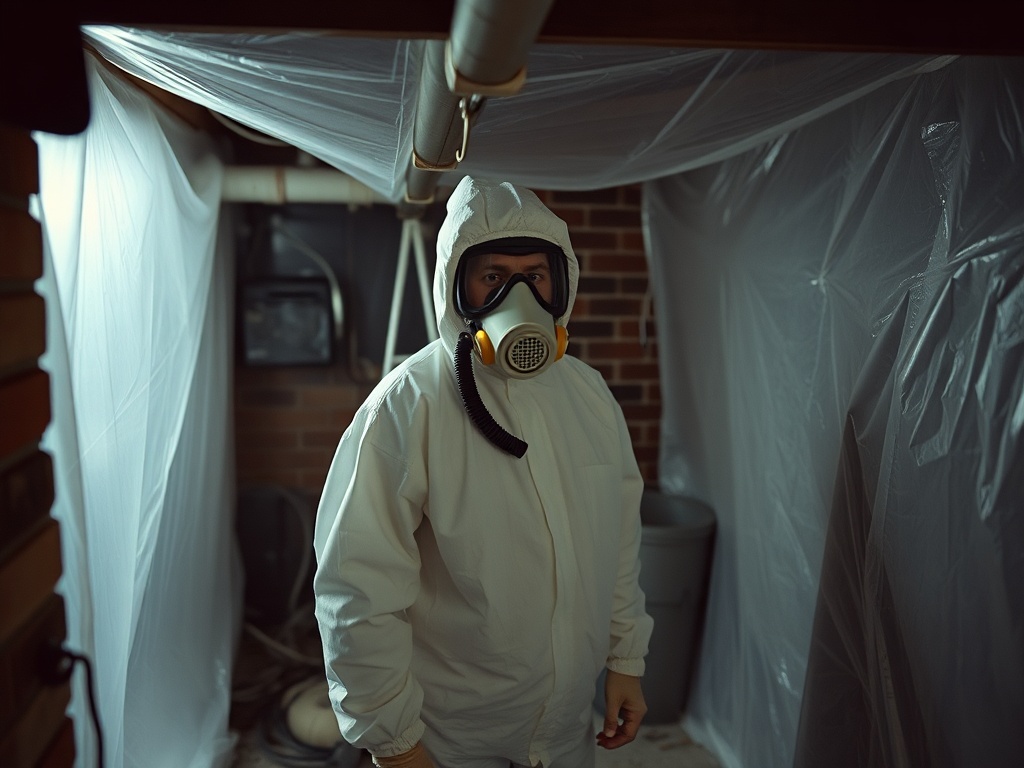
    If it’s gray or black water, we contain before we extract. Plastic sheeting, negative air, and HEPA filtration go up first.

  3. 03

    Truck-mount extraction.

    Standing water comes out with truck-mount units. Carpet, pad, and subfloor get extracted to dry-cut moisture levels.

  4. 04

    Air movers and LGR dehumidifiers.

    Equipment placed based on cubic-foot calculation, not eyeball. Low-grain refrigerant dehumidifiers handle wet-bulb conditions our market sees.

  5. 05

    Daily moisture readings until dry.

    Same time every day. Written log. Equipment moves as readings come down. No structure leaves wet.

  6. 06

    Affected materials removed, S500.

    Anything that can’t dry to standard comes out. Documented, photographed, in the file. IICRC S500-compliant.

Maryland Heights address. Water emergency.

Live phone, twenty-four seven. We’ll dispatch the nearest crew the moment we hang up.

Call (314) 947-3419

Carrier names and trademarks referenced on this site are the property of their respective owners. Gateway Water and Mold is not affiliated with, endorsed by, or a preferred contractor for any insurance carrier. We work alongside policyholders and their carriers on restoration claims; policyholders retain the right to choose their own restoration contractor.