Gateway/Blog

Grafton, IL’s Riverbend Humidity: Why Minor Summer Leaks Turn into Major Mold Problems & Lingering Odors

Grafton, IL's Riverbend Humidity: Why Minor Summer Leaks Turn into Major Mold Problems & Lingering Odors

The Riverbend region around Grafton faces high summer humidity and aging infrastructure that turns minor plumbing leaks into serious mold problems faster than most homeowners expect. Properties along the Illinois River corridor, from historic downtown Grafton to newer developments near Pere Marquette State Park, experience humidity levels that can sustain mold growth within 24 hours of water intrusion. Gateway Water & Mold’s IICRC-trained crew has documented this pattern across Metro East communities, where what starts as a dripping faucet or loose pipe fitting escalates into thousand-dollar remediation projects by late August.

What to Do About Minor Summer Leaks in Grafton

  • Check basement corners and utility areas weekly during June through September humidity peaks
  • Document any water stains or musty odors with photos and timestamps for insurance purposes
  • Test moisture levels around suspected leak areas using a basic moisture meter before calling contractors
  • Contact professionals within 48 hours if you detect standing water or persistent dampness
  • Avoid using fans or opening windows during humid weather, which can worsen moisture problems
  • Keep detailed records of any plumbing repairs, no matter how small, during peak humidity months

Why Minor Summer Leaks Become Major Problems

Grafton, IL's Riverbend Humidity: Why Minor Summer Leaks Turn into Major Mold Problems & Lingering Odors — in-context / use-case image

The combination of Illinois River valley humidity and summer air conditioning creates conditions where small water intrusions multiply rapidly. According to NOAA climate data, the Grafton area averages 76% relative humidity during July and August, well above the 60% threshold where mold spores activate and begin colonizing damp surfaces.

What makes this particularly problematic in Grafton is the interaction between outdoor humidity and indoor cooling systems. When warm, moisture-laden air contacts cold surfaces like basement walls or around air conditioning ducts, condensation forms even without an active leak. A minor plumbing drip that might dry naturally in October can create persistent moisture zones during summer months. The Illinois State Water Survey reports that Metro East communities experience their highest indoor humidity complaints between June and September, when minor water intrusions coincide with peak atmospheric moisture.

Gateway Water & Mold’s moisture mapping data from Grafton properties shows that summer leak incidents typically involve 40-60% more affected square footage than identical leaks occurring during winter months. The difference lies in how quickly moisture spreads through porous materials when ambient humidity prevents natural drying.

Grafton IL Humidity Mold Growth Factors

Grafton’s position in the Illinois River floodplain creates unique challenges for moisture control that don’t affect higher-elevation communities like Edwardsville or Glen Carbon. The city sits at approximately 420 feet above sea level, surrounded by river bottomland that naturally retains moisture. Properties in the Historic Grafton area, particularly those built before 1950, feature stone foundations and limited vapor barriers that allow ground moisture to migrate into basements year-round.

The Madison County Building Department reports that Grafton permits more basement moisture remediation projects per capita than any other river town in the county. This stems from the combination of older construction methods and the area’s clay-heavy soil composition, which retains water and creates hydrostatic pressure against foundation walls during wet periods.

Neighborhoods like Grafton Heights and areas near the Great River Road experience additional moisture challenges from their proximity to the Illinois River. When summer humidity combines with minor plumbing leaks, properties in these areas can develop mold growth in as little as 18 hours. The Illinois Environmental Protection Agency notes that river communities report three times more indoor air quality complaints during summer months compared to inland locations.

Even newer construction in areas like the developments near Pere Marquette Lodge faces summer moisture issues. Modern homes with central air conditioning create temperature differentials that promote condensation, while improved insulation can trap moisture from minor leaks rather than allowing it to evaporate naturally. Gateway Water & Mold has documented cases where a loose toilet supply line or dripping sink trap created extensive mold growth behind bathroom walls within a single week during peak humidity periods.

The key factor distinguishing Grafton from other Metro East communities is the persistence of moisture. While a minor leak in Edwardsville might affect drywall and subflooring, the same leak in Grafton often spreads to adjacent rooms through moisture migration, particularly in homes with shared foundation walls or connected basement areas.

Hidden Water Damage River Town Warning Signs

Grafton, IL's Riverbend Humidity: Why Minor Summer Leaks Turn into Major Mold Problems & Lingering Odors — process / how-it-works image

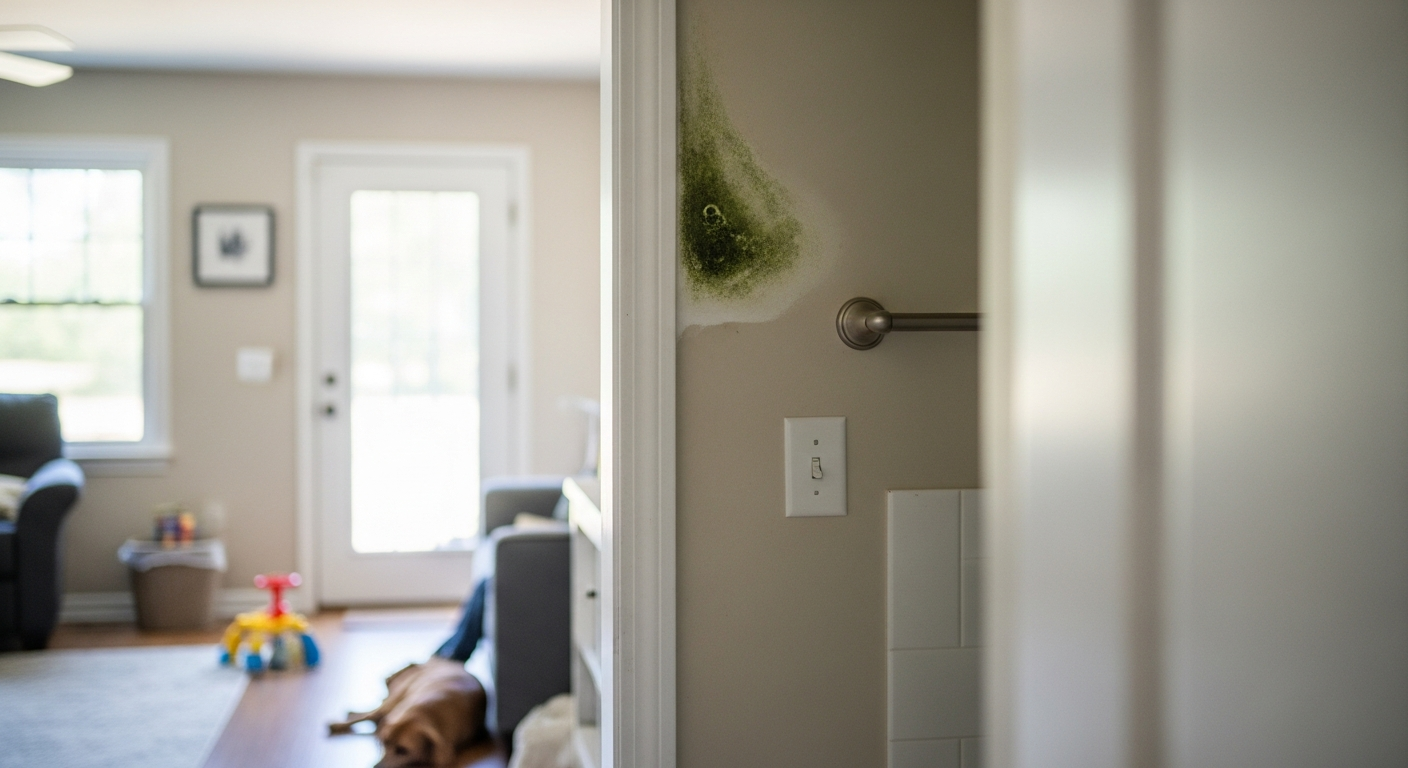
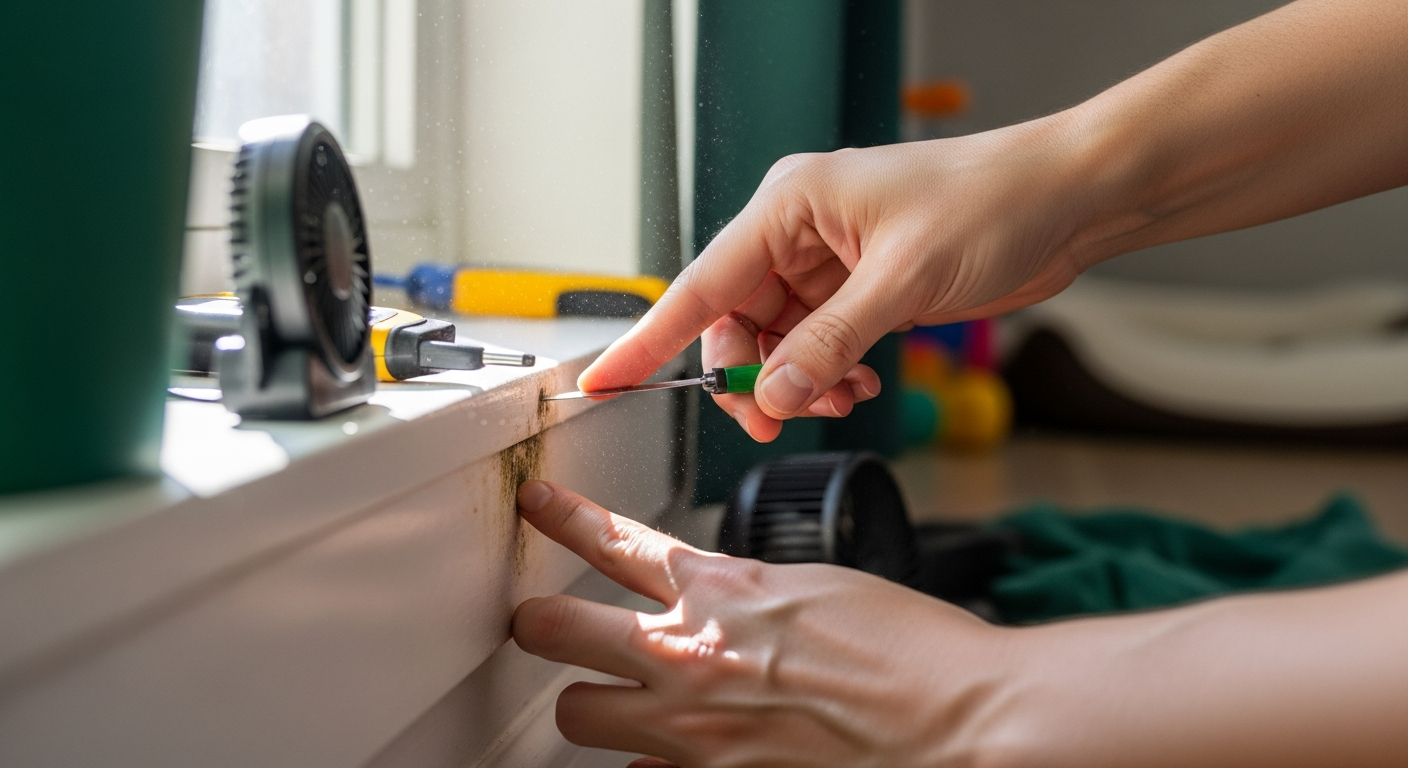
Summer mold problems in Grafton properties often begin with subtle indicators that homeowners dismiss as seasonal humidity. The first warning sign is a persistent musty smell that appears stronger during morning hours when overnight cooling concentrates moisture. This odor typically develops 2-3 days before visible mold appears, making it the most reliable early indicator.

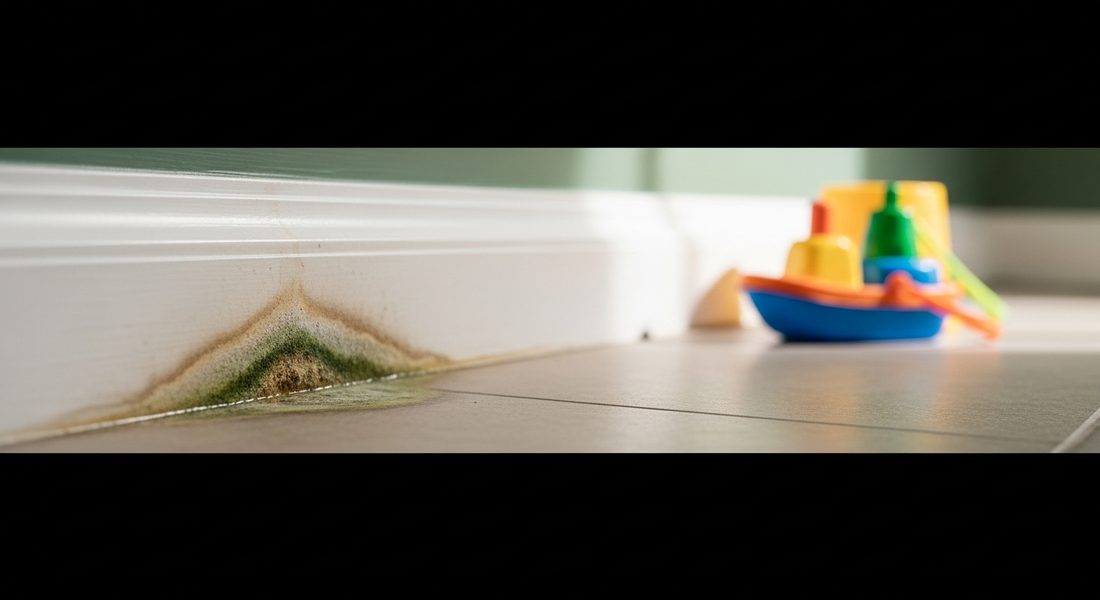
Visual cues include water stains that seem to grow larger despite no obvious active leak, particularly around basement windows, foundation corners, and areas where plumbing penetrates walls. In Grafton’s humid environment, even minor moisture intrusion can cause paint to bubble or peel within a week. Properties near the riverfront often show moisture problems first in basement areas closest to the water table, where hydrostatic pressure combines with indoor leaks to accelerate mold development.

Structural Drying Grafton IL Professional Methods

Grafton, IL's Riverbend Humidity: Why Minor Summer Leaks Turn into Major Mold Problems & Lingering Odors — outcome / result image

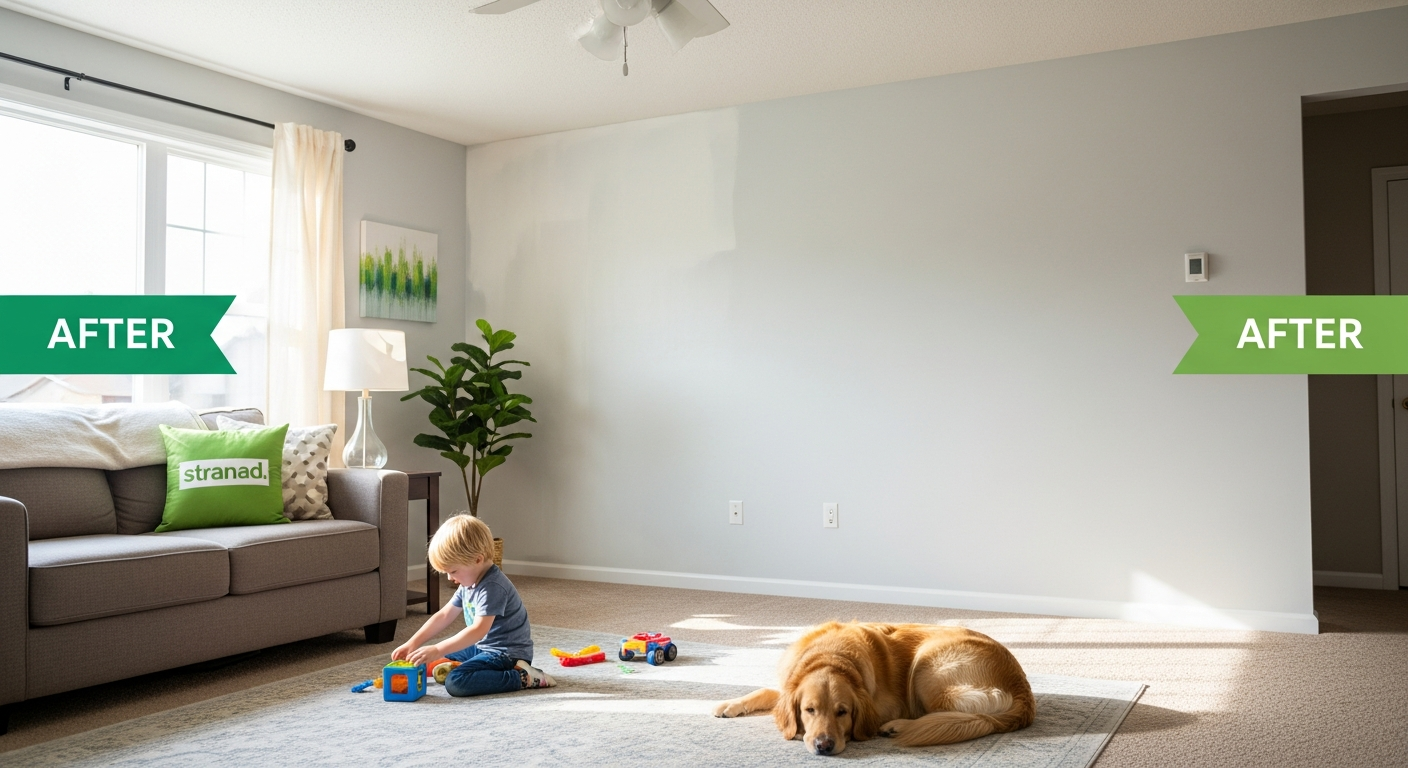
Gateway Water & Mold’s approach to summer moisture problems in Grafton begins with comprehensive moisture mapping using pin and pinless moisture meters to identify the full extent of water intrusion. Their thermal imaging equipment reveals moisture patterns invisible to standard inspection, particularly important in river town properties where moisture can travel through shared foundation walls or along utility corridors.

The company’s “test before tear-out” methodology proves especially valuable in Grafton’s historic properties, where unnecessary demolition can damage original materials or reveal additional structural issues. Rather than assuming widespread contamination, their IICRC-trained crew tests air and surface samples to determine the actual scope of mold growth. This data-driven approach often results in significantly less demolition than traditional mold remediation companies recommend.

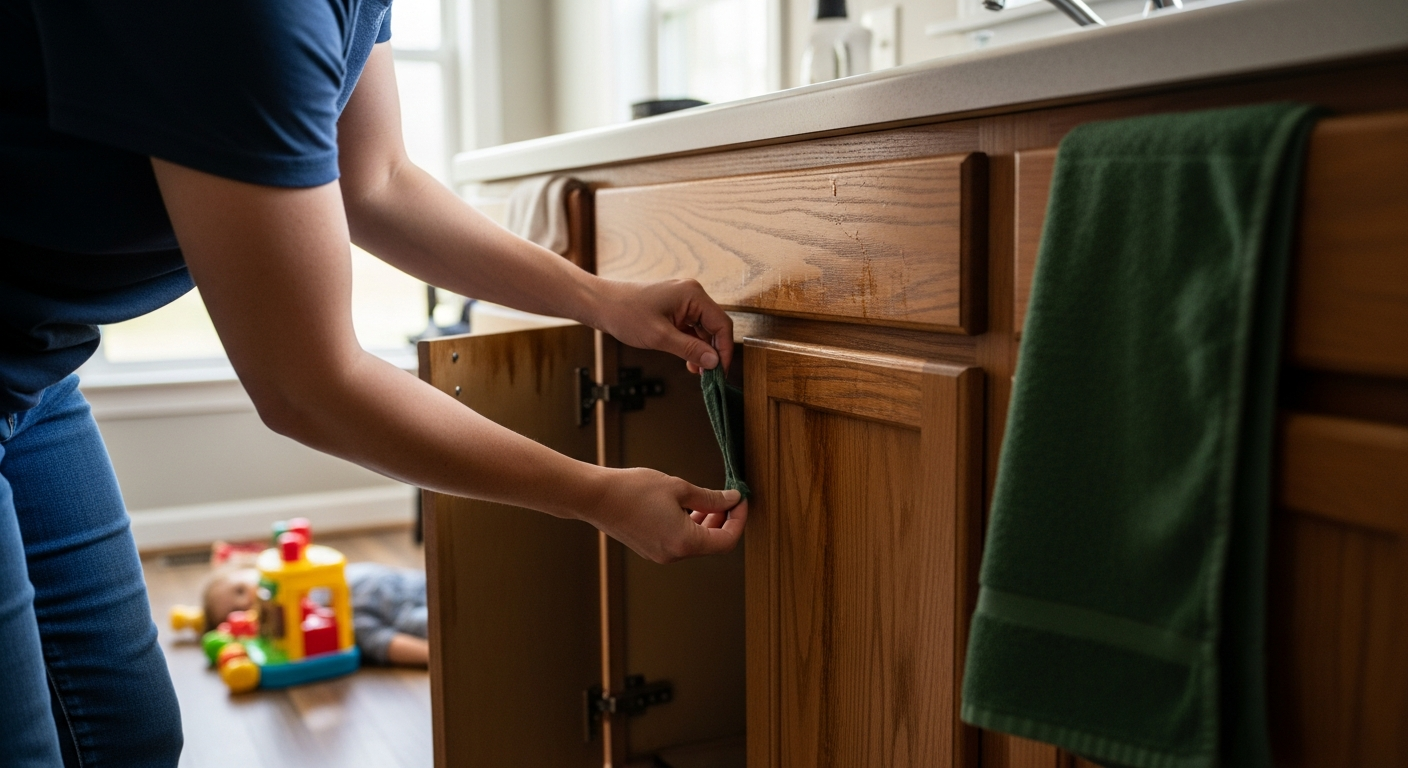
One recent project involved a Grafton homeowner who discovered a small leak behind their kitchen sink in early July. Within five days of the initial water intrusion, moisture had spread to an adjacent bathroom and bedroom through shared wall cavities. Gateway Water & Mold’s documentation process included moisture readings every six hours, demonstrating to the insurance carrier how quickly the damage progressed during peak humidity conditions. Their detailed drying logs and equipment placement records ensured full claim coverage without delays.

The company’s structural drying process for river town properties includes specialized dehumidification to address both the leak source and ambient humidity that prevents natural drying. Their equipment selection accounts for Grafton’s challenging moisture conditions, using commercial-grade dehumidifiers rated for high-humidity environments rather than standard restoration equipment designed for drier climates.

Musty Smell Removal Grafton IL Insurance Considerations

Minor mold problems often fall into insurance coverage gray areas, but Gateway Water & Mold’s documentation methods help homeowners maximize their claim potential. Illinois insurance policies typically cover mold remediation when it results from a covered water loss, but proving the connection requires detailed moisture tracking and timeline documentation.

The company’s Xactimate-aligned reporting system provides insurance adjusters with the specific details major carriers require, including moisture readings, drying equipment specifications, and daily progress logs. This thorough documentation proves particularly important for Grafton properties, where insurance companies sometimes question whether moisture problems stem from covered plumbing failures or excluded flooding and ground water intrusion. Gateway Water & Mold’s systematic approach to distinguishing between these causes helps homeowners avoid claim denials based on coverage misunderstandings.

For homeowners facing minor summer leak situations, immediate professional assessment often costs less than attempting DIY solutions that fail to address underlying moisture sources. The company’s emergency response team answers calls 24/7 and arrives within 60 minutes, preventing minor problems from escalating into major remediation projects that strain insurance coverage limits.

The key to successful mold remediation in Grafton’s challenging environment lies in addressing both the immediate water source and the atmospheric conditions that sustain mold growth. Gateway Water & Mold’s comprehensive approach, backed by their parent company AirSense Environmental’s air quality expertise, ensures that summer moisture problems don’t return when humidity levels peak again the following year. Homeowners dealing with persistent moisture issues should contact their emergency water extraction team before minor problems become major expenses.

Frequently Asked Questions


Grafton, IL's Riverbend Humidity: Why Minor Summer Leaks Turn into Major Mold Problems & Lingering Odors — human element image

How quickly can mold grow from a minor summer leak in Grafton IL?

Mold spores can begin colonizing damp surfaces within 18-24 hours during Grafton’s peak summer humidity period from June through August. The Illinois River valley’s 76% average relative humidity creates ideal conditions for rapid mold growth, particularly in basement areas and around air conditioning systems. Properties near the riverfront or in the Historic Grafton area may see visible mold growth within 48 hours due to additional moisture from ground water and aging foundation systems.

What constitutes a minor leak versus something requiring immediate professional help?

Minor leaks include dripping faucets, loose pipe fittings, or small toilet seal failures that affect less than 10 square feet of flooring or wall surface. However, in Grafton’s humid environment, any leak that persists for more than 48 hours during summer months should receive professional assessment. The combination of river valley humidity and limited air circulation in older homes means even small water intrusions can affect adjacent rooms through moisture migration.

Will insurance cover mold remediation from minor summer leaks in Illinois?

Illinois insurance policies typically cover mold remediation when it results from sudden and accidental water discharge from plumbing systems, but coverage requires proper documentation of the water source and timeline. Gateway Water & Mold’s detailed moisture mapping and drying logs help establish the connection between covered plumbing failures and resulting mold growth, which proves essential for claims involving minor leaks where the damage progression isn’t immediately obvious to insurance adjusters.

Water in your home or workplace right now?

Live phone, twenty-four seven. We dispatch the nearest crew the moment we hang up, across the St. Louis metro, both sides of the river.

Call (314) 947-3419

Carrier names and trademarks referenced on this site are the property of their respective owners. Gateway Water and Mold is not affiliated with, endorsed by, or a preferred contractor for any insurance carrier. We work alongside policyholders and their carriers on restoration claims; policyholders retain the right to choose their own restoration contractor.