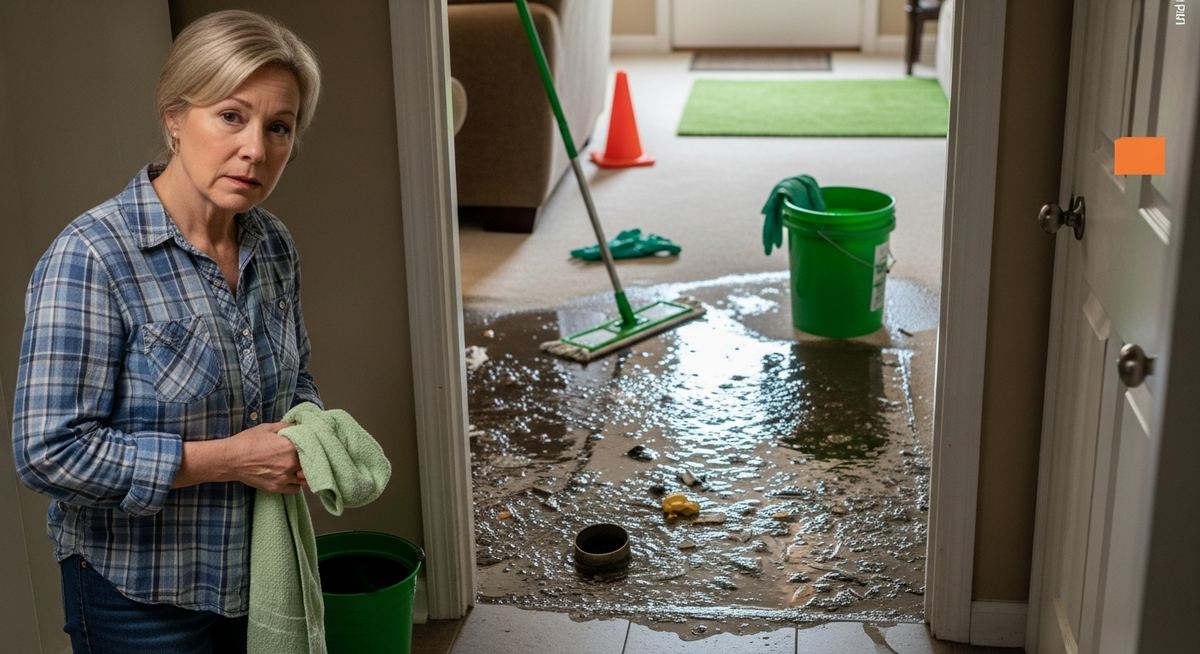
Sewer backups in Fairview Heights require investigation of the actual source and contamination conditions. Gateway provides cleanup and documentation; no local incident count or construction-era cause is established here. Gateway provides basement flooding cleanup where needed.
See the related Madison basement sewage backup guide for additional response context. See the Madison basement sewage backup guide for related response information.
What to Do About Sewage Backups in Fairview Heights
- Stay away from contaminated water and electrical equipment. Have power disconnected safely by the utility or a qualified electrician if the breaker cannot be reached safely.
- Keep people and pets away from contaminated areas until the appropriate professionals determine suitable access precautions.
- Notify your insurer promptly under the policy and confirm sewer-backup coverage; sudden entry alone does not guarantee coverage.
- Photograph visible damage from a safe location without delaying necessary safety measures.
- Call Gateway Water & Mold at the first sign of backup—Category 3 water damage spreads contamination rapidly through porous materials
- Avoid using any plumbing fixtures until the backup source is identified and cleared
Why Fairview Heights Spring Storms Cause Sewer Line Overflow
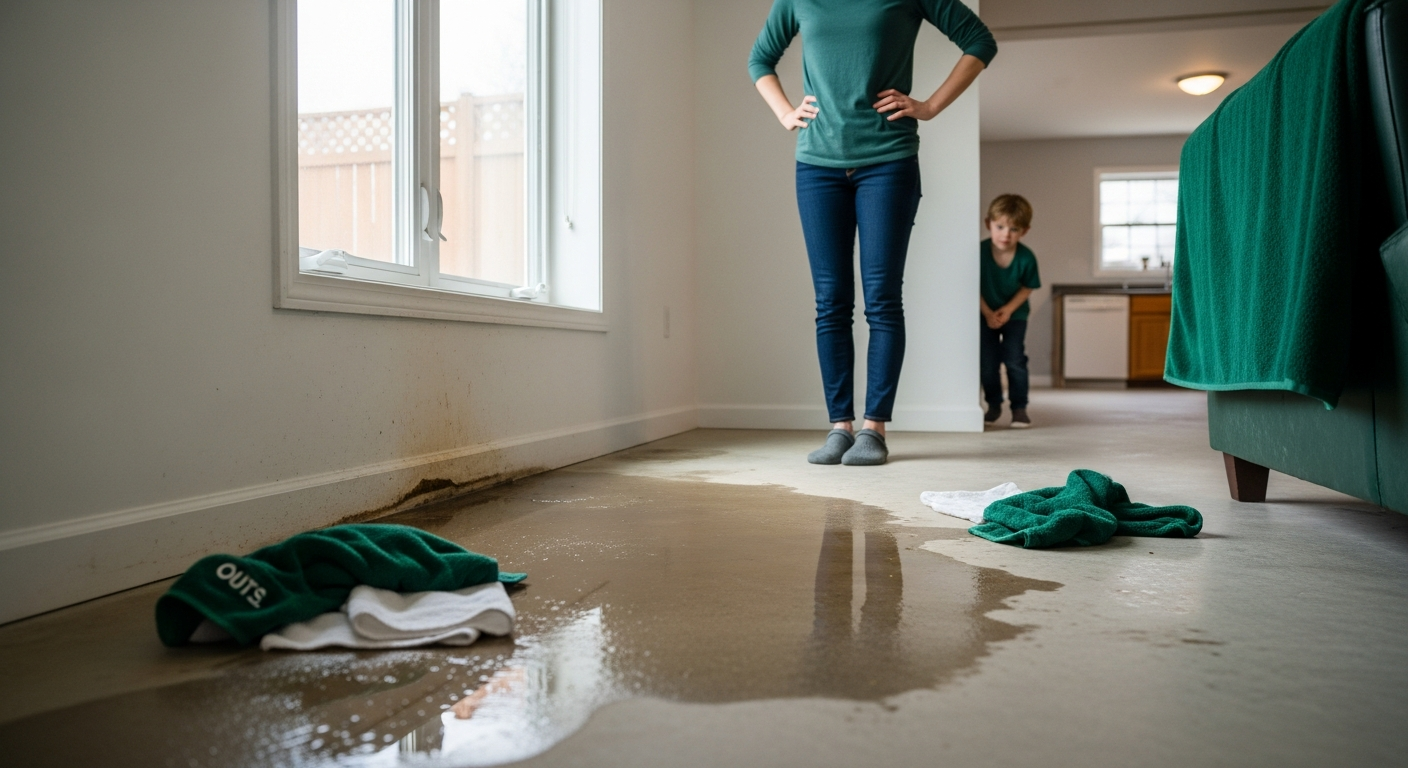
Heavy rain can expose drainage or sewer problems. Actual conditions and utility investigation are needed; no assumed local severe-storm count establishes the cause.
Sewer capacity and pipe condition vary by location. The responsible utility or a qualified sewer professional should investigate the actual cause of a backup.
Report sewage backing up through drains to the responsible utility or a qualified sewer professional. A single rainfall threshold cannot establish system capacity at the property.
Local Factors That Worsen Fairview Heights Basement Sewage Damage

Investigate actual drainage and pipe conditions. Regional soil descriptions do not establish the duration of pressure on a particular sewer system.
Assess the actual runoff and utility connections. Neighborhood elevations alone do not establish whether stormwater entered the sanitary system.
Confirm whether the affected property connects to separate or combined systems with the responsible utility. An assumed system age or rainfall figure does not establish why a backup occurred.
The responsible utility should investigate recurring backups. An assumed creek or pipe route does not establish a neighborhood-wide backup frequency.
Weather and ground conditions can affect runoff, but the actual source and system condition must be assessed for a specific backup.
Health Risks Sewage Backup Creates in Your Home
Sewage-contaminated water can contain harmful organisms. Avoid contact and arrange appropriate cleanup; personal health concerns should be discussed with a qualified healthcare professional.
Sewage-contaminated water presents health hazards. Keep people away from the affected area and arrange appropriate cleanup; medical symptoms require advice from a qualified healthcare professional.
How Gateway Water & Mold Handles Wastewater Cleanup Fairview Heights

Gateway assesses moisture and affected materials to document the cleanup scope. Thermal observations do not directly identify contamination beyond visible areas.
Select contamination controls for the actual loss and building conditions. A housing type alone does not establish an air pathway or guarantee that one containment method is sufficient.
Sewage cleanup requires assessment of contamination and affected materials. Document the inspected scope and drying progress; removal decisions should follow the actual loss rather than a fixed height or presumed past case.
Re-entry decisions require assessment of the completed cleanup and remaining hazards. An air sample alone does not certify that a sewage-affected space is safe for every occupant.
Ask Gateway about applicable training, credentials and documentation for the proposed scope. Cleanup records support insurance review but do not guarantee a successful claim.
Appropriate cleanup addresses observed contamination and moisture. No restoration method guarantees long-term health outcomes or the absence of future mold.
Contact Gateway about water damage restoration and mold remediation assessment after sewage backup. The scope depends on the actual loss and does not guarantee prevention of further contamination. Gateway also provides Clayton mold remediation. Ask Gateway about mold remediation expertise for the assessed scope.
Frequently Asked Questions
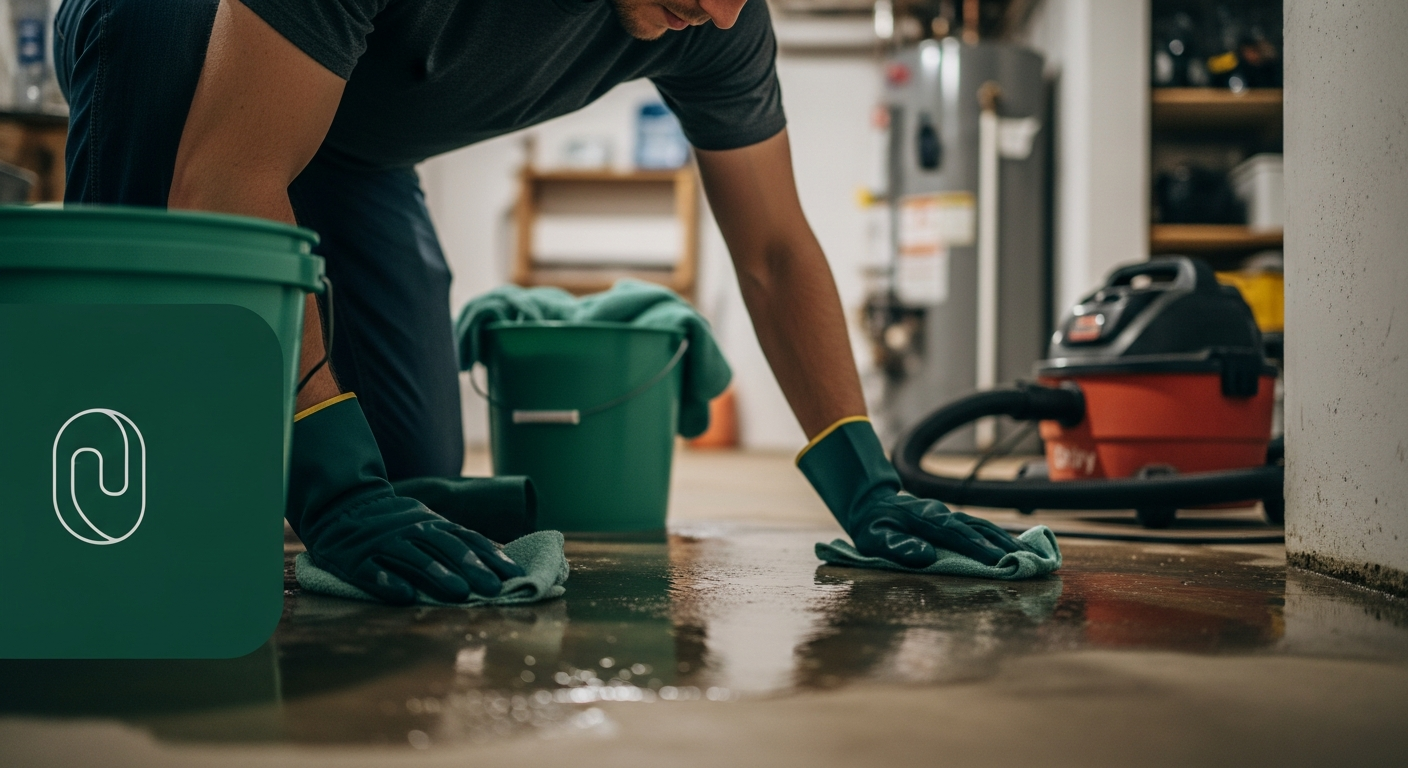
How quickly does sewage backup damage spread in Fairview Heights homes?
Arrange prompt assessment of sewage-affected materials. A fixed number of hours cannot guarantee that contamination will remain within the visibly flooded area.
Does homeowners insurance cover sewage backup cleanup in Fairview Heights?
Confirm sewer-backup options, premiums, limits and exclusions with the insurer. No standard endorsement price or payout range applies to every property.
What’s the difference between storm drain backup and sewer line problems in Fairview Heights?
Surface-water entry and a sanitary sewer backup require different source investigations. Identify actual entry points and contamination conditions rather than assigning the cause by neighborhood.
Sources (reviewed 2026-09-10): www.cdc.gov.
Sources (reviewed 2026-09-10): www.cdc.gov.