Gateway/Blog

Edwardsville’s Spring Rainfall: Essential Exterior Drainage Solutions to Prevent Basement Flooding

Edwardsville's Spring Rainfall: Essential Exterior Drainage Solutions to Prevent Basement Flooding

Spring rains in Edwardsville’s Leclaire and Sunset Hills neighborhoods often reveal drainage problems that homeowners didn’t know existed until water starts pooling around foundation walls. Gateway Water & Mold’s IICRC-trained team has handled drainage-related basement flooding across Madison County for years, seeing the same preventable issues repeat in Edwardsville’s older neighborhoods where 43% of homes are over 50 years old.

What to Do for Edwardsville IL Exterior Drainage Basement Flood Prevention

  • Install 6-foot minimum downspout extensions directing water away from foundation walls
  • Grade soil around your home with a 6-inch drop over the first 10 feet from foundation
  • Clean gutters twice yearly, especially after Edwardsville’s heavy May rains (averaging 4.1-6.96 inches)
  • Check for standing water in yards after storms, particularly in areas with Edwardsville’s “somewhat poorly drained” loess soils
  • Inspect basement walls for moisture or mineral deposits during spring humidity peaks (74% in winter months)
  • Consider French drain installation for chronic water issues in low-lying areas near Cahokia Creek

How Edwardsville’s Soil Creates Basement Water Problems

Edwardsville's Spring Rainfall: Essential Exterior Drainage Solutions to Prevent Basement Flooding — in-context / use-case image

Edwardsville sits on “very deep, somewhat poorly drained, moderately permeable soils formed in loess on till plains,” according to USDA soil surveys. This clay-heavy loess acts like a sponge during Edwardsville’s wet springs, absorbing water until saturated, then forcing excess moisture against basement foundations. The underlying “pebbly loamy diamicton” layer creates a barrier that prevents water from draining deeper into the ground.

Think of it like a wet towel pressed against your basement wall. The loess soil holds moisture for weeks after heavy rains, creating hydrostatic pressure that pushes water through foundation cracks and blocks. This problem gets worse in neighborhoods like Woodland Hills and Indian Meadows, where homes were built during the 1970-1999 construction boom on former agricultural land that wasn’t properly graded for residential drainage.

Edwardsville Gutter Overflow Water Damage Patterns

Edwardsville receives an average of 45 inches of precipitation annually, with May typically bringing 4.1-6.96 inches concentrated in 10-12 rainy days. Gutters sized for normal rainfall can’t handle these intense spring deluges, especially when clogged with debris from Edwardsville’s mature oak and maple trees.

Overflow water from undersized or clogged gutters creates specific damage patterns Gateway Water & Mold sees repeatedly in Edwardsville homes. Water cascades directly next to foundation walls instead of being carried away, saturating the loess soil and creating the hydrostatic pressure that drives basement flooding. In neighborhoods like Governors’ Hill and Rustic Ridge, homes built on sloped lots see water channeling along foundation lines, overwhelming perimeter drains that were never designed for direct gutter discharge.

The city’s Municipal Separate Storm Sewer System (MS4) permit requires property owners to manage stormwater runoff, but doesn’t specify gutter capacity standards. Most Edwardsville homes built before 2000 have 5-inch gutters that can’t handle modern rainfall intensities, leading to the overflow problems that create basement moisture issues.

Edwardsville Downspout Extensions Basement Protection
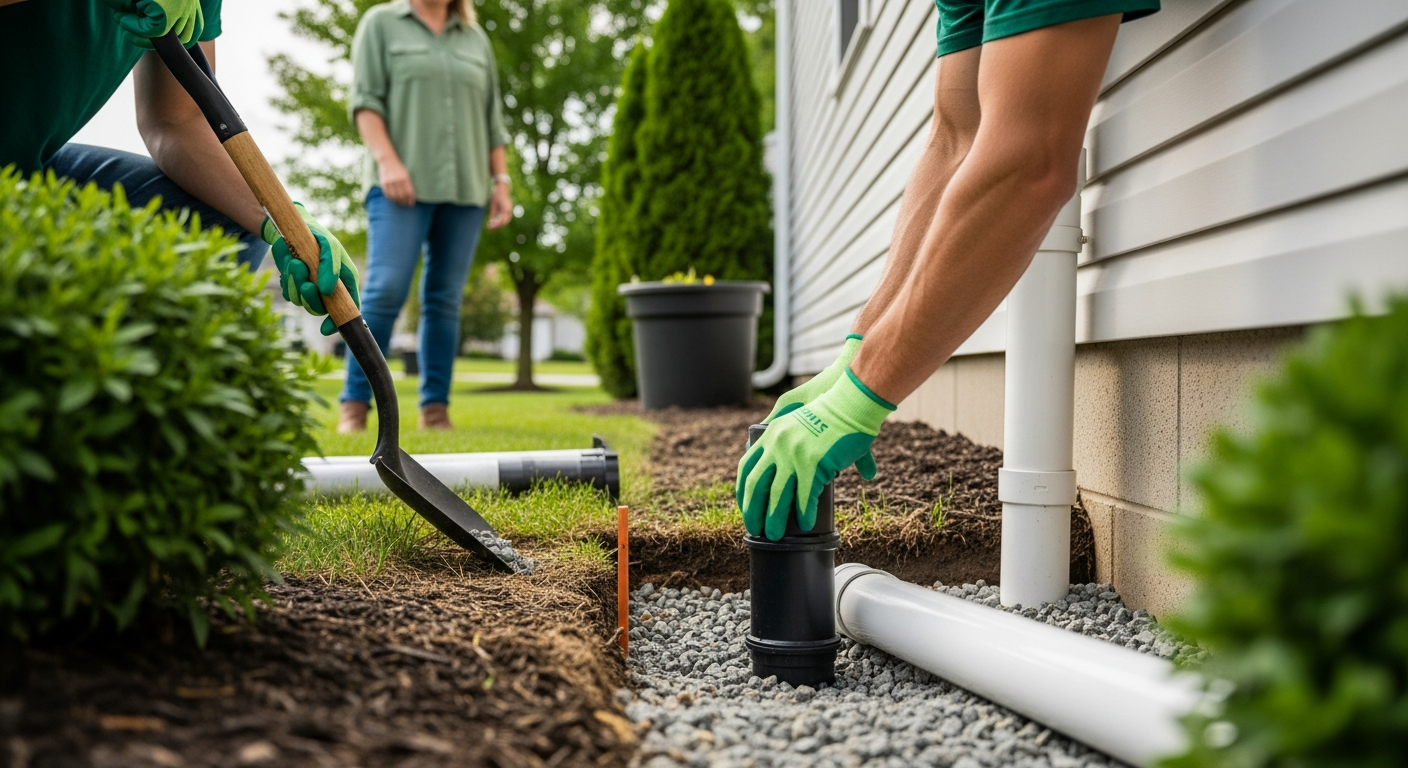

Edwardsville's Spring Rainfall: Essential Exterior Drainage Solutions to Prevent Basement Flooding — process / how-it-works image

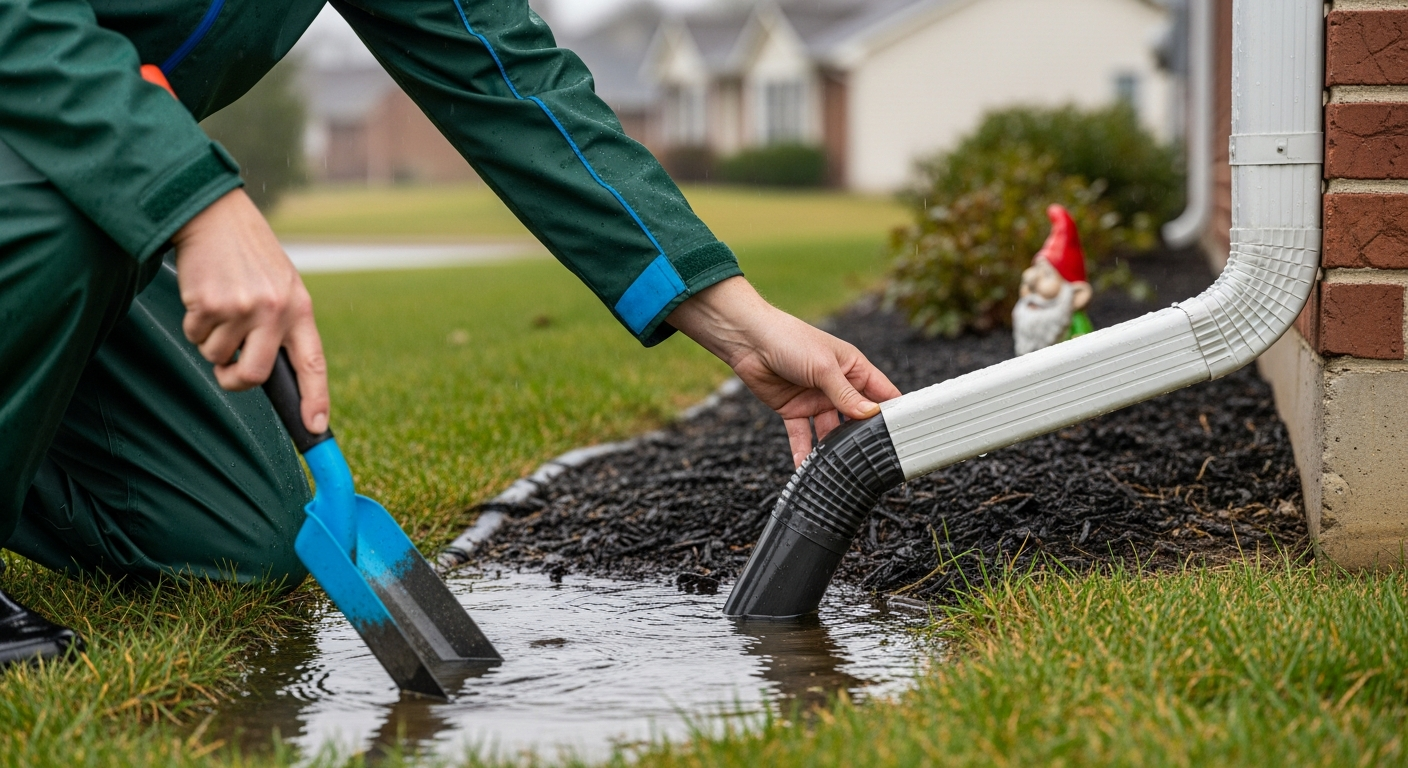
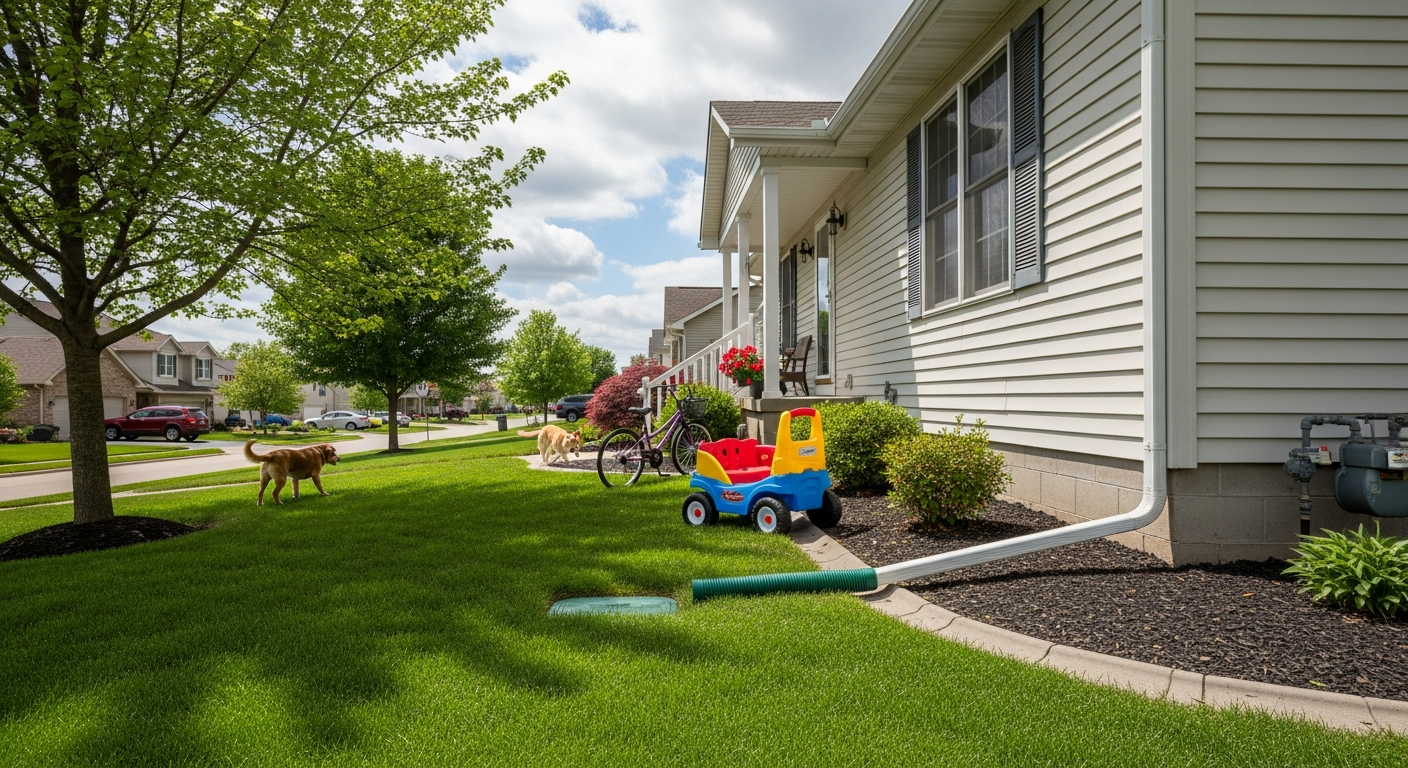
Proper downspout extensions prevent 80% of basement water intrusion in Edwardsville’s loess soils. Extensions must carry water at least 6 feet from foundation walls – farther in areas with poor drainage like the lower elevations near Cahokia Creek. The Illinois State Water Survey recommends 10-foot extensions in clay-heavy soils like those found throughout Madison County.

Standard 3-foot extensions don’t work in Edwardsville because they dump water directly into the saturation zone around foundations. Gateway Water & Mold’s crews regularly see basement flooding in homes where downspouts discharge within 5 feet of foundation walls. The loess soil’s moderate permeability means water moves slowly away from discharge points, creating temporary pools that eventually find their way into basements through hydrostatic pressure.

Flexible extensions work better than rigid ones in Edwardsville’s freeze-thaw cycles. Winter temperatures averaging 23°F with extremes reaching -27°F can crack rigid PVC extensions, creating breaks that redirect water back toward foundations. Underground extensions require proper grading and often French drain connections in areas where surface drainage is limited by neighboring properties or street grades.

Edwardsville Yard Grading Drainage Requirements

Proper yard grading requires a 6-inch drop over the first 10 feet from foundation walls, but Edwardsville’s topography makes this challenging in many neighborhoods. Areas like Montclaire and Indian Meadows were built on relatively flat agricultural land where achieving proper drainage grades requires importing fill dirt and careful contouring.

The City of Edwardsville building codes require drainage away from structures, but many homes built between 1970-1999 don’t meet current standards. Settlement of the loess soils over decades creates negative grading where water pools against foundations instead of flowing away. This problem is most severe in neighborhoods built on former farmland where developers didn’t account for long-term soil settlement.

Gateway Water & Mold sees drainage problems in specific Edwardsville subdivisions where original grading was minimal. Homes in Sunset Hills and Leclaire often need regrading after 20-30 years as the loess soils compact and settle. Professional regrading costs $2,000-5,000 but prevents basement flooding that can cause $15,000-30,000 in damage when Edwardsville’s spring rains overwhelm inadequate drainage.

Warning Signs of Drainage Failure in Edwardsville
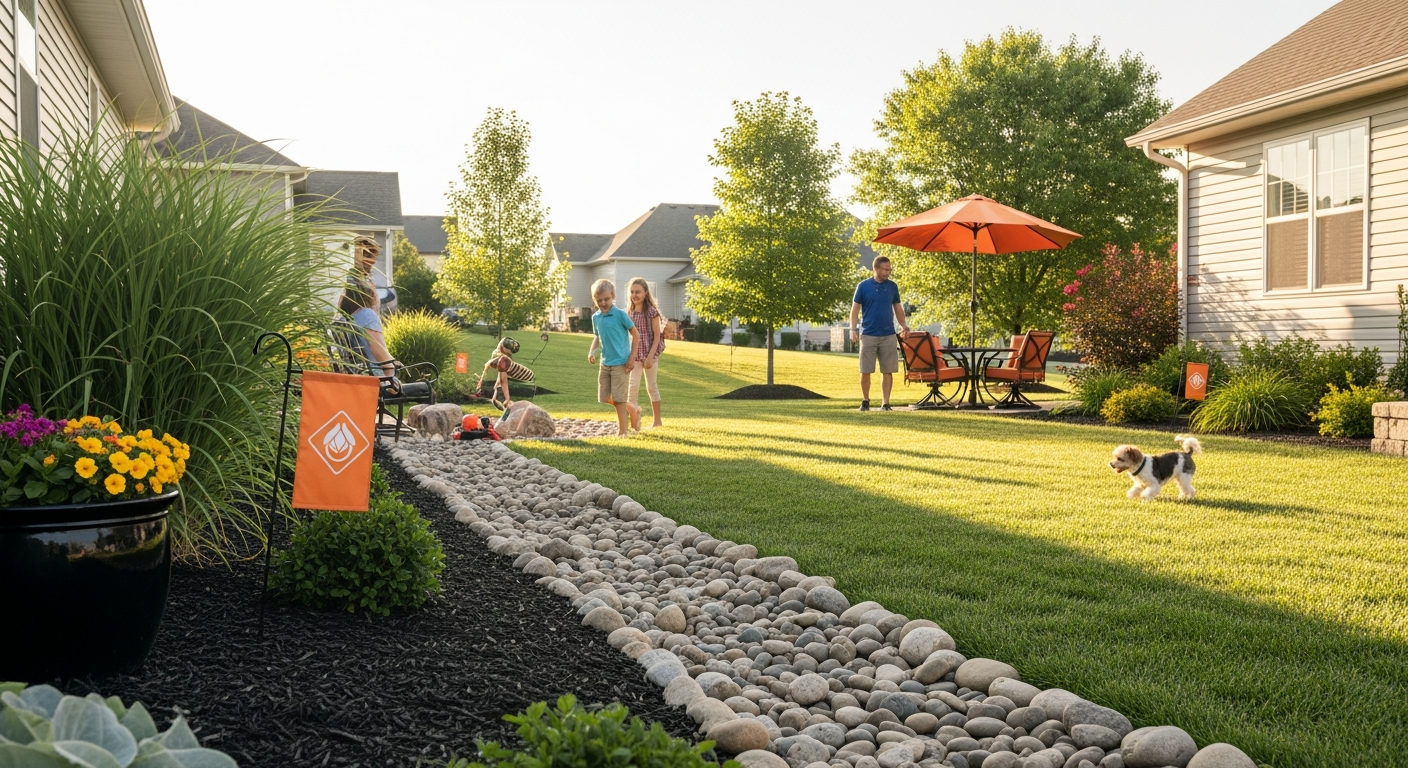

Edwardsville's Spring Rainfall: Essential Exterior Drainage Solutions to Prevent Basement Flooding — outcome / result image

Watch for water staining on basement walls after Edwardsville’s typical spring rain patterns – multiple days of steady precipitation that saturate the loess soils completely. Fresh mineral deposits (white, chalky residue) on basement walls indicate recent water intrusion, while rust stains suggest chronic moisture problems in homes with older galvanized plumbing common in pre-1980 Edwardsville construction.

Surface warning signs include standing water in yards more than 48 hours after rain stops, erosion channels along foundation lines, and soggy soil near basement walls during dry periods. In Edwardsville’s humid climate (averaging 74% relative humidity in winter), basement moisture creates ideal mold conditions, especially in homes with the galvanized steel pipes installed before 1960 in older neighborhoods like downtown Edwardsville and areas near the railroad tracks.

How Gateway Water & Mold Handles Edwardsville Drainage Issues

Gateway Water & Mold’s approach starts with moisture mapping using thermal imaging and pin/pinless meters to identify water intrusion patterns specific to Edwardsville’s loess soil conditions. Their IICRC-trained crews understand how water moves through Madison County’s clay-heavy soils and design drainage solutions that work with local topography rather than fighting it.

The team recently helped a homeowner in Edwardsville’s Governors’ Hill neighborhood where spring rains consistently flooded a finished basement. Thermal imaging revealed water entering through foundation walls on the uphill side where inadequate grading and short downspouts created a perfect storm. The solution involved extending downspouts 10 feet, regrading with proper drainage slopes, and installing a French drain system to handle overflow during heavy rain events.

Their “test before you scope, plan before you tear out” methodology prevents over-remediation common with drainage problems. Instead of immediately recommending expensive basement waterproofing, Gateway Water & Mold first addresses exterior drainage issues that cause 90% of Edwardsville basement water problems. This approach saved the Governors’ Hill homeowner $12,000 compared to full basement waterproofing quotes from other contractors.

Understanding Illinois drainage law homeowners rights and responsibilities helps Gateway Water & Mold design solutions that comply with local regulations while effectively managing stormwater runoff. Their comprehensive approach includes insurance documentation using Xactimate-aligned scoping, ensuring clients receive proper coverage for drainage-related water damage that often gets disputed by insurance carriers unfamiliar with Edwardsville’s unique soil conditions.

Edwardsville’s combination of loess soils, intense spring rainfall, and aging housing stock creates predictable basement flooding patterns that proper exterior drainage prevents. Focus on extending downspouts beyond the soil saturation zone, maintaining gutters sized for modern rainfall intensities, and grading that works with local topography rather than against it.

Professional drainage assessment becomes necessary when DIY solutions fail or when dealing with the complex grading issues common in Edwardsville’s established neighborhoods. Gateway Water & Mold’s basement flooding services in Edwardsville include both emergency water extraction and the drainage analysis needed to prevent future problems. Their water damage restoration expertise covers everything from initial assessment through final remediation, with insurance documentation that prevents claim delays.

Contact Gateway Water & Mold at the first sign of basement moisture rather than waiting for major flooding. Their 24/7 emergency response includes drainage evaluation as part of comprehensive water damage assessment, helping Edwardsville homeowners address root causes rather than just symptoms.

Frequently Asked Questions


Edwardsville's Spring Rainfall: Essential Exterior Drainage Solutions to Prevent Basement Flooding — human element image

How much rain causes basement flooding in Edwardsville IL?

Basement flooding typically occurs when Edwardsville receives more than 2 inches of rain in 24 hours, especially during spring months when loess soils are already saturated from snowmelt. The city’s average May rainfall of 4.1-6.96 inches often comes in intense bursts that overwhelm drainage systems designed for steady, lighter precipitation. Homes with inadequate exterior drainage can flood with as little as 1.5 inches if gutters overflow or downspouts discharge too close to foundations.

What drainage problems are covered by homeowners insurance in Illinois?

Illinois homeowners insurance typically covers “sudden and accidental” water damage but excludes flooding from surface water and gradual seepage. Basement water from overwhelmed gutters or failed exterior drainage usually falls into coverage gaps unless you have specific endorsements. However, if exterior drainage failure causes sudden basement flooding that damages personal property, many policies provide coverage for contents even if they won’t pay for drainage repairs or foundation waterproofing.

Do I need permits for exterior drainage work in Edwardsville?

Edwardsville requires building permits for French drains, catch basins, and drainage work that connects to city storm sewers. Simple downspout extensions and minor regrading typically don’t require permits, but major landscape changes affecting stormwater runoff must comply with the city’s MS4 permit requirements. Contact Edwardsville’s Building Department at (618) 692-7535 before starting drainage projects that involve excavation deeper than 18 inches or that direct water toward neighboring properties.

How long do exterior drainage solutions last in Edwardsville’s climate?

Properly installed exterior drainage systems last 15-25 years in Edwardsville’s freeze-thaw climate, with regular maintenance extending their lifespan. French drains need cleaning every 5-7 years as Edwardsville’s clay soils can clog perforated pipes. Downspout extensions require annual inspection for freeze damage, while yard grading may need touch-ups every 10-15 years as loess soils settle. Professional installation using materials rated for Illinois weather conditions significantly improves longevity compared to DIY solutions.

What’s the difference between surface drainage and foundation waterproofing?

Surface drainage prevents water from reaching foundation walls through proper grading, gutters, and downspout management – addressing 90% of Edwardsville basement water problems at 20% of the cost of foundation waterproofing. Foundation waterproofing involves excavating around foundations to install membranes and drain tiles, costing $15,000-30,000 for typical Edwardsville homes. Most basement water issues in Edwardsville’s loess soils resolve with exterior drainage improvements, making expensive waterproofing unnecessary except in cases of structural foundation problems.

Can neighbors affect my property’s drainage in Edwardsville?

Illinois drainage law requires property owners to accept “natural” water flow from higher elevations but prohibits artificially concentrating drainage onto neighboring properties. If your neighbor’s gutters, downspouts, or grading changes increase water flow onto your property, you have legal recourse under state drainage statutes. Edwardsville’s MS4 permit requirements also restrict how property owners can modify drainage patterns, giving you additional protection against neighbor modifications that cause flooding on your property.

Water in your home or workplace right now?

Live phone, twenty-four seven. We dispatch the nearest crew the moment we hang up, across the St. Louis metro, both sides of the river.

Call (314) 947-3419

Carrier names and trademarks referenced on this site are the property of their respective owners. Gateway Water and Mold is not affiliated with, endorsed by, or a preferred contractor for any insurance carrier. We work alongside policyholders and their carriers on restoration claims; policyholders retain the right to choose their own restoration contractor.