
Gateway/Blog

Dupo, IL’s Summer Humidity Threat: Protecting Older Homes from Crawl Space Moisture and Hidden Mold

Dupo, IL's Summer Humidity Threat: Protecting Older Homes from Crawl Space Moisture and Hidden Mold

With summer humidity settling into the Mississippi River floodplain, older homes in Dupo face a particularly challenging season for crawl space moisture problems. The combination of Dupo’s low elevation near the American Bottoms and homes built before modern moisture barriers creates conditions ripe for hidden mold growth. Gateway Water & Mold has been tracking moisture patterns across Madison County’s older neighborhoods, finding that homes built before 1980 in Dupo’s riverside areas show the highest risk for summer crawl space issues.

What to Do About Crawl Space Moisture in Dupo This Summer

  • Check crawl space vents monthly during July and August when humidity peaks above 75%
  • Install a digital hygrometer to monitor moisture levels – anything above 60% relative humidity needs attention
  • Clear vegetation from around foundation vents to improve airflow in Dupo’s dense summer air
  • Look for white chalky deposits (efflorescence) on foundation walls after heavy rains
  • Schedule professional moisture testing if you detect musty odors stronger in morning hours
  • Document any moisture problems now before they worsen in September’s temperature swings

Why Summer Humidity Hits Dupo Crawl Spaces Hard


Dupo, IL's Summer Humidity Threat: Protecting Older Homes from Crawl Space Moisture and Hidden Mold — in-context / use-case image

Dupo’s location in the American Bottoms creates challenging conditions for crawl space moisture during summer months. The area sits at an elevation of just 410 feet above sea level, where warm, humid air from the Mississippi River gets trapped against the bluff line. According to NOAA climate data, the St. Louis metro area averages 76% relative humidity during July mornings, with Dupo often recording higher levels due to its proximity to water.

The problem starts when this humid outdoor air meets the cooler temperatures typically found in crawl spaces. Warm air holds more moisture than cool air, so when humid summer air enters a 65-degree crawl space, that moisture condenses on every available surface. Foundation walls, floor joists, and insulation all become collection points for water droplets.

Older homes built before 1980 face additional challenges because they lack modern vapor barriers and often have inadequate ventilation systems. Many Dupo homes from the 1950s and 1960s were built with simple block foundations and minimal crawl space design, assuming that basic vents would handle moisture control year-round.

Dupo’s Unique Challenges for Older Home Moisture Control

The Edwardsville silt loam soil that underlies much of Dupo creates specific drainage challenges for crawl space moisture control. This soil type holds water longer than sandy soils, meaning ground moisture stays elevated for days after rain events. When you combine this with Dupo’s flat topography and proximity to Cahokia Creek, water has fewer places to go during Madison County’s average 15 summer thunderstorms.

Housing patterns in Dupo also influence moisture problems. The older residential areas along State Route 3 and near the railroad tracks feature homes with crawl spaces that were never designed for today’s humidity levels. These neighborhoods include properties along Elm Street, Main Street, and the areas between Cahokia Creek and the Mississippi River levee. Many of these homes have original stone or early concrete block foundations with no moisture barriers between the foundation and wood framing.

Gateway Water & Mold technician Jake Lusby has documented moisture readings in Dupo crawl spaces that consistently run 15-20% higher than similar homes in elevated areas like Edwardsville’s eastern subdivisions. The difference comes down to elevation, soil drainage, and air circulation patterns that trap humid air in the river bottom geography.

Climate data from the National Weather Service shows that Dupo area humidity often stays above 70% from June through August, with dew points frequently reaching 65-70 degrees. When crawl space temperatures drop below these dew points – which happens almost nightly – condensation becomes inevitable without proper moisture control systems.

Recognizing Hidden Mold in Dupo Basement Areas

Dupo, IL's Summer Humidity Threat: Protecting Older Homes from Crawl Space Moisture and Hidden Mold — process / how-it-works image

The musty smell that many Dupo homeowners notice in their basements during summer often originates in crawl spaces where hidden mold has established itself on floor joists and insulation. This odor typically becomes strongest during morning hours when humidity peaks and air circulation drops to its daily minimum.

Visual signs include white, chalky deposits on foundation walls (efflorescence), dark staining on wooden floor joists, and insulation that appears compressed or discolored. In Dupo’s older homes, mold growth often starts where floor joists meet foundation walls – areas that stay consistently damp due to ground moisture wicking up through concrete blocks.

Gateway Water & Mold encounters specific patterns in Dupo’s riverside neighborhoods where homes experience seasonal flooding or high groundwater. These properties often show mold growth that follows water intrusion patterns, starting at foundation level and working upward through wall cavities during extended humid periods.

How Gateway Water & Mold Addresses Crawl Space Moisture Control

Dupo, IL's Summer Humidity Threat: Protecting Older Homes from Crawl Space Moisture and Hidden Mold — outcome / result image

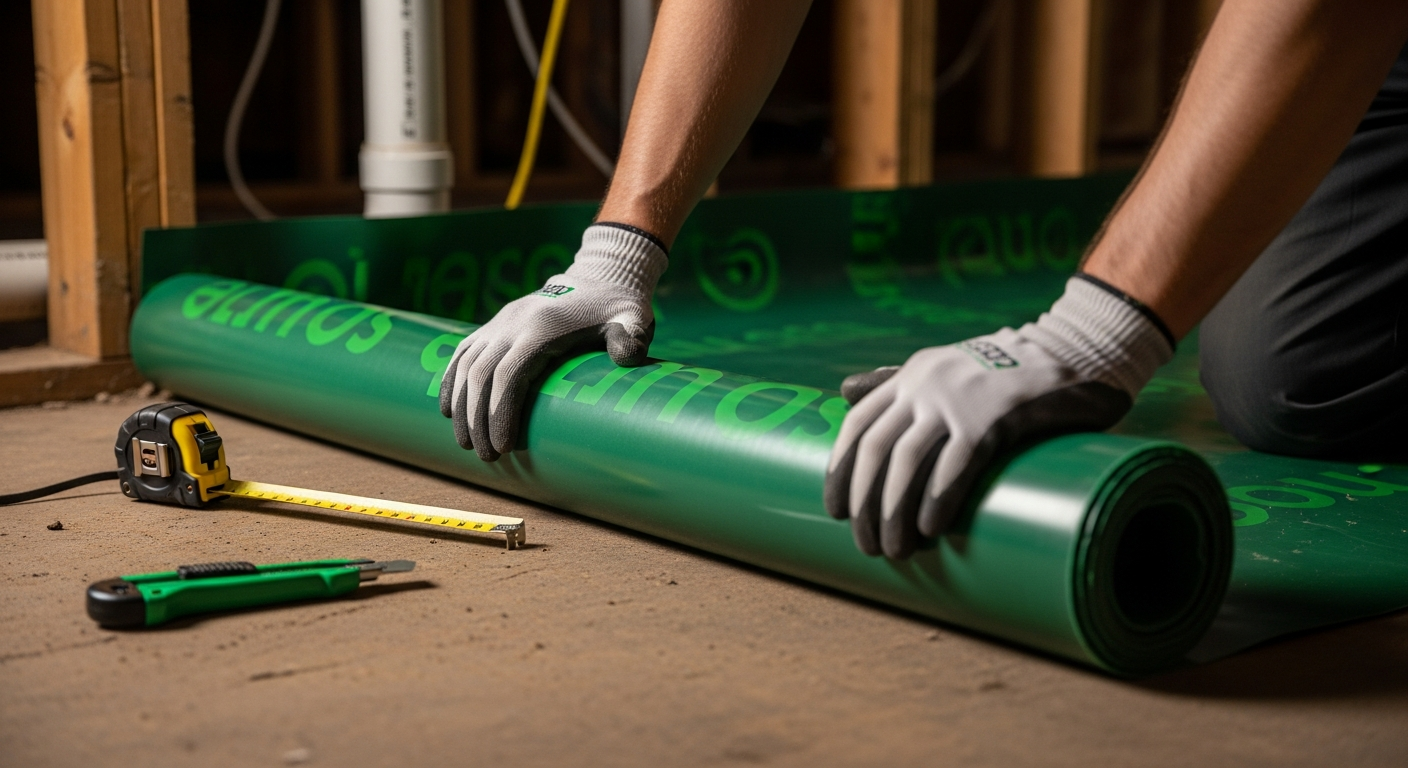
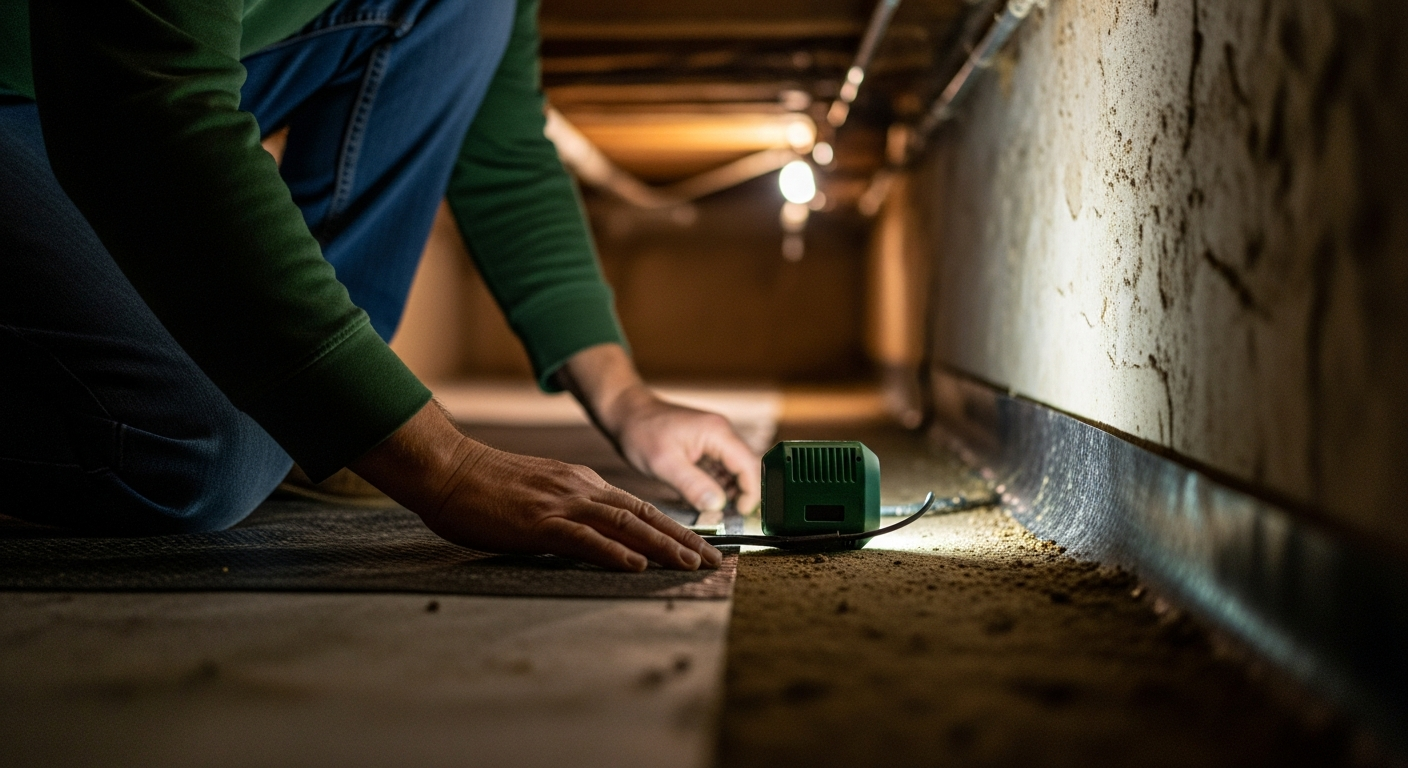
Gateway Water & Mold’s approach to crawl space moisture control in Dupo’s older homes starts with comprehensive moisture mapping using professional-grade detection equipment. Their IICRC-trained crew measures humidity levels, identifies moisture sources, and documents problem areas before recommending solutions.

The team’s “test before tear-out” methodology proves especially valuable in older Dupo homes where moisture problems might seem extensive but actually require targeted solutions. Recent work in Dupo’s Main Street area involved a 1960s ranch home where the homeowner assumed extensive mold remediation would be needed. Testing revealed that improved ventilation and strategic moisture barriers would solve the problem without major demolition.

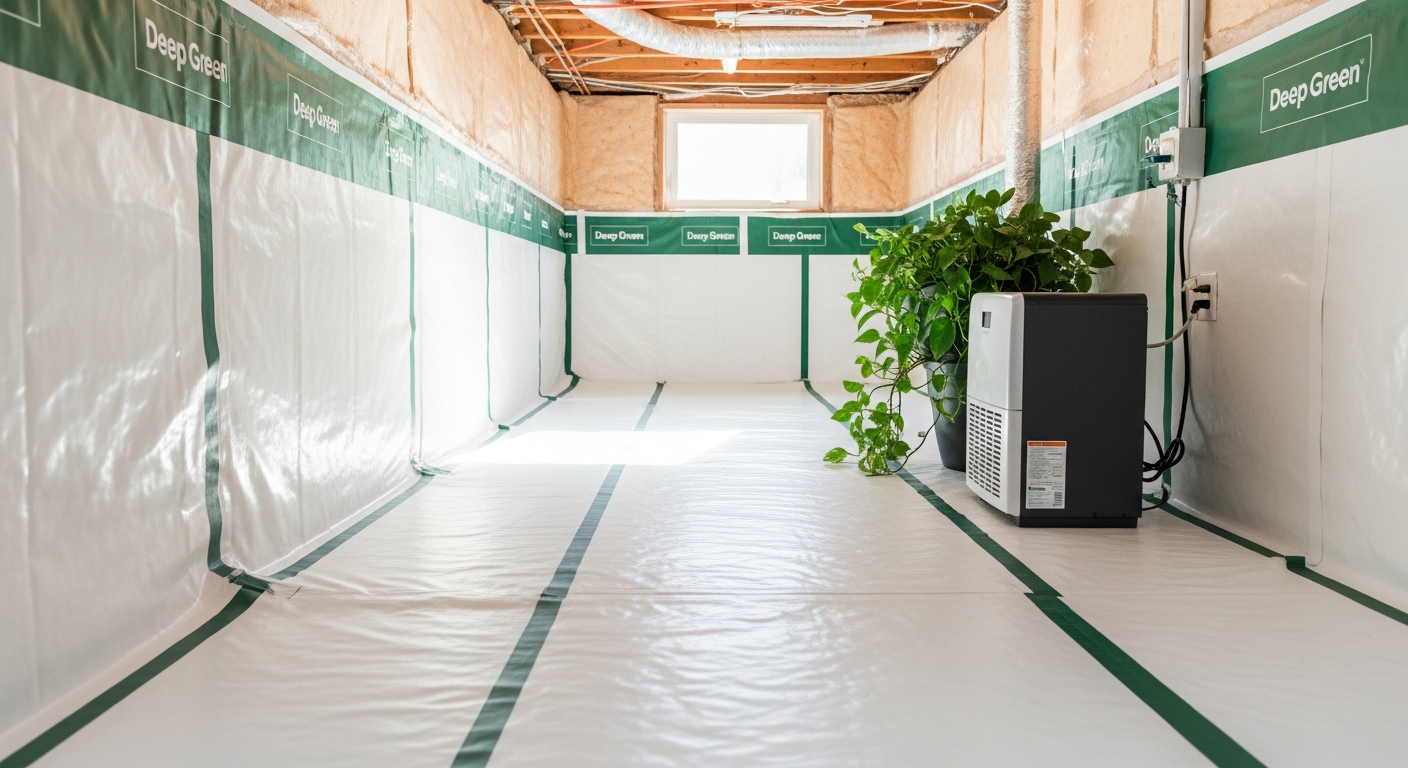
For crawl space encapsulation projects, Gateway Water & Mold coordinates with local building code requirements and works within the constraints of older foundation systems. Their documentation process includes moisture readings, humidity measurements, and photographic evidence that insurance carriers accept for coverage decisions. This attention to detail has helped Dupo homeowners secure insurance coverage for moisture control improvements that prevent future mold problems. See also: water damage insurance claim documentation.

Protecting Your Dupo Home Through Summer’s Peak Humidity

Preventing mold in floodplain homes like those in Dupo requires staying ahead of moisture accumulation rather than reacting to problems after they develop. Summer’s high humidity makes this the most important season for crawl space maintenance and monitoring.

For immediate help with crawl space moisture problems, Gateway Water & Mold offers emergency water extraction services and mold remediation with 24/7 response throughout Madison County. Their team provides free moisture assessments that help Dupo homeowners understand their specific risk factors and prevention options.

Contact Gateway Water & Mold at the first sign of musty odors or visible moisture problems – summer humidity can turn minor crawl space issues into major mold problems within days in Dupo’s challenging climate conditions.

Frequently Asked Questions

Dupo, IL's Summer Humidity Threat: Protecting Older Homes from Crawl Space Moisture and Hidden Mold — human element image

How often should I check my crawl space for moisture during Dupo’s humid summers?

Check your crawl space monthly during June, July, and August when humidity levels peak. In Dupo’s river bottom location, morning inspections work best because that’s when condensation problems show up most clearly. Look for standing water, wet insulation, or that distinctive musty smell that indicates moisture accumulation. Gateway Water & Mold recommends more frequent checks – every two weeks – for homes built before 1980 or properties near Cahokia Creek where ground moisture stays elevated longer.

What’s the difference between normal basement mustiness and hidden mold in older Dupo homes?

Normal basement mustiness comes and goes with weather changes, while hidden mold creates a persistent odor that gets stronger during humid periods. In Dupo’s older homes, mold-related odors typically intensify on humid mornings and may include a sharper, more acrid smell than simple mustiness. If you notice the smell getting worse after rain events or during summer’s peak humidity, that usually indicates active mold growth rather than just general basement dampness.

Do crawl space encapsulation systems work in Dupo’s floodplain conditions?

Crawl space encapsulation benefits Illinois homeowners significantly, but systems must be designed for Dupo’s specific challenges including high groundwater, clay soil drainage, and seasonal flooding risk. Proper encapsulation includes vapor barriers, drainage systems, and humidity control equipment rated for below-grade installations. Gateway Water & Mold has installed successful encapsulation systems in Dupo homes near the Mississippi River levee, but each installation requires custom design based on the property’s elevation, soil conditions, and foundation type.

Water in your home or workplace right now?

Live phone, twenty-four seven. We dispatch the nearest crew the moment we hang up, across the St. Louis metro, both sides of the river.

Call (314) 947-3419

Carrier names and trademarks referenced on this site are the property of their respective owners. Gateway Water and Mold is not affiliated with, endorsed by, or a preferred contractor for any insurance carrier. We work alongside policyholders and their carriers on restoration claims; policyholders retain the right to choose their own restoration contractor.