

Summer moisture problems in Brighton can begin with plumbing leaks, roof seepage or condensation. Gateway Water & Mold provides moisture assessment and mold remediation; conditions behind walls and flooring require site-specific investigation. Suspected mold warrants assessment.
What to Do About Brighton IL Hidden Mold Summer Humidity
- Check basement walls and floors weekly during July-August peak humidity periods
- Use bathroom ventilation as appropriate to the room and equipment guidance; persistent condensation warrants investigation.
- Monitor water bills for unexplained increases that signal hidden leaks
- Inspect around window frames and door thresholds after summer storms
- Test indoor humidity levels – keep below 50% during air conditioning season
- Schedule professional moisture mapping if you smell musty odors but can’t locate the source
Why Brighton Summer Humidity Accelerates Mold Growth

Condensation can develop when humid air meets a cool surface. Measure indoor humidity and inspect suspected damp areas rather than applying a regional humidity average to the home. Current regional weather information is available from the National Weather Service.
Damp building materials can support mold growth. Address leaks promptly rather than assuming a season determines how quickly damage will appear.
EPA recommends drying wet materials promptly after a leak or spill. This is prevention guidance, not a guarantee that every mold species begins growing at the same temperature, humidity or hour. See EPA’s mold guidance for moisture-control advice.
Brighton Housing Stock and Local Mold Risks
Inspect the home’s actual foundation and visible water-entry points. Construction era alone does not establish slab defects or local groundwater conditions. USDA Web Soil Survey provides regional soil information.
Condensation or leaks can affect below-grade spaces. Gateway’s water damage restoration assessment can document the observed moisture source and affected materials without assuming a neighborhood-specific mold pattern.
Inspect crawl spaces and lower levels for visible water, condensation and damp materials. Construction age and proximity to a creek do not establish the humidity inside a particular home.
Track actual indoor humidity after storms. No verified regional humidity-persistence percentage is needed to investigate a damp basement or leak. Regional climate information is available from the Illinois State Climatologist Office.
Signs of Hidden Mold in Brighton Homes
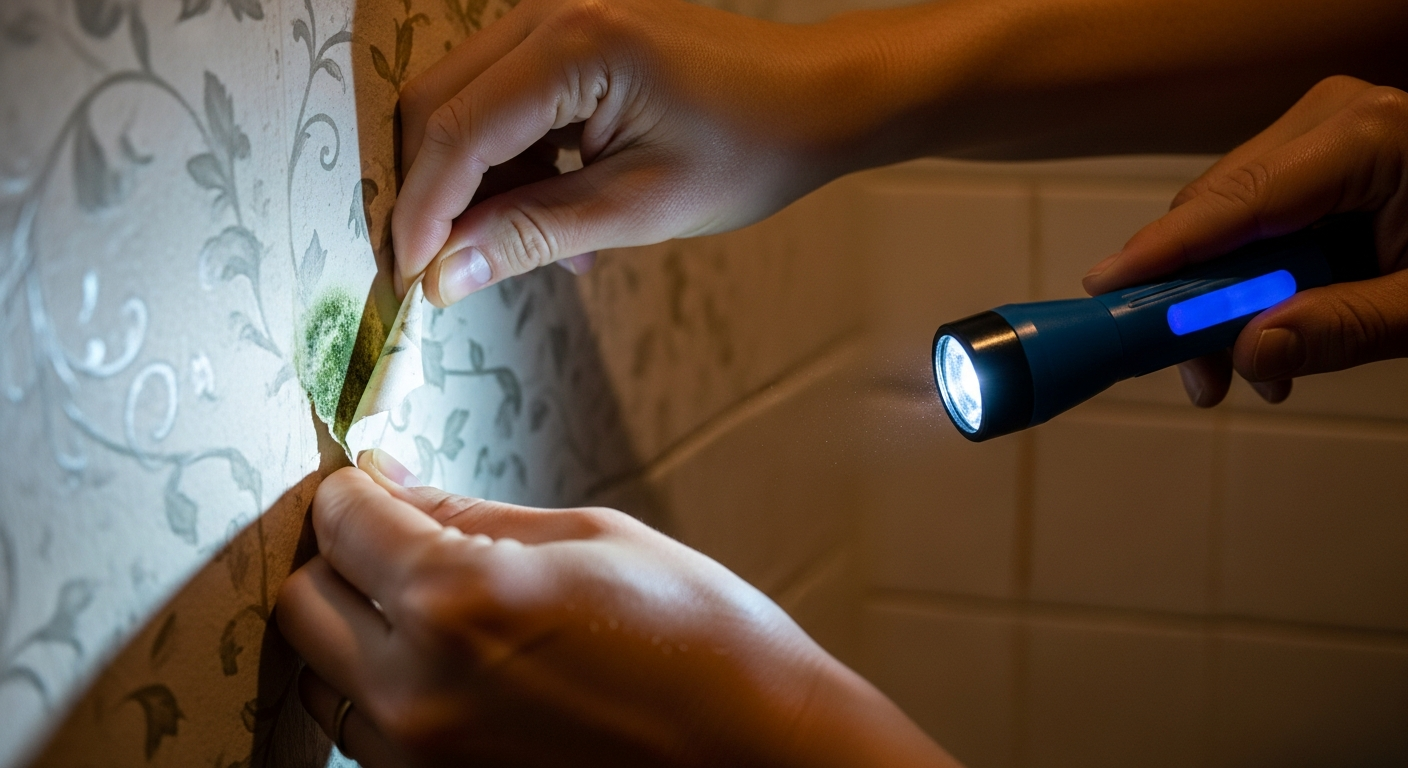
Persistent musty odors warrant investigation, but smell alone does not establish active mold or an HVAC contamination pathway.
Water staining, warped materials and musty odors warrant moisture investigation. Symptoms alone cannot establish mold as the cause; discuss health concerns with a qualified healthcare professional.
Fast Mold Growth Summer Illinois Conditions
Mold growth depends on moisture and the affected materials. A precise colony-doubling interval cannot be inferred from summer weather alone. University of Illinois Extension provides general home and environmental education.
Rain-related leaks can leave materials damp after a storm. Gateway’s St. Louis summer storm water damage guide provides additional response context for Metro East homeowners. Consult National Weather Service climate information for regional context.
Water Damage Mold Brighton IL Response

Gateway uses inspection and moisture measurements to assess affected materials. Thermal observations can guide further investigation, but no equipment method guarantees complete identification of hidden damage.
A moisture assessment should document observed conditions and affected materials. If mold sampling is needed, an independent inspector or industrial hygienist collects samples and an independent laboratory analyses them; Gateway performs remediation.
Moisture logs and photographs can support insurance claims assistance. Documentation does not guarantee that State Farm, Allstate or another carrier will cover a particular loss; confirm the policy and evidence requirements with the insurer.
Summer Humidity Mold Prevention Brighton Strategies
Address active leaks and measured indoor humidity. Basement flooding or repeated dampness may require additional source control; ventilation and dehumidification should suit actual indoor and outdoor conditions.
Inspect suspected water-entry points after rain when safe. Professional assessment can investigate moisture and affected materials, but a measurement alone does not establish hidden mold.
Address leaks and measured humidity rather than relying on climate assumptions. Persistent odors or visible moisture warrant building assessment; medical symptoms should be discussed with a healthcare professional.
Frequently Asked Questions
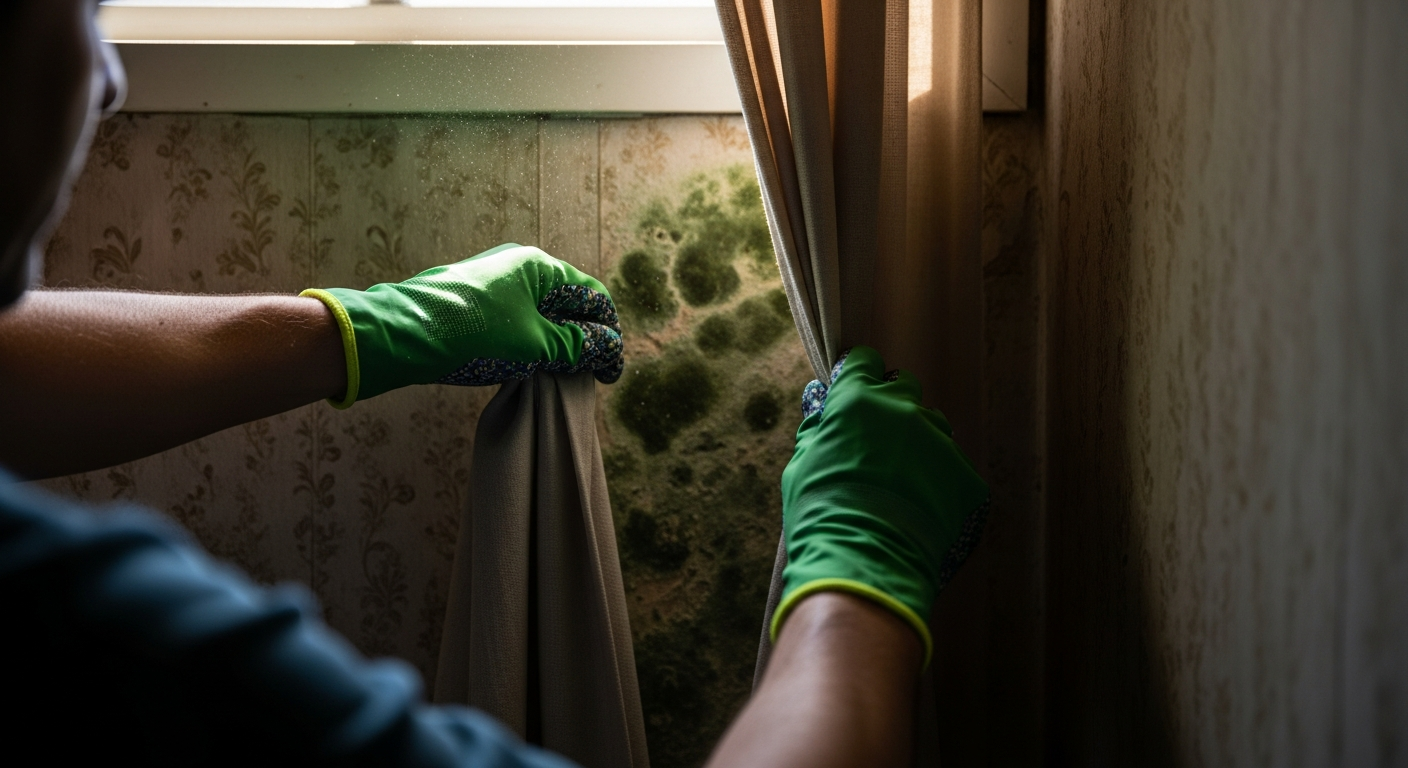
How quickly can mold grow in Brighton homes during summer humidity?
Respond promptly to wet materials and ongoing leaks. Mold growth varies with conditions; a fixed humidity threshold or doubling time cannot predict the extent of hidden growth in a particular home.
What makes Brighton homes more susceptible to hidden mold during summer?
Check the actual home for leaks, condensation and drainage problems. Regional location and construction era alone do not establish a humidity-persistence percentage or the extent of mold growth.
When should Brighton homeowners schedule professional mold inspection during summer months?
Persistent musty odors, water stains or warped materials warrant assessment. An inspection deadline cannot guarantee prevention, and unexplained symptoms require appropriate medical advice.
Sources (reviewed 2026-09-10): www.cdc.gov; www.epa.gov.
Sources (reviewed 2026-09-10): www.epa.gov.