
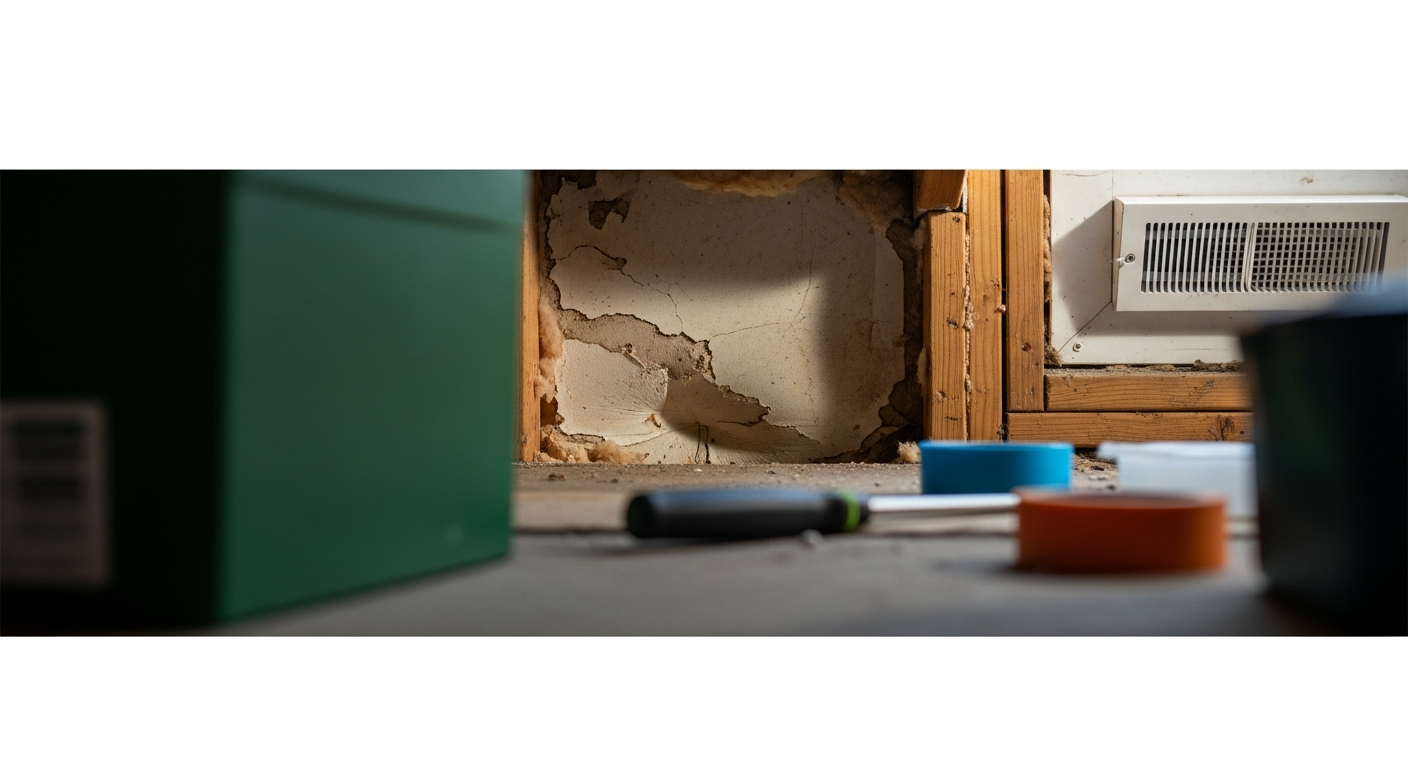
After a storm in Bethalto, roof or siding damage can allow water into attics and wall cavities. Gateway Water & Mold provides moisture assessment and restoration; visible damage may not reveal the full affected area. Investigate suspected hidden water damage promptly.
What to Do After Storm Damage in Bethalto
- Inspect suspected attic damage only from a safe location; avoid unsafe access and arrange professional assessment where needed.
- Look for visible staining or deformation near windows and exterior walls. Do not touch wet areas near electrical equipment.
- Photograph visible damage when safe, without delaying necessary safety measures.
- Contact your insurance company immediately, even for minor visible damage — hidden issues often surface during professional inspections
- Avoid walking on wet attic insulation or touching electrical fixtures in potentially water-damaged areas; professional emergency water extraction and drying equipment is safer when water is active
- Arrange prompt professional assessment when moisture is found. Do not wait for a fixed deadline or assume that acting within one guarantees mold prevention.
How Wind-Driven Rain Penetrates Bethalto Homes

Wind-driven rain can enter damaged roofing or flashing. Have a qualified roofing professional assess suspected storm damage rather than assuming a particular wind speed or failure mechanism.
Wind-driven rain can enter damaged or poorly sealed building joints. The entry path depends on the assembly and storm conditions; no universal gap size or travel distance establishes the cause.
Hidden moisture may not be visible immediately. Inspect suspected water entry and affected materials instead of waiting for a stain or relying on a fixed discovery timetable. Consult the Illinois Emergency Management Agency for emergency-preparedness resources.
Bethalto’s Housing Stock and Storm Vulnerabilities
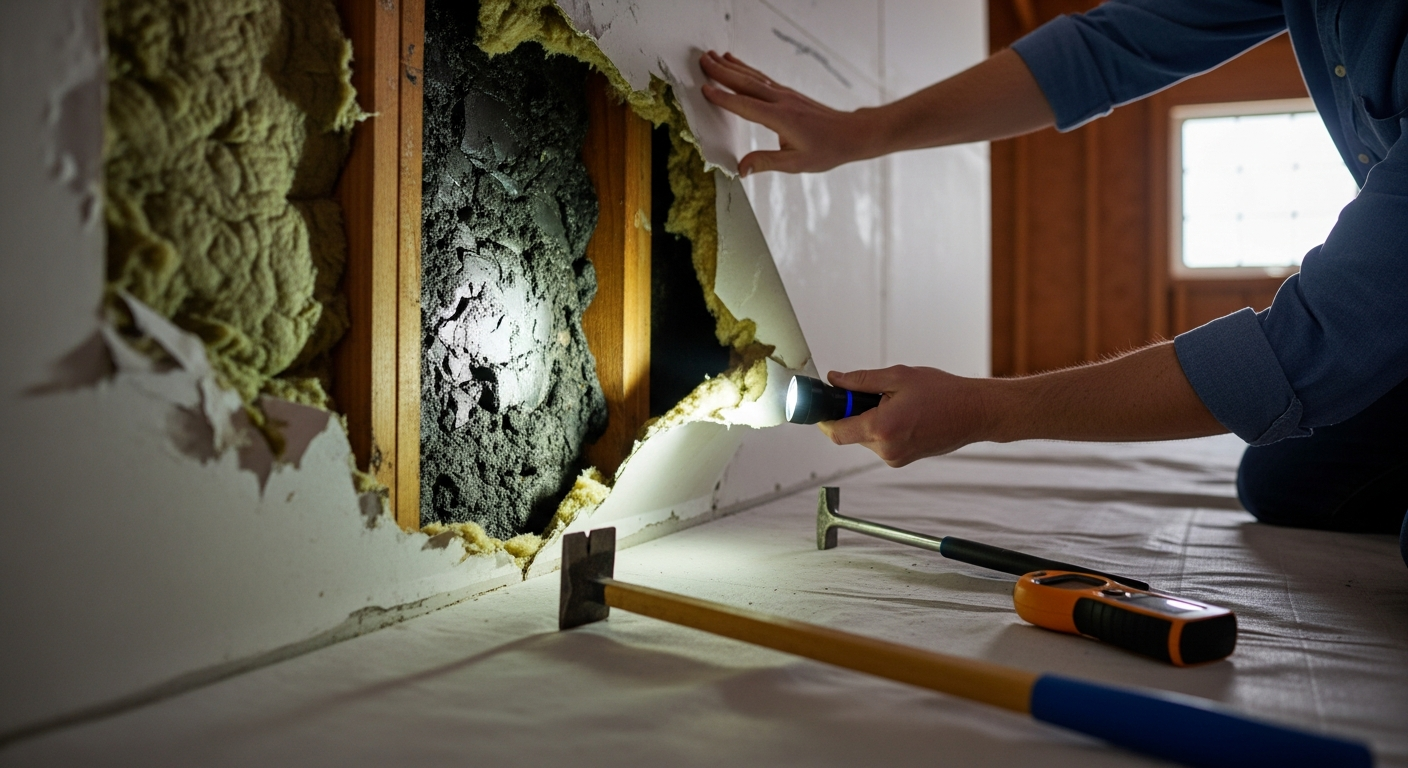
Roof slope, ventilation and condition vary by home. Inspect the actual attic and roof assembly rather than assuming a neighborhood-wide defect.
Roof assemblies vary by property. Ask the applicable building authority and roofing contractor about permit and tear-off requirements before repair work. Contact Madison County about the authority responsible for the property.
Inspect both roof-related water entry and drainage around the foundation. A USDA plant-hardiness designation does not establish soil drainage or the cause of wall moisture.
Storm debris can damage roofing or siding. Inspect suspected impact areas safely and have qualified professionals investigate water entry.
Recognizing Hidden Water Damage Signs
Visible insulation changes or staining warrant investigation, but appearance alone does not establish moisture content or duration. Avoid disturbing suspect materials until hazards are assessed.
Bubbling paint, separation of finishes or musty odors can warrant moisture investigation. These signs alone do not identify the source or extent.
Gateway Water & Mold’s Storm Assessment Process

Gateway uses moisture assessment to document observed conditions before defining the restoration scope. Thermal observations need interpretation; no method guarantees every affected area will be identified.
Photographs and moisture measurements can document suspected hidden damage. Thermal observations need interpretation and do not establish a particular past loss or guarantee reduced claim delays.
Gateway provides 24/7 emergency water extraction and drying. Response and equipment needs depend on the actual loss; no specific prior storm workload or stabilization deadline is established here. Gateway provides basement flooding cleanup where needed.
Moisture readings and photographs can support a claim file, but the insurer determines coverage and settlement under the policy and facts of the loss.
Hidden water damage warrants prompt assessment and drying. Gateway Water & Mold provides moisture documentation, emergency water extraction and mold remediation when needed; response timing does not guarantee prevention or insurance coverage.
Contact Gateway’s 24/7 line about suspected water damage and mold remediation assessment. Documentation supports the claim file but does not guarantee coverage.
Frequently Asked Questions
How long after a storm can hidden water damage appear in Bethalto homes?
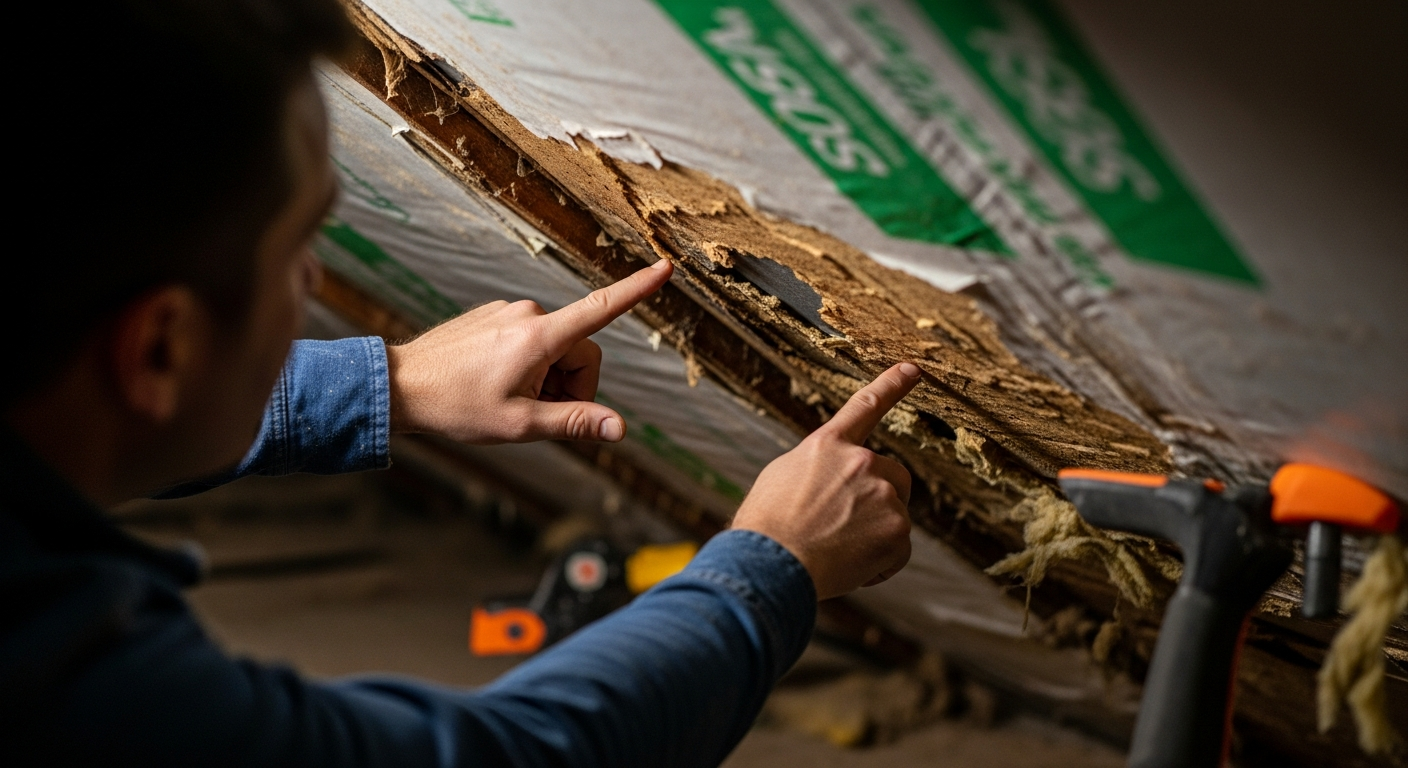
Hidden water damage can become apparent at different times depending on the leak, materials and drying conditions. Investigate suspected intrusion promptly rather than waiting for a predictable number of days or weeks.
Does homeowners insurance cover hidden water damage discovered weeks after Bethalto storms?
Hidden storm-damage coverage depends on the policy and circumstances. Document observed conditions and the known timeline; Gateway’s insurance claims assistance can support the file, but only the insurer can determine coverage.
What’s the difference between normal roof leaks and wind-driven rain damage in Bethalto?
Water can travel away from its entry point through a building assembly. Establish the source from inspection and records; wind-driven rain coverage depends on the policy and loss circumstances.
Sources (reviewed 2026-09-10): www.epa.gov.