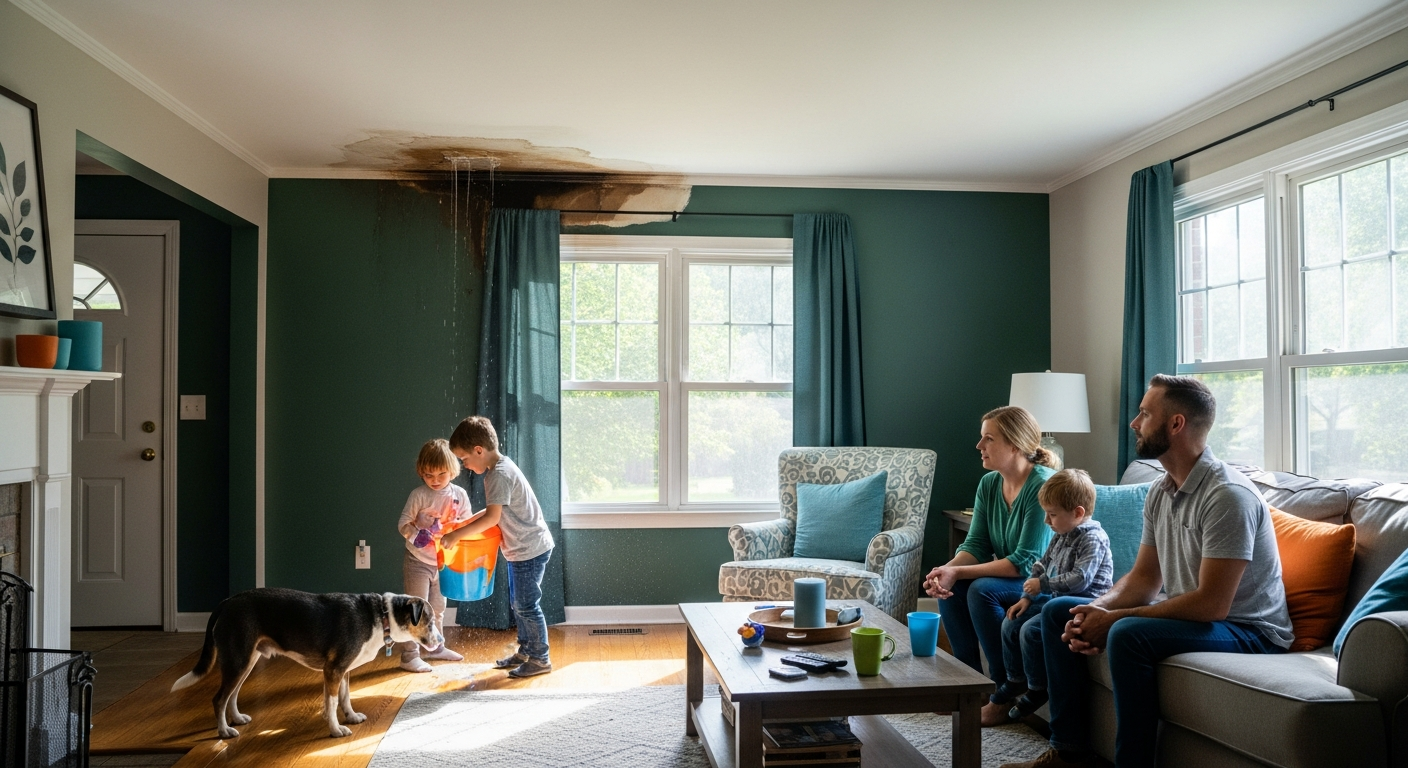
A roof leak in Hamel can affect concealed building materials. Gateway provides water-damage assessment and remediation planning; the actual conditions determine the scope. Ask Gateway about assessment of water damage.
What to Do After Roof Leak Hamel IL Summer Storm
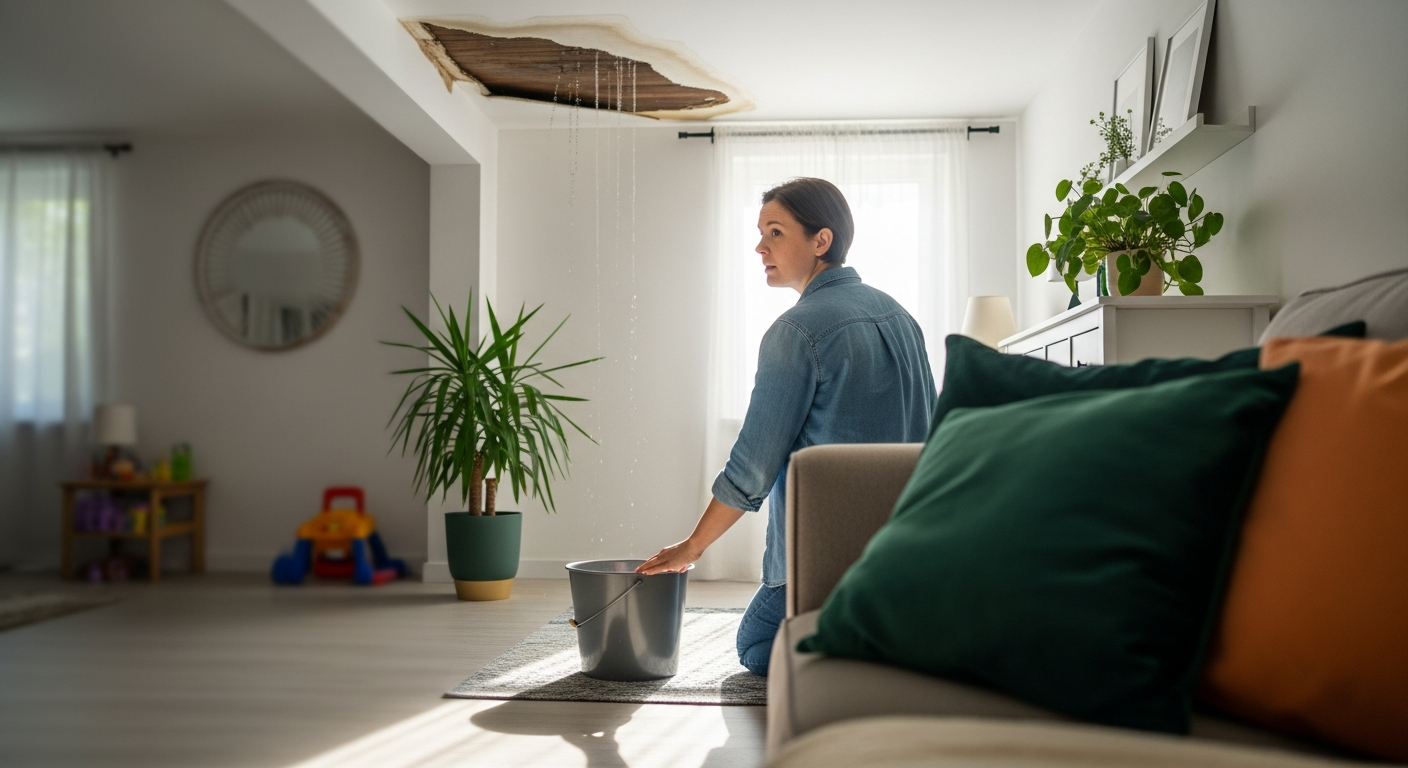
- Keep clear of unsafe wet ceilings and electrical hazards. Catch drips or move contents only if safe, and arrange qualified roof assessment.
- Photograph visible conditions when safe without delaying necessary safety measures.
- Notify your insurer promptly in accordance with the policy and ask what information is required.
- Arrange safe water removal after electrical and contamination hazards are assessed.
- Use drying equipment only after electrical and contamination hazards are assessed; do not direct fans across suspected mold or contaminated materials.
- Arrange professional assessment of suspected hidden moisture; equipment findings require interpretation.
Summer Storm Water Damage Hamel: Why Speed Matters
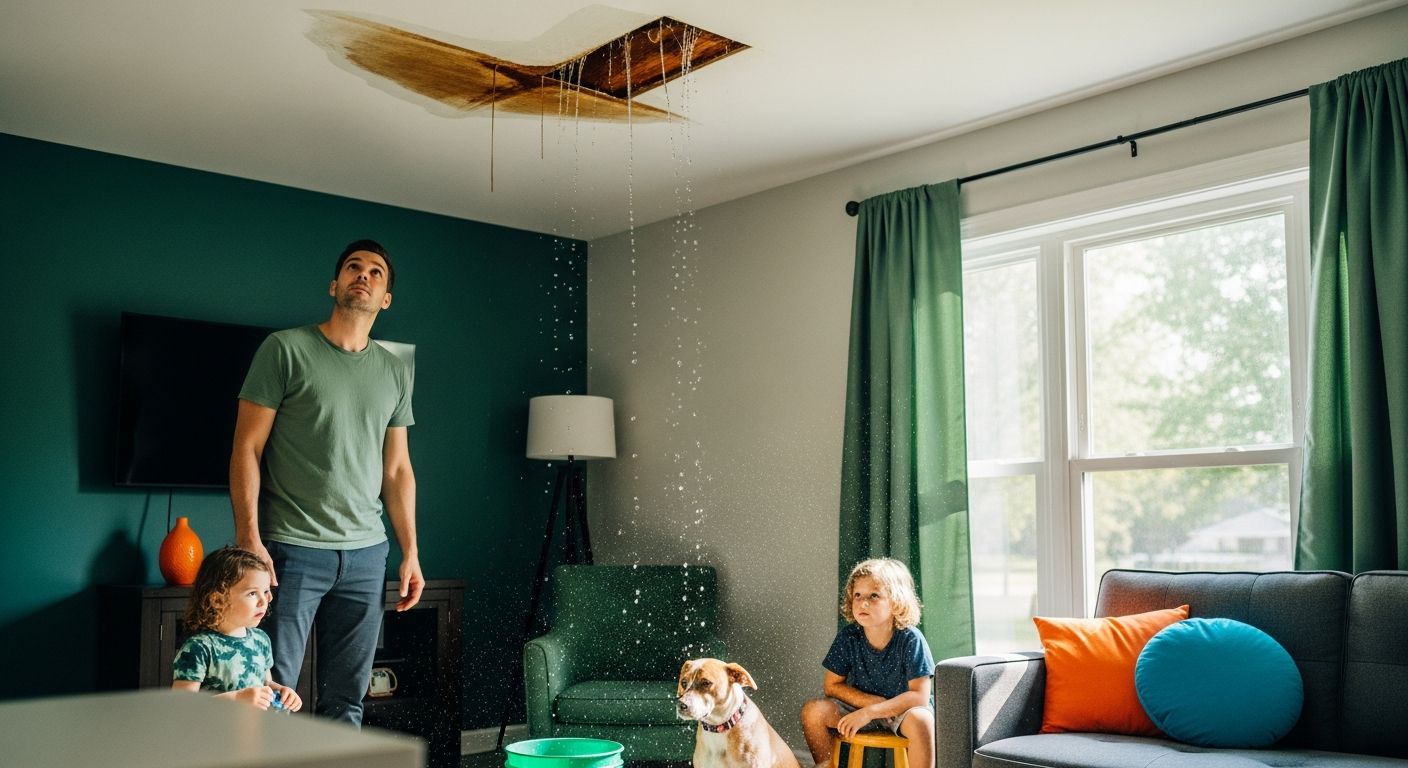
Heavy rain can expose roof defects and wet concealed materials. Regional storm counts alone do not establish the cause or extent of an individual loss. NOAA climate resources provide regional weather context.
For professional water damage restoration and mold remediation services in Hamel, contact Gateway Water & Mold. Our local team provides Hamel water damage response. Their insurance claims assistance expertise helps homeowners navigate claims after severe weather like the patterns covered in the summer storm guide.
Roof leaks can wet hidden insulation and wall cavities. Prompt emergency water extraction and moisture assessment help define the affected area; a single drywall percentage does not predict mold growth.
Gateway’s moisture assessment and insurance claims assistance document observed conditions. Findings inform drying or removal decisions but do not guarantee complete detection.
Preventing Mold After Roof Leak in Hamel’s Climate
Investigate the actual roof leak and any other moisture source. Neighborhood and assumed soil conditions do not establish indoor humidity.
Drying needs vary by material, depth and site conditions. Surface dryness alone does not establish that concealed materials are dry.
An independent inspector collects any needed mold samples for independent laboratory analysis. Gateway assesses moisture and remediation scope. Consult the Illinois Department of Public Health for public-health information and confirm any requirements applicable to the property.
Inspect the actual building assembly and moisture-control details. Age alone does not establish inadequate vapor control or ventilation.
Roof Leak Emergency Hamel: Warning Signs of Hidden Damage
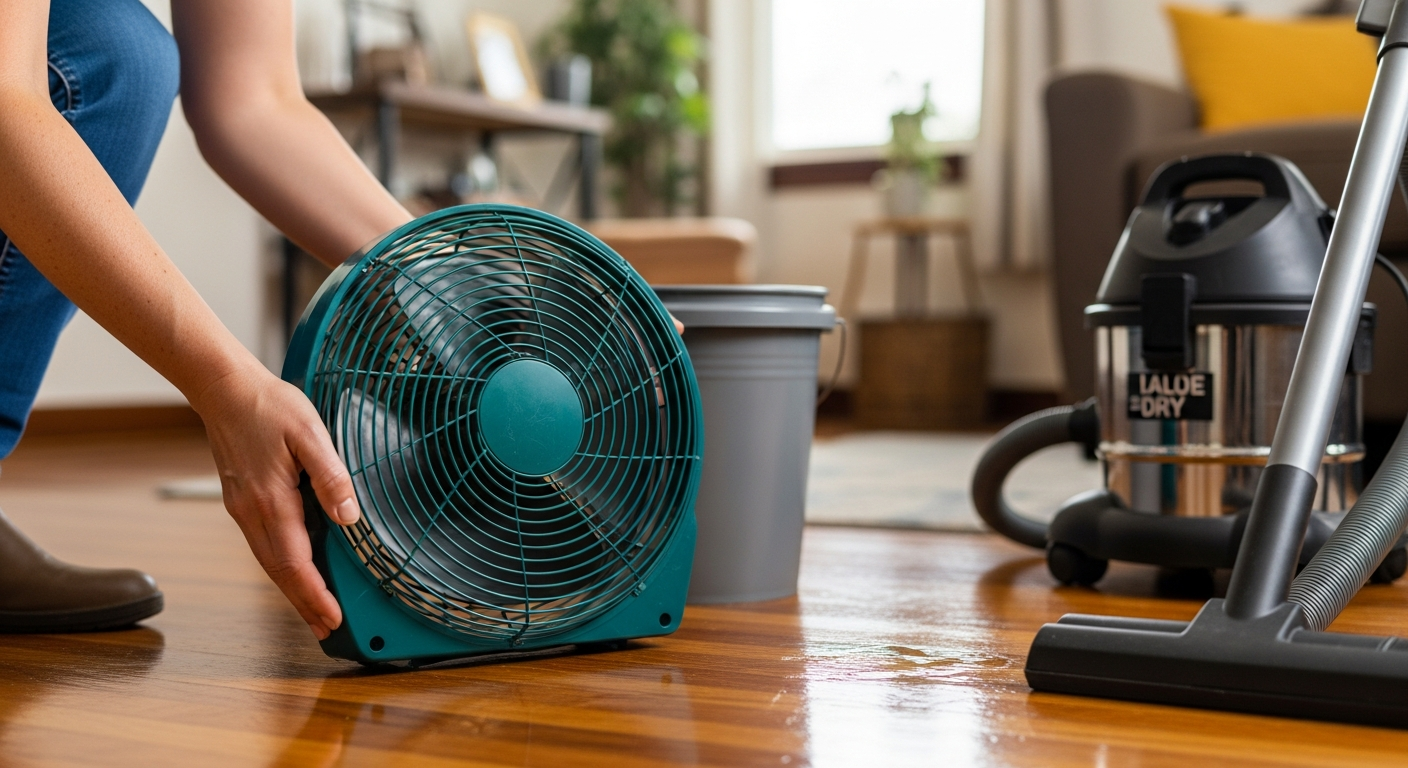
Staining warrants investigation, but color alone cannot establish leak duration or structural condition.
Avoid touching unsafe wet ceiling materials. Arrange assessment of suspected damage; visible staining may not show its full extent.
Persistent odors warrant investigation. Smell alone does not establish a mold-growth timeline or a particular prior Gateway finding. Arrange assessment where hidden mold is suspected.
Hamel Storm Damage Repair: Professional Water Extraction Process

Gateway assesses moisture and plans extraction for the actual loss. Equipment selection and findings depend on access and materials; no method guarantees prevention of further damage.
Document observed conditions and drying progress for review. Restoration records do not guarantee faster carrier decisions. Gateway provides water damage restoration for affected materials.
Inspect adjacent areas where moisture migration is suspected and document findings. No particular prior Stone Meadows job or full-coverage outcome is established by this guidance.
Confirm evidence requirements with the assigned insurer. Itemized estimates and photographs support review but do not guarantee faster negotiations.
Roof Insurance Claim Tips Illinois: Documentation That Protects You
Confirm applicable claim requirements and deadlines with the insurer or Illinois insurance regulator. Photograph visible conditions safely rather than delaying urgent protective action.
Record the known timeline and actions taken. Moisture readings and drying logs can support the file but cannot prevent every coverage dispute.
The policy and loss circumstances determine coverage. Documentation should accurately describe observed conditions rather than imply a guaranteed dispute-free claim.
Contact Gateway about water damage restoration after a roof leak. Response timing does not guarantee mold prevention or a straightforward claim.
Frequently Asked Questions
How quickly does mold start growing after a roof leak in Illinois humidity?
Assess wet building materials promptly and determine which can be dried or require removal. Do not apply one moisture percentage or growth deadline across different materials.
Should I file an insurance claim for a small roof leak from a summer storm?
Ask the insurer about notification duties and how to report the observed loss. Hidden damage may need assessment, but whether to pursue a claim depends on the policy and circumstances.
What’s the difference between emergency tarping and water restoration services?
A qualified roofer can assess temporary protection and permanent roof repair. Gateway can assess interior water damage; the services needed depend on the loss.
Sources (reviewed 2026-09-10): www.epa.gov.
Sources (reviewed 2026-09-10): www.cdc.gov.