Gateway/Blog

Bethalto, IL’s Spring Storm Aftermath: Detecting Hidden Water Damage in Attics and Walls After Wind-Driven Rain and Hail

Bethalto, IL's Spring Storm Aftermath: Detecting Hidden Water Damage in Attics and Walls After Wind-Driven Rain and Hail

Spring storms hit Bethalto hard this season, with the May 8th derecho bringing 70+ mph winds and golf ball-sized hail that left many homes with compromised roofs and siding. What homeowners in neighborhoods like Woodland Hills and Prairie View often miss is the hidden water damage attic walls Bethalto IL residents face weeks after storms pass — moisture that’s been quietly soaking into wall cavities and attic spaces through wind-driven rain intrusion. Gateway Water & Mold’s IICRC-trained crew has responded to dozens of these delayed-discovery cases across the Metro East, where families thought they dodged the storm bullet only to find mold growth and structural damage months later.

What to Do After Storm Damage in Bethalto

  • Check your attic within 48 hours using a flashlight, looking for wet insulation, water stains on rafters, or dark spots on roof decking
  • Run your hands along interior walls near windows and exterior corners — dampness or soft spots indicate Bethalto wind damage water intrusion
  • Document everything with photos before touching anything, including close-ups of any stains, dampness, or visible damage
  • Contact your insurance company immediately, even for minor visible damage — hidden issues often surface during professional inspections
  • Avoid walking on wet attic insulation or touching electrical fixtures in potentially water-damaged areas
  • Call a certified water damage professional within 72 hours if you find any moisture — mold begins growing in 24-48 hours in Illinois humidity

How Wind-Driven Rain Penetrates Bethalto Homes


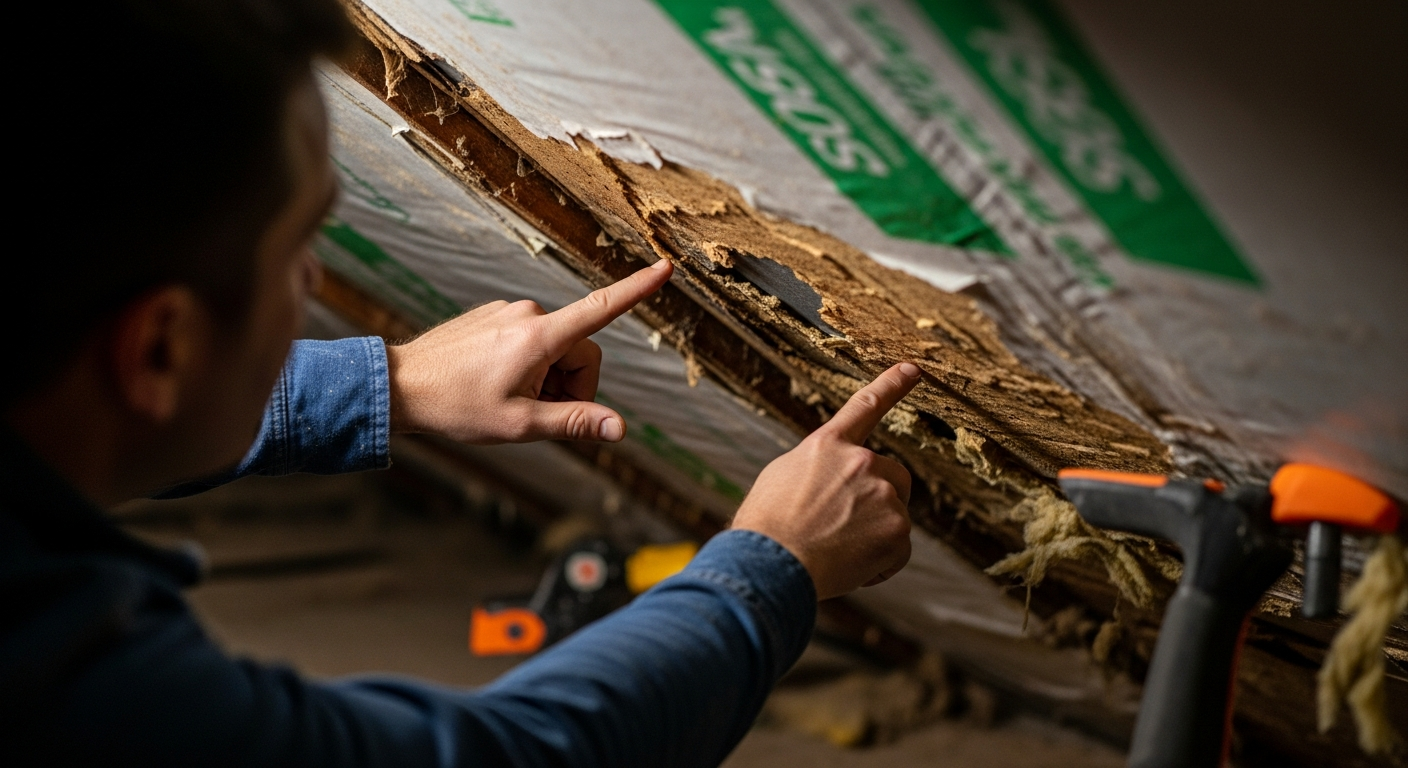
Bethalto, IL's Spring Storm Aftermath: Detecting Hidden Water Damage in Attics and Walls After Wind-Driven Rain and Hail — in-context / use-case image

Hail damage roof leak Bethalto situations create more than just obvious missing shingles. When hail stones larger than quarters hit asphalt shingles at high velocity, they create micro-fractures that may not leak immediately but fail under wind-driven rain pressure. The National Weather Service recorded wind gusts exceeding 75 mph during Bethalto’s recent severe weather, creating hydrostatic pressure that forces water through these compromised areas and around properly installed flashing.

Wind-driven rain behaves differently than normal precipitation. Instead of running straight down roof surfaces, it moves horizontally and even upward, finding entry points that remain dry during typical rainstorms. A 60 mph wind can drive rain up to 18 inches horizontally under normal roof overhangs, while the pressure differential can push moisture through gaps as small as 1/32 inch.

The Illinois Emergency Management Agency reports that 40% of storm-related insurance claims in Madison County involve secondary water damage discovered 30-90 days after the initial event. This delayed timeline occurs because trapped moisture in wall cavities and attic spaces takes weeks to migrate through building materials and become visible on interior surfaces.

Bethalto’s Housing Stock and Storm Vulnerabilities
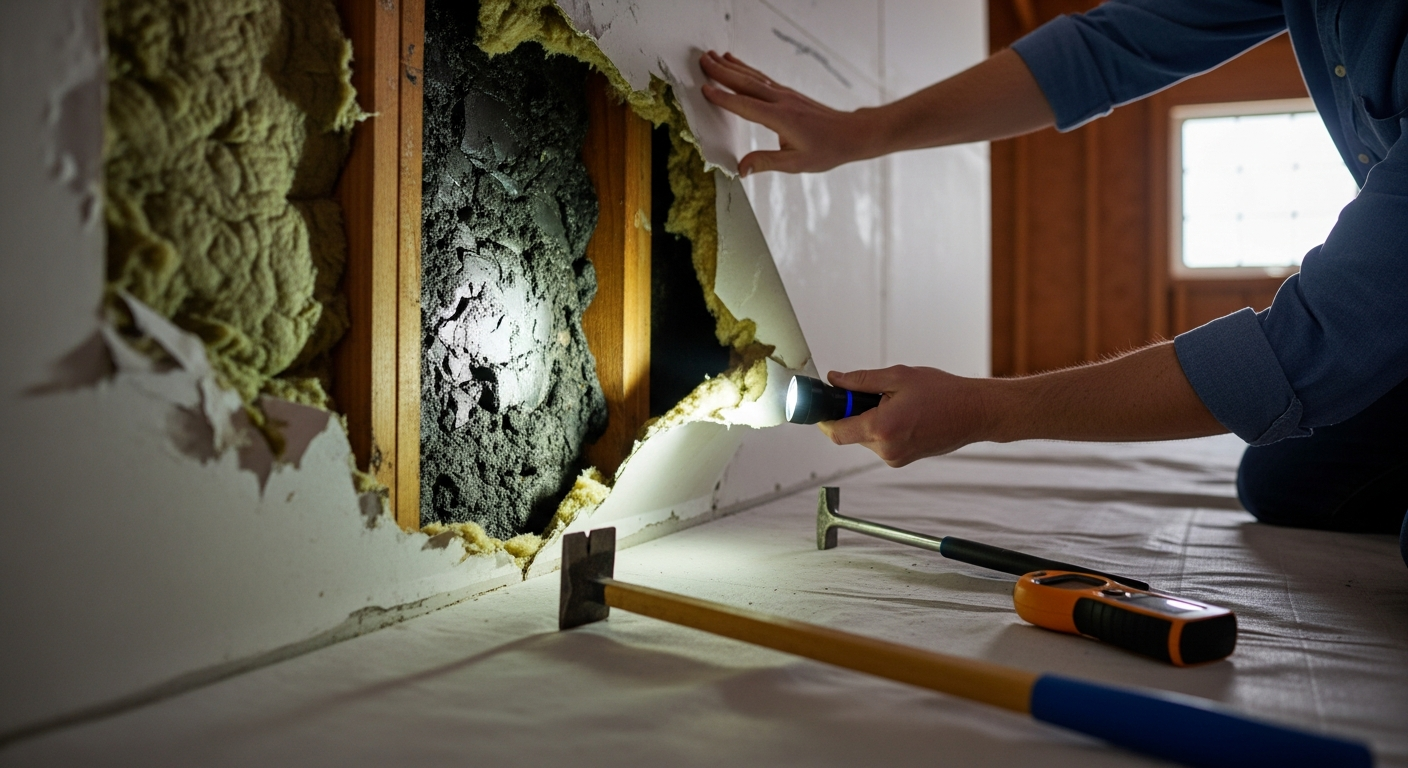

Bethalto, IL's Spring Storm Aftermath: Detecting Hidden Water Damage in Attics and Walls After Wind-Driven Rain and Hail — process / how-it-works image

Bethalto’s mix of 1970s-era ranch homes in Prairie View and newer construction in Woodland Hills creates specific attic water damage signs Bethalto residents need to understand. The older ranch-style homes common along Bethalto Road feature low-slope roofs with minimal attic ventilation, where trapped moisture evaporates slowly and condenses repeatedly on roof decking.

Many homes in the Stonebridge subdivision feature architectural shingles installed over older roofing materials, creating multiple failure points during hail events. The Madison County Building Department requires tear-offs for new roofing, but homes roofed before 2010 may have layered systems that trap moisture between materials when the top layer is compromised.

Bethalto sits in USDA Soil Zone 5b with clay-heavy soil that doesn’t drain quickly, meaning homes with compromised foundation waterproofing face dual moisture threats during spring storms. The combination of roof leaks and saturated soil around foundations creates conditions where wall water damage spring storms Bethalto families discover weeks later when humidity levels inside walls finally breach drywall and paint barriers.

Neighborhoods near Cahokia Creek, including areas along Creek Road, face additional challenges from wind-driven debris that can puncture siding and create wall cavity intrusion points. The mature tree canopy throughout older Bethalto neighborhoods provides shade and charm but generates significant projectile potential during severe weather events.

Recognizing Hidden Water Damage Signs

Attic water damage signs Bethalto homeowners can identify include insulation that appears compressed or darker than surrounding material, even if it feels dry to the touch. Fiberglass insulation acts like a sponge, wicking moisture horizontally from leak points and holding it for weeks. Look for rust spots on roofing nails that penetrate the attic space — these indicate repeated wet-dry cycles that suggest ongoing moisture intrusion.

Wall damage manifests more subtly. Paint that appears slightly bubbled or feels soft when pressed may indicate moisture behind drywall. Baseboards that seem to pull away from walls or show small gaps that weren’t there before storms often signal wall cavity moisture that’s causing lumber to swell and contract. Many Gateway Water & Mold calls in Bethalto involve families who noticed a “musty” smell in specific rooms but couldn’t locate any visible water damage.

Gateway Water & Mold’s Storm Assessment Process


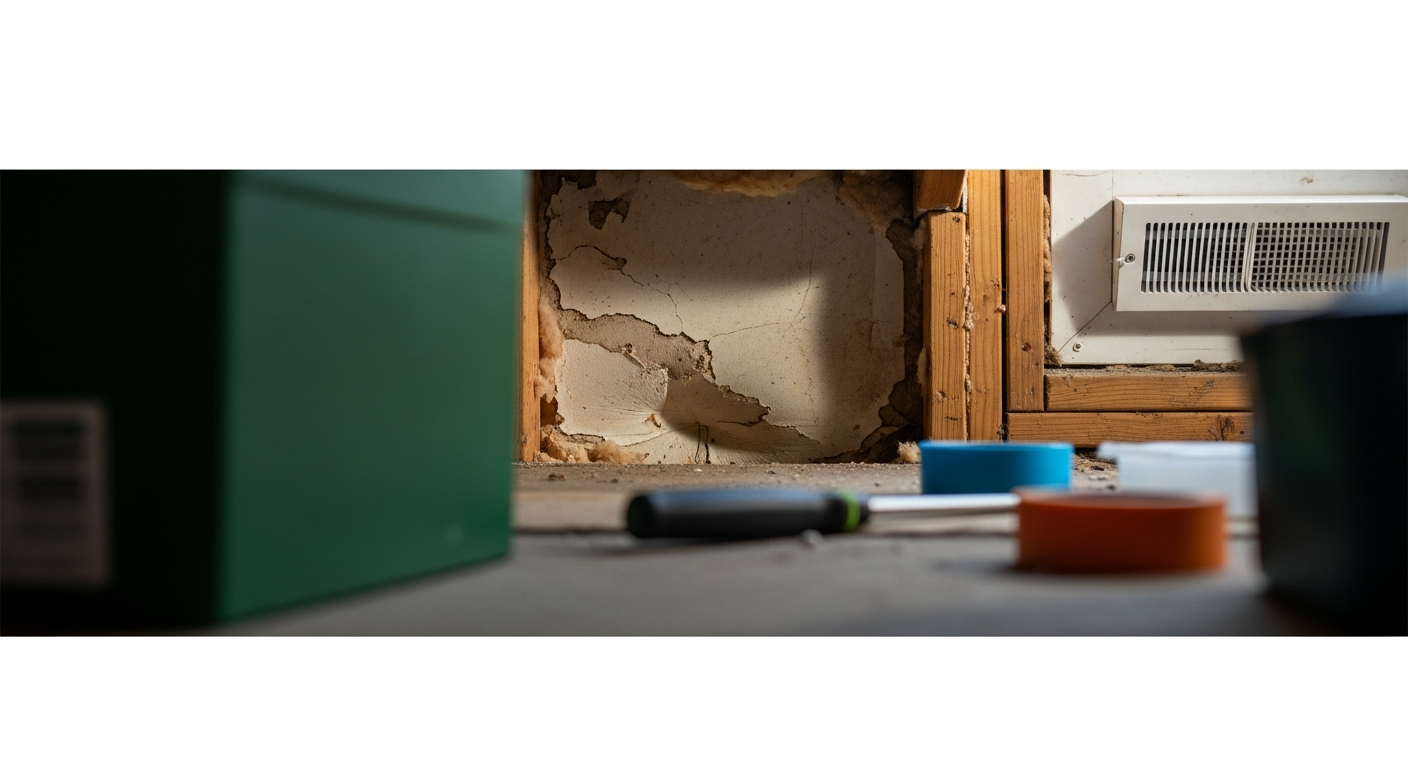
Bethalto, IL's Spring Storm Aftermath: Detecting Hidden Water Damage in Attics and Walls After Wind-Driven Rain and Hail — outcome / result image

Gateway Water & Mold’s approach to storm damage insurance claim Bethalto situations starts with moisture mapping using thermal imaging and pin-type meters to identify water intrusion patterns before any demolition begins. Their “test before tear-out” methodology, inherited from their sister company AirSense Environmental’s indoor air quality work, prevents unnecessary damage to unaffected areas while ensuring complete remediation of compromised materials.

The team documents everything with Xactimate-compatible measurements and photographs that insurance adjusters expect, reducing claim delays that often frustrate Bethalto families dealing with storm aftermath. During a recent Woodland Hills assessment, their crew identified wind-driven rain intrusion through a second-story window that had saturated the wall cavity down to the foundation level — damage that wasn’t visible from interior or exterior inspection but showed clearly on thermal imaging.

Their 24/7 emergency response proved valuable during the May derecho aftermath when dozens of Bethalto families needed immediate water extraction and drying services. The crew’s pre-staged trucks carry industrial dehumidifiers and air movers sized for the ranch-style homes common throughout the area, allowing them to begin stabilization within hours of initial contact.

This data-driven documentation approach has helped Bethalto families recover full insurance settlements for hidden damage that might otherwise be dismissed as pre-existing conditions. Their IICRC training includes specific protocols for documenting storm-related moisture intrusion versus chronic leakage, distinctions that significantly impact coverage decisions.

Hidden water damage from Bethalto’s spring storms requires professional assessment within the first 72 hours to prevent mold growth and structural deterioration that complicates insurance claims. Gateway Water & Mold’s systematic approach to moisture detection and documentation helps families navigate both the technical challenges of water damage restoration and the insurance claim process. Their emergency water extraction services and mold remediation expertise provide Bethalto residents with comprehensive storm damage recovery.

If you’ve identified any signs of hidden moisture in your home, don’t wait for visible damage to appear. Contact Gateway Water & Mold at their 24/7 emergency line for immediate assessment and documentation that protects both your property and your insurance claim.

Frequently Asked Questions


Bethalto, IL's Spring Storm Aftermath: Detecting Hidden Water Damage in Attics and Walls After Wind-Driven Rain and Hail — human element image

How long after a storm can hidden water damage appear in Bethalto homes?

Hidden water damage typically becomes visible 2-8 weeks after storm events in Bethalto’s climate. Illinois humidity levels between 60-80% during spring and summer slow evaporation from wall cavities and attic spaces, while temperature fluctuations cause repeated condensation cycles that gradually saturate drywall and insulation. The timeline depends on the amount of intrusion, building materials, and ventilation — but most families notice signs like paint bubbling or musty odors within 30 days of the initial storm damage.

Does homeowners insurance cover hidden water damage discovered weeks after Bethalto storms?

Most homeowners policies cover hidden water damage if you can prove it resulted from a covered storm event rather than gradual deterioration. The key is documenting the timeline and having professional assessment that links the damage to specific storm dates. Gateway Water & Mold’s thermal imaging and moisture documentation helps establish this connection for insurance adjusters. However, coverage can be denied if the damage appears related to pre-existing roof or plumbing issues, making immediate post-storm inspection valuable even when no obvious damage is visible.

What’s the difference between normal roof leaks and wind-driven rain damage in Bethalto?

Wind-driven rain damage creates horizontal water intrusion patterns that differ significantly from typical gravity-fed roof leaks. Normal leaks follow predictable downward paths from damaged shingles or flashing, while wind-driven moisture can travel sideways through wall cavities and appear far from the actual entry point. In Bethalto’s recent severe weather, 75+ mph winds pushed water through properly installed components that would never leak under normal rainfall conditions. This distinction matters for insurance claims, as wind-driven rain damage typically falls under wind coverage rather than water damage exclusions.

Water in your home or workplace right now?

Live phone, twenty-four seven. We dispatch the nearest crew the moment we hang up, across the St. Louis metro, both sides of the river.

Call (314) 947-3419

Carrier names and trademarks referenced on this site are the property of their respective owners. Gateway Water and Mold is not affiliated with, endorsed by, or a preferred contractor for any insurance carrier. We work alongside policyholders and their carriers on restoration claims; policyholders retain the right to choose their own restoration contractor.