
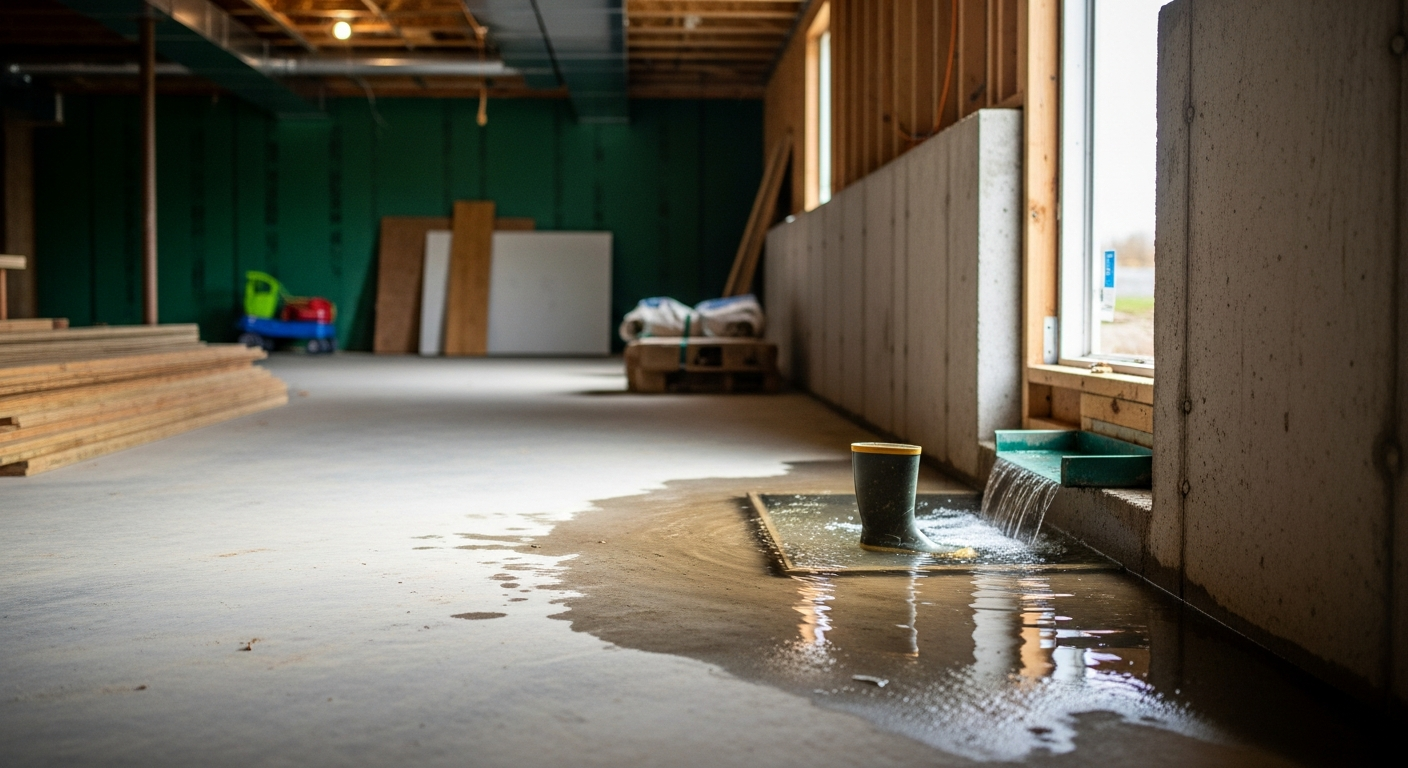
Changes to surrounding drainage may warrant investigation when a Shiloh basement floods. Gateway Water & Mold provides water damage restoration; the source should be established from site evidence rather than assumed from nearby construction.
What to Do About Shiloh IL Basement Flooding New Construction Runoff
- Follow manufacturer guidance for sump-pump checks and have suspected problems assessed by a qualified professional.
- Ask about water alarms suitable for the actual basement and safe installation.
- Arrange safe removal of accessible drainage debris as needed; nearby vehicle activity alone does not establish a blockage.
- Photograph visible moisture from a safe location and keep relevant records for insurer review.
- Follow the backup system manufacturer’s testing instructions; do not assume one local storm calendar determines readiness.
- Use the municipality’s current official contact information to report observed street drainage problems.
How New Development Changes Shiloh’s Water Flow
 water damage restoration services
USDA soil surveys can inform a site assessment, but no property-specific infiltration rate or measured development runoff increase is established here.
Review actual drainage plans and observed conditions with the responsible professionals or municipality. No subdivision-wide pipe size or demonstrated overload is established here.
Assessing Shiloh Basement Moisture Conditions
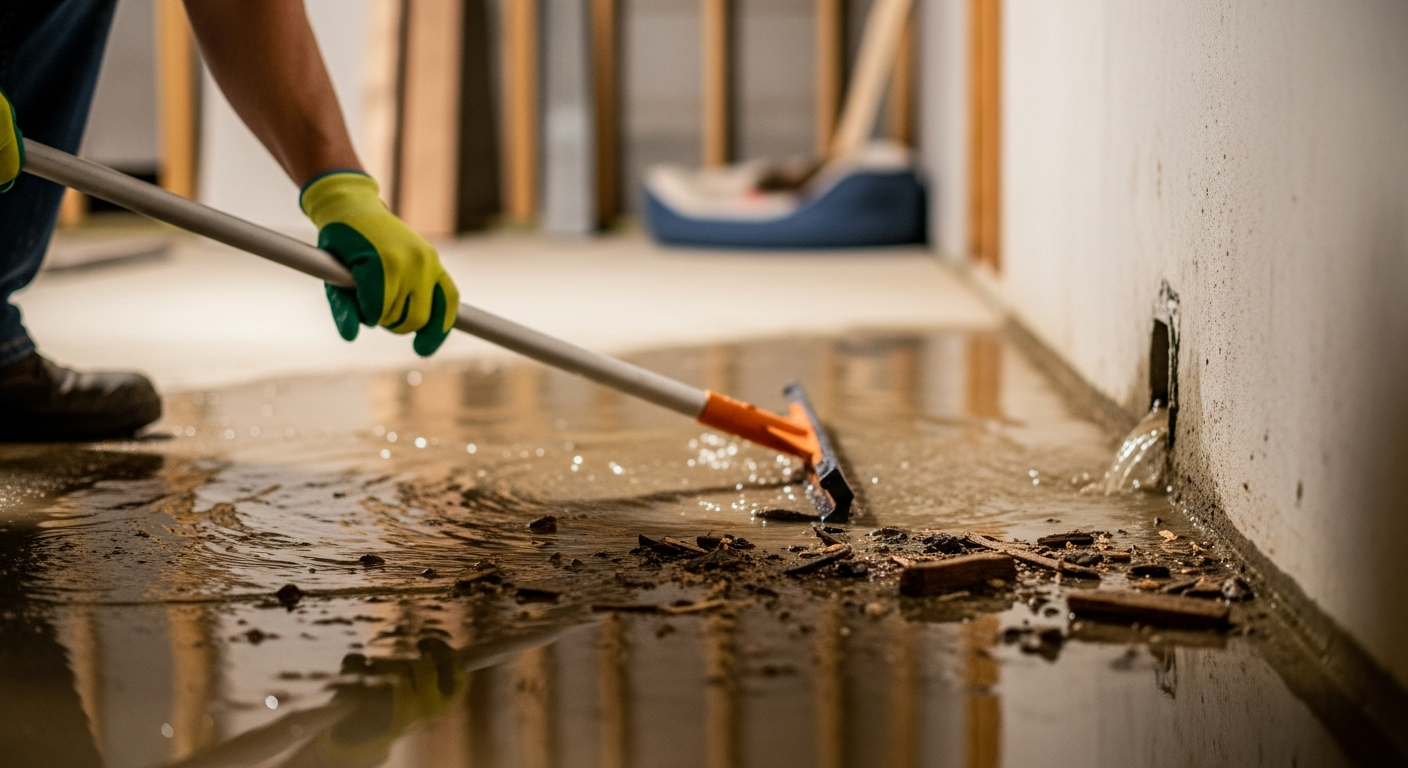
Assess actual drainage and foundation conditions. No verified Shiloh seasonal soil-movement measurement or temperature-based failure mechanism is presented here.
Investigate the property’s actual water source. Neighborhood labels do not establish soil layers, drainage failure or construction causation.
Where construction may be affecting drainage, document the observed runoff and contact the relevant local authority. A nearby development alone does not prove the cause of an individual property’s flooding. For local public-health contacts, see the St. Clair County Health Department.
Where a nearby development may affect drainage, document actual runoff and ask Shiloh about applicable drainage plans and requirements. A change in flooding cannot be assigned a rainfall threshold without evidence.
Warning Signs of New Development Drainage Issues
New staining or standing water warrants safe assessment. Timing after rain or nearby construction alone does not establish the cause.
Have changes in sump-pump operation assessed by a qualified professional. Cycle timing alone does not establish pump capacity or a development-related overload.
Gateway Water & Mold’s Approach to Construction Runoff Damage

Gateway performs moisture assessment of affected materials. Determining whether construction caused a drainage problem requires appropriate property-specific evidence and professional review.
Gateway performs moisture assessment and mold remediation. If sampling is needed, an independent inspector or industrial hygienist collects samples and an independent laboratory analyses them. No verified Heritage Meadows case or cost saving is presented here.
Gateway can provide documentation for insurer review. Moisture mapping does not decide policy coverage or establish a customer’s out-of-pocket savings.
Investigate observed drainage changes using actual property records and professional assessment. Nearby construction alone does not establish responsibility for flooding.
Contact Gateway about emergency water extraction and basement flooding response in Shiloh. Documentation supports review of actual findings; it does not establish construction-related coverage.
Frequently Asked Questions
Does homeowner’s insurance cover basement flooding from new construction runoff in Shiloh IL?
Ask the insurer to assess the actual cause, policy wording and endorsements. Entry through a foundation does not automatically establish coverage, and documentation does not determine payment.
How long does new construction affect drainage patterns in existing Shiloh neighborhoods?
Monitor observed moisture and seek assessment when conditions change. No universal development stabilization period or subdivision-specific impact duration is established here.
Can I make developers pay for basement flooding damage caused by their construction runoff?
Document observed drainage changes and damage. A qualified engineer, the responsible authority or an attorney can assess causation and applicable obligations; Gateway’s moisture records alone do not establish developer liability.
Sources (reviewed 2026-09-10): www.cdc.gov.