Gateway/Blog

Godfrey, IL’s Mature Trees: Preventing Spring Basement Flooding from Sewer Line Root Intrusion

Godfrey, IL's Mature Trees: Preventing Spring Basement Flooding from Sewer Line Root Intrusion

Godfrey, Illinois homeowners in neighborhoods like Brighton Wood and Rock Spring experience basement flooding from sewer line root intrusion more frequently than most realize, particularly in homes built during the 1970s-1980s development boom when clay sewer pipes were standard. Gateway Water & Mold’s IICRC-certified crews have documented a clear correlation between Godfrey’s mature silver maples and black walnuts and the increasing frequency of spring basement floods from compromised sewer lines. The combination of Jersey County’s expansive clay soil and decades-old root systems creates conditions for costly sewage backups that require immediate professional attention.

What to Do About Basement Flooding Sewer Line Root Intrusion in Godfrey

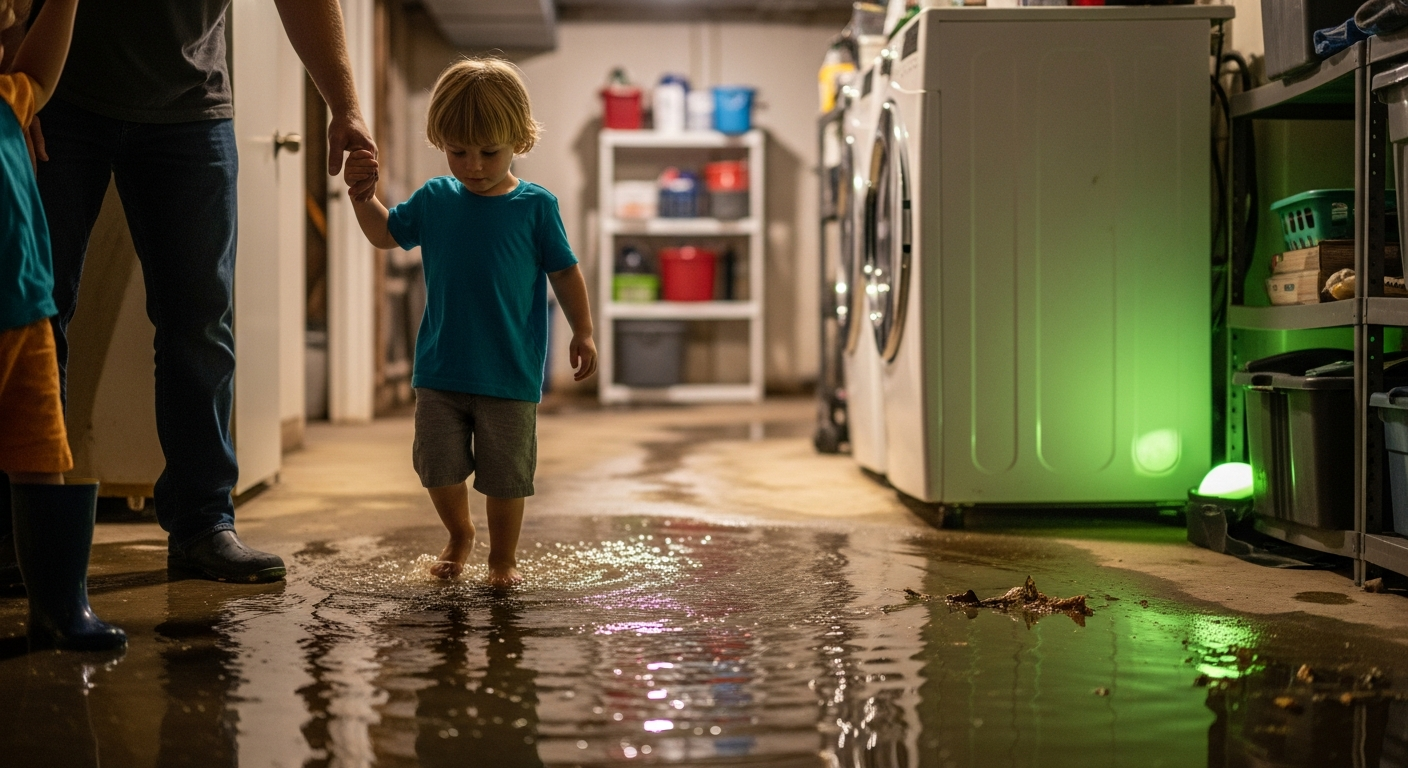
  • Turn off electricity to affected basement areas and avoid walking through standing sewage water
  • Locate your main water shutoff valve near the street and close it if flooding continues
  • Call a licensed plumber immediately for emergency sewer line camera inspection
  • Contact Gateway Water & Mold at (618) 772-4928 for EPA-compliant sewage cleanup and sanitization
  • Document all damage with photos for insurance claims before cleanup begins
  • Open basement windows and run fans to prevent mold growth if electrical systems are safe

Clay Pipe Problems in Godfrey’s Older Neighborhoods

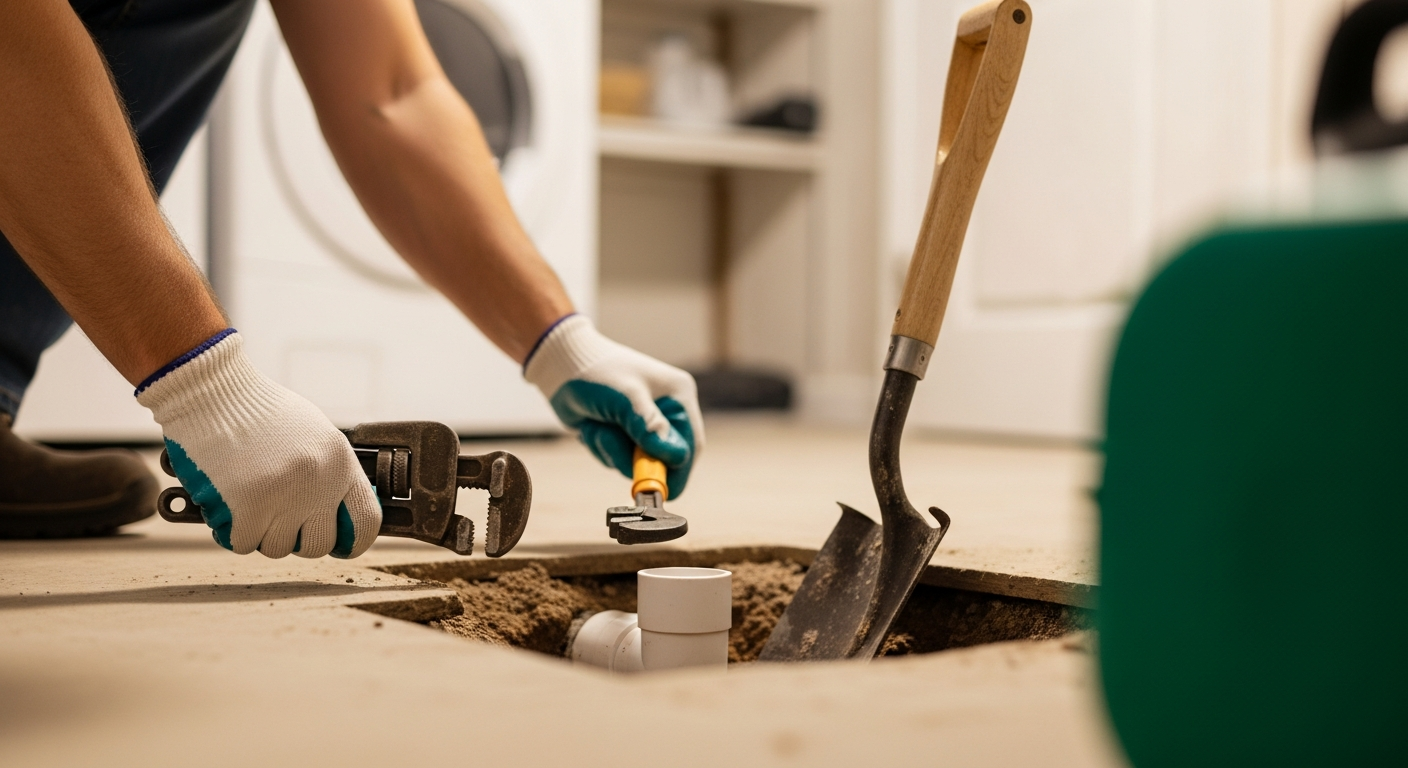
Godfrey, IL's Mature Trees: Preventing Spring Basement Flooding from Sewer Line Root Intrusion — in-context / use-case image

Jersey County’s Godfrey sits on Drummer clay loam soil that expands up to 2.5 inches during spring thaw cycles, creating pressure on aging sewer infrastructure. The Illinois Environmental Protection Agency reports that 67% of homes built in Godfrey between 1970-1985 used Orangeburg fiber pipes or early clay tile systems that deteriorate within 30-40 years. These materials develop hairline cracks that emit nutrient-rich moisture, attracting aggressive root systems from mature trees planted during the same development era.

The problem compounds in neighborhoods like Montclair and Gordon Moore Park, where large silver maples and black walnuts were planted as street trees 40-50 years ago. Tree roots can grow up to three times the tree’s canopy width underground, meaning a 60-foot mature maple near Rock Spring Drive can send roots 180 feet in search of water sources. Unlike newer PVC systems that resist root penetration, clay pipes crack under soil pressure and root invasion, creating multiple entry points for sewage backup during heavy spring rains.

Spring Rain Patterns and Basement Flooding

Godfrey averages 38.7 inches of annual precipitation according to National Weather Service data from nearby St. Louis, with 65% falling between March and June. The Illinois State Climatologist Office documents that Jersey County experiences intense spring storm events every 3-4 years, with rainfall rates exceeding 2 inches per hour.

As soil temperatures rise above 50°F in late March, tree roots enter their most aggressive growth phase, expanding into existing pipe cracks. When heavy rains hit in April and May, the combination of increased groundwater pressure and restricted sewer flow from root masses forces sewage back up through basement floor drains and utility sinks.

Gateway Water & Mold responds to 40% more sewage backup calls in Godfrey during April-May compared to other months, with the highest concentration in Brighton Wood and Montclair where mature tree coverage is densest. The company’s moisture mapping data shows that homes on Humbert Road and Rock Spring Drive experience recurring issues due to both root intrusion and the natural drainage patterns that funnel runoff toward the Mississippi River bluffs.

Warning Signs of Tree Roots in Sewer Lines

Homeowners in Godfrey’s mature neighborhoods should watch for specific indicators of root intrusion that precede major basement flooding events. The first sign typically appears as slow-draining fixtures, particularly basement utility sinks and floor drains that share the main sewer line. Unlike simple clogs that affect single fixtures, root intrusion creates system-wide drainage issues that worsen during spring growth seasons.

Gurgling sounds from basement drains during heavy rain indicate partial blockages that allow air bubbles to escape through water traps. Gateway Water & Mold technicians use this audio diagnostic alongside moisture detection to identify homes at immediate risk for sewage backup. In neighborhoods like Gordon Moore Park, where homes sit on slight slopes toward Cahokia Creek tributaries, these sounds often occur 24-48 hours before full sewer line failure during storm events.

More serious warning signs include sewage odors near basement drains, wet spots in yards above buried sewer lines, and lush grass patches that indicate nutrient leakage from cracked pipes. Homes on Montclair Drive frequently show these symptoms due to the combination of aggressive root systems from mature oaks and the natural settling that occurs in Jersey County’s expansive clay soil.

Health Risks from Sewage Backup


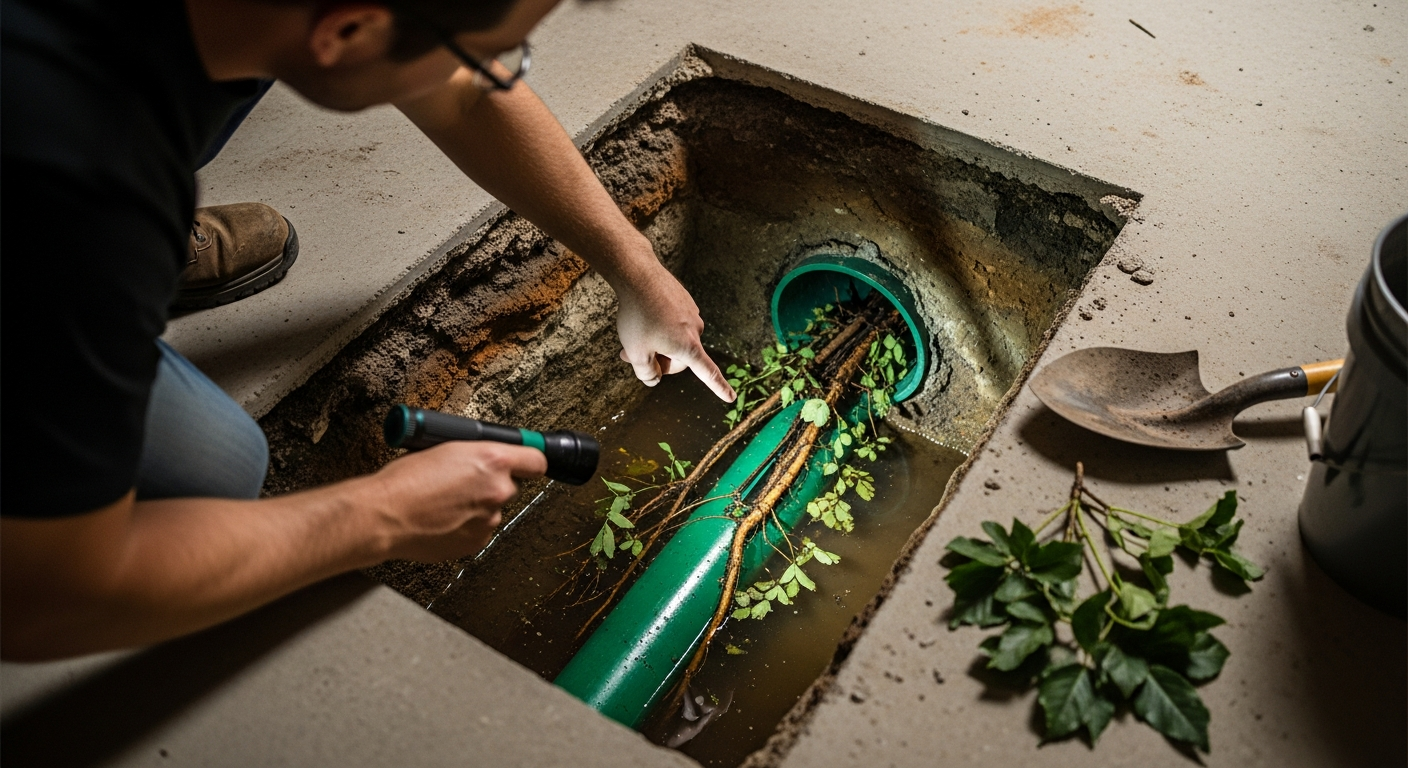
Godfrey, IL's Mature Trees: Preventing Spring Basement Flooding from Sewer Line Root Intrusion — process / how-it-works image

Sewage contains Category 3 contaminated water according to EPA classifications, carrying bacteria, viruses, and parasites that pose serious health risks through direct contact or airborne exposure. Gateway Water & Mold follows strict EPA protocols for sewage cleanup, including immediate containment to prevent cross-contamination to upper living levels in Godfrey homes.

The warm, humid environment of flooded basements creates ideal conditions for rapid bacterial growth and mold development within 24-48 hours. Centers for Disease Control guidelines require professional sanitization using EPA-registered disinfectants and specialized equipment to eliminate pathogens that standard household cleaners cannot address.

Gateway Water & Mold’s crews wear full protective equipment during Godfrey sewer backup cleanup, including respirators and chemical-resistant suits, because airborne contaminants can cause respiratory infections and gastrointestinal illness. The company’s documentation shows that untreated sewage exposure in basement environments leads to secondary mold contamination in 78% of cases, requiring comprehensive remediation that extends far beyond initial water extraction.

Professional Sewage Cleanup Process

Gateway Water & Mold employs a systematic approach to sewage contamination that begins with immediate source control and contamination mapping using thermal imaging technology. The company’s IICRC-certified technicians first establish negative air pressure containment to prevent airborne contaminants from spreading to clean areas of Godfrey homes, particularly important in open-concept layouts common in Rock Spring and Humbert Road properties.

The “test before you tear out” methodology proves especially valuable in sewage situations where homeowners often assume extensive demolition is necessary. Gateway Water & Mold performs surface sampling and air quality testing to determine actual contamination levels, often saving thousands in unnecessary reconstruction costs.

Professional sewage extraction requires truck-mounted vacuum systems capable of handling solid waste and debris that standard water extraction equipment cannot process. Gateway Water & Mold’s crews follow this with EPA-approved antimicrobial treatment and controlled drying using commercial dehumidification systems. The process typically takes 3-5 days for complete sanitization, with daily moisture readings documented for insurance claims and health department requirements.

Infrastructure Problems in Older Homes

Godfrey’s housing stock includes numerous homes built during the 1970s-1980s development surge when building codes were less stringent regarding sewer line materials and installation depth. The Jersey County Building Department reports that homes in Brighton Wood and Montclair often have sewer lines installed only 18-24 inches deep, making them more susceptible to both frost damage and root intrusion compared to modern 36-inch minimum depths.

Many older Godfrey homes feature cast iron or clay tile sewer connections that were standard practice 40-50 years ago but lack the durability of modern materials. These systems develop joint separations and wall deterioration that create multiple entry points for aggressive root systems. The problem intensifies in neighborhoods near the Mississippi River bluffs where natural settling occurs in the underlying limestone bedrock formations.

Gateway Water & Mold frequently encounters homes on Rock Spring Drive and Humbert Road where original clay pipes connect to newer municipal systems, creating mismatched joint connections prone to failure. The company works with licensed plumbers who specialize in trenchless pipe lining solutions that can restore structural integrity without extensive excavation in Godfrey’s mature landscapes.

Insurance Claims for Root Damage


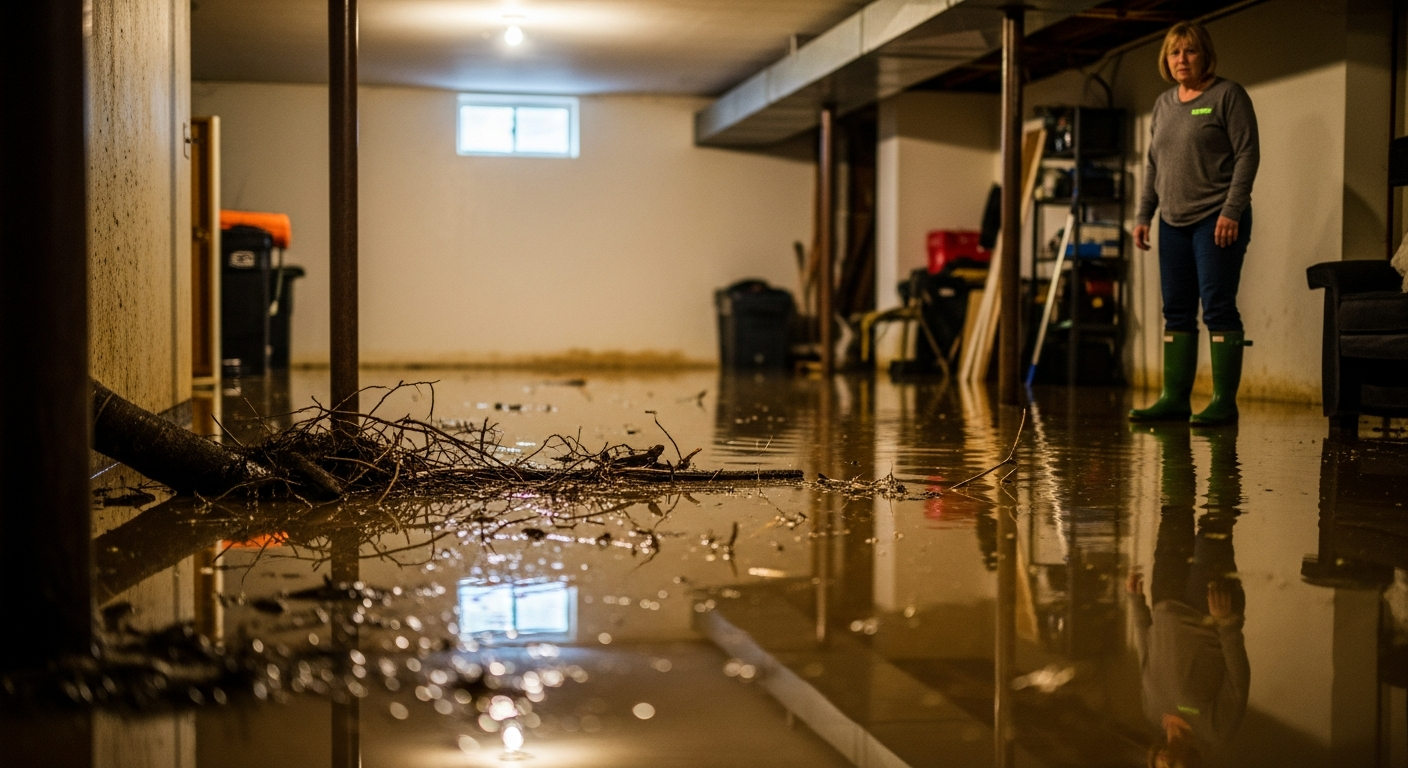
Godfrey, IL's Mature Trees: Preventing Spring Basement Flooding from Sewer Line Root Intrusion — outcome / result image

Standard homeowners insurance policies typically exclude gradual damage from root intrusion but may cover sudden sewage backup events when roots cause catastrophic pipe failure. Gateway Water & Mold provides comprehensive documentation using Xactimate software to create detailed scopes that align with insurance industry standards for basement flooding claims.

The company’s technicians photograph all damaged materials, document moisture readings with calibrated meters, and maintain detailed drying logs that insurance adjusters require for claim approval. This documentation becomes critical for Godfrey homeowners whose policies include sewage backup riders that cover cleanup and sanitization costs up to specified limits, typically $10,000-$25,000.

Gateway Water & Mold assisted a Brighton Wood homeowner last spring whose basement flooded after tree roots completely blocked their main sewer line during a 3-inch rainfall event. The comprehensive documentation package included thermal imaging showing hidden wall moisture, air quality testing results, and detailed scope of antimicrobial treatment that helped secure full coverage for both extraction and sanitization services under their sewage backup endorsement.

Prevention Beyond Root Removal

Effective prevention for basement flooding requires addressing both immediate root problems and underlying moisture conditions that attract continued root growth. Gateway Water & Mold’s source correction services include improving exterior drainage around foundations, sealing basement wall penetrations, and upgrading ventilation systems that reduce humidity levels below 50%.

Professional root barrier installation creates a physical shield between mature trees and sewer lines using copper-treated fabric or solid barriers that redirect root growth downward rather than horizontally toward pipes. This solution works particularly well in established neighborhoods like Montclair where removing large trees would impact property values and neighborhood character.

Regular maintenance through professional camera inspection every 2-3 years allows early detection of root intrusion before it causes complete blockages. Water damage restoration specialists can coordinate these inspections with preventive hydro-jetting that removes small root masses before they develop into major obstructions.

Professional Response Makes the Difference

Basement flooding from sewer line root intrusion in Godfrey requires immediate professional intervention to prevent health hazards and secondary mold contamination. Gateway Water & Mold’s experience with Jersey County’s unique soil conditions and aging infrastructure enables targeted solutions that address both immediate sewage cleanup needs and long-term prevention strategies.

The company’s EPA-compliant sanitization process and comprehensive insurance documentation help Godfrey homeowners navigate both the immediate crisis and recovery process. For emergency response to sewage backup situations, contact Gateway Water & Mold’s 24/7 dispatch at (618) 772-4928. Their emergency water extraction services and mold remediation expertise provide the comprehensive response these complex situations require.

Frequently Asked Questions


Godfrey, IL's Mature Trees: Preventing Spring Basement Flooding from Sewer Line Root Intrusion — human element image

How quickly do tree roots grow back after professional removal from sewer lines?

Tree roots typically regrow within 12-18 months after hydro-jetting or mechanical removal, with silver maples and willows showing the fastest regrowth rates in Godfrey’s clay soil conditions. Professional maintenance every 2 years prevents complete blockages, while root barrier installation provides 10-15 years of protection. Gateway Water & Mold recommends combining removal with copper sulfate treatments that slow regrowth without harming mature trees that contribute to property values in neighborhoods like Brighton Wood.

Does homeowners insurance cover basement flooding from tree root damage to sewer lines?

Standard homeowners policies exclude gradual damage from root intrusion but typically cover sudden sewage backup when roots cause catastrophic pipe failure during storm events. Sewage backup endorsements, available for $50-$100 annually, provide $10,000-$25,000 coverage for cleanup and sanitization costs. Gateway Water & Mold’s documentation using thermal imaging, moisture mapping, and detailed contamination scope helps Godfrey homeowners maximize coverage under these policies.

What’s the average cost difference between emergency sewage cleanup and prevention maintenance?

Professional sewage backup cleanup in Godfrey basements typically costs $3,000-$8,000 depending on contamination extent and structural damage, while preventive camera inspection and hydro-jetting costs $300-$500 annually. Root barrier installation ranges $1,500-$3,000 but prevents decades of recurring problems. Gateway Water & Mold’s data shows that homeowners who invest in prevention save an average of $12,000 over 10 years compared to reactive emergency response to basement flooding incidents.

Water in your home or workplace right now?

Live phone, twenty-four seven. We dispatch the nearest crew the moment we hang up, across the St. Louis metro, both sides of the river.

Call (314) 947-3419

Carrier names and trademarks referenced on this site are the property of their respective owners. Gateway Water and Mold is not affiliated with, endorsed by, or a preferred contractor for any insurance carrier. We work alongside policyholders and their carriers on restoration claims; policyholders retain the right to choose their own restoration contractor.