
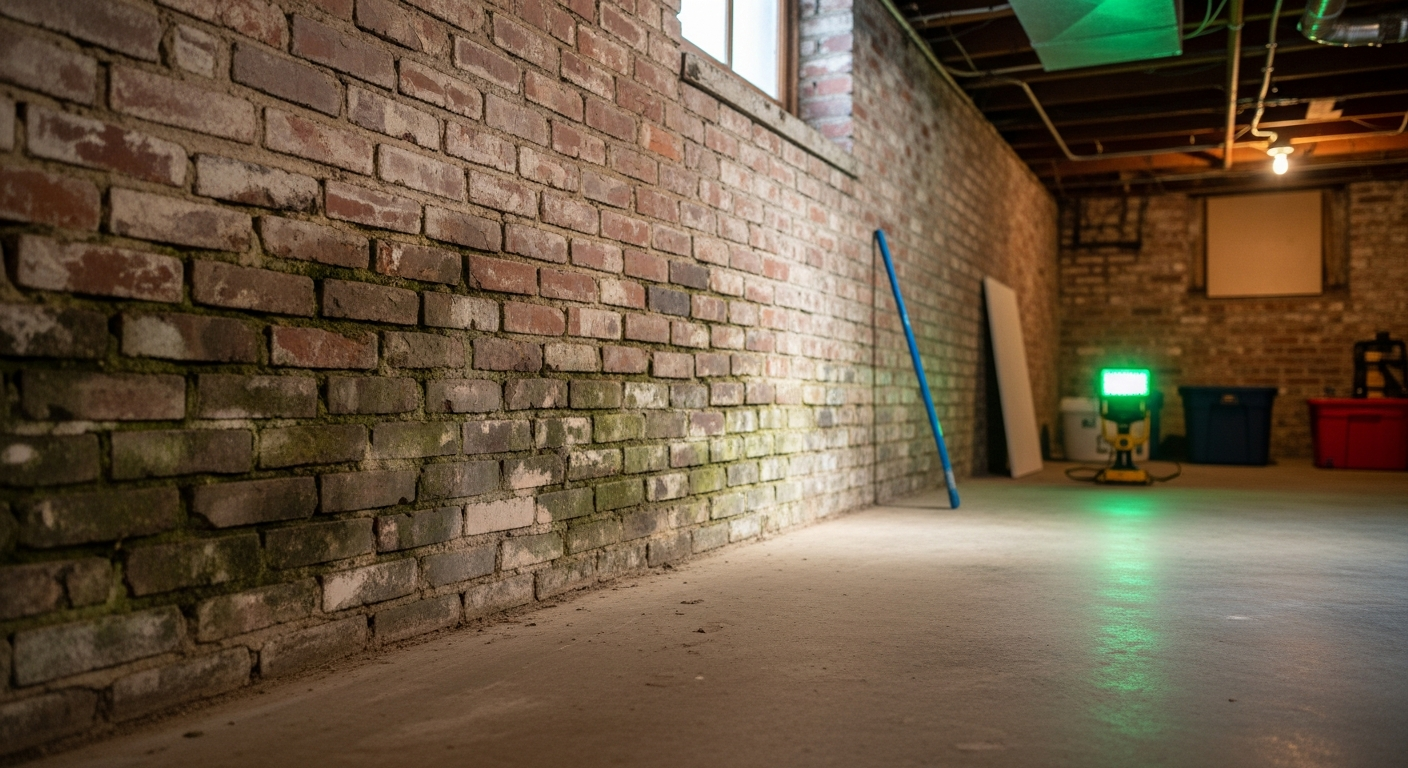
Gateway provides moisture assessment and mold remediation for St. Louis City properties. No verified neighborhood-specific job series or uniform historic foundation condition is presented here.
What to Do About Hidden Mold in Historic St. Louis Basements
- Arrange moisture assessment for suspected hidden mold; sampling is not universally required before visible growth appears.
- Ask about humidity control suited to the actual basement; equipment sizing should reflect measured conditions.
- Have visible masonry deterioration assessed by a qualified professional before choosing repairs.
- Check basement walls after heavy spring rains for new water stains or musty odors
- Document any moisture issues with photos and moisture readings for insurance purposes
- If HVAC contamination is suspected, seek appropriate professional advice; a damp basement alone does not establish that duct cleaning is needed.
Why Historic Brick Basements Develop Hidden Mold
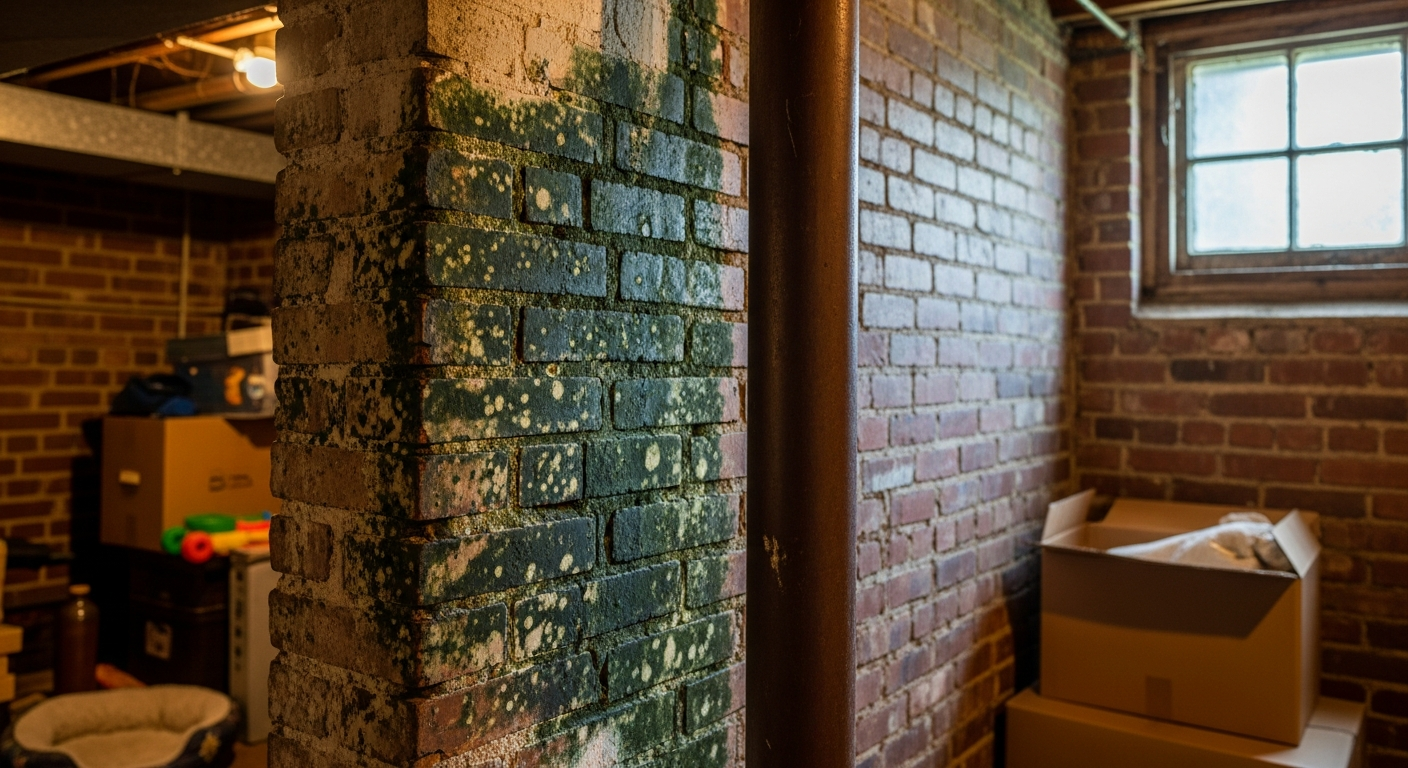
Use actual construction records and qualified assessment to understand a historic foundation. No verified Building Division inventory of neighborhood-wide foundation assemblies is presented here.
Inspect suspected foundation water entry and damp materials in older brick basements. Mold growth cannot be predicted from a single humidity threshold or an assumed soil classification. USDA Web Soil Survey provides regional soil information.
Spring Humidity Creates Perfect Conditions
Condensation can occur when humid air meets cooler basement surfaces. Measure the actual indoor conditions and investigate water entry rather than assigning a humidity range by neighborhood. Current regional weather information is available from the National Weather Service.
After rain, inspect suspected water entry and measure affected materials. A single moisture percentage cannot be applied interchangeably to brick, wood and other building materials.
Investigate the property’s drainage and actual water entry. Neighborhood elevation and river proximity alone do not establish the frequency of basement moisture complaints.
Warning Signs of Hidden Basement Mold
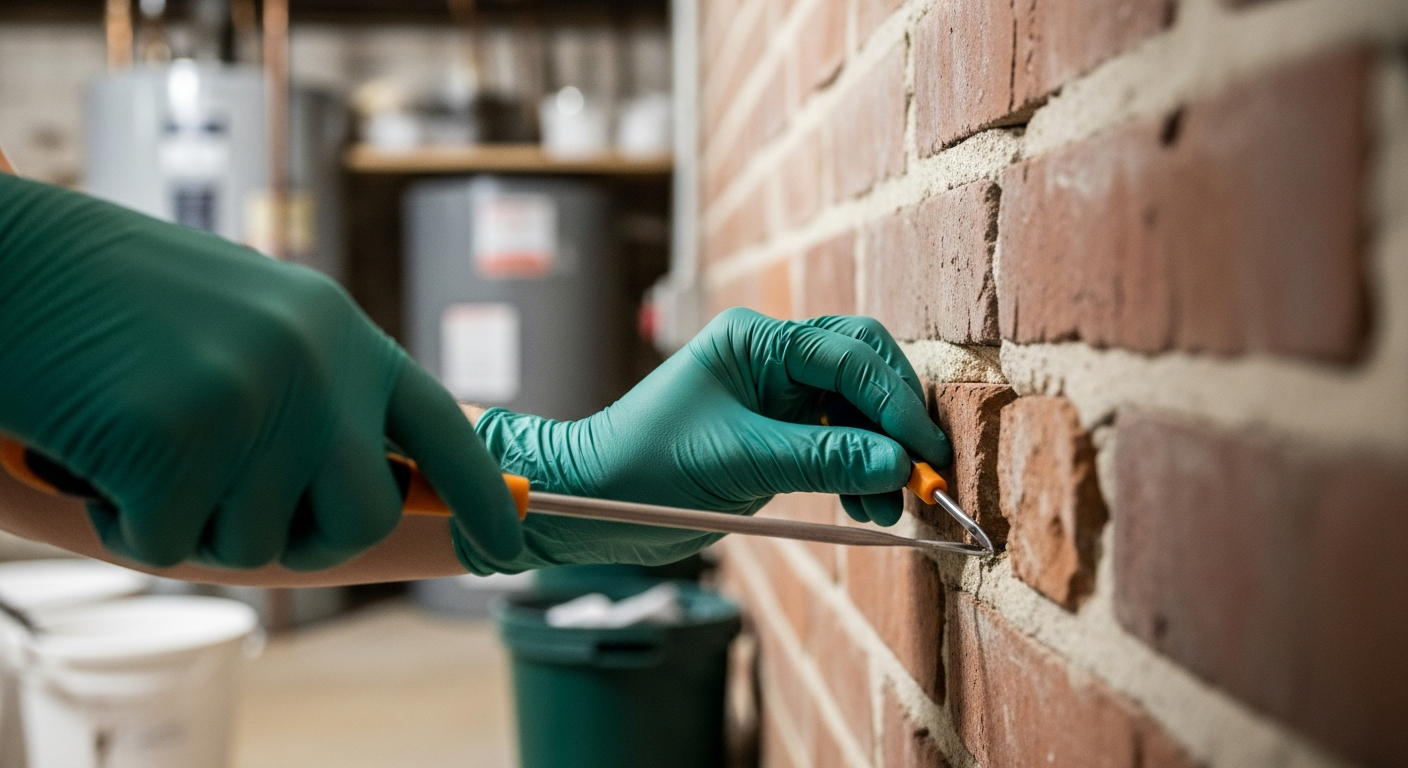
Musty odors warrant investigation of the actual source. No verified Gateway neighborhood case series or universal earliest symptom is established here.
Have unusual masonry deposits and dampness assessed. Appearance alone does not confirm active water movement or hidden mold.
Discuss health symptoms with a qualified clinician and investigate building moisture separately. Symptoms alone do not identify a building-related cause or establish a neighborhood pattern.
Gateway Water & Mold’s Systematic Approach

Gateway performs moisture assessment and remediation. If sampling is needed, an independent inspector or industrial hygienist collects samples and an independent laboratory analyses them. Sampling does not universally determine demolition scope.
For a historic brick basement, document affected materials before selecting remediation methods. Mold sampling, when needed, is collected by an independent inspector or industrial hygienist and analysed by an independent laboratory.
Inspect actual construction and affected materials. Documentation for old house mold inspection St. Louis concerns does not guarantee insurer acceptance or establish neighborhood-specific mold locations.
Assessing Mold Concerns in Historic Materials
Have suspected hidden mold assessed before disturbing historic materials. No particular inspection method guarantees preservation or finds every concealed condition.
Gateway serves the Greater St. Louis metro area and offers mold remediation in St. Louis City and basement flooding response. Scope and preservation measures depend on actual conditions.
Contact Gateway about water damage restoration and moisture assessment. If sampling is needed, an independent inspector or industrial hygienist collects samples and an independent laboratory analyses them; health concerns belong with a qualified clinician.
Frequently Asked Questions
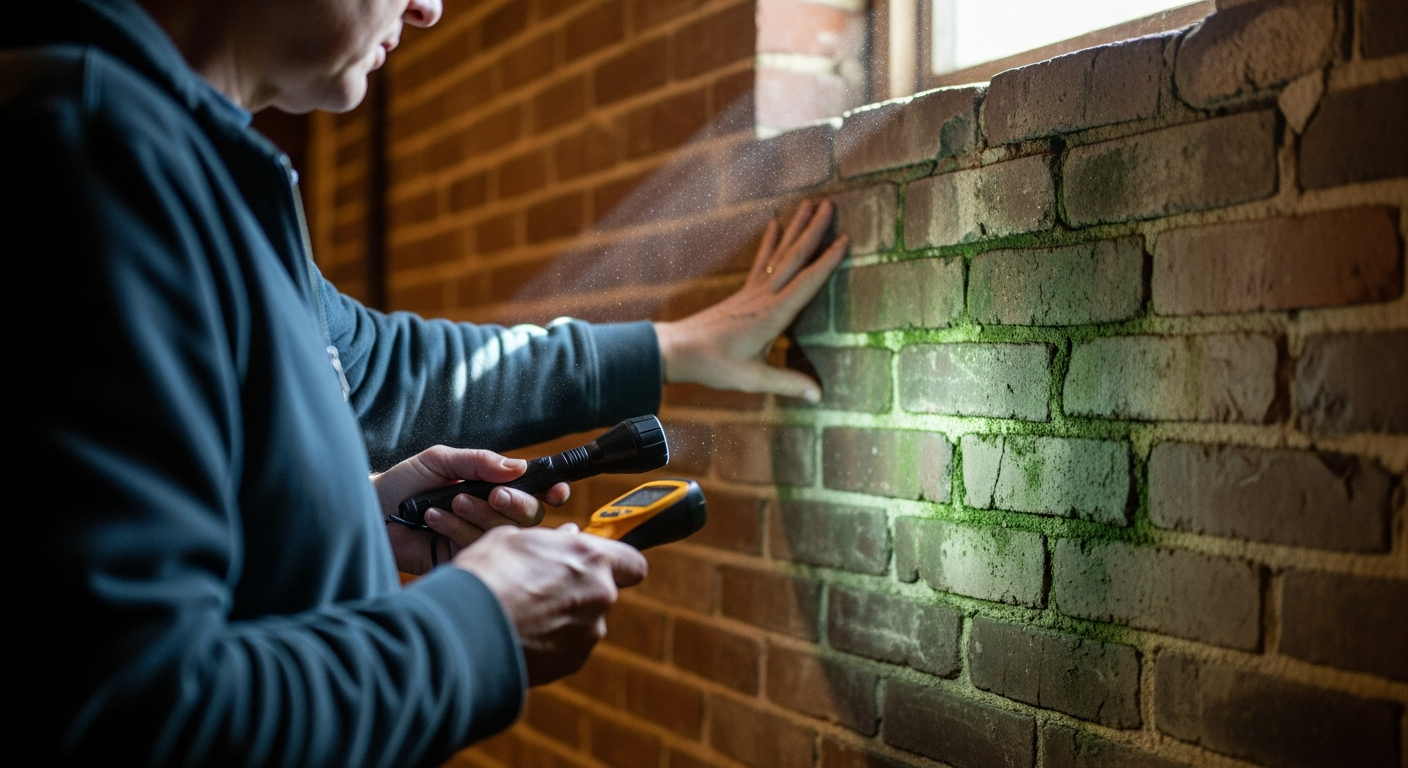
How much does mold testing cost for a historic St. Louis basement?
Obtain a quote from the independent inspector for any proposed sampling and laboratory analysis. Gateway performs moisture assessment and emergency water extraction where needed; no fixed testing price or guaranteed savings is established here.
Can I use a regular dehumidifier in my historic brick basement?
Select humidity-control equipment for the actual space and measured conditions. No neighborhood-wide commercial-equipment requirement or minimum capacity is established here.
Will mold remediation damage my historic basement’s character?
Have qualified professionals determine remediation and any preservation requirements for the actual building. No universal material treatment or local preservation permission is established here.