Gateway/Water Damage Restoration/Glen Carbon
Water Damage Restoration
in Glen Carbon, IL.
Water damage restoration for Glen Carbon, IL. Contact Gateway to discuss assessment, extraction, drying, documentation and current dispatch availability for the property.
On the ground in Glen Carbon
What we see in
Glen Carbon, every week.
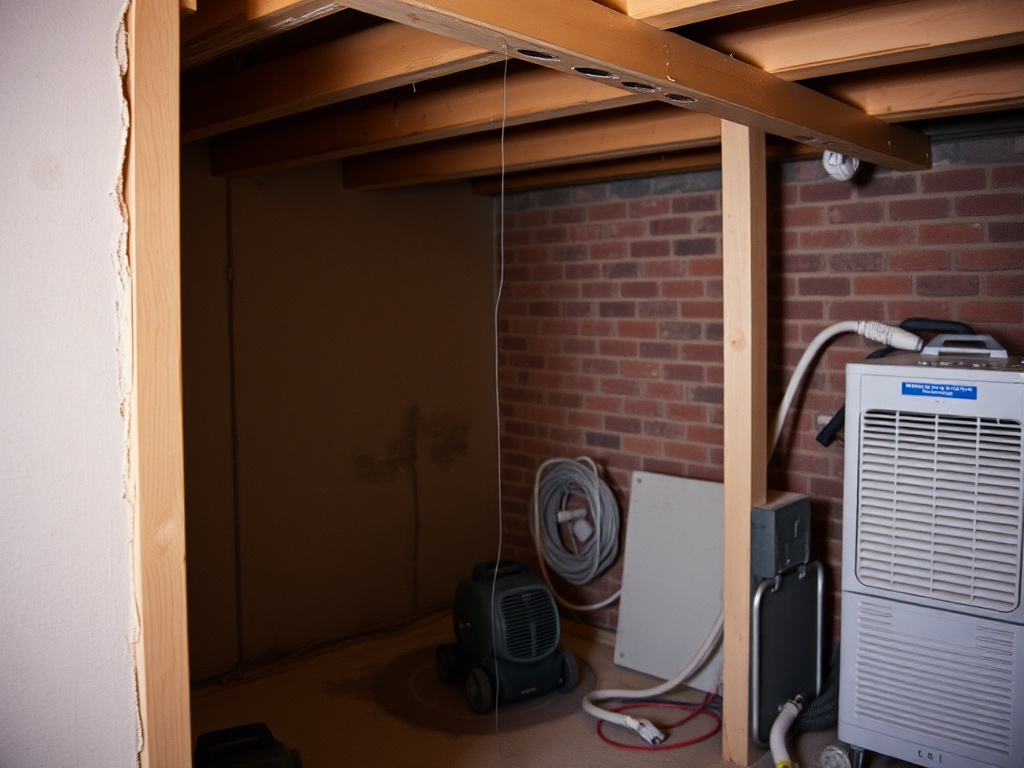
For water damage in Glen Carbon, assess the observed source, affected rooms, actual materials and moisture findings. Confirm the responsible utility if a public-system issue is suspected. Discuss equipment, scope, documentation, timing and payment arrangements for the individual loss rather than assuming neighborhood-wide failure patterns or direct insurer payment.
What makes water damage restoration different in Glen Carbon.
For a Glen Carbon water-damage scope, assess the actual plumbing, wall and floor assemblies and relevant property history. Base access, drying, removal and any specialist assessment on the findings. A neighborhood, construction era, tenancy or assumed soil condition does not establish a universal material condition, loss cause or completion time.
Quick answers for Glen Carbon homeowners.
Our 2006 Stonebridge home has poly-B plumbing that we are planning to repipe. In the meantime, what do we watch for?
Visible leakage, staining or persistent odors near plumbing warrant inspection by a qualified plumber. Pipe condition and repair needs must be assessed; a presumed past failure pattern does not establish what this home needs.
Refrigerator ice maker line failed in our finished basement bar area. Hardwood floor and millwork are wet. Scope?
Assess the wet hardwood, millwork and concealed assemblies before choosing drying or removal. Discuss suitable access and preservation options with the restoration team and any necessary finish specialist. Material labels alone do not establish salvageability or a completion time.
Power outage during a storm meant the lift station serving our subdivision backed up. American Family policy. Covered?
Ask American Family to review the specific endorsement and cause, including any confirmed lift-station failure. Coverage, exclusions, limits and potential recovery from another party are separate matters; an endorsement does not automatically cover every backup.
“We don’t tell you it’s mold because it looks like mold. We use independent findings, we plan, and we tell you what you don’t need to remediate.”
What’s included
Discussing a Glen Carbon water damage restoration job scope.
Discuss the proposed equipment, documentation and property-specific scope with Gateway. The main water damage restoration page describes the service and FAQ; the steps below provide an overview.
- Contact Gateway to confirm emergency dispatch and estimated arrival
- Discuss the extraction, drying and monitoring plan for the loss
- Confirm suitable equipment for the property and available access
- Agree on moisture monitoring and documentation of drying progress
- Confirm estimating format and requested insurance documentation
How calls run in Glen Carbon
What are the six steps in water damage restoration in Glen Carbon, IL?
- 01
Source control and moisture mapping for water damage restoration
Arrange safe assessment of the source and affected materials. Discuss any necessary source repair with the appropriate qualified professional and ask the restoration team to document moisture findings.
- 02
Site-specific containment planning
Assess the actual water source and contamination concerns before selecting containment and cleanup measures. Confirm the site-specific plan with the restoration team.
- 03
Standing-water extraction planning
Select suitable extraction methods based on safe access, contamination and the affected materials. Assess flooring and subfloor conditions to plan further drying or removal.
- 04
Equipment selection for structural drying
Select and monitor drying equipment for the actual materials and conditions. Ask the restoration team to explain equipment placement and drying targets.
- 05
Moisture monitoring through drying
Agree on a monitoring schedule and document drying progress. Confirm completion findings and any remaining work with the restoration team.
- 06
Assessing necessary material removal
Determine necessary material removal from the actual condition and documented restoration scope. Discuss applicable work requirements with the responsible professionals.
Other St. Louis cities we cover
Water Damage Restoration
across the St. Louis metro
Glen Carbon address. Water emergency.
Call Gateway’s emergency line to discuss the loss, crew availability and estimated response.
Related service information
See our water damage restoration service and process for the complete scope of work.