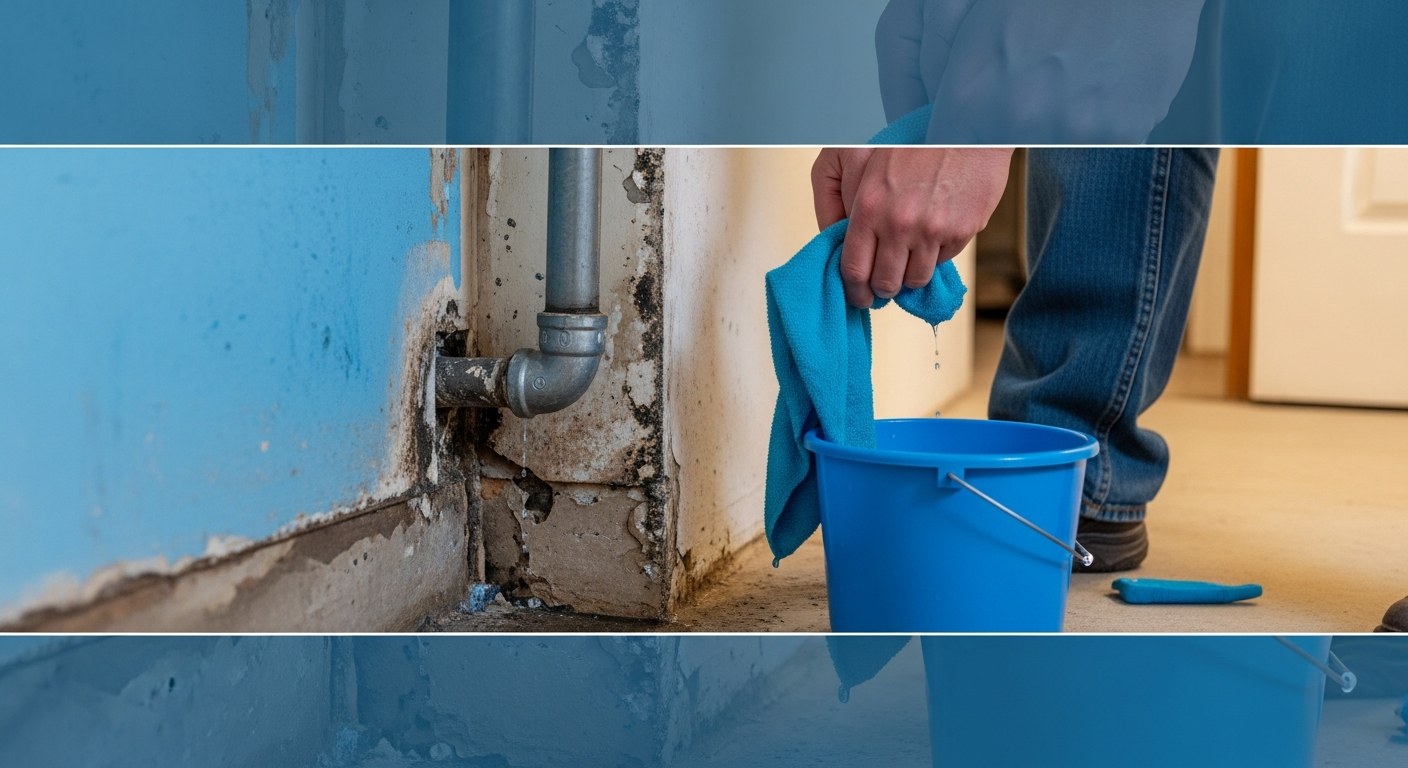
Suspected leaks in an older Granite City home warrant plumbing and moisture assessment. Gateway provides water damage restoration; pipe type, affected materials and remediation needs should be established at the property.
What to Do About Galvanized Pipe Leaks in Granite City
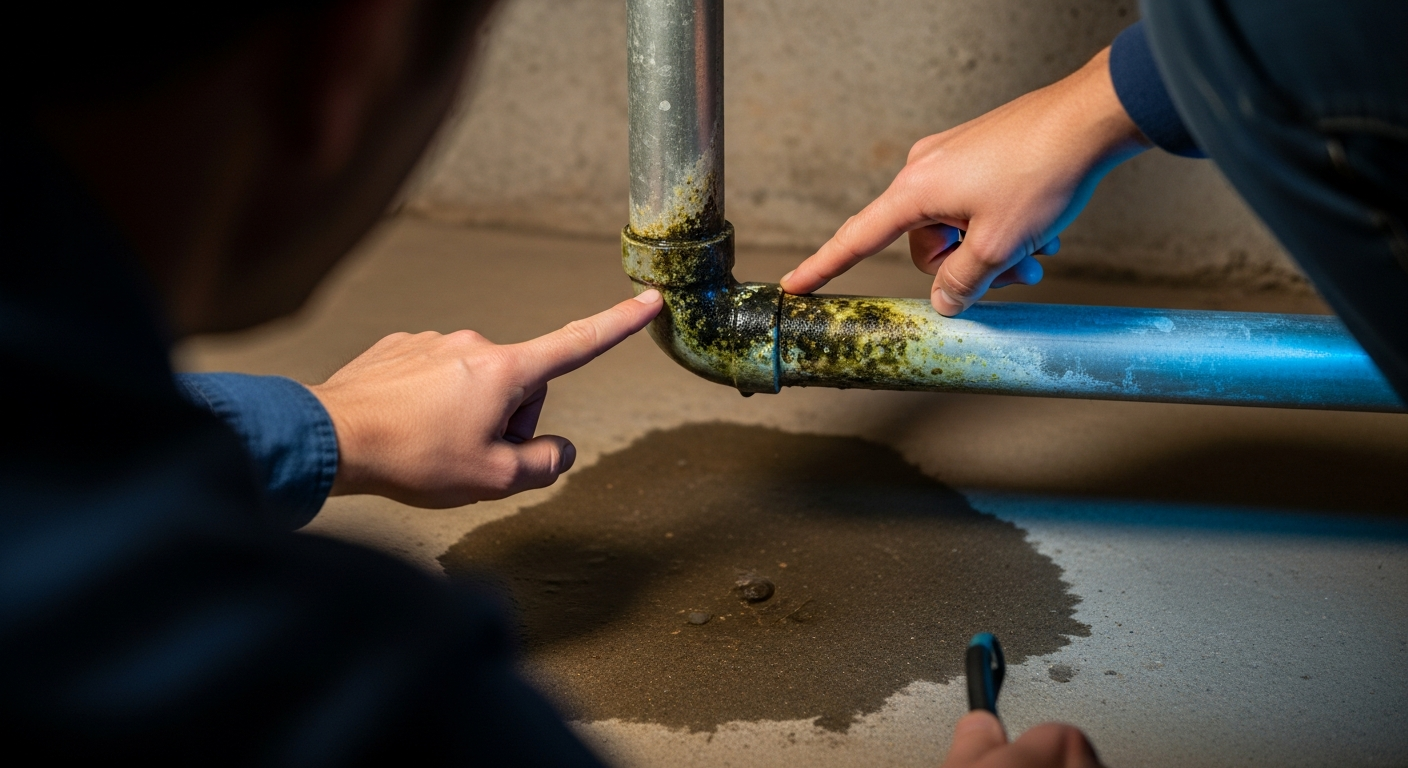
- Check exposed galvanized pipes in basements for rust flakes, white mineral deposits, or pinhole-sized holes
- Have unexplained water-pressure changes assessed by a qualified plumber; a single pressure reading does not establish corrosion.
- Look for musty odors near kitchen sinks, bathroom walls, and basement ceilings where pipes run
- Monitor indoor humidity where safe, and investigate suspected leaks and damp materials. A humidity reading alone does not establish hidden mold growth.
- Schedule annual plumbing inspections focusing on pipe joints and connections in crawl spaces
- Document any water stains, discolored drywall, or peeling paint with photos for insurance purposes
Why Galvanized Pipes Create Hidden Mold Problems
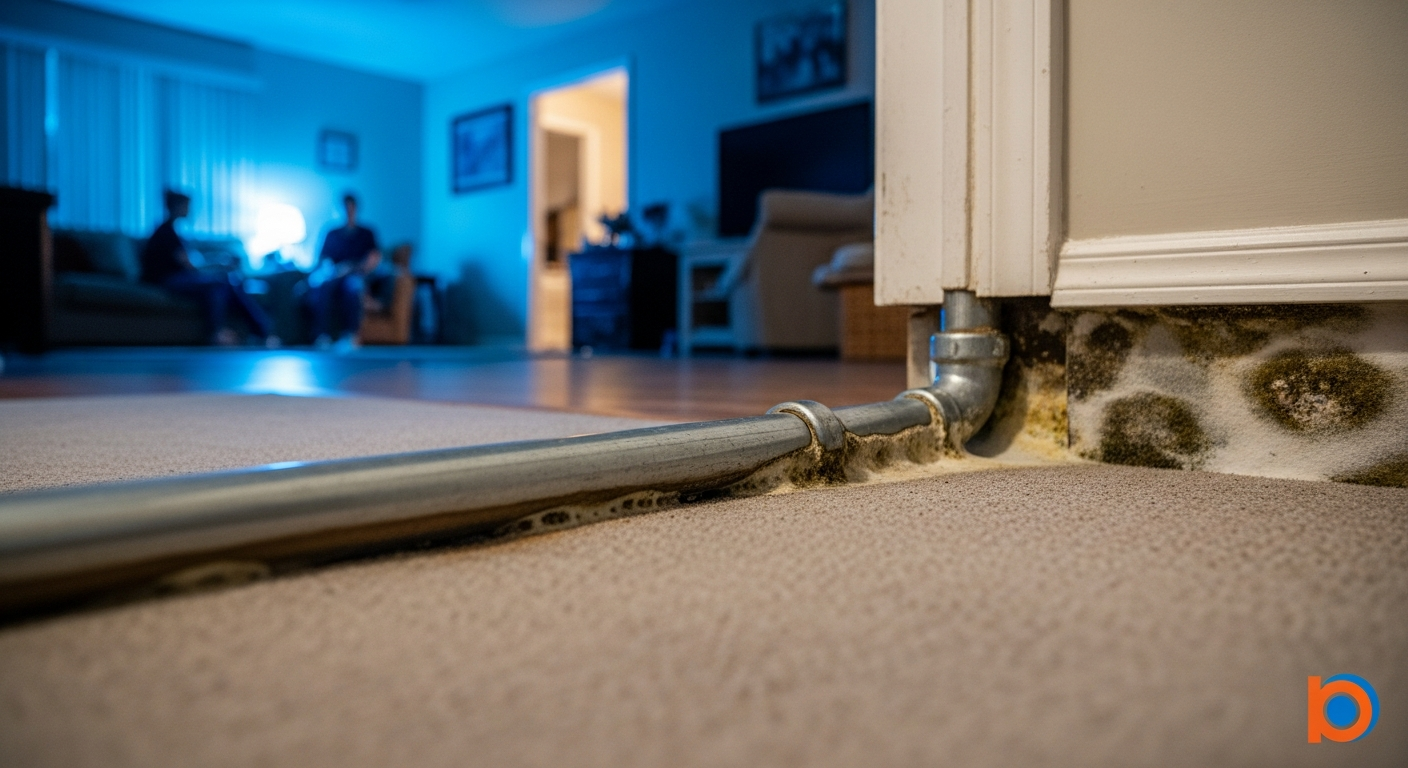 water damage restoration services
Corroded plumbing can leak into concealed spaces. Have a qualified plumber inspect suspected defects; neither the daily leak volume nor the loss of internal pipe diameter can be assumed from age alone.
Ask the water utility and a qualified plumber about actual water-quality and pipe-condition concerns. An assumed dissolved-solids level does not diagnose corrosion at a home. Contact the City of Granite City about current water-utility information.
Investigate suspected supply leaks and drain backups separately. The source and contamination conditions determine cleanup needs; a humidity percentage alone does not establish mold growth.
Spring Humidity Amplifies Mold Growth from Pipe Leaks
Moisture from a plumbing leak can remain hidden behind finishes. Inspect and dry affected materials promptly; regional humidity does not establish a fixed growth timetable. Current regional weather information is available from the National Weather Service.
Check the actual foundation and plumbing water-entry points. A neighborhood comparison cannot establish a fixed difference in ground moisture at the property.
Damp building materials can support mold growth. Inspect the actual wall assembly and moisture source rather than assigning materials or a growth timetable by construction era.
Common Failure Points in Granite City’s Galvanized Systems
Have leaking connections inspected by a qualified plumber. The first failure point cannot be predicted from city or pipe age alone.
Inspect suspected leaks in exterior-wall plumbing with a qualified plumber. Construction details and pipe condition vary; a countywide claim percentage is not established by the available evidence. Contact Madison County about the authority responsible for the property.
Leaks behind tub or shower finishes can be difficult to see. Investigate moisture, staining or odors; color and location do not establish mold species or medical risk.
Plumbing Leak Detection Challenges in Metro East Homes
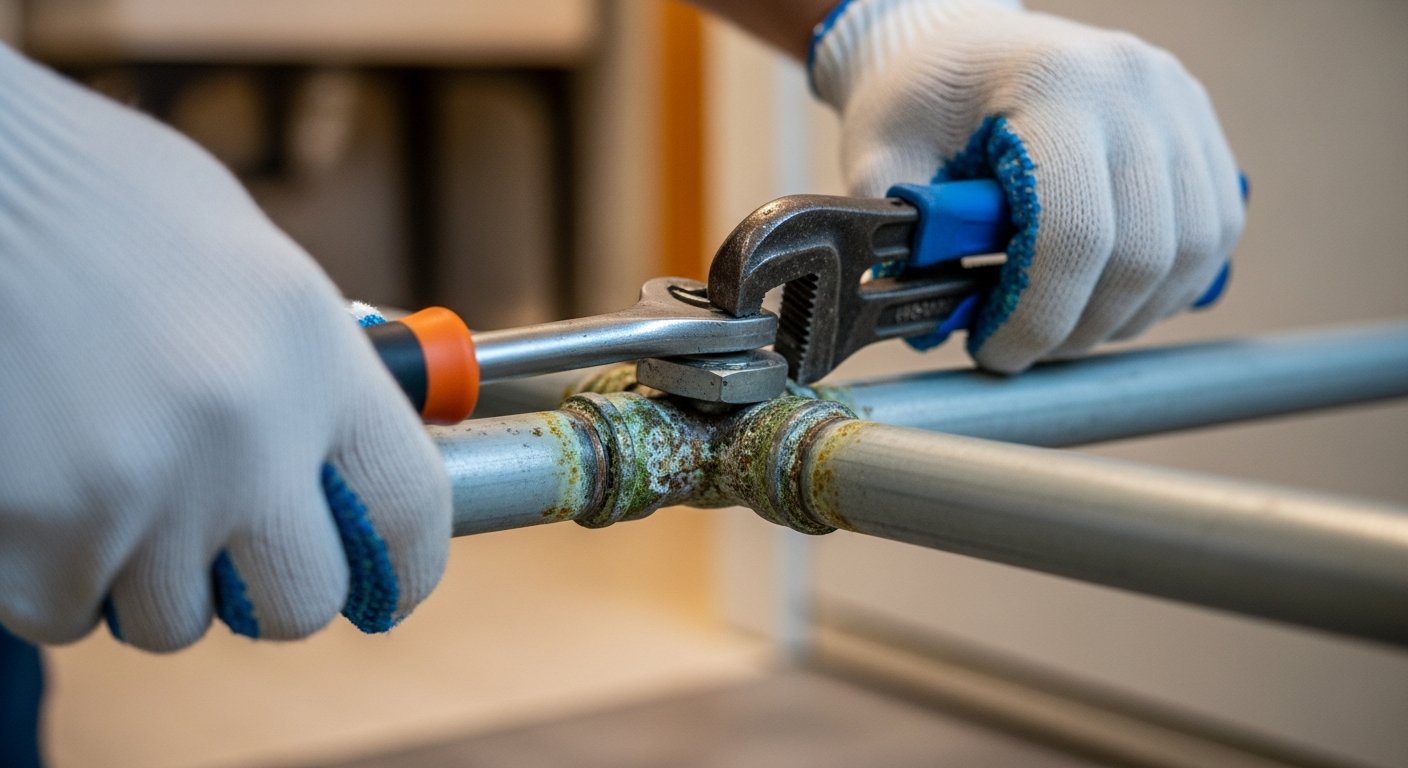
Visual inspection, moisture readings and thermal observations can guide investigation of concealed leaks. Equipment findings require interpretation and do not establish a universal percentage of failures missed by inspection.
The appropriate leak-detection method depends on the assembly and conditions. Have suspected concealed leakage assessed rather than assuming one technique is better for every brick home.
A qualified plumber should select and interpret any pressure test. No universal pressure drop or duration establishes every concealed leak.
Insurance Coverage Complications for Galvanized Pipe Mold
Confirm coverage for the actual plumbing loss and resulting mold with the insurer. No general court outcome establishes coverage for every sudden failure.
Document when the leak was discovered and the observed conditions. Coverage and reporting duties depend on the policy; no universal discovery window establishes mold coverage.
Confirm available mold coverage, limits and endorsements with the insurer. No standard limit or universal obligation to offer a rider is established here. The Illinois Department of Insurance provides consumer insurance information.
Health Risks Specific to Galvanized Pipe Mold Exposure
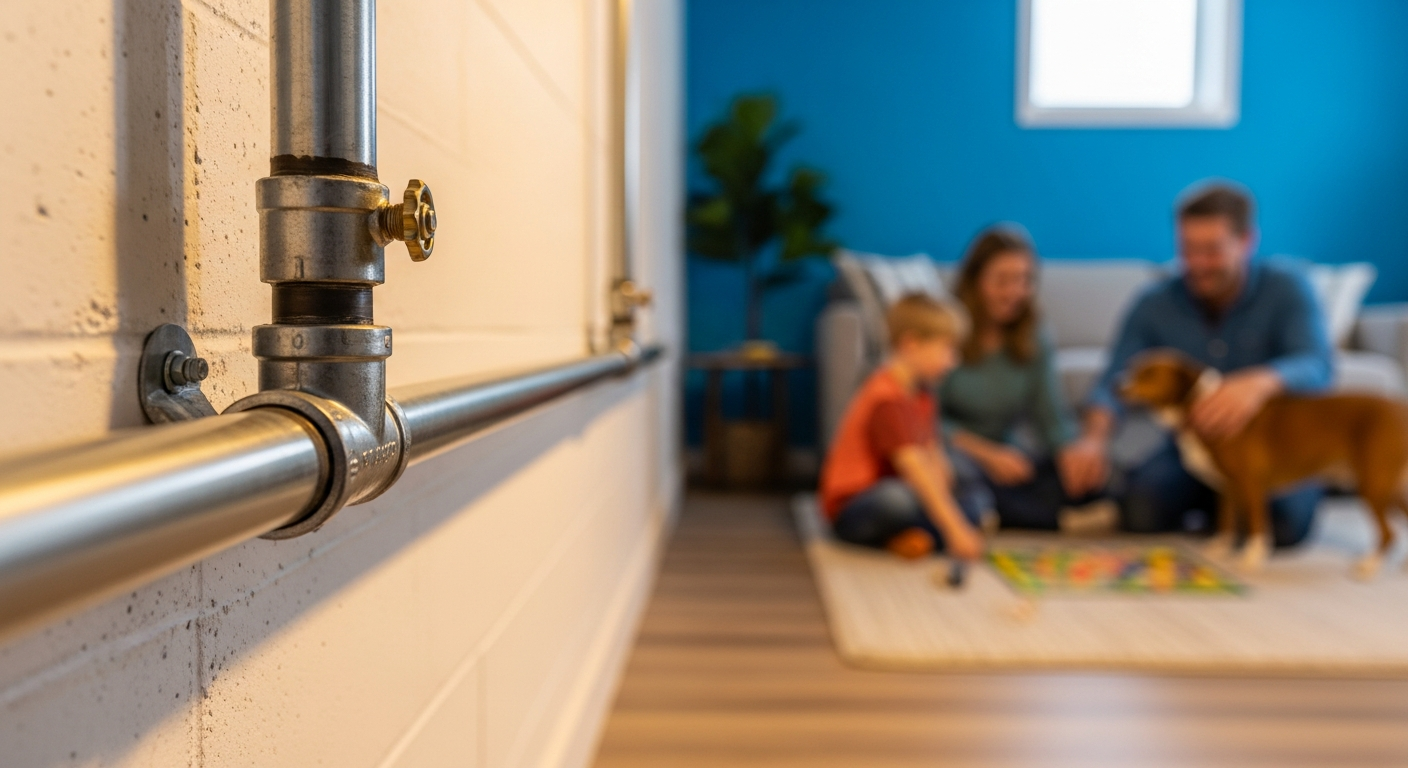
Mold can affect people differently. Pipe material or species assumptions do not establish an individual health risk; discuss symptoms with a qualified healthcare professional.
Do not infer local illness rates or mold toxicity from a plumbing leak. Medical concerns require qualified healthcare advice and appropriate assessment. The Madison County Health Department provides public-health information.
Discuss unexplained symptoms with a qualified healthcare professional. A restoration assessment cannot diagnose a medical condition or guarantee prevention of long-term effects.
Professional Remediation Approach for Galvanized Pipe Mold
Gateway uses inspection and moisture measurements to assess affected materials. Thermal observations can guide investigation but do not guarantee every concealed area will be identified.
If sampling is needed, an independent inspector or industrial hygienist collects samples and an independent laboratory analyses them. Results inform the assessment but do not establish a particular prior project or universal safe spore count.
Containment and material decisions should follow the assessed scope. Coordinate plumbing repair with a qualified plumber; no standard procedure guarantees that all contamination is eliminated.
Prevention Strategies for Existing Galvanized Systems
Ask a qualified plumber about appropriate inspection and maintenance. Compare property-specific repair costs; avoided remediation costs cannot be guaranteed.
Have water-treatment suitability assessed for the actual supply and plumbing. No filtration system guarantees a fixed extension of pipe life.
A qualified plumber can assess repair or phased replacement options. The actual condition should guide priorities; replacement does not guarantee no future failure.
Arrange appropriate plumbing and moisture assessment when a leak is suspected. Locality alone does not establish accelerated growth or the need for a particular remediation technique.
Document visible conditions when safe and contact Gateway about water damage restoration, insurance claims assistance and mold remediation. Documentation supports review but does not guarantee a successful claim. Gateway offers water damage restoration services. Contact Gateway’s mold remediation specialists about the assessed scope.
Frequently Asked Questions
How long does galvanized pipe mold take to develop after a leak starts?
Arrange prompt leak repair and drying. Mold growth and visibility vary with the affected materials and conditions, so a fixed discovery timetable should not guide the response.
Can I safely remove galvanized pipe mold myself or do I need professionals?
Have suspected concealed or extensive mold assessed by appropriate professionals. Confirm applicable requirements; a general area threshold is not presented as a universal Illinois legal mandate.
Will my insurance cover mold damage from old galvanized pipes?
Coverage depends on the policy, endorsements and cause. Confirm notification and evidence requirements with the insurer; no generic deadline or assumed rider obligation establishes payment.
Sources (reviewed 2026-09-10): www.epa.gov.
Sources (reviewed 2026-09-10): www.cdc.gov.