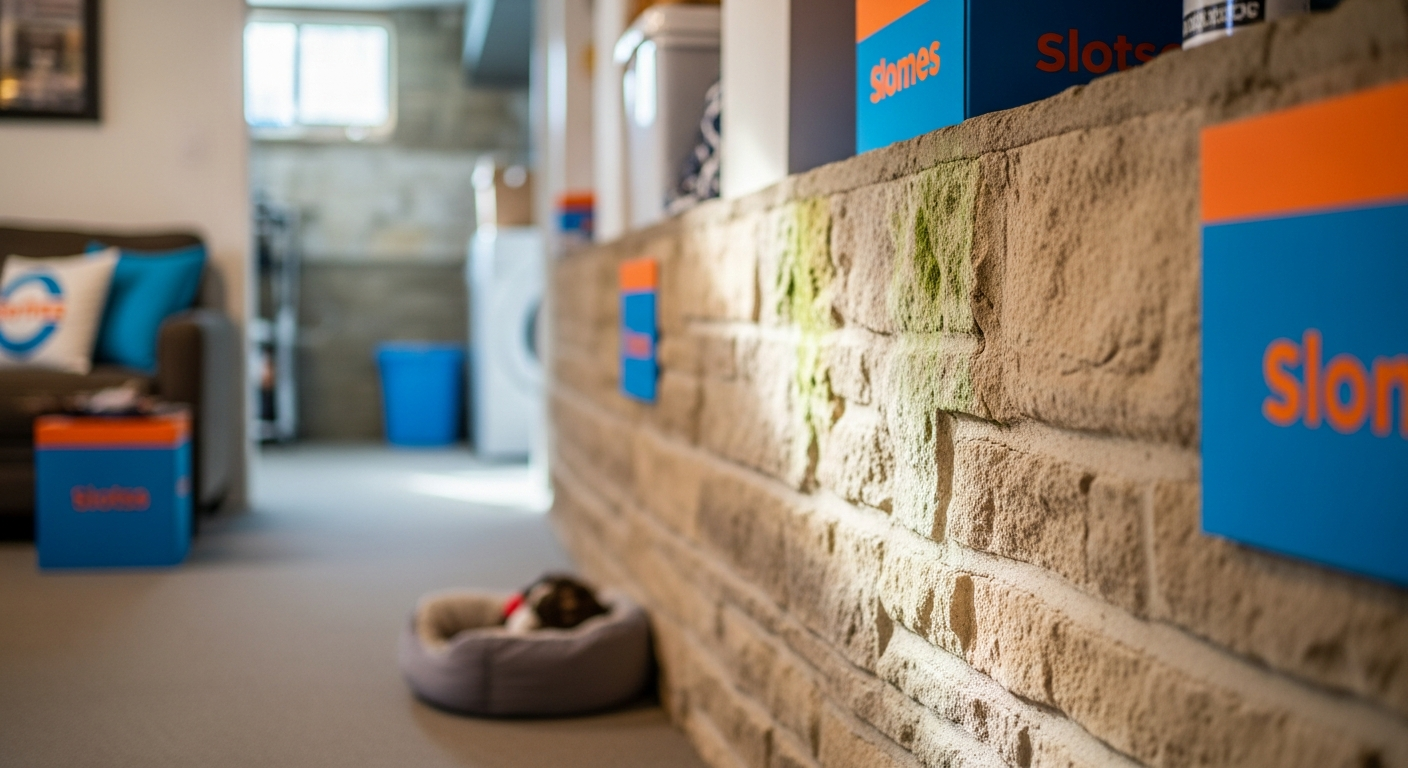
Limestone basements in Alton can develop moisture problems after rain. Water damage restoration begins with identifying water entry and affected materials; a property assessment is needed to establish the cause and remediation scope.
What to Do About Spring Mold in Limestone Basements
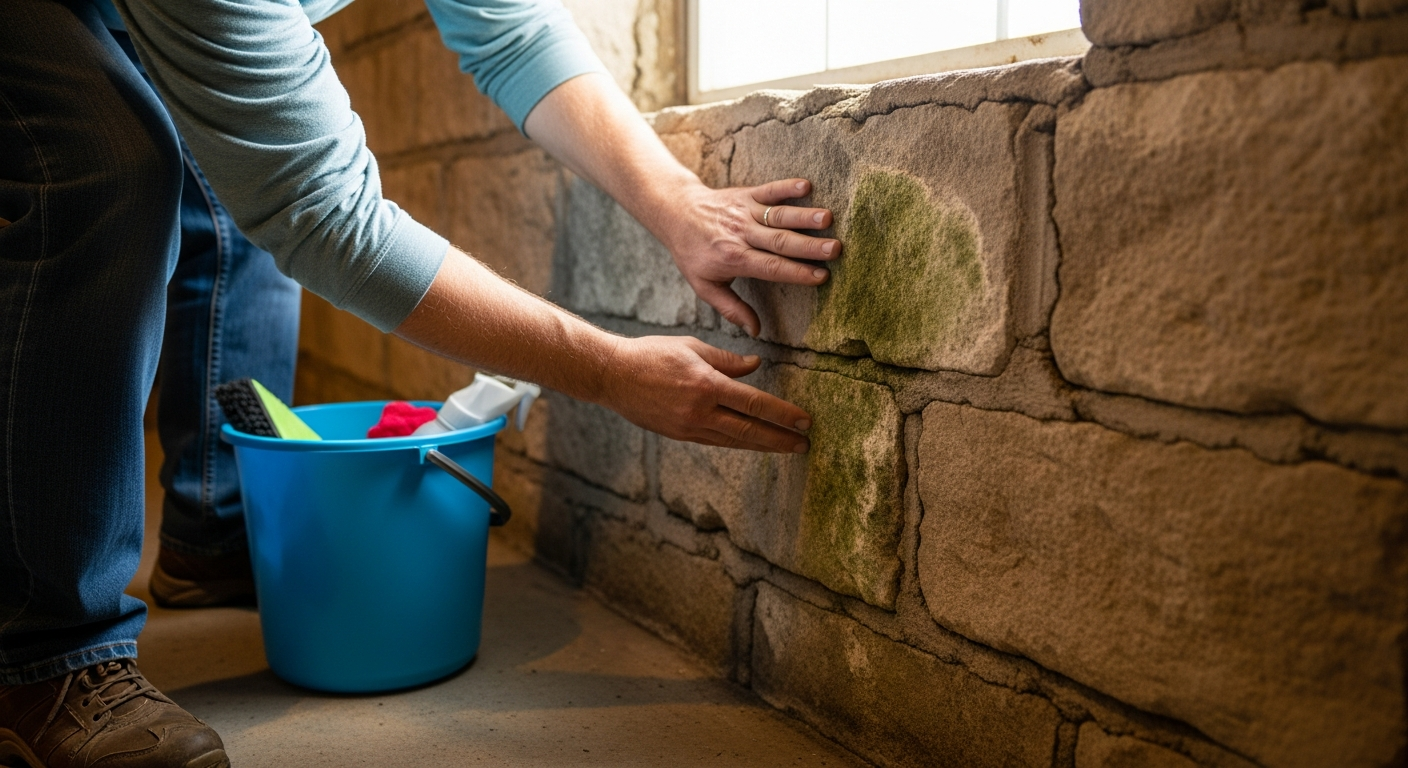
- Check limestone walls for dark staining or white chalky deposits after Riverbend area rain events
- Run dehumidifiers targeting 45-50% relative humidity in limestone basements year-round
- Inspect mortar joints for cracking or deterioration that allows water penetration
- Monitor basement humidity with digital hygrometers during spring rainfall periods
- Document any musty odors or visible mold growth with photos for insurance purposes
- Contact professionals immediately if mold covers more than 10 square feet of limestone surface
Why Limestone Basements Harbor Spring Mold

Inspect limestone walls and mortar joints for moisture after rain. Material condition, drainage and ventilation influence how long a basement stays damp; regional weather averages do not establish conditions inside a particular home.
Water entry through walls or joints requires a site-specific assessment. Do not assume an absorption percentage or stone origin without appropriate material records and investigation.
Moisture control is central to mold prevention. Damp dust, debris and nearby building materials can support growth; the stone type alone does not establish the mold species or a precise growth timetable.
Alton’s Unique Spring Mold Conditions
Check grading, roof drainage and visible foundation entry points after rain. Groundwater conditions vary by property and event; a countywide seasonal rise cannot be assumed for an individual basement. Regional groundwater observations are available through USGS groundwater monitoring.
For an older Alton home, inspect the actual foundation materials and past repairs. Neighborhood or construction era alone does not establish a higher mold rate.
Measure indoor humidity and investigate visible condensation or water entry. River proximity alone does not establish the humidity level or mold severity in a particular basement. The Illinois State Water Survey provides regional water information.
Condensation can occur when humid air meets a cooler surface. Check actual temperature and moisture conditions before attributing a basement problem to regional wind patterns.
Warning Signs in Limestone Basements
A persistent musty odor warrants investigation for moisture and possible hidden growth. Odor alone cannot establish the affected material or remediation scope.
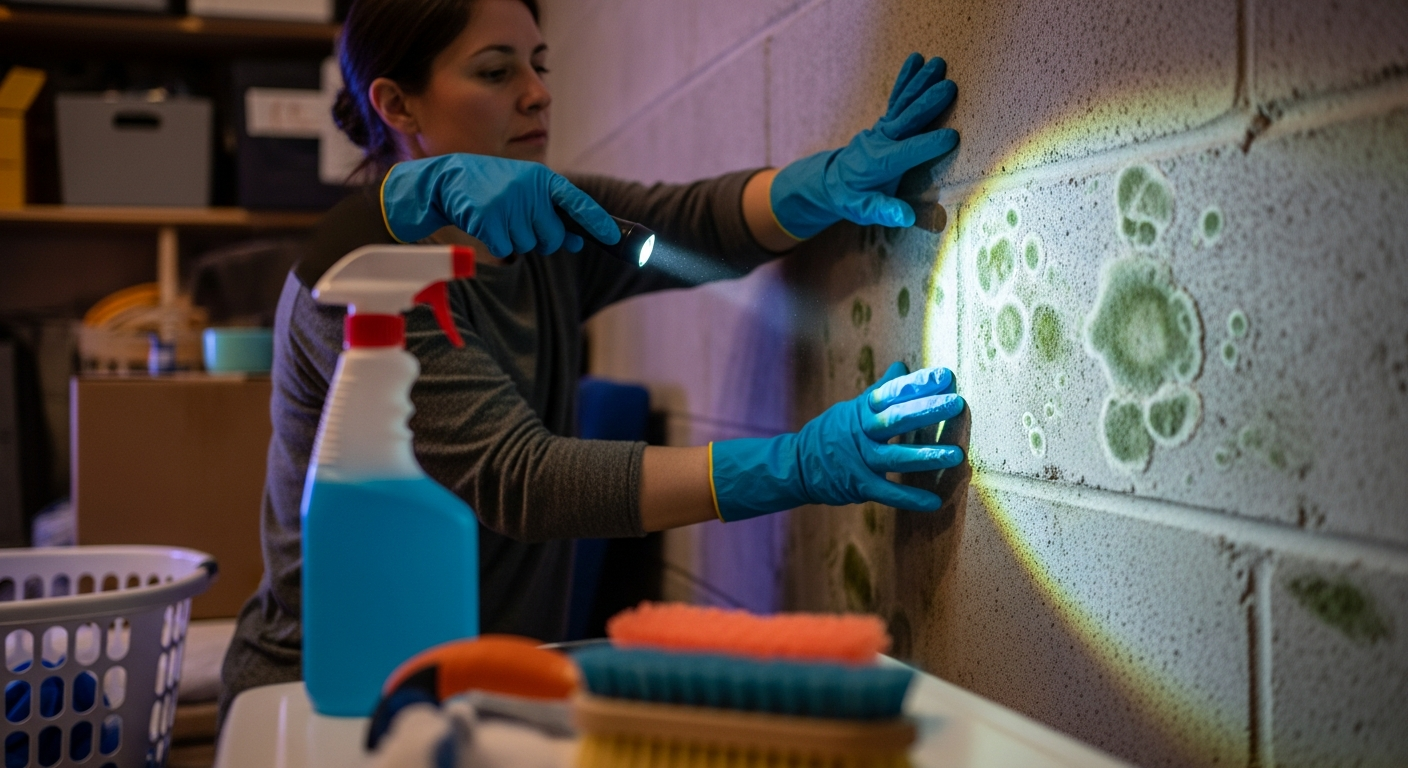
Staining and mineral deposits warrant moisture investigation. Color alone does not establish whether a patch is mold or whether growth is active.
Gateway Water & Mold’s Limestone Remediation Process

Gateway performs moisture assessment and remediation. Infrared observations can help identify areas for further investigation, but moisture measurements and inspection are needed to interpret them.
An independent inspector or industrial hygienist collects mold samples, and an independent laboratory analyses them. Gateway performs moisture assessment and remediation; a pH reading alone does not establish mold penetration depth.
For historic masonry, establish the affected materials and remediation scope before deciding whether removal is necessary. Preservation work may require a qualified masonry or structural specialist.
Humidity control should respond to measured indoor conditions. Equipment selection and drainage arrangements depend on the space and moisture load. Basement humidity control in the Riverbend area should follow the inspected source and scope.
Gateway Water & Mold serves Alton and surrounding Metro East communities. The remediation plan should reflect the property’s materials, moisture source and affected area. Gateway also serves Edwardsville. Gateway also serves Godfrey. Contact Gateway’s mold remediation specialists about the inspected scope.
Frequently Asked Questions
How much does spring mold remediation cost for limestone basements in Alton?
Remediation pricing depends on the inspected scope, affected materials and access. Obtain a written estimate, and confirm any insurance coverage and payment conditions with the carrier.
Can limestone basement mold return after professional remediation?
Ongoing moisture control helps reduce the chance of further growth. No recurrence percentage can be promised for an individual basement; investigate leaks and monitor indoor humidity.
Is limestone basement mold more dangerous than regular basement mold?
Mold can affect people differently. Do not infer a person’s health risk from foundation material or mold color; discuss symptoms and individual precautions with a qualified healthcare professional.
Sources (reviewed 2026-09-10): www.cdc.gov; www.epa.gov.