
Older Belleville homes can have moisture problems that need careful assessment of their existing materials. Gateway Water & Mold provides moisture assessment and remediation; the scope depends on the property rather than an assumed neighborhood history. Ask Gateway about assessment of suspected mold problems.
What to Do About Early Mold Detection in Belleville
- Check stone foundations and lime mortar joints with a flashlight for white efflorescence or dark staining
- Test humidity levels in rooms with original plaster walls using a digital hygrometer – levels above 60% signal concern
- Inspect behind radiators and around original window casings where condensation commonly forms
- Document any musty odors in basements, especially near coal chutes or original root cellars
- Examine attic spaces around original chimney penetrations and slate roof areas
- Schedule professional moisture mapping if you find water stains on original horsehair plaster
Why Historic Homes Develop Hidden Mold

Inspect the actual foundation and nearby materials for moisture entry. A regional soil description does not establish the source of dampness in a particular Belleville home. The Illinois State Geological Survey provides regional geological information.
Damp plaster assemblies and wood lath warrant inspection. Water damage restoration services should assess the actual materials and moisture source rather than assume every older wall lacks a particular moisture-control layer.
Check the Belleville home for leaks and condensation after rain. Historical ventilation design and regional weather averages do not establish the actual indoor moisture conditions.
Spring Humidity Mold Problems in Belleville
Measure indoor humidity and inspect the property for water entry or condensation. Neighborhood and river proximity alone do not establish the home’s moisture conditions.
Inspect the actual roof and attic for water entry. For designated historic properties, confirm applicable approval and permit requirements with Belleville before alterations. For requirements, contact the City of Belleville Building Department.
Have suspected plumbing leaks assessed by a qualified plumber. Concealed water entry can affect adjacent materials, but pipe type and leak duration must be established at the property.
Evaluate the actual drainage and foundation conditions. USDA soil surveys provide regional context but do not diagnose the cause of moisture inside a particular home.
Warning Signs in Historic Belleville Homes
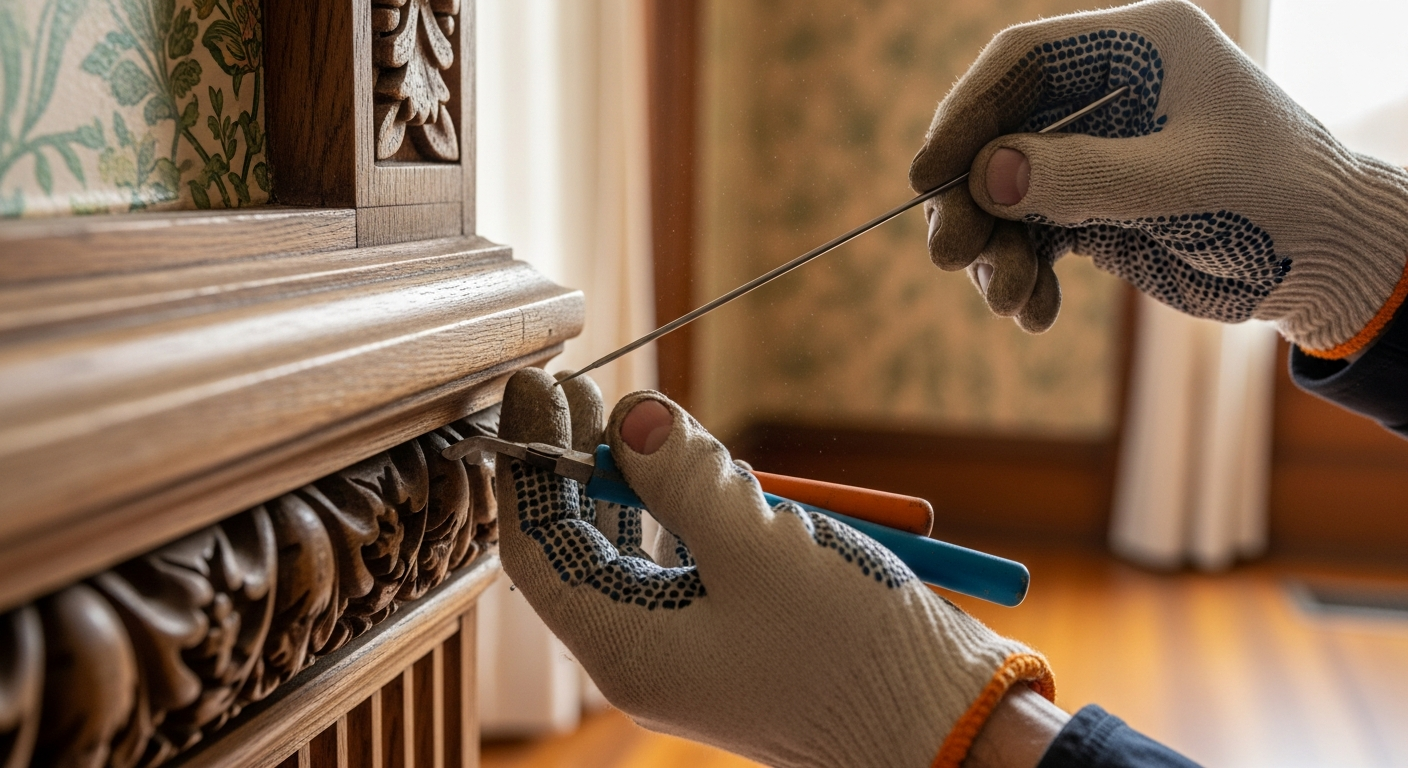
Chalky deposits or staining warrant moisture investigation. Appearance alone does not establish mold transport or the extent of affected materials.
Cupping or gaps in flooring warrant assessment of moisture and other possible causes. Odor alone cannot establish mold in structural lumber or how long it has been damp.
Inspect stained window components and adjacent finishes for leaks or condensation. Repair needs depend on actual condition, not a presumed limitation of all original windows.
Gateway Water & Mold’s Historic Home Approach

Gateway uses inspection and moisture assessment to investigate affected materials. Infrared observations need interpretation; confirm applicable preservation requirements before invasive work on a historic property.
Assess the actual source of moisture before selecting masonry, window or drainage repairs. Gateway can document observed conditions; specialist repairs require appropriate contractor assessment.
Photograph existing materials and damage when safe. Documentation can support a claim, but it does not guarantee insurance valuation or coverage for historic finishes.
Humidity monitoring can help track indoor conditions. Any proposed equipment or building alteration should suit the property; monitoring does not guarantee that future mold will be prevented.
Protecting Your Historic Investment
Assess the actual building assembly and current moisture sources. Construction age alone does not establish the cause of a mold concern.
Record indoor humidity and investigate visible moisture changes. Monitoring cannot guarantee that hidden growth will be identified before it becomes visible.
Mold Remediation in Belleville, IL should follow an assessment of affected materials and moisture sources. Water Damage Restoration in Belleville, IL can address the observed water loss; neither service guarantees a health outcome.
Contact Gateway Water & Mold at (314) 947-3419 about moisture assessment and remediation in the Metro East region.
Frequently Asked Questions
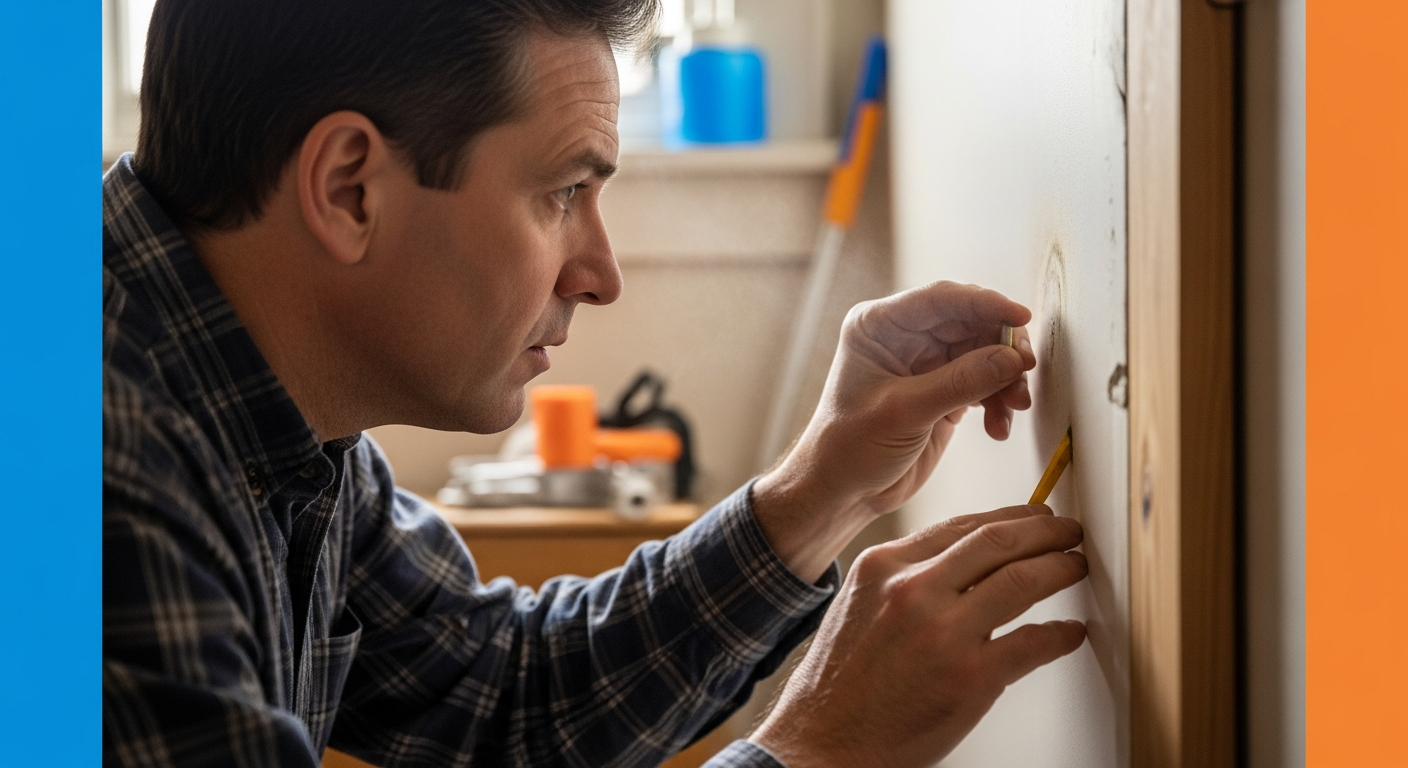
How quickly can mold develop in historic homes after spring rains?
Wet materials in an older home should be assessed and dried promptly. Mold growth timing varies, and building age alone does not establish a faster growth rate.
What makes historic home mold inspection different from modern houses?
Choose inspection methods appropriate to the actual material and meter scale. A construction era alone does not establish calibration requirements or mandate one testing method.
Can I prevent mold in my historic Belleville home without compromising its character?
Moisture control can include leak repair, ventilation or dehumidification as appropriate to the building. For a historic property, discuss the proposed work and any preservation requirements with qualified professionals; no invisible alteration or humidity outcome is guaranteed.
Sources (reviewed 2026-09-10): www.epa.gov.