
Gateway/Basement Flooding/Granite City
Basement Flooding
in Granite City, IL.
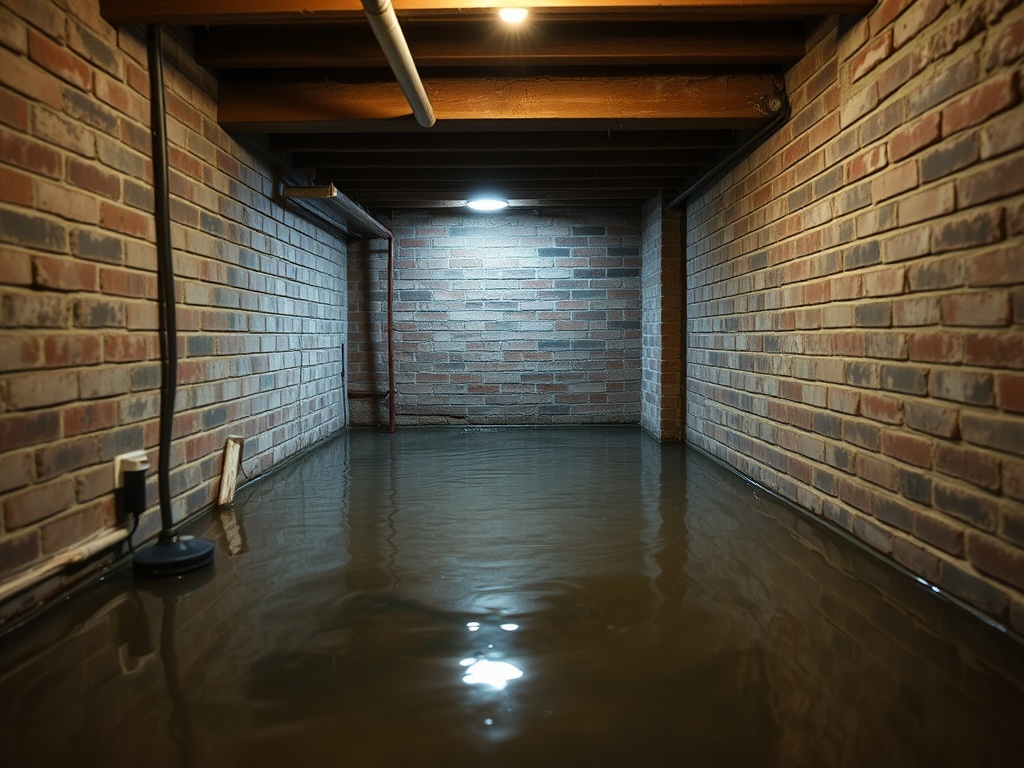
Basement flooding cleanup for Granite City, IL. Source diagnosis first, sump failure, sewer back, footing seepage, or surface water; then extraction, drying, and source coordination. We work Downtown Granite City, Lincoln Place, Niedringhaus, and the rest of the metro the same way.
If flooding has spread beyond the basement, our Granite City water damage restoration team can handle extraction, structural drying, moisture readings, and cleanup documentation together.
Granite City data points
Three things we
know about Granite City.
- Housing assessment: confirm the property construction and affected materials
- Drainage assessment: inspect the actual water-entry conditions
- Utility coordination: confirm the provider and property connection
Basement Flooding Cleanup in Granite City.
For Granite City basement flooding, inspect the actual source, pump operation and affected materials. Current property-specific flood information may be relevant, but a citywide soil or levee description does not establish why this basement flooded. Obtain qualified advice on any required repairs.
What makes basement flooding in Granite City different?
Gateway assesses Granite City basement losses individually, documenting water entry and affected materials. Sump, plumbing and drainage findings determine the repair discussion; no assumption is made that every property has continuous groundwater loading.
Levee-protected status means we are not required to carry NFIP. But should we?
Levee protection does not eliminate flood risk. Ask a licensed insurance professional about available NFIP and private flood options, eligibility, limits and cost for the property; do not assume only one program can provide protection.
Our Lincoln Place basement has the original 1920s plumbing. High water table. Where do losses concentrate?
Have the actual supply lines, drains and water-entry points inspected by qualified professionals. Construction age and neighborhood history do not establish pipe material, remaining service life or the need for complete replacement.
“We don’t tell you it’s mold because it looks like mold. We use independent findings, we plan, and we tell you what you don’t need to remediate.”
What’s included
What every Granite City
basement flooding response job covers.
Every Gateway basement flooding response job in Granite City runs to the same standard, same equipment, same documentation, same reputation backing every step. The full scope and FAQ live on our main basement flooding page; the short version is below.
- Source diagnosed first, sump failure, sewer back, footing, or surface water
- Category 3 sewer containment when applicable, PPE per IICRC S500
- Standing water extracted, affected materials removed to clean cut
- Antimicrobial, dehumidified, and verified dry before equipment leaves
- Coordination with backflow/sump repair pros if the source needs fix
How calls run in Granite City
What are the six steps in basement flooding in Granite City, IL?
- 01
Basement flooding source diagnosed first
Assess the likely source and safety conditions as part of the response. Further plumbing or drainage investigation may be needed alongside extraction.
- 02
Standing water extraction from the basement
Extraction equipment and completion time depend on water volume, access, contamination and the affected materials.
- 03
Cat-3 containment if sewer.
Sewer backups get poly containment, negative air, and PPE before we cross the threshold. Non-negotiable.
- 04
Removing flood-affected basement materials
Assess porous materials for removal or cleaning based on contamination and condition, and document the proposed scope.
- 05
Antimicrobial treatment and basement dry-out
Use cleaning and drying methods appropriate to the contamination and materials, following product instructions and monitoring moisture progress.
- 06
Source repair coordination after basement flooding
Coordinate with a qualified plumber or waterproofing professional on the identified source and repair options. No single repair prevents every future water loss.
Other St. Louis cities we cover
Where we do basement flooding
across the St. Louis metro
Granite City address. Water emergency.
Call Gateway’s emergency line to discuss the loss, crew availability and estimated response.
Related service information
See our basement flooding cleanup service and process for the complete scope of work.