Gateway/Mold Remediation/Godfrey
Mold Remediation
in Godfrey, IL.
An independent inspector or industrial hygienist collects mold samples; an independent laboratory analyses them. Gateway handles moisture assessment and remediation, using the independent findings to inform the scope.
Mold remediation for Godfrey, IL homeowners. Independent sampling where appropriate, property-specific containment, honest scope built from data not from a maximum invoice. We work Old Godfrey core, Pierce Lane, Stamper Lane, and the rest of the metro the same way.
When mold follows a leak or flood, start with our Godfrey water damage restoration team to correct moisture, dry affected materials, and reduce the chance of regrowth.
A typical Godfrey call
How a Godfrey
mold remediation call runs.
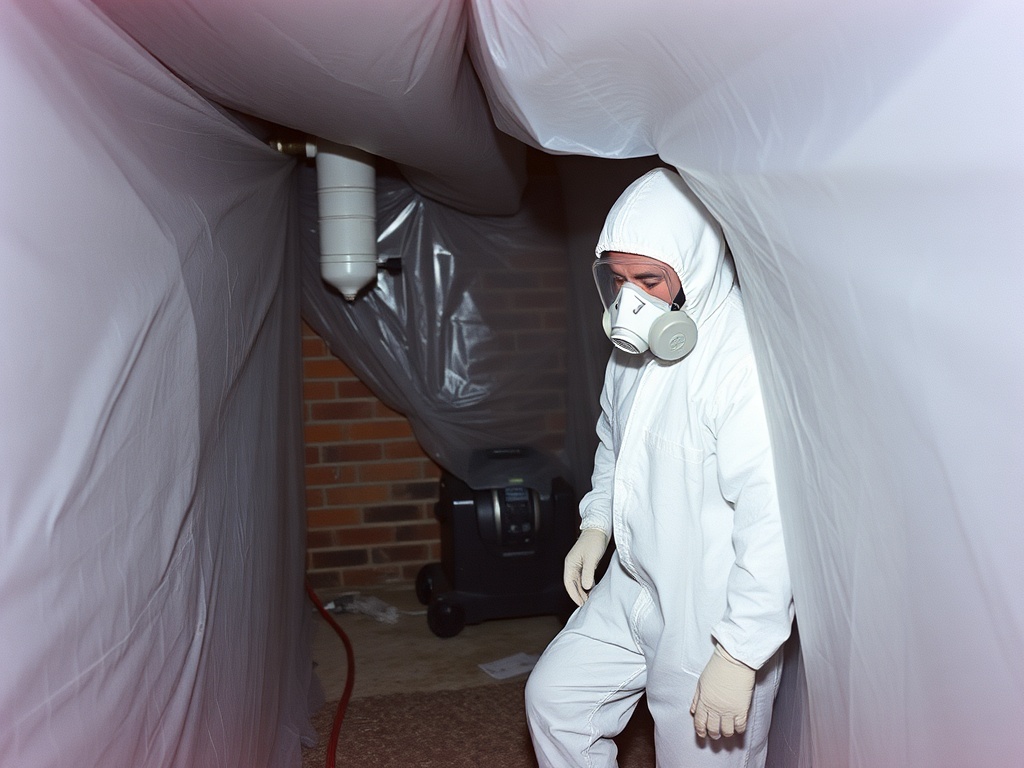
Mold remediation in Godfrey, IL should follow the conditions found at the property. Review the reported leak or odor, prior moisture history and affected materials before specifying the work. Gateway handles moisture assessment and remediation. An independent inspector or industrial hygienist selects and collects any needed samples, and an independent laboratory analyses them. Agree on the scope, containment and completion criteria for the actual job.
Mold Remediation in Godfrey.
The assessment should record the reported moisture history, observed affected materials and the reasons for any access or removal. Agree on containment, cleaning and completion criteria for the actual findings. An independent inspector decides whether sampling is useful and collects any samples; an independent laboratory analyses them. Neither the city nor construction era establishes that hidden growth is present.
What that means on a call
Keep any independent reports and specialist recommendations with the property records. Confirm who is responsible for source repair, follow-up assessment and any work outside Gateway’s agreed scope. A neighborhood description does not establish the condition of an individual property.
Questions Godfrey homeowners ask.
Our basement has been damp for years because of loess wall pressure. Now we are getting visible mold on stored items. Scope?
Assess stored belongings and building materials individually and agree on cleaning or disposal with the owner. Address the moisture source as part of the plan. Gateway handles moisture assessment and remediation; independent professionals collect and analyse any appropriate mold samples.
Our walk-out basement on the Godfrey bluff has chronic exterior wall dampness. After a wet spring, it gets worse. Foundation issue?
Persistent dampness in a walk-out basement warrants investigation of drainage, water entry and foundation condition. Gateway can address affected materials; a qualified specialist should assess any structural or long-term drainage work.
We are on Jersey County Rural Water. A main break flooded our basement. Who covers it?
Same general structure as municipal main breaks. The rural water provider’s risk management handles claims against them, often denied based on lack of negligence. Your homeowner policy with Allstate, State Farm, or American Family covers the resulting damage as a sudden and accidental loss. We document the cause and direct-bill the carrier. Your carrier may pursue subrogation against the rural water provider separately. Your role is documenting the loss and filing the homeowner claim. The provider claim is secondary.
“We don’t tell you it’s mold because it looks like mold. We use independent findings, we plan, and we tell you what you don’t need to remediate.”
What’s included
What every Godfrey
mold remediation job covers.
The work and documentation depend on the actual property conditions and agreed scope. See our main mold remediation page for service information and questions to discuss before work begins.
- Independent sampling where the inspector determines it is useful
- IICRC S520 containment with poly and negative-air HEPA
- Affected materials removed under PPE and HEPA-vacuumed
- Cleaning methods and independent post-remediation assessment appropriate to the agreed scope
- We tell you what does not need remediation, honest scope, not maximum invoice
How calls run in Godfrey
What are the six steps in mold remediation in Godfrey, IL?
- 01
Independent inspection and mold sampling
An independent inspector or industrial hygienist collects mold samples; an independent laboratory analyses them. Gateway handles moisture assessment and remediation, using the independent findings to inform the scope.
- 02
Building containment before mold removal
Containment and filtration are selected to help limit the spread of dust and contamination during the work; they do not guarantee that no particles escape.
- 03
HEPA air filtration during mold remediation
Confirm filtration equipment and containment checks appropriate to the project.
- 04
Mold-affected materials removed under PPE
Assess affected porous materials and define appropriate removal, containment and protective equipment for the work.
- 05
HEPA vacuum and antimicrobial after mold removal
Select cleaning methods for the affected materials and conditions; any product must be appropriate for the use and applied according to its label.
- 06
Third-party clearance test after mold remediation
Agree on completion criteria and any independent post-remediation assessment before work begins. Confirm how additional work would be scoped and priced if the criteria are not met.
Other St. Louis cities we cover
Mold Remediation across
the St. Louis metro
Mold inspection or remediation: five questions to consider
Use these questions to describe the moisture problem when you call Gateway. An inspection establishes the scope; this guide does not diagnose health conditions.
- Can you see suspected mold, or is there only an unexplained musty odor?
- Where is the affected material, and approximately how much is affected?
- Is a leak, flood, condensation or another moisture source still present?
- Has the problem returned after previous cleaning or drying?
- Do you need an inspection, documentation or a remediation scope before work begins?
Describe what you can see without disturbing affected materials. Call Gateway at (314) 947-3419, 24/7, or learn about mold remediation.
Godfrey address. Water emergency.
Call Gateway’s emergency line to discuss the loss, crew availability and estimated response.
Related service information
See our mold remediation service and process for the complete scope of work.