
Review the complete Travelers policy and endorsements for the mold provisions, exclusions and any applicable limit. A covered water loss does not establish payment for every mold-remediation item. Do not assume that one named endorsement or national sublimit applies to every policy.
How Travelers handles appliance leak claims
Provide the Travelers claim professional with the observed loss details and itemized restoration estimate. Ask what further records or inspection are needed, when to expect the next update, and who will receive payment. No fixed settlement window, reimbursement-only route or automatic estimate acceptance is promised.
Coverage questions on a Travelers appliance leak claim
Review the complete Travelers policy and endorsements for the mold provisions, exclusions and any applicable limit. A covered water loss does not establish payment for every mold-remediation item. Do not assume that one named endorsement or national sublimit applies to every policy.
What Gateway documents differently on a Travelers appliance leak claim
Keep the observed source, timeline, photographs and moisture findings with the restoration estimate. Travelers’ mitigation guidance advises safe damage reduction and retaining relevant records; it does not establish a mandatory Xactimate format or guarantee acceptance of Gateway’s scope. Confirm additional requirements and payment arrangements with the claim professional.
Which mold provisions apply to my Travelers policy?
Review the complete Travelers policy and endorsements for the mold provisions, exclusions and any applicable limit. A covered water loss does not establish payment for every mold-remediation item. Do not assume that one named endorsement or national sublimit applies to every policy.
Will Travelers cover a refrigerator ice line leak that ran for weeks?
Describe the actual failure and discovery timeline, including uncertainty or known earlier leakage. Ask the claim professional which provisions apply to the loss; timing and a contractor’s narrative alone do not establish coverage.
Should I keep the failed appliance for Travelers inspection?
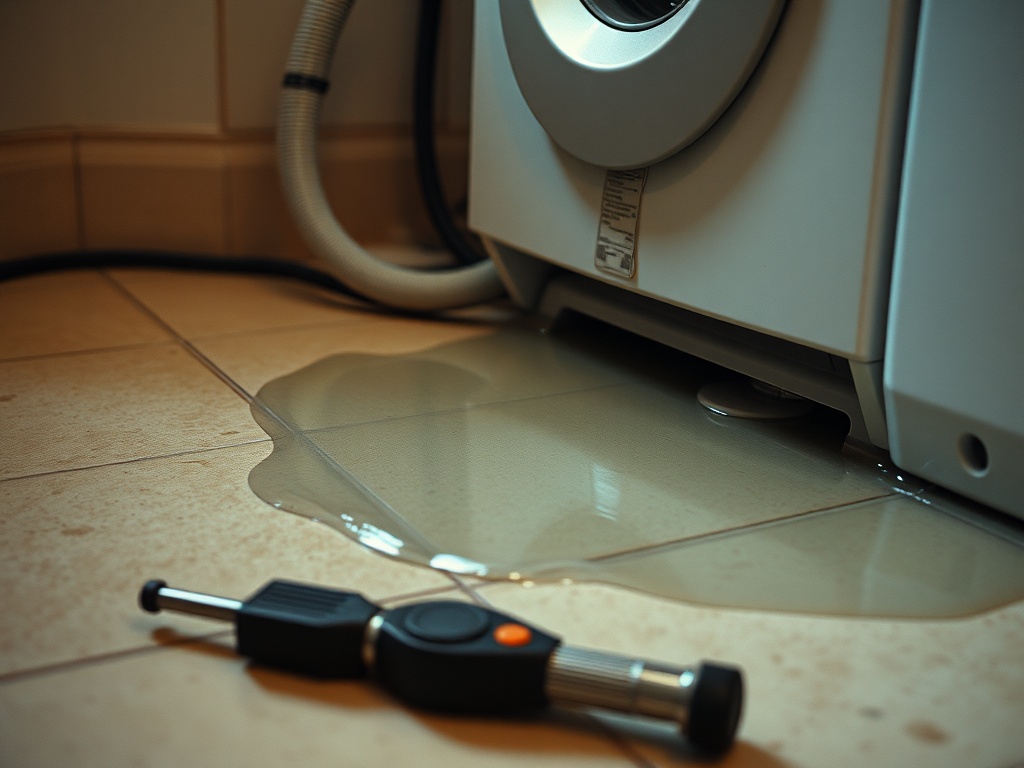
Travelers advises retaining pipes, hoses or parts involved in a leak when feasible, or taking photographs if retention is not possible. Ask the claim professional before disposing of potentially relevant evidence.
Water damage and mold claim documentation checklist
Use this checklist to organize your conversation with the adjuster. Coverage depends on your specific policy, endorsements and loss circumstances; confirm requirements with your carrier.
- Find your policy number, declarations page and relevant endorsements. Record the carrier contact and claim number once assigned.
- Record when you discovered the damage, the suspected source and the affected rooms. Keep a dated timeline of events and conversations.
- When safe, photograph the damage and affected belongings before cleanup. Keep original files and avoid entering unsafe areas for pictures.
- Keep receipts and records for emergency mitigation, drying equipment, temporary repairs and other related expenses.
- Request the inspection findings, moisture readings, drying logs, itemized scope and invoices from the restoration team.
- Ask the adjuster what additional documentation is required and what decisions need approval. Keep their written responses with your claim records.
Documentation supports review; it does not guarantee coverage or a payment timeline. Gateway can help organize your restoration records through insurance claims assistance. For emergency help, call (314) 947-3419, 24/7.
More Travelers resources
Other Travelers pages
on Gateway.
Travelers appliance leak claim. Call now.
Call Gateway, twenty-four seven, to describe the loss and confirm current crew availability and the next response step.
Policy and process sources (reviewed 2026-09-10): www.travelers.com; www.travelers.com; www.travelers.com. Coverage and claim handling depend on the applicable policy, endorsements and loss circumstances.