
Confirm the adjuster handling the claim, records required and next decision. Do not assume a single in-house handler, fixed dispatch deadline or special invoice-review standard from the carrier name.
How Erie handles the claim process
Confirm the assigned adjuster, estimate requirements, payment recipients and billing arrangements for this loss. Erie’s homeowner guidance explains that the policyholder chooses and authorizes the contractor. Do not assume a particular network, estimating price list, direct-billing route or settlement window applies to Gateway work.
What we document differently for Erie
Confirm the insured address and underwriting company; Erie’s published states list includes Illinois but not Missouri. Ask who is handling the claim and whether the agent should receive updates. Do not infer a particular relationship or claim outcome from a regional footprint.
If additional damage is found, contact the assigned adjuster and ask whether reinspection is needed before completing repairs. Erie’s homeowner guidance specifically describes possible reinspection; it does not establish a reward for a particular reporting cadence.
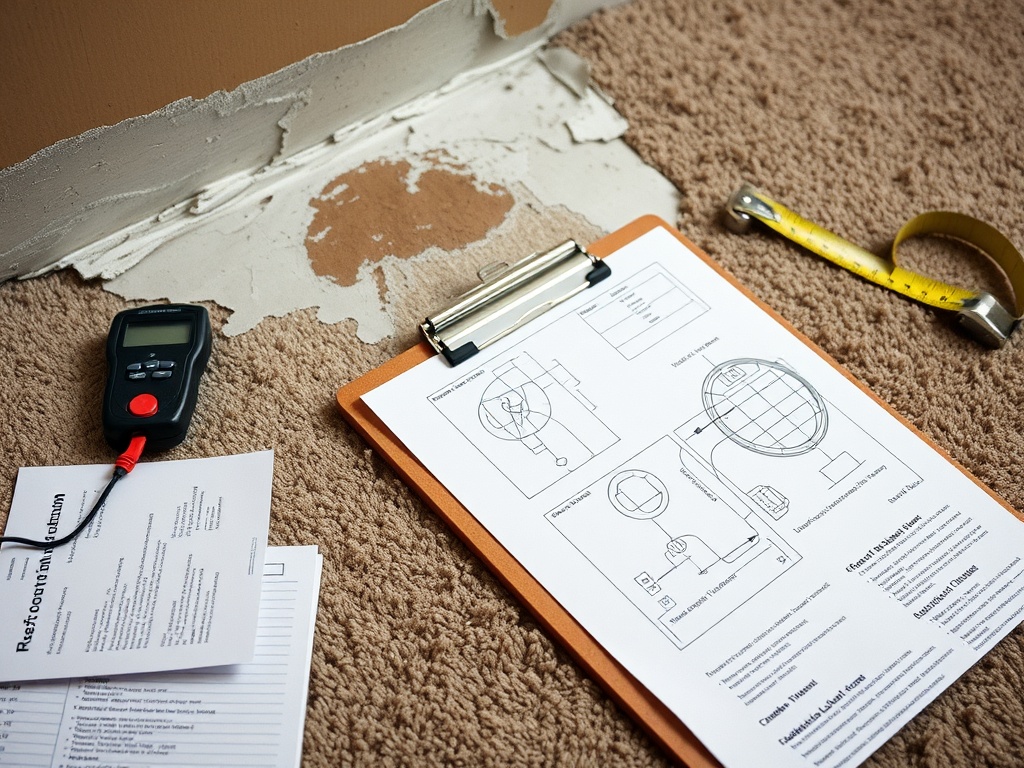
Keep source photographs, moisture readings and records of the methods used with the estimate. Provide additional evidence with any supplemental request. These records support review but do not guarantee a particular processing speed or payment outcome.
Confirm the current handler and where to send scope questions and documentation. Do not assume the same adjuster will manage every stage or that the file will follow a fixed processing cadence.
Erie Insurance water and mold claim questions
Can Gateway talk to my Erie adjuster directly?
With your authorization, Gateway can share restoration scope and documentation with the adjuster. Confirm the permitted communication and keep the policyholder involved in coverage and payment decisions; a work authorization does not establish authority to decide the claim.
What is the Erie Property Repair Program?
Ask Erie to identify any repair program it recommends and explain the current terms. Its homeowner guidance says the customer chooses and authorizes the contractor. No particular network membership, contractor count or direct-billing arrangement for Gateway is verified here.
Why does Erie’s cycle tend to feel faster?
Ask the assigned adjuster about the next decision, missing records and expected update for this claim. Do not rely on an unverified four-hour response deadline or assume a particular adjuster model makes the entire claim faster.
More Erie Insurance resources
Other Erie Insurance pages
on Gateway.
Erie insurance claims assistance claim. Call now.
Call Gateway, twenty-four seven, to describe the loss and confirm current crew availability and the next response step.
Policy and process sources (reviewed 2026-09-10): ei-prd-fe.erieinsurance.com; ei-prd-fe.erieinsurance.com. Coverage and claim handling depend on the applicable policy, endorsements and loss circumstances.