
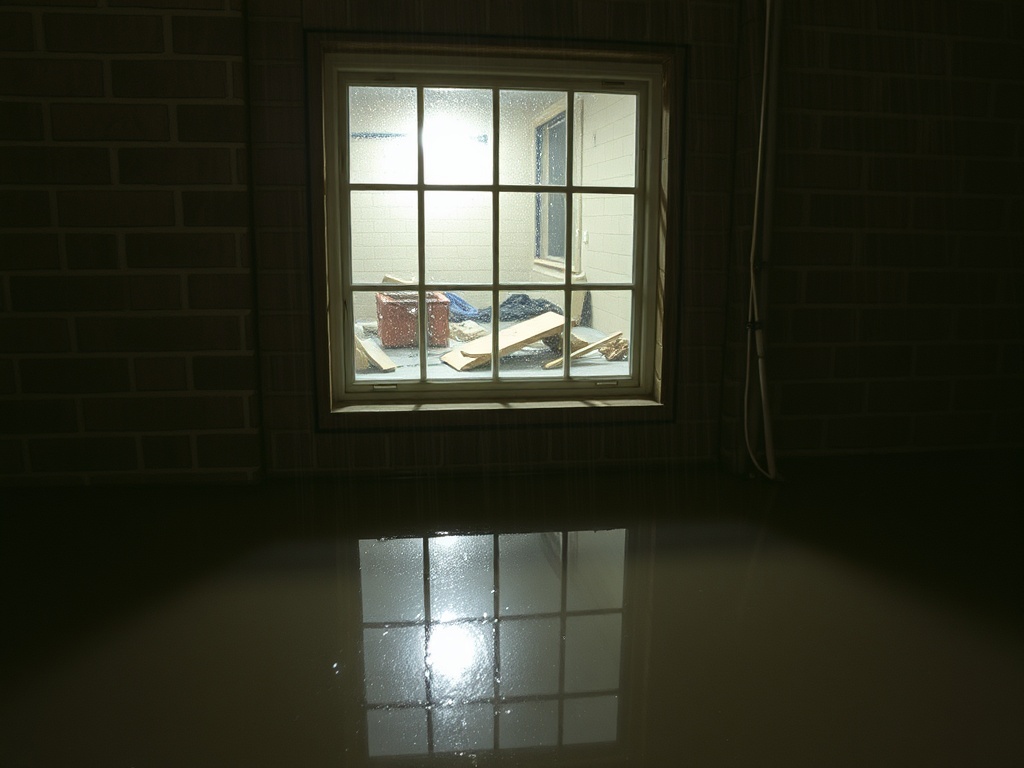
For storm water damage, document any roof, window or wall opening and distinguish water entering across the ground. Check the actual Allstate policy and any separate wind or hail deductible; no uniform Missouri or Illinois percentage is assumed.
How Allstate handles storm and heavy rain claims
Confirm the assigned representative and next update for the storm claim. Keep safe-to-obtain entry-point photographs and the estimate together. Allstate permits contractor choice and different payment arrangements; do not assume a named administrator, universal price list or fixed catastrophe timetable.
Coverage questions on an Allstate storm and heavy rain claim
Record evidence of the water-entry path, roof condition and relevant storm date without presuming Allstate’s reason for a decision. Ask the representative to explain any exclusion, deductible or mold provision applied. Documentation should describe observed conditions, not manufacture a covered-peril account.
What Gateway documents differently on an Allstate storm and heavy rain claim
For a storm claim, retain safe-to-obtain entry-point photographs and relevant weather records. Describe water movement through the building and any separate surface-water issue in the estimate. Confirm the applicable deductible with Allstate before discussing expected payment.
Will Allstate cover basement water from a storm?
Document whether stormwater arrived through a building opening, over the ground, through a drain or from a sump. Ask Allstate to apply the actual policy and any backup coverage to those sources; no single entry path guarantees basement coverage.
How does the wind/hail deductible work on my Allstate policy?
Your Allstate policy may apply different deductibles to different coverages. Check the declarations page and ask the representative whether a separate wind or hail deductible applies and how it is calculated for this loss.
Will Allstate pay for mold after a storm leak?
Ask Allstate which mold provisions, exclusions and limits apply to the storm loss. Approval of water damage does not establish payment for all mold work or verify that a named endorsement increases the applicable limit.
Water damage and mold claim documentation checklist
Use this checklist to organize your conversation with the adjuster. Coverage depends on your specific policy, endorsements and loss circumstances; confirm requirements with your carrier.
- Find your policy number, declarations page and relevant endorsements. Record the carrier contact and claim number once assigned.
- Record when you discovered the damage, the suspected source and the affected rooms. Keep a dated timeline of events and conversations.
- When safe, photograph the damage and affected belongings before cleanup. Keep original files and avoid entering unsafe areas for pictures.
- Keep receipts and records for emergency mitigation, drying equipment, temporary repairs and other related expenses.
- Request the inspection findings, moisture readings, drying logs, itemized scope and invoices from the restoration team.
- Ask the adjuster what additional documentation is required and what decisions need approval. Keep their written responses with your claim records.
Documentation supports review; it does not guarantee coverage or a payment timeline. Gateway can help organize your restoration records through insurance claims assistance. For emergency help, call (314) 947-3419, 24/7.
More Allstate resources
Other Allstate pages
on Gateway.
Allstate storm and heavy rain claim. Call now.
Call Gateway, twenty-four seven, to describe the loss and confirm current crew availability and the next response step.
Policy and process sources (reviewed 2026-09-10): www.allstate.com; www.allstate.com; www.allstate.com. Coverage and claim handling depend on the applicable policy, endorsements and loss circumstances.